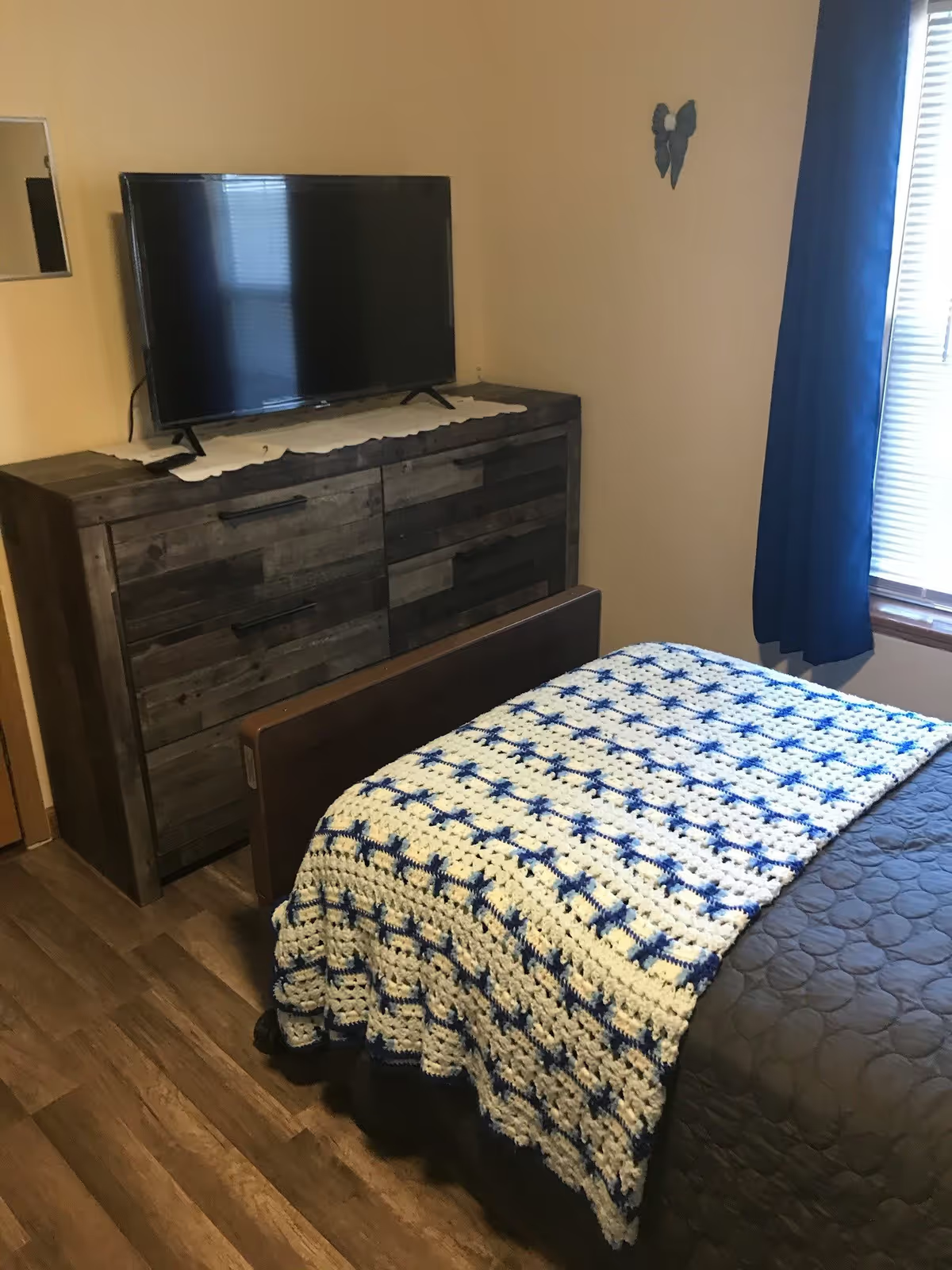
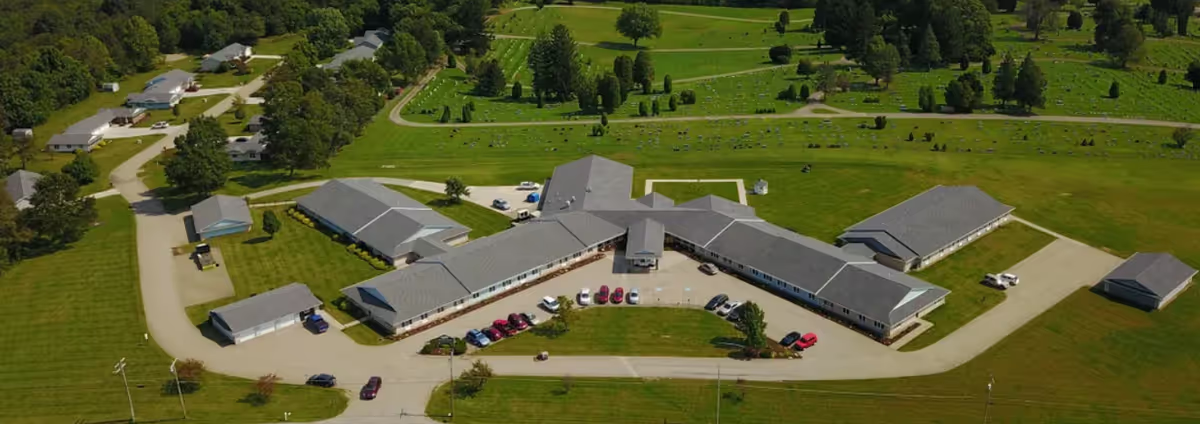
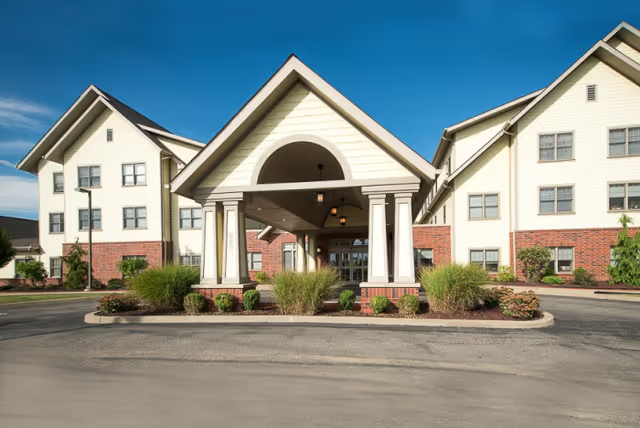
Madison Center elicits strongly mixed impressions across reviewers. A clearly recurring strength is the therapy program: physical and occupational therapy staff are frequently described as skilled, goal-focused, and effective at helping residents regain function. Many families credited therapy with rapid improvement and successful discharge planning. In parallel, front-line caregivers — nurses and aides — are often characterized as compassionate, attentive, and relationship-oriented; housekeeping and laundry services are likewise praised for maintaining clean, comfortable rooms and common spaces.
At the same time, a consistent pattern of operational weaknesses appears. Staffing levels and shift coverage are described as inconsistent, which reviewers link to delayed responses to call bells, missed or late medication and vitals checks, and uneven attention outside of scheduled therapy sessions. Several accounts point to gaps in communication between nurses, aides, therapists, physicians, and families; this has manifested as unclear orders, inconsistent follow-through on care instructions, and delays in notifying families after clinical incidents. Equipment and supplies also emerge as an area of concern — examples include nonfunctional devices and problems managing respiratory equipment — suggesting the need for stronger maintenance and clinical-supply protocols.
Dining and activities generate mixed feedback. Numerous reviewers praised the menu as home-style with generous portions and flexible accommodations for swallowing or dietary needs, and activities such as bingo and organized events were appreciated for social engagement. However, other families found food quality and portion flavor inconsistent. Likewise, while the therapy unit and activity program receive praise, several accounts describe a disparity in attention that favors residents enrolled in therapy over those who are not, producing variability in daily care and engagement.
Management and administrative functioning are described unevenly. Some families found admissions, discharge planning, and administrative staff accessible, responsive, and effective in coordinating care and insurance matters. Other accounts indicate concerns about transparency, delayed paperwork, and difficulty getting direct answers from leadership. Personal-item management is another recurrent issue; losses or misplacements of belongings were reported often enough to merit attention to the facility’s inventory and storage procedures.
Safety and incident response are a prominent area for verification. Multiple reviewers raised concerns about clinical incident handling, oxygen and respiratory equipment management, and post-incident family notification. There are isolated but serious allegations related to these topics; prospective families should request facility policies on incident reporting, respiratory-equipment protocols, staffing ratios, and preventive maintenance records, and confirm how the facility communicates clinical events to families and primary physicians.
In summary, Madison Center displays notable strengths in rehabilitation, hands-on caregiving, cleanliness, and family-oriented interactions, but also shows recurring operational weaknesses around staffing consistency, intra-staff communication, equipment reliability, and administrative transparency. Prospective residents and families may benefit from direct conversations with facility leadership about staffing levels during the intended stay, medication and vital-sign monitoring protocols, equipment-maintenance procedures, and the facility’s approach to notifying families after incidents before making a placement decision.