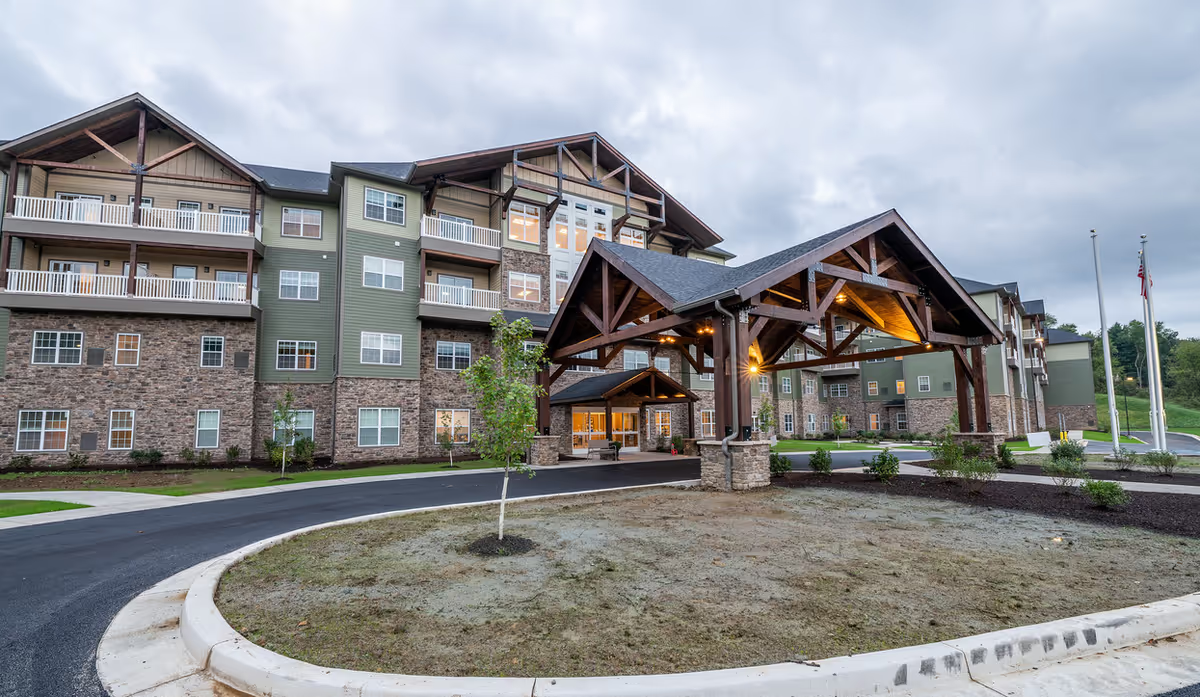
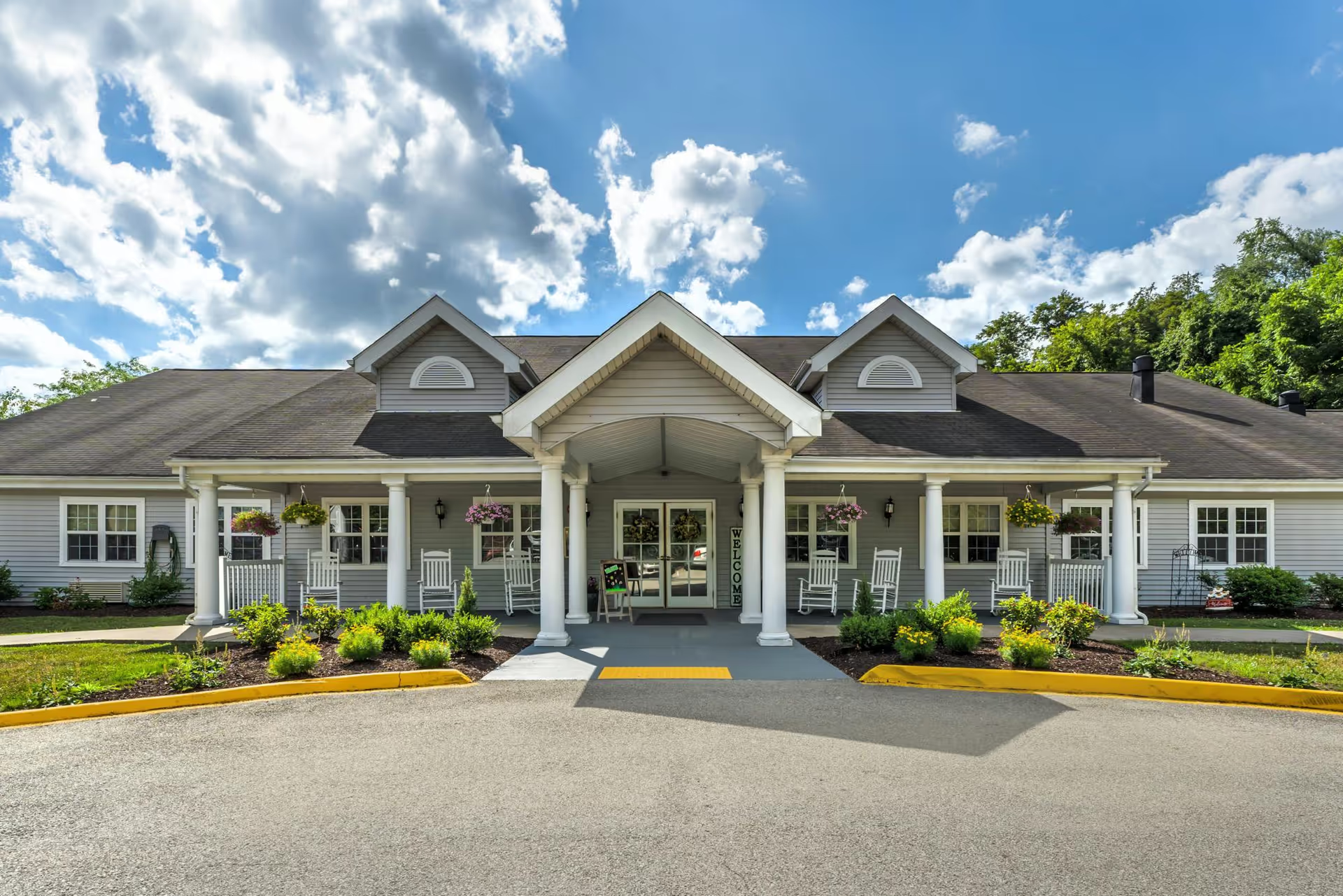
The reviews for Morgantown Healthcare Center present a mixed picture with distinct strengths and recurring operational concerns. Many families praised the hands-on clinical teams, particularly physical therapy, for producing measurable rehabilitation progress; several specific therapists and the PT department were called out for professionalism, weekend availability, and rapid gains in mobility. Reviewers also noted a warm, family-like caregiving culture in parts of the facility, helpful front-desk and case-management staff, assistance with insurance advocacy, and engaging social programming that supports resident morale. Common-area cleanliness and an organized admissions process were described positively by multiple families.
At the same time, a pattern of operational weaknesses appears across reviews. Staffing and responsiveness were frequent concerns: reviewers described inconsistent staffing coverage, delays in attending to call signals, and gaps in after-hours or holiday procedures that contributed to missed connections or wrong-room assignments. Related clinical risks emerged in the form of medication-handling lapses and incontinence-care delays; a number of reviewers associated these process issues with subsequent health complications. Sanitation and pest-control concerns were raised for specific areas, which some families found serious enough to prompt contact with external regulators.
Communication and management style were another recurring theme. Several accounts described variable communication tone from staff and administration, with some families reporting empathetic, proactive case-management and others describing unhelpful or unsympathetic responses from leadership. Billing and financial handling were highlighted as an area of concern by a subset of reviewers, including allegations of aggressive collection practices; this appears to be a separate axis of dissatisfaction from clinical-care observations but one that affected overall family trust.
Quality also appears uneven across units and shifts. Multiple reviewers contrasted strong experiences in rehabilitation and the memory unit with negative experiences in other parts of the facility, suggesting unit-level variability in staff skill, supervision, and processes. A few reviews referenced serious clinical incidents and end-of-life concerns; these accounts point to potential gaps in emergency response and escalation protocols that prospective families should explicitly review.
For prospective residents and families: the facility demonstrates clear strengths in rehabilitation services, several committed caregivers, and pleasant common areas and programming. At the same time, ask targeted questions during a visit about staffing ratios and coverage (including nights/weekends/holidays), call-response times, medication-administration safeguards, incontinence-care protocols, pest-control policies, unit-assignment criteria by cognitive need, and billing practices. Request unit-specific references and inquire about recent regulatory inspections or corrective actions. An in-person tour and conversations with current families or unit managers will help clarify whether the facility’s strengths align with the specific clinical and psychosocial needs of the prospective resident.