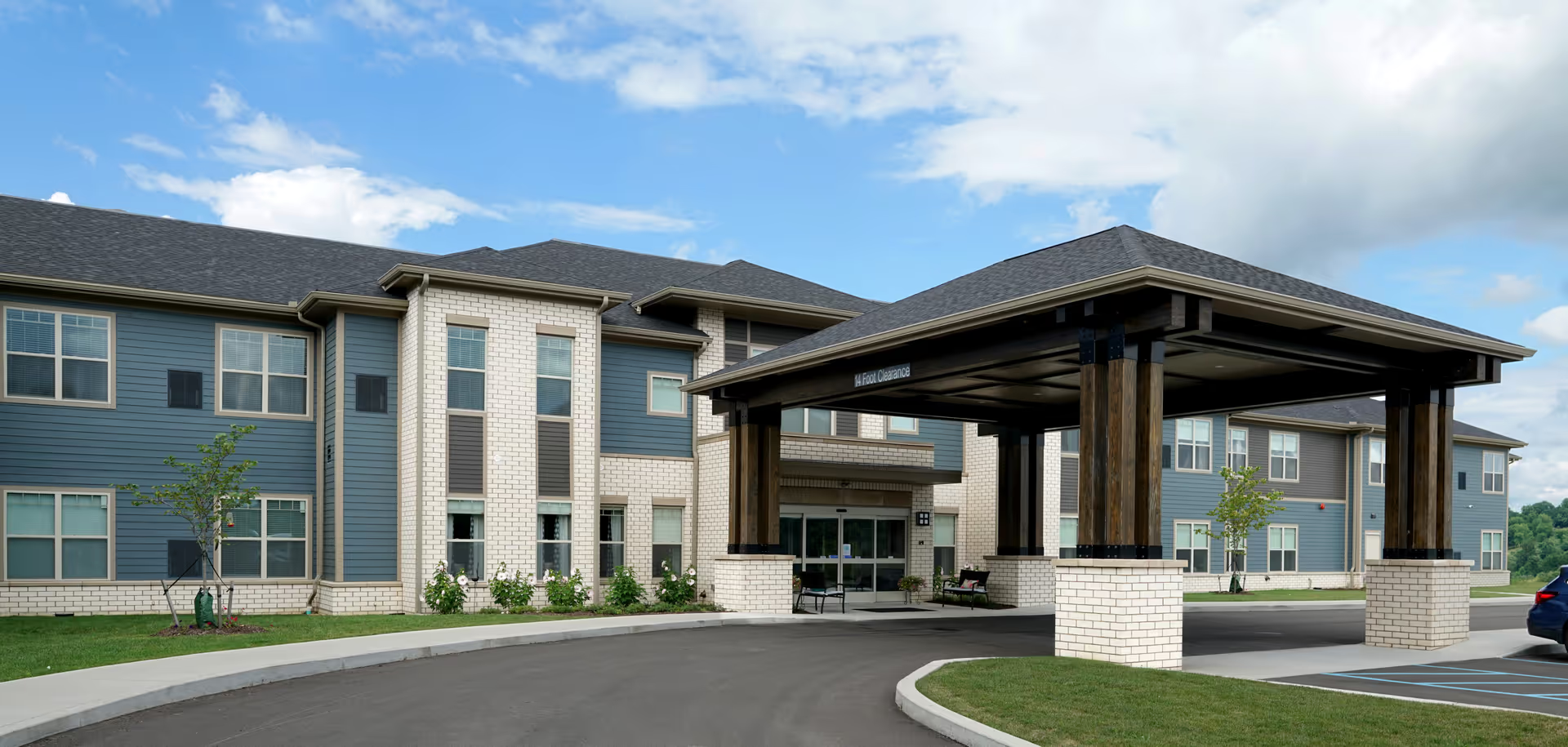
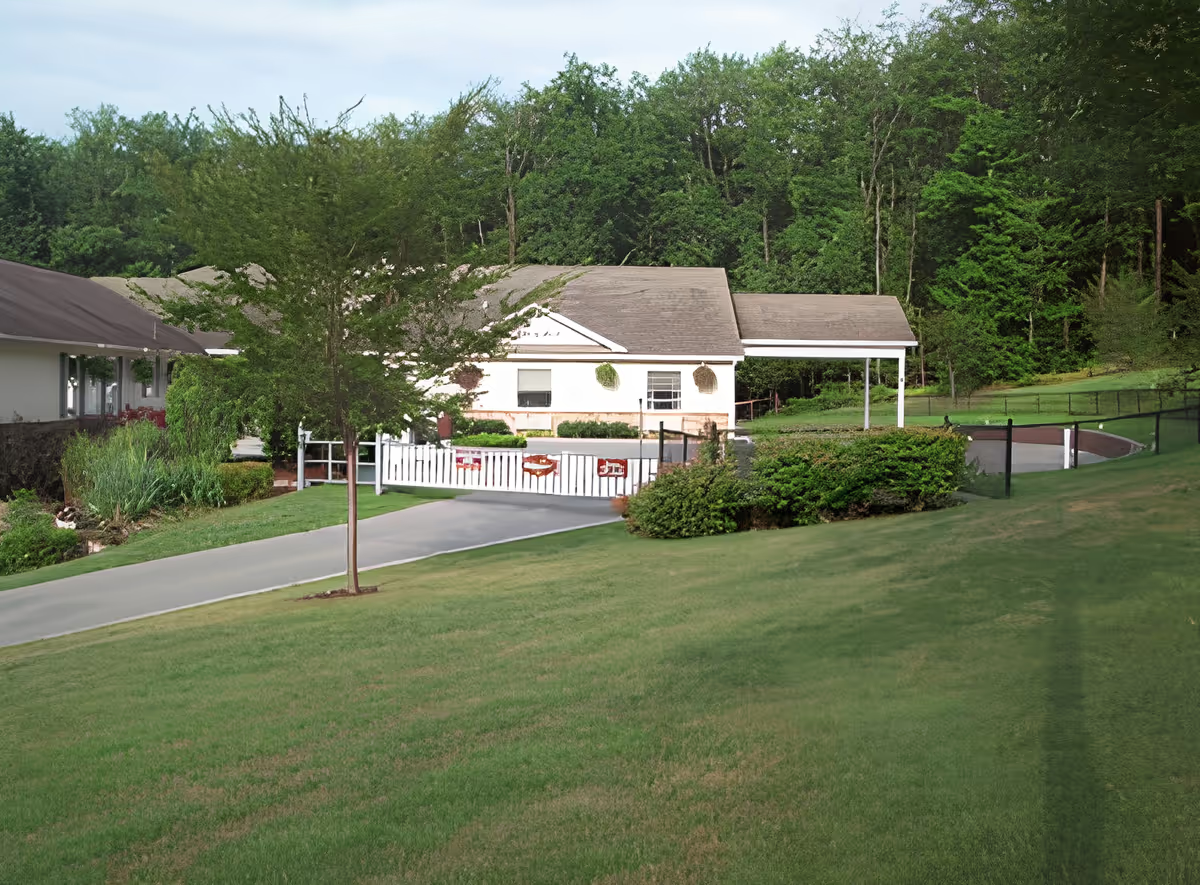
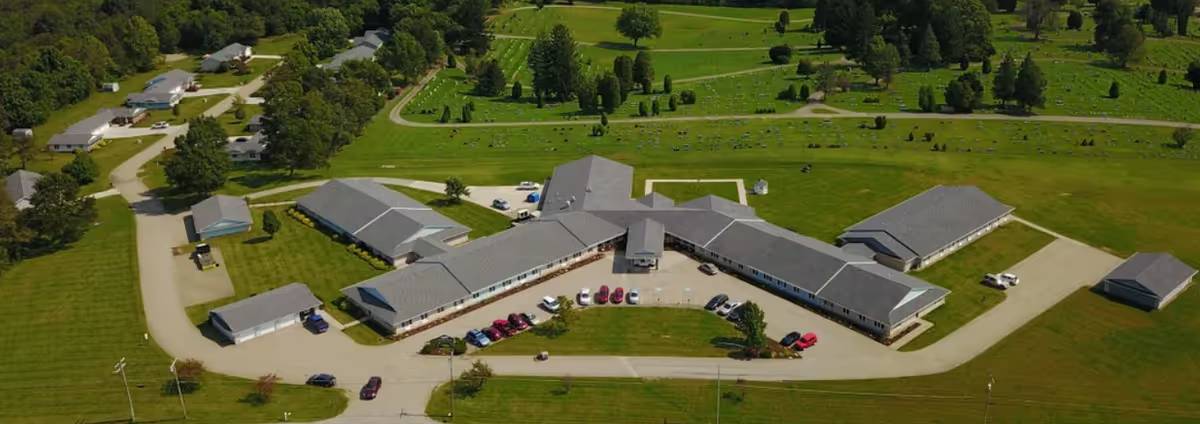
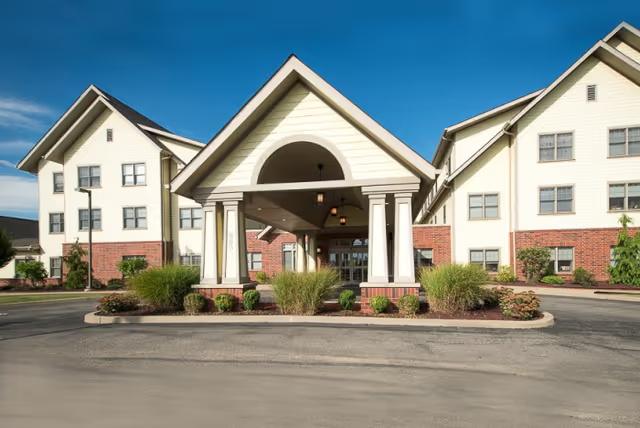
Overall impression: Reviews describe a facility with clear strengths in hands-on care and rehabilitation, paired with recurring operational and communication weaknesses. Many families and residents praised the nursing and CNA teams for being caring and attentive, and consistently highlighted the physical and occupational therapy departments for effective, discharge-focused rehabilitation — including newly available outpatient services. Admissions, office staff, and activity personnel also receive frequent positive mention for friendliness and helpfulness, contributing to a generally home-like atmosphere in much of the building.
Care quality and clinical operations: Clinical strengths are concentrated in rehabilitation and bedside caregiving. However, there are significant concerns about clinical communication and care coordination: families describe inconsistent access to physicians, limited direct physician contact, and insufficient updates about tests and treatment plans. Medication administration timing and dispensing controls were cited as unreliable in multiple accounts, and there are recurring notes about delays in responding to call lights and requests. Several comments point to gaps in fall-response procedures and post-fall supervision that prospective families should clarify with the facility.
Staffing, conduct, and training: Staff-related feedback is mixed. Many reviewers describe compassionate, friendly, and hardworking staff members — particularly therapists, CNAs, and some nurses. At the same time, others describe inattentiveness (long waits for attention, staff on phones), variability in professionalism, and evidence of staffing shortages that contribute to stress and slower service. Social-work and administrative roles are frequently described as overextended or difficult to reach. Reported staff turnover and perceived managerial decisions that prioritize cost containment have been linked to morale and training concerns.
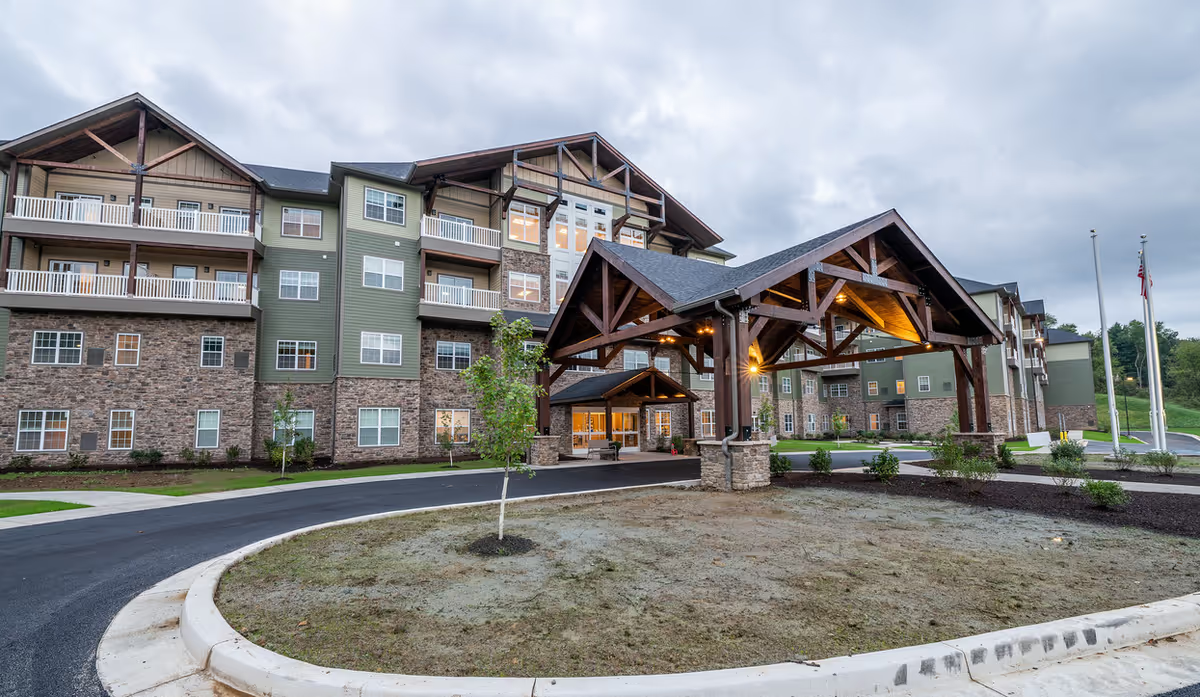
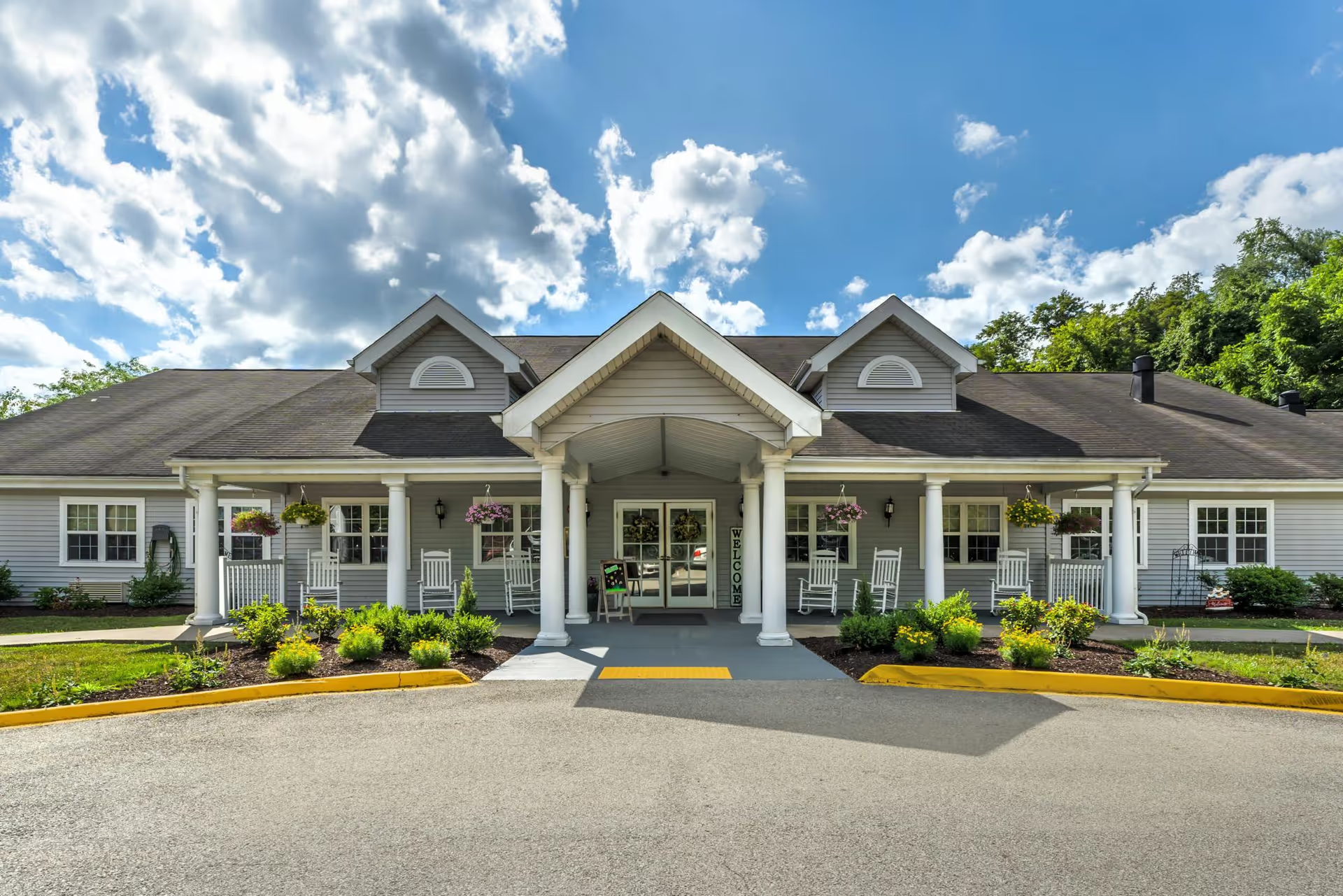
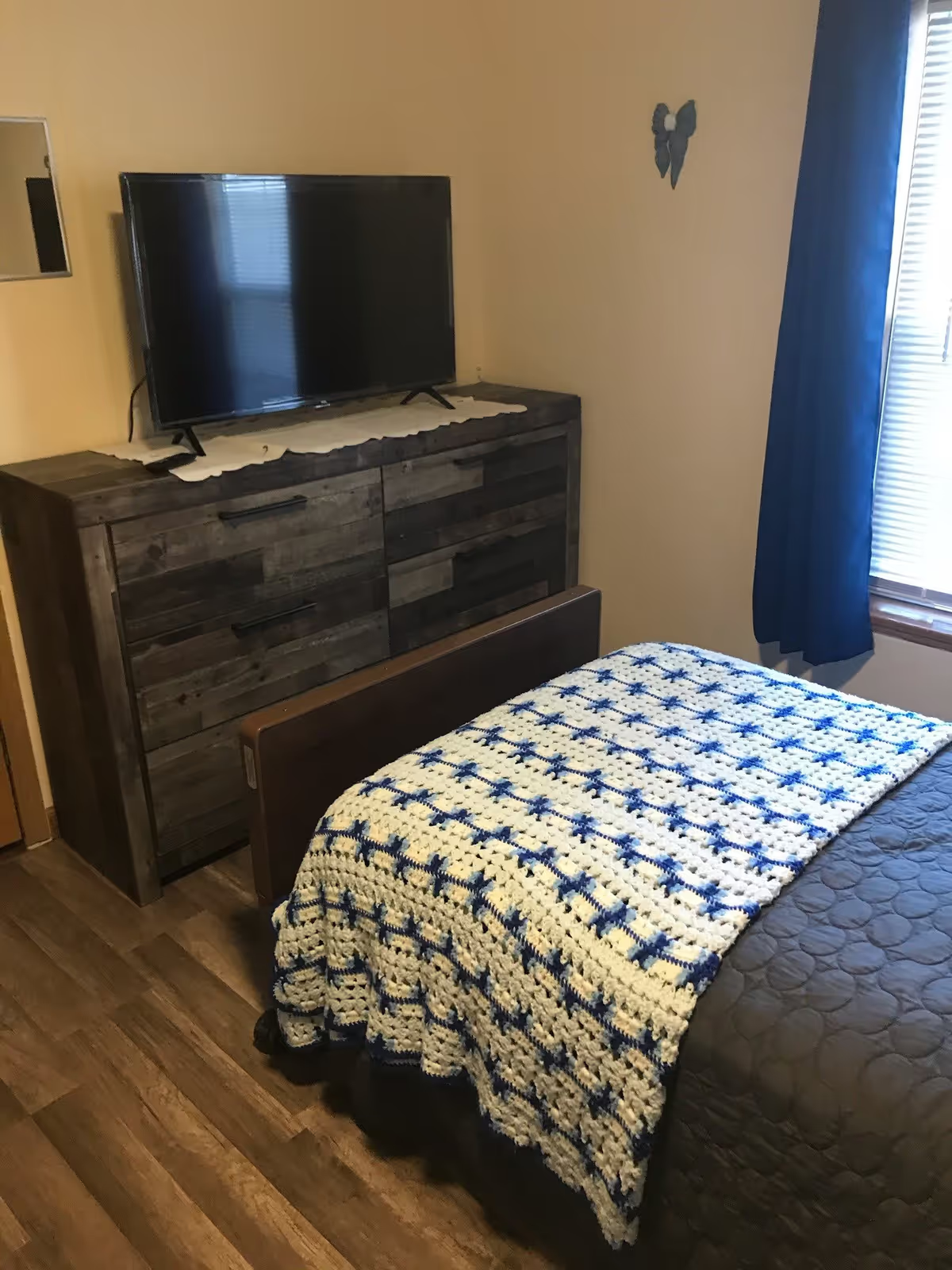
Dining, activities, and facilities: Activity offerings are a consistent positive: scheduled programs (bingo, crosswords, journaling), communal calendars, and transportation for appointments support engagement and mobility. Dining experiences are more variable — some reviewers praise accommodating kitchen staff and excellent meals, while others describe fair or inconsistent food quality. The physical environment is often described as clean, recently remodeled, and bright, though there are isolated sanitation and incontinence-care concerns in parts of the facility and comments about small shared rooms or the building’s age in some units.
Management and family communication: Multiple reviews identify administration and leadership responsiveness as an area needing improvement. Concerns include difficulty reaching managers, perceived non-responsiveness to family inquiries, paperwork and discharge coordination problems, and reports of lost personal items that suggest weaknesses in property controls. Given the mix of strong front-line caregiving and recurring systemic issues, prospective families may want to ask the facility about physician coverage, staffing ratios and shift patterns, medication-administration safeguards, property-security policies, post-fall protocols, and how communication with families is structured.
Bottom line: Morgantown Heights appears to deliver strong rehabilitation services and many compassionate caregiving staff, making it a reasonable option for patients focused on physical therapy and short-term recovery. Concurrently, persistent operational issues — especially around communication, staffing, medication timing, property controls, and some sanitation concerns — warrant direct inquiry and monitoring by families considering long-term placement or higher-acuity needs.