The reviews present a polarized picture of Sun Valley Homes West. On one hand, staff are frequently described in strongly positive terms — compassionate, patient, and willing to go beyond routine duties to support residents. These comments suggest pockets of genuinely resident-centered caregiving and a workforce that, in individual cases, demonstrates high levels of empathy and commitment.
At the same time, there are substantive operational concerns. Multiple accounts point to inconsistent staff responsiveness and conduct, and reviewers explicitly raised safety and care-quality issues. These observations align with a pattern of gaps in clinical oversight and resident-safety protocols. Families also described distressing outcomes in at least one serious situation, which highlights a need for clearer processes around critical events and end-of-life care; the summaries indicate limited family communication and inadequate emotional-support mechanisms in those contexts.
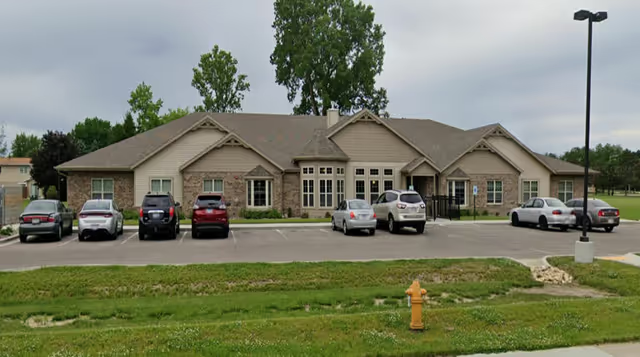
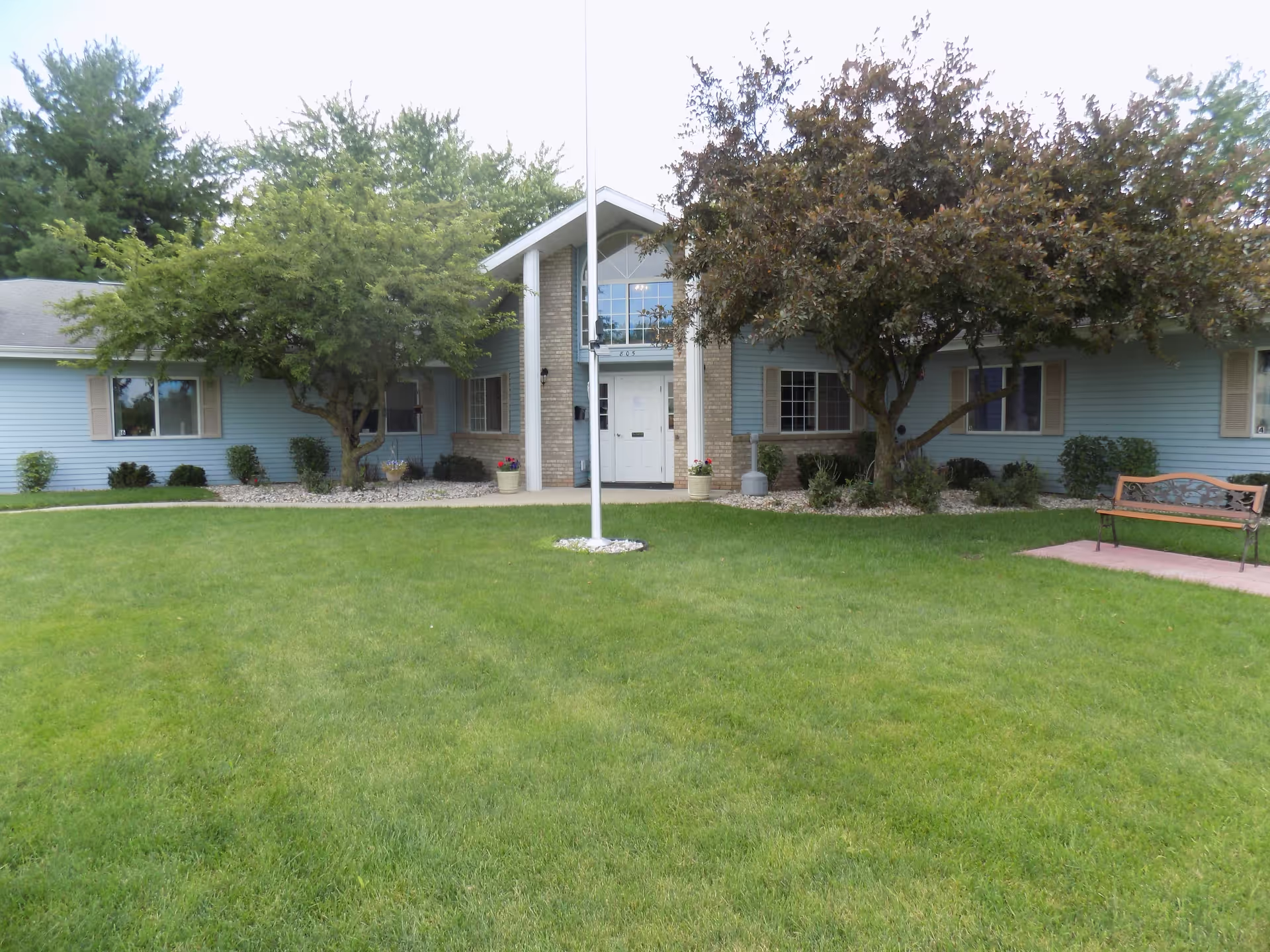
Facility condition and maintenance are another recurring theme. Descriptions of building deterioration, compromised window sills, and general maintenance lapses imply deferred maintenance and infrastructure problems that could affect resident comfort and safety. Review summaries provide little verifiable information about dining or recreational programming; there was no substantive commentary on meal quality, menu variety, or activity offerings to form a reliable assessment.
Management and organizational factors appear to contribute to the variability in experience. Comments about staff being undercompensated, together with the juxtaposition of highly praised individual employees and serious care concerns, suggest uneven staffing consistency or morale issues that could affect service continuity. Notable patterns are the coexistence of highly dedicated individual caregivers and systemic weaknesses in maintenance, safety oversight, and family communication.
For prospective residents and families, the information reviewed points to areas to investigate further: staffing levels and turnover, staff training and incident-response protocols, facility maintenance records and inspection history, documented procedures for end-of-life care and family communication, and firsthand observation of daily operations (meals, activities, and cleanliness) during a visit. Obtaining regulatory inspection reports and speaking with current families can help clarify whether positive caregiver accounts reflect consistent practice or isolated examples amid broader operational concerns.