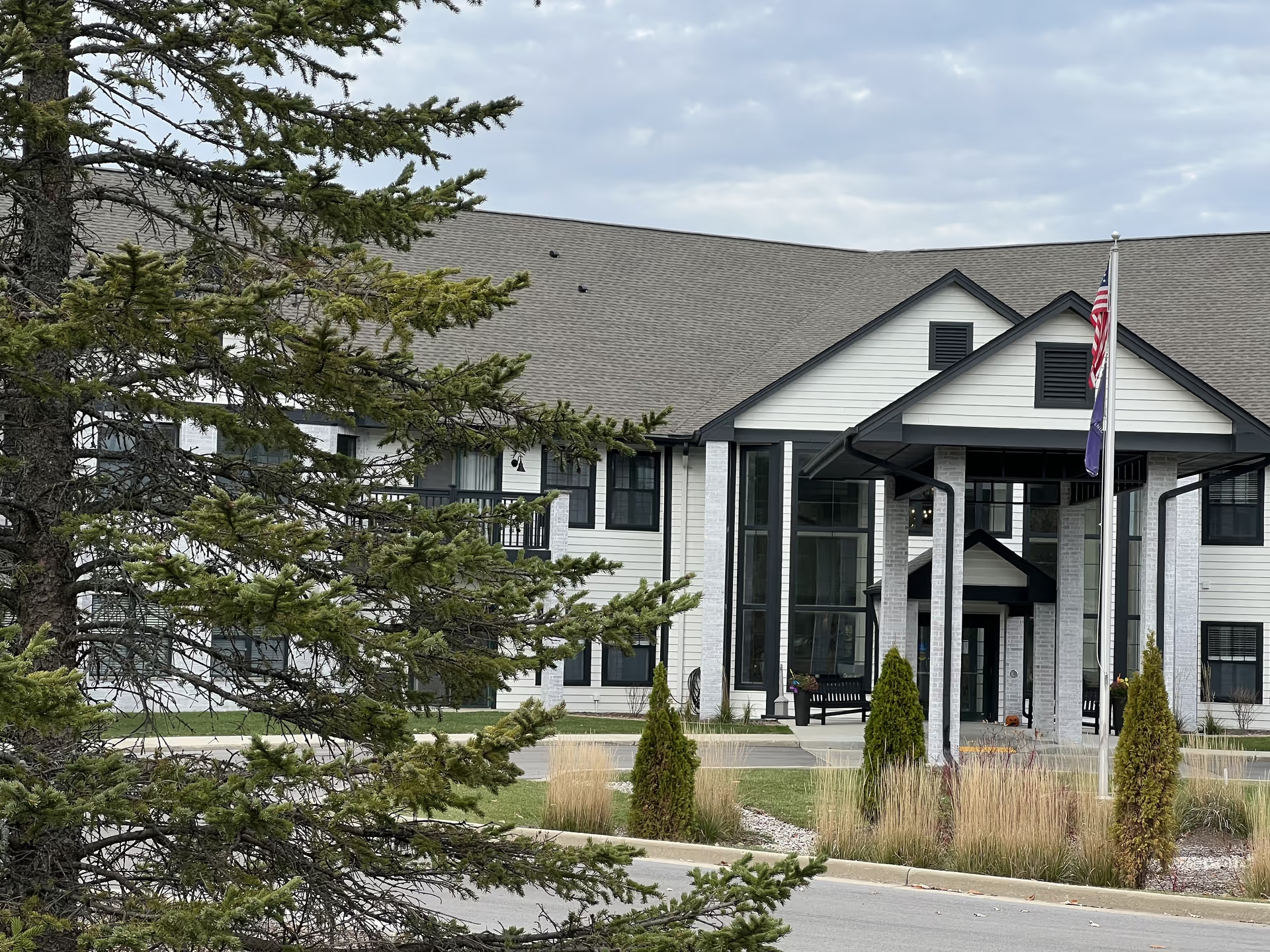
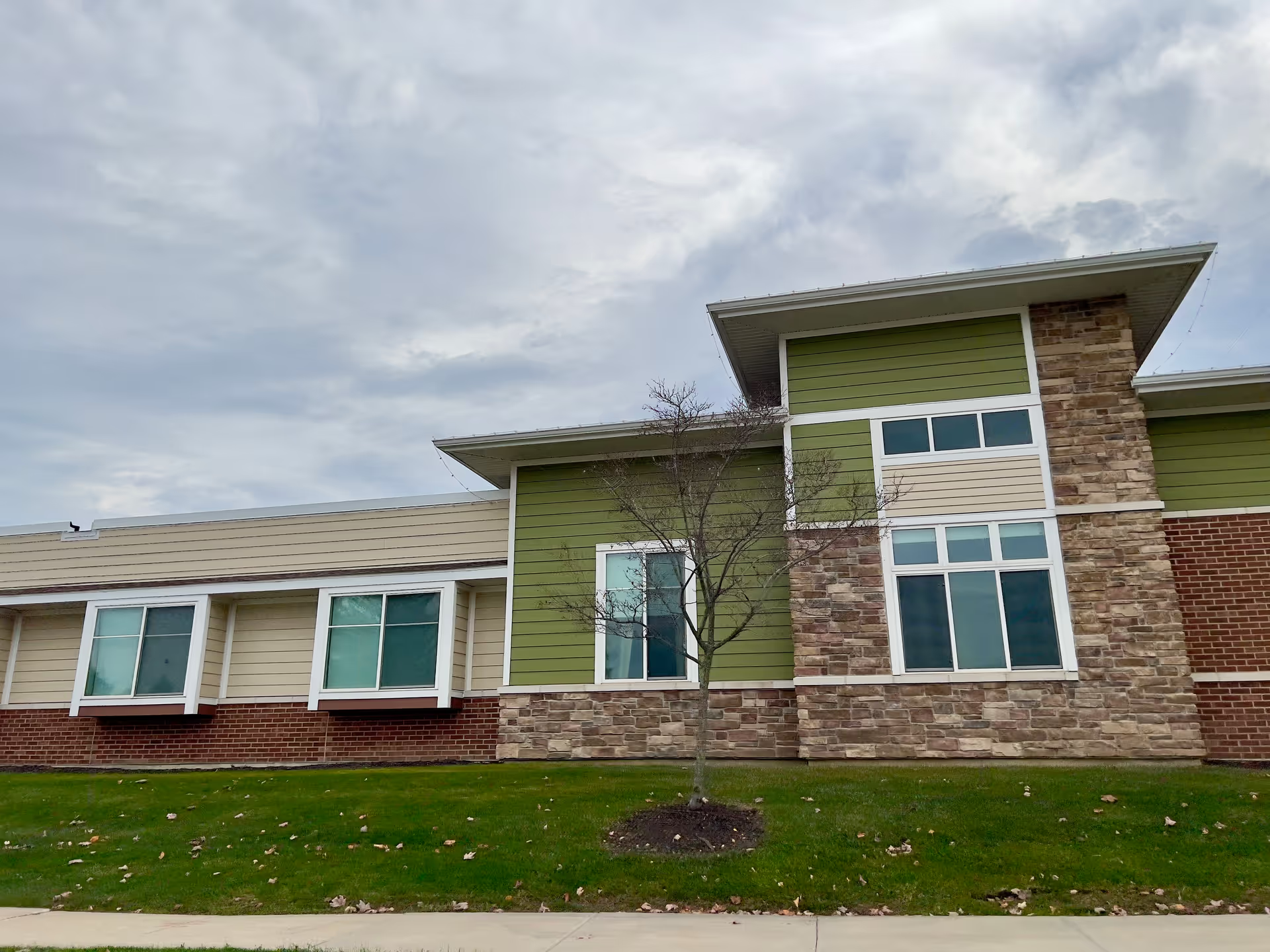
Atlas Assisted Living II presents a mixed but actionable picture for prospective residents and families. Reviewers consistently praise the facility’s physical environment and leadership: the building has been recently renovated in places, is described as attractive and very clean, and the administrative team is viewed as competent, accessible, and committed. Many accounts emphasize a family-like culture, stable core staffing, and staff who are pleasant, knowledgeable, and proud to work at Atlas. These strengths support a base level of resident well‑being and suggest the facility has a platform to provide consistently good care.
Care quality appears uneven. Several reviewers compliment direct-care staff for kindness and clinical knowledge; however, a portion of feedback describes inconsistent personal-care routines, particularly bathing and hygiene support, and concerns about sanitation in specific situations. There are also intermittent concerns about the tone and responsiveness of some front-line staff. Medication administration and communication with families about medication-related matters were singled out as an operational weakness; families should confirm how medication changes and administration are documented and communicated.
Dining receives minimal direct commentary in the available summaries, so there is no consistent signal regarding meal quality or menu variety. Activity programming is a clearer area of weakness: reviewers indicate limited resident activities and opportunities for engagement, which may not meet expectations for residents seeking an active lifestyle. Prospective residents who prioritize social and recreational programming should inquire about the current schedule and recent programming enhancements.
Facility and amenities are described in two different lights. Many reviewers highlight recent remodeling and an attractive, well-kept interior; others characterize the site as a quaint or older establishment with correspondingly limited on-site amenities. Those differences suggest the experience can vary by unit or by which parts of the building are renovated. Management is repeatedly cited as a strong point — down‑to‑earth leadership, clear administrative presence, and generally good communication from management — which may facilitate corrective action where operational gaps exist.
Notable patterns across the reviews are a clear split between positive management/physical environment and operational inconsistencies at the care-delivery level. The facility shows potential to be a high-performing option, provided it addresses inconsistent personal-care routines, medication-communication processes, activity offerings, and adherence to safety protocols. Families considering Atlas Assisted Living II should schedule a tour that includes observation of staff–resident interactions, ask for current staffing patterns and bathing schedules, request samples of medication-communication procedures, and review the activity calendar and safety protocols to confirm alignment with their expectations.