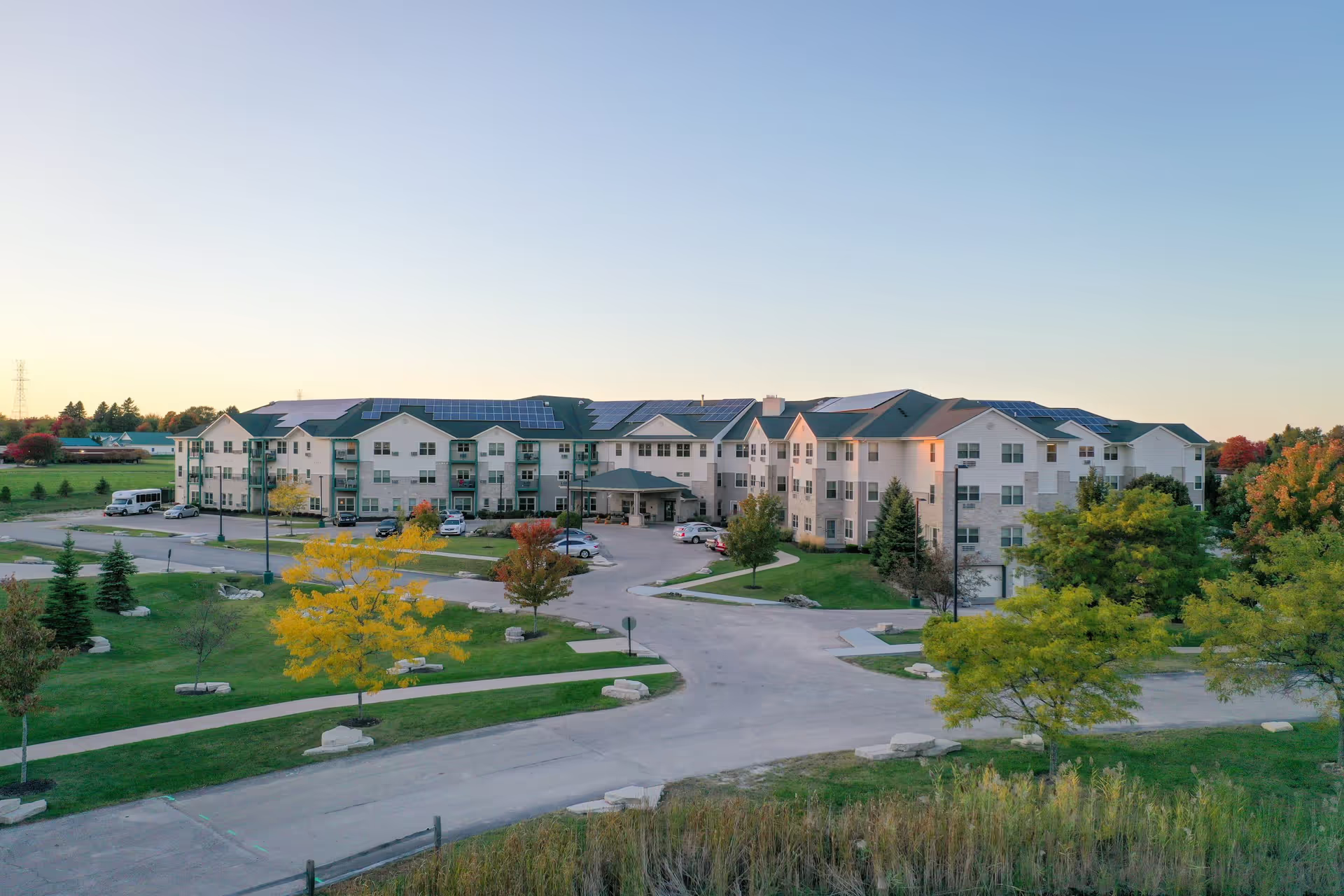
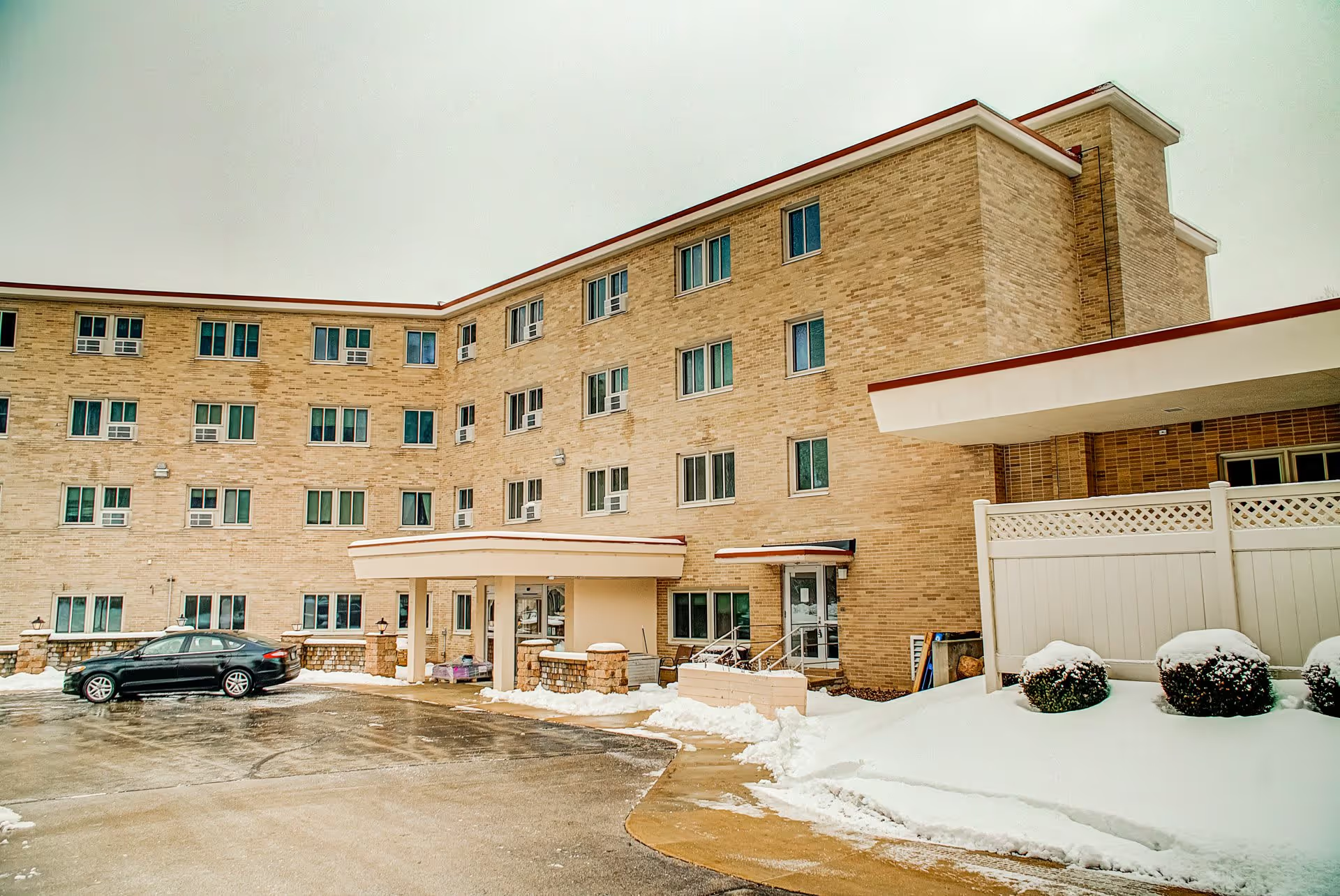
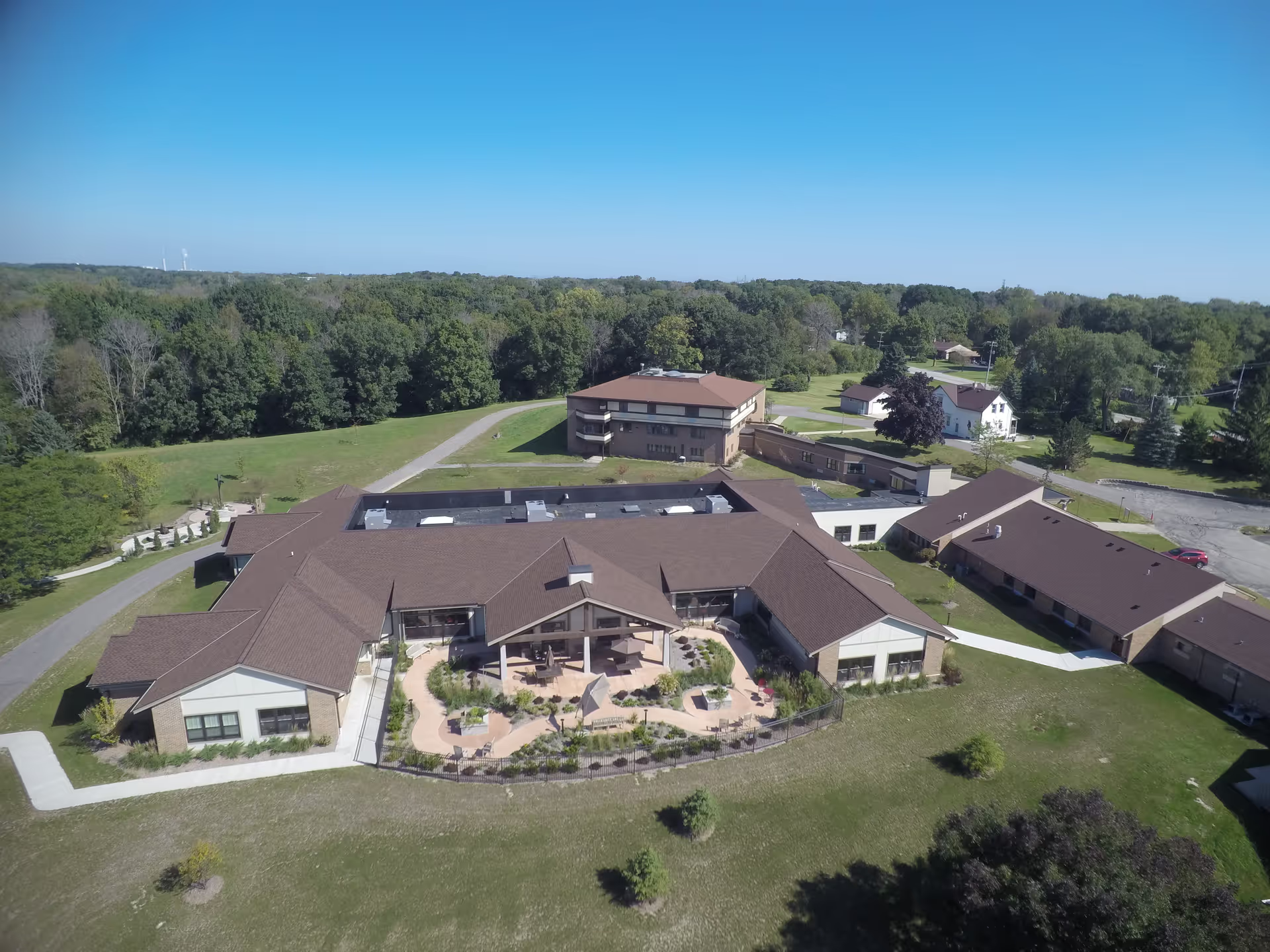
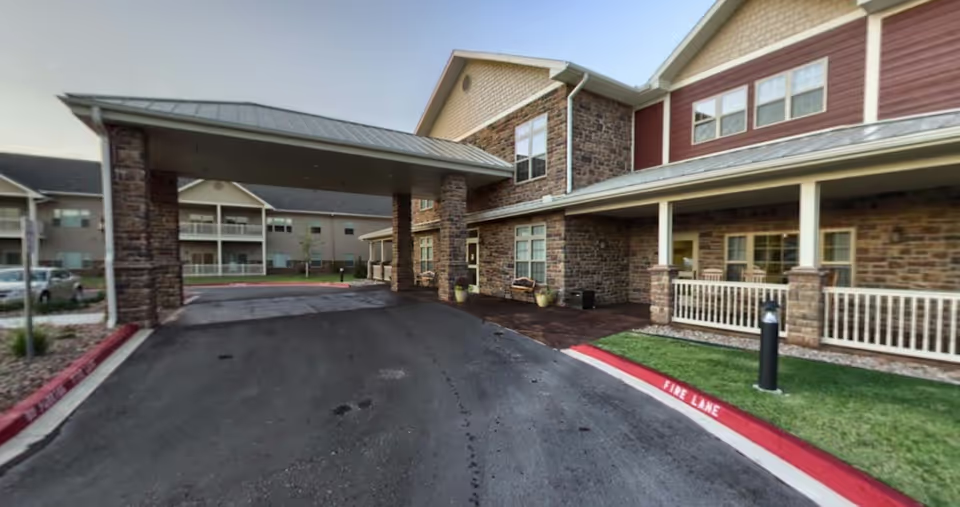
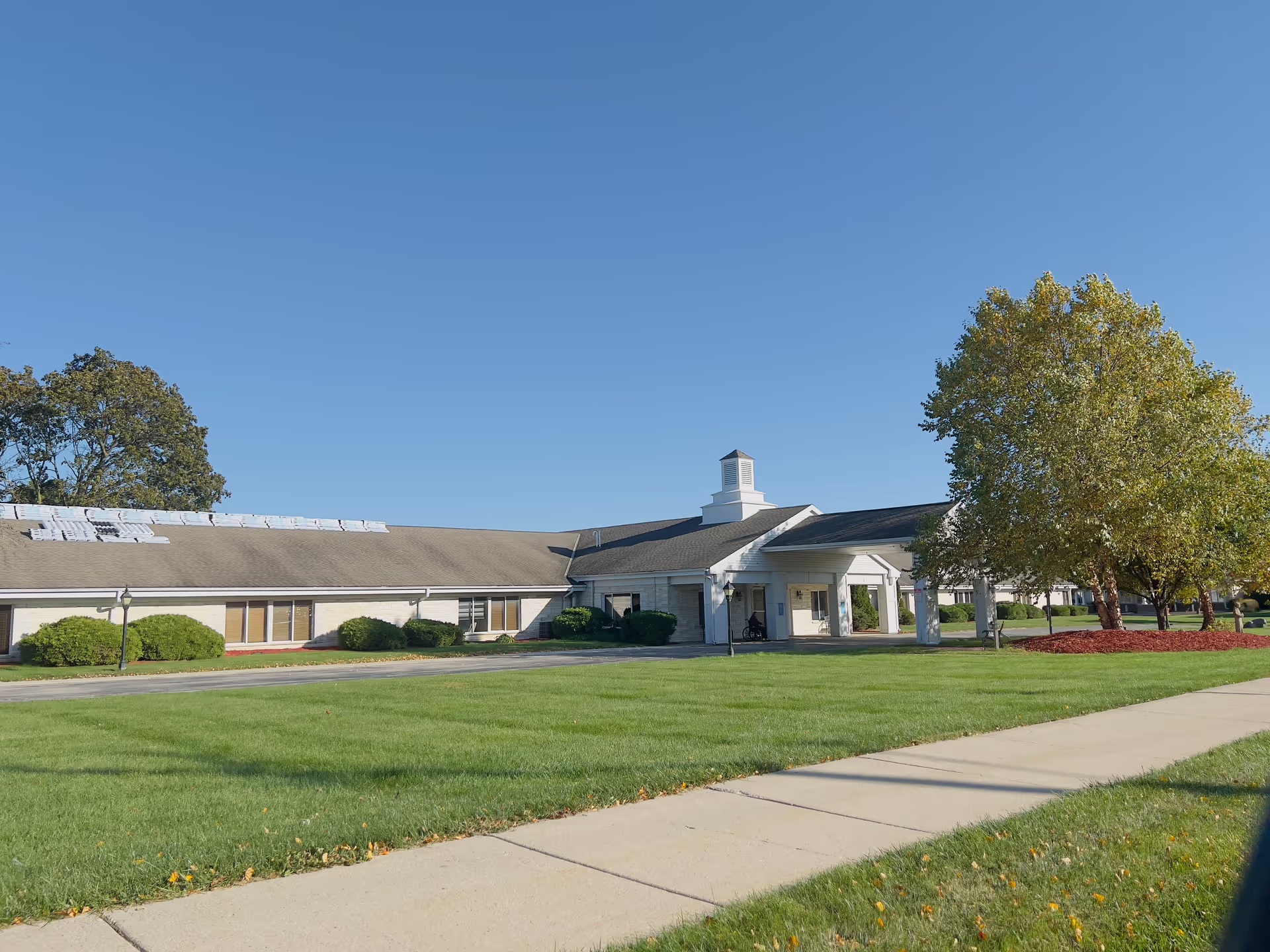
Frontida Assisted Living: Willowgreen presents a mix of clear strengths and recurring operational concerns. The community is frequently described as small and home-like, with well-maintained grounds and attractive exterior spaces. Inside, reviewers highlight bright, clean common areas, private dining and meeting rooms, an on-site auditorium for cultural events, and robust fitness facilities including classes and personal trainers. These amenities, together with library and game options, contribute to an environment that can support social interaction and physical activity for many residents.
Care quality accounts for the most divided impressions. Numerous accounts praise direct-care staff as compassionate, family-oriented, and willing to go above and beyond; several families described relief and long-term satisfaction with the hands-on support their loved ones received. At the same time, multiple operational patterns raise concern: staffing shortages and turnover are frequently cited, with reports of reduced clinical and nursing coverage on some shifts and limited weekend managerial presence. These patterns correlate with accounts of inconsistent bathing and laundry service, gaps in medication-management and documentation, and delays or gaps in incident reporting and family communication.
Dining and daily services show variability. Many reviews commend homemade and healthy menu items, snacks, and social dining interactions; others describe repeated sameness in meals, limited menu variety, insufficient vegetable/salad options, and inconsistent hydration/snack availability. Activity offerings are generally present — fitness classes, games, and outings are noted — but families also described periods when scheduled activities were reduced or residents were not actively engaged. The small community size supports close staff–resident interaction for some residents, yet it may limit program diversity and backup staffing when coverage gaps occur.
Facility management and responsiveness emerge as an important pattern. Several reviewers reported positive accessibility of leadership and hands-on owners; others described management changes, perceived favoritism, and distant or poor communication during clinical transitions (for example, hospice involvement) or after incidents. A number of reviews indicate that families had to intervene to ensure timely care or notifications. Operationally, concerns cluster around sanitation processes (including carpet and laundry maintenance), inconsistent availability of in-room bathrooms, and the need to strengthen clinical oversight, documentation, and incident communication protocols.
In summary, Willowgreen offers a well-appointed setting with strong amenity offerings and many dedicated direct-care staff who create a family-like atmosphere for residents. Prospective families should weigh those strengths against recurring patterns: variable housekeeping and bathing/laundry reliability, periodic understaffing and reduced nursing coverage, inconsistent meal and hydration delivery, and gaps in documentation and communication. Visiting the community multiple times, meeting direct-care staff and leadership, and clarifying staffing patterns (including weekend coverage and clinical staffing levels) and service guarantees (laundry, bathing schedules, incident reporting, and medication oversight) will help families assess fit and risk for their specific care needs.