Overall impression: St. Monica’s presents as a faith-oriented, community-centered senior living community with many long-term residents and a broadly positive reputation for personalized, compassionate care. Reviewers consistently emphasize warm staff–resident relationships, visible leadership, active life engagement programming, and a well-maintained campus with generous outdoor space. The facility’s chapel and regular religious services are central features for residents seeking a spiritual environment.
Care and staff: Care quality is frequently described as attentive and compassionate. CNAs and other front-line staff receive substantial praise for knowing residents by name, responding to medical needs, and fostering personal connections. Families often cite prompt communication from staff and proactive coordination with physicians and therapists. At the same time, a recurrent operational concern is staffing consistency: memory-care night coverage and overall staffing levels were described as uneven, and there are reports that care staff sometimes take on housekeeping or laundry duties, which can dilute direct-care capacity. Additionally, reviewers note variability in staff tone and responsiveness in isolated instances; this suggests the facility’s staff culture is generally strong but not uniformly consistent across every unit and shift.
Dining and activities: Dining is frequently called home-style and enjoyable, with specific praise for portions, regular specials (ice cream, desserts, cobblers), and accommodating diets. Several reviewers noted the food is hearty rather than gourmet. Activity programming is a clear strength: a broad calendar that includes music, choirs, exercise, arts and crafts, outings, and marketplace-style events keeps many residents engaged. The life-engagement staff and volunteer contributors are highlighted as a major contributor to resident well-being.
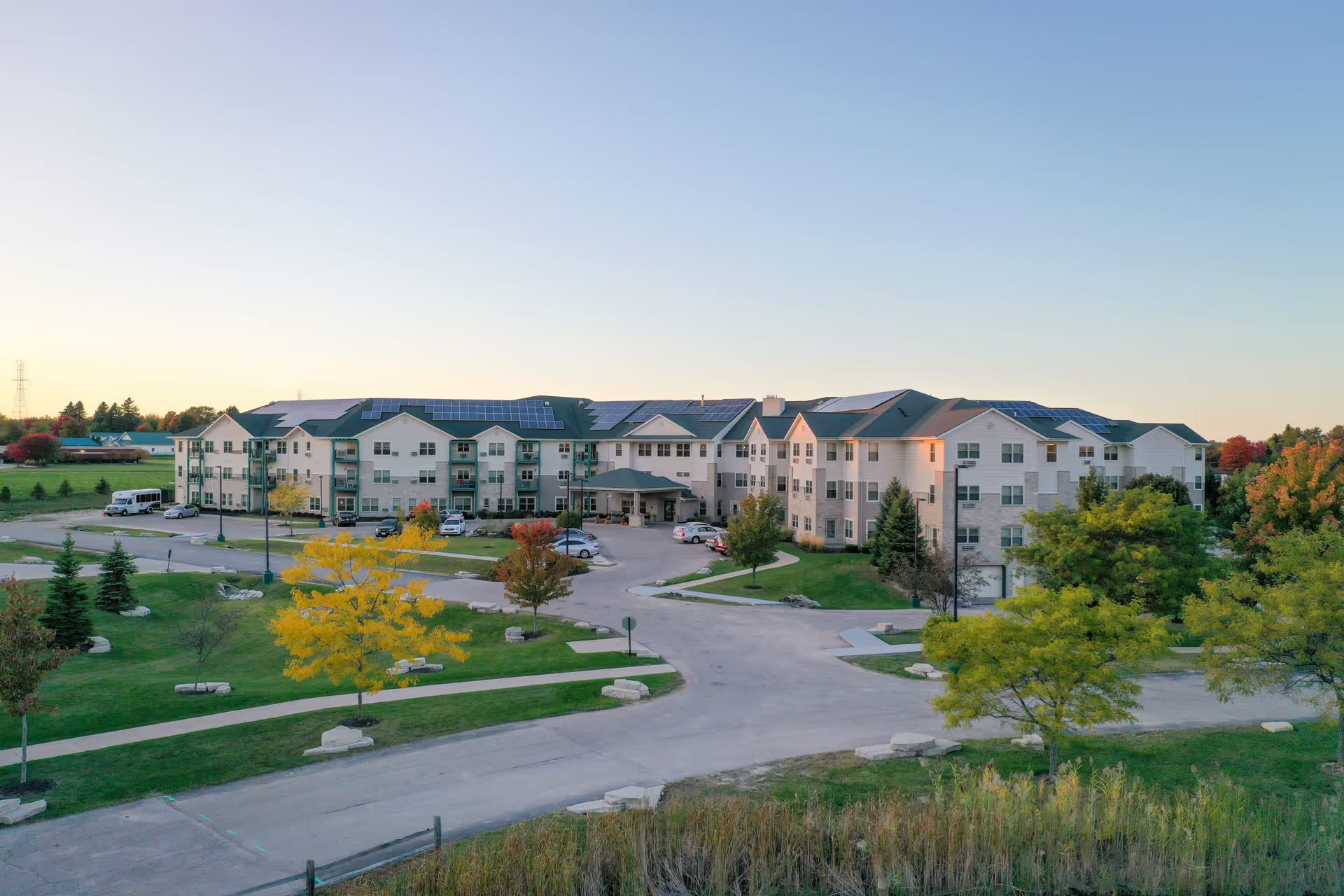
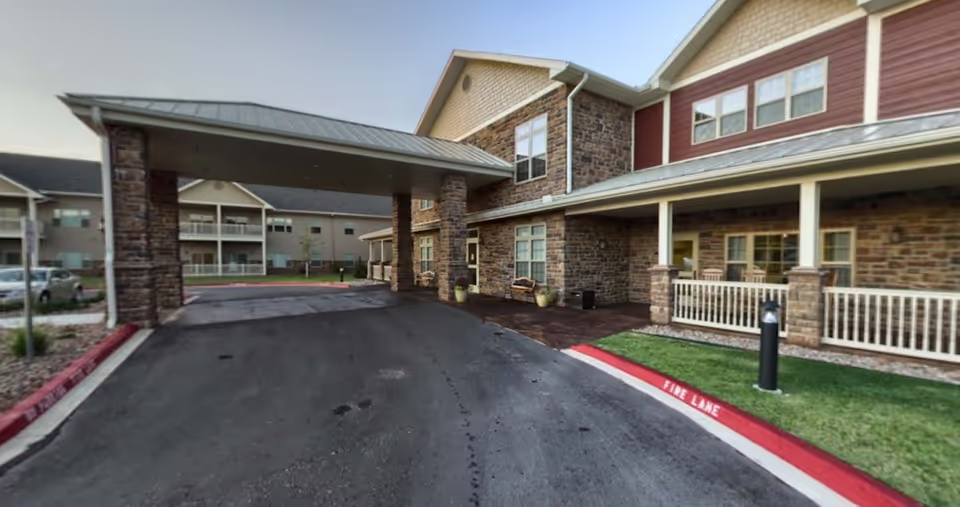
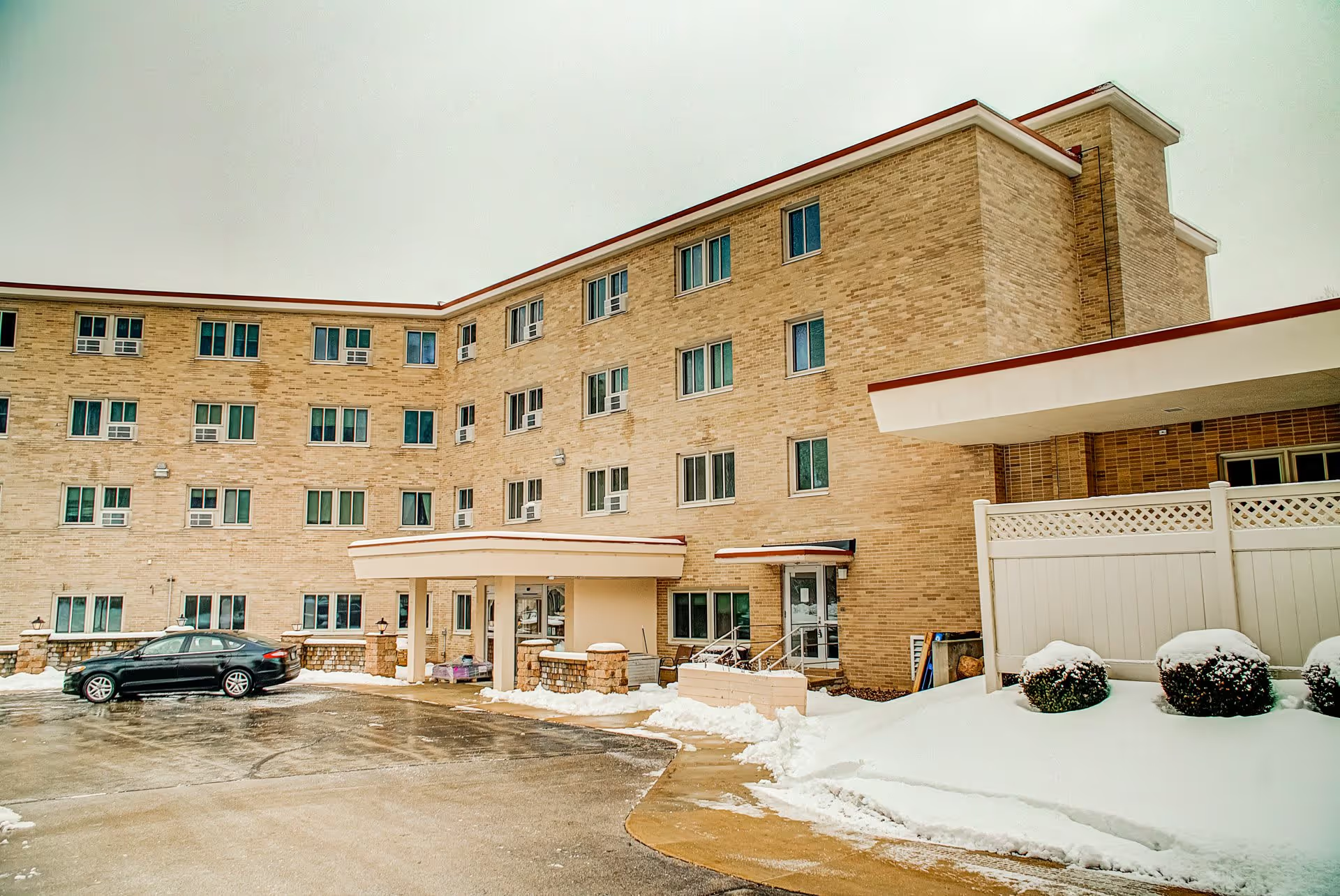
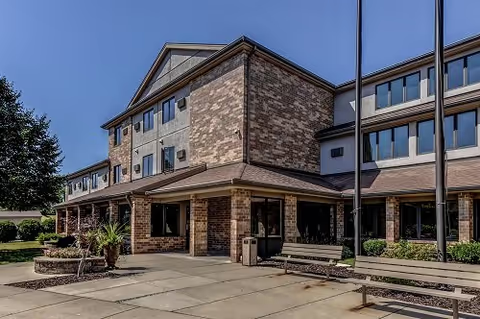
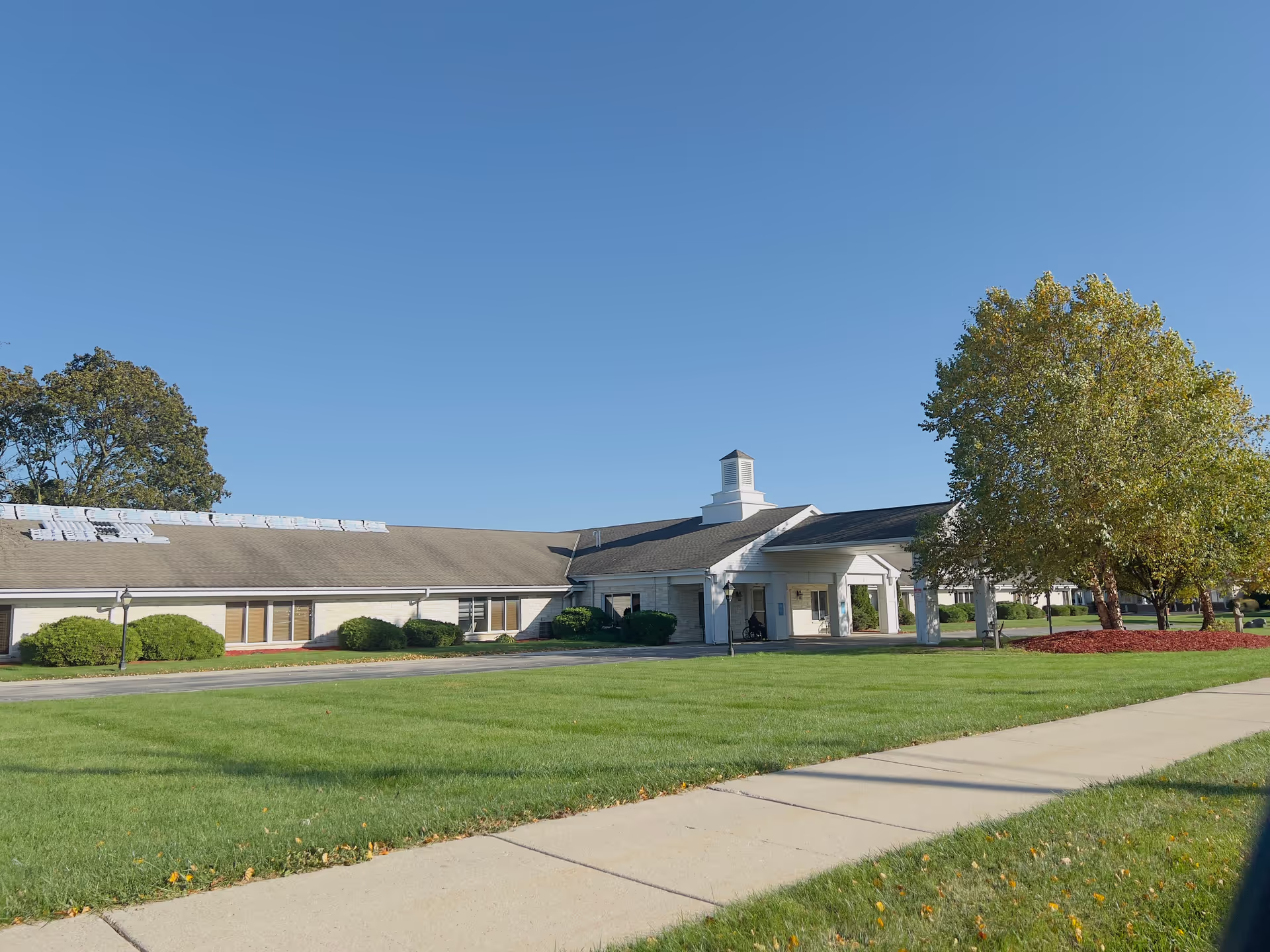
Facilities and campus: The property is noted for attractive grounds, mature trees, and ample natural light in rooms and common areas. Apartments are generally described as spacious with accessible bathrooms and walk-in closets. The building is older but appears well maintained, with periodic remodeling and amenity updates (salon, chapel, dining spaces). Reviewers do raise issues around deep-cleaning consistency and some outdated decor in areas pending renovation. There is also mention of active construction in the memory-care unit, which could affect noise and access during improvements.
Management, policies, and safety: Leadership receives mixed but often positive mentions—several administrators and managers are singled out for helpfulness and professional responsiveness. However, there are recurring operational concerns families should probe: the facility’s private-pay financial model and limited flexibility around Medicaid transitions have been associated with abrupt transfers in some cases. Safety and incident handling are another area to review closely; there are accounts pointing to inconsistent incident-response protocols, privacy/safety process gaps, and occasional problematic staff-resident interactions. Prospective residents and families should ask specific questions about memory-care staffing ratios, night-shift coverage, protocols for resident-to-resident incidents, deep-cleaning schedules, and financial-transition policies during tours.
Bottom line: St. Monica’s offers a strong, faith-based community with well-regarded staff, abundant activities, pleasant dining, and a comfortable campus environment that many families find restorative. The main caveats are operational: ensure clarity on memory-care staffing (especially overnight), the facility’s approach to deep-cleaning and sanitation, how non-care tasks are assigned, and financial policies affecting long-term payment transitions. For seniors and families prioritizing a warm community, active programming, and spiritual life, St. Monica’s appears to be a good fit provided these operational questions are addressed up front.