The reviews present a polarized picture of Cedarburg Health Services: many families and residents describe excellent clinical therapy, attentive nurses and CNAs, and engaged leadership, while others identify persistent operational weaknesses that affect day-to-day care.
Care quality and clinical services receive the most consistent praise for therapy and rehabilitation. The physical/occupational/speech therapy teams are frequently described as skilled, empathetic, and effective—with documented positive outcomes for stroke and brain-injury recovery. Nursing and CNA staff are also praised by numerous families as compassionate and attentive, and several accounts highlight successful transitions home and thorough Medicare/discharge support. At the same time, there are substantive concerns about reliability of basic care processes: chronic understaffing appears to contribute to long call-light response times, inconsistent hygiene assistance and bathing schedules, missed or delayed medication administration, and gaps in dementia/high-acuity safety practices (including availability of bed rails and motion alarms). These operational gaps have been associated with falls and other safety events in some accounts.
Staff and culture are described as a mixed picture. Many reviewers name administrators and social-service personnel as accessible, proactive, and helpful—cited by name for enrollment support, follow-up, and family communication—while other reviewers describe variable professionalism and unempathetic interactions from some frontline staff and social workers. This suggests uneven staff performance and possible training or supervision inconsistencies across shifts. Staffing shortages and morale issues (including concerns about staff pay) are recurring themes that likely contribute to variability in resident experience.
Dining and activities are similarly split. The activities program, led by a dedicated director, is frequently praised for offering spiritually uplifting programming, pet therapy, sing-alongs, and outings that enhance resident engagement and mood. Therapy dogs and an active schedule are clear strengths. Dining quality receives mixed feedback: some families note decent meals and an attentive kitchen team, while others describe missed substitutions, special-diet inconsistencies (notably diabetic-meal deviations), and variability in tray delivery.
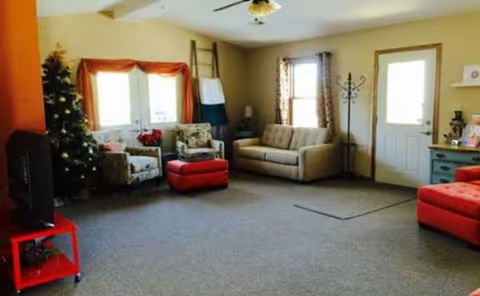
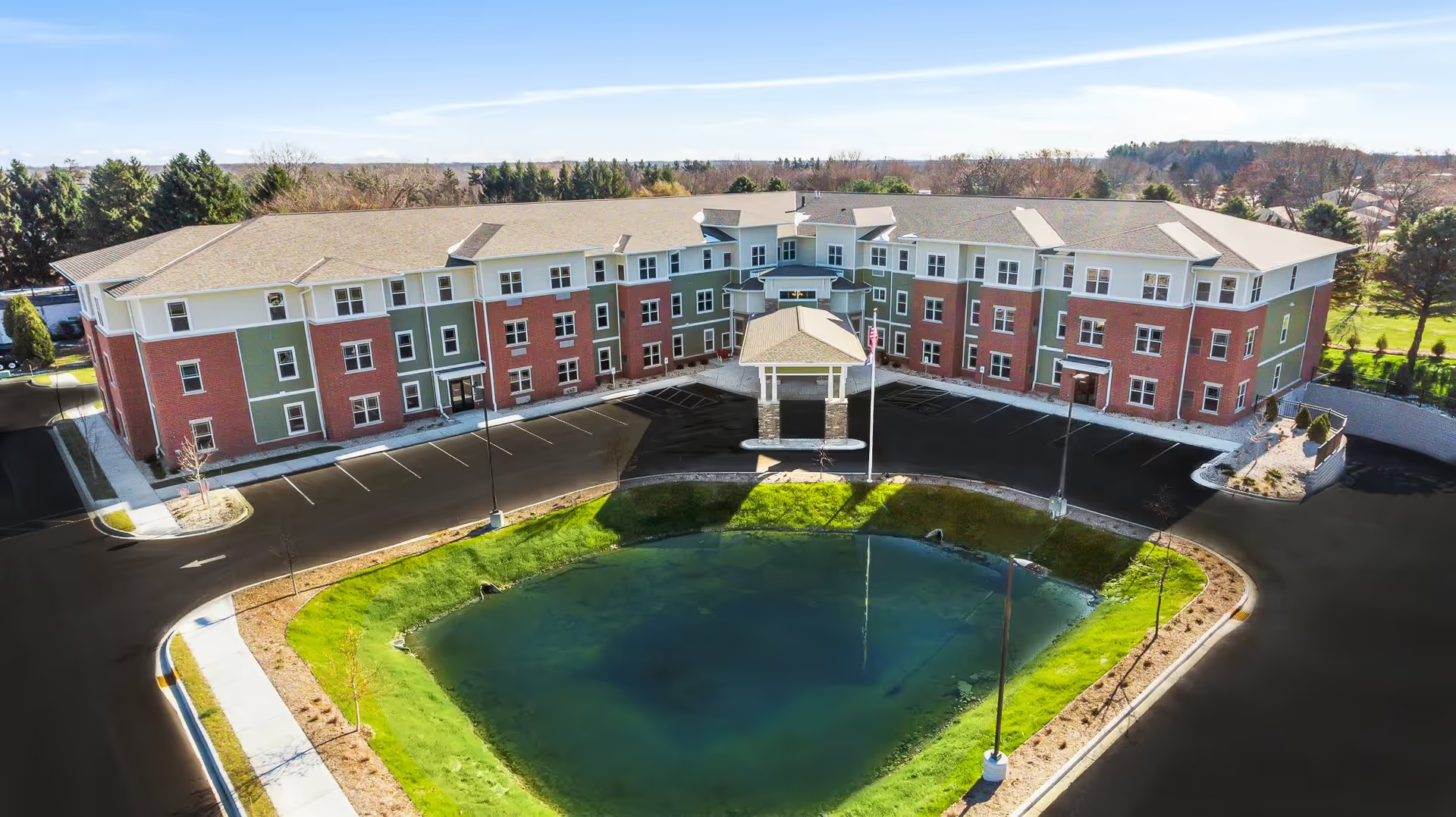
Facility condition and maintenance emerge as an important area for improvement. Multiple accounts cite sanitation and maintenance deficits in specific areas—bathrooms and fixtures, carpets and hallways, plumbing backups, and cluttered storage—that create odor concerns and a worn appearance. Conversely, some units and rooms are described as clean, bright, and homelike, indicating uneven facility upkeep rather than universal conditions.
Overall patterns suggest a facility with demonstrable clinical strengths—especially in rehabilitation and in pockets of compassionate nursing and administrative responsiveness—counterbalanced by operational weaknesses tied to staffing levels, maintenance, safety equipment availability, and consistency of daily-care practices. Prospective residents and families should weigh the strong therapy resources and engaged administrators against documented variability in frontline staffing, hygiene assistance, medication practices, and environmental maintenance. Asking specific questions about current staffing ratios, fall-prevention measures, medication protocols, dining accommodations, and recent maintenance or infection-control audits would help families assess whether the facility’s strengths align with an individual’s needs.