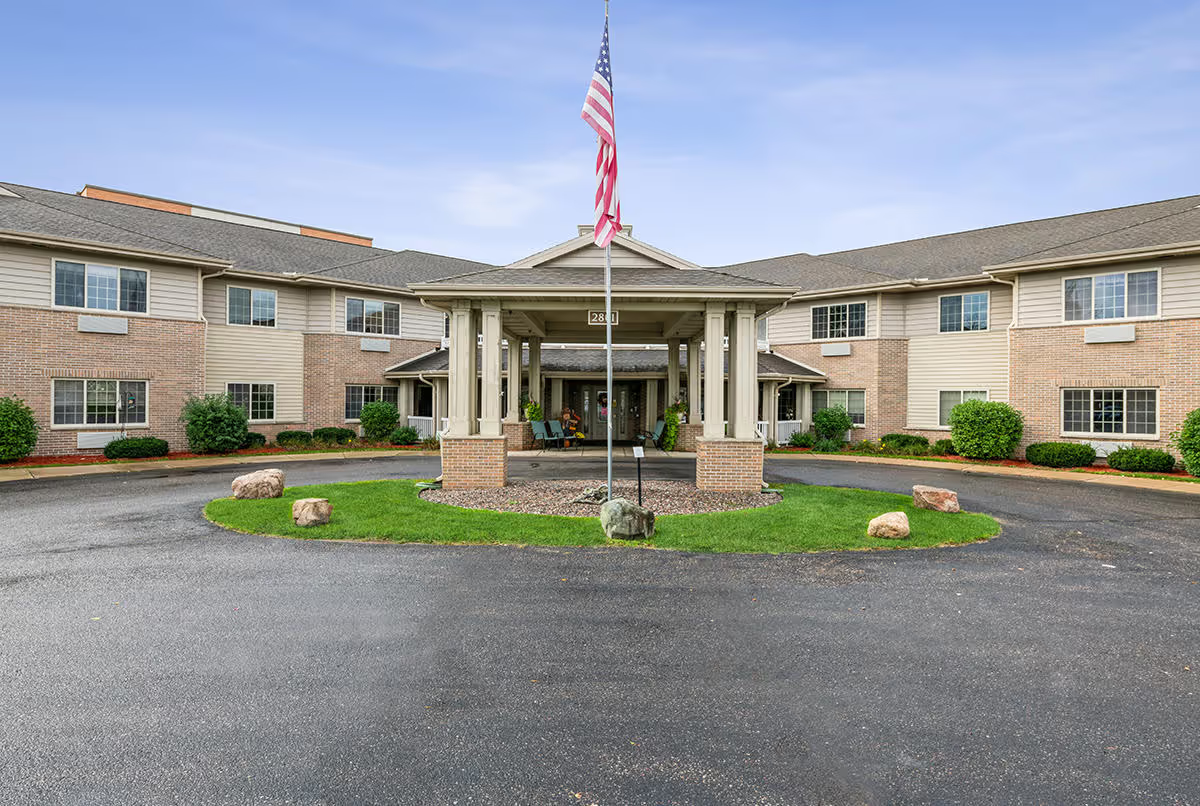
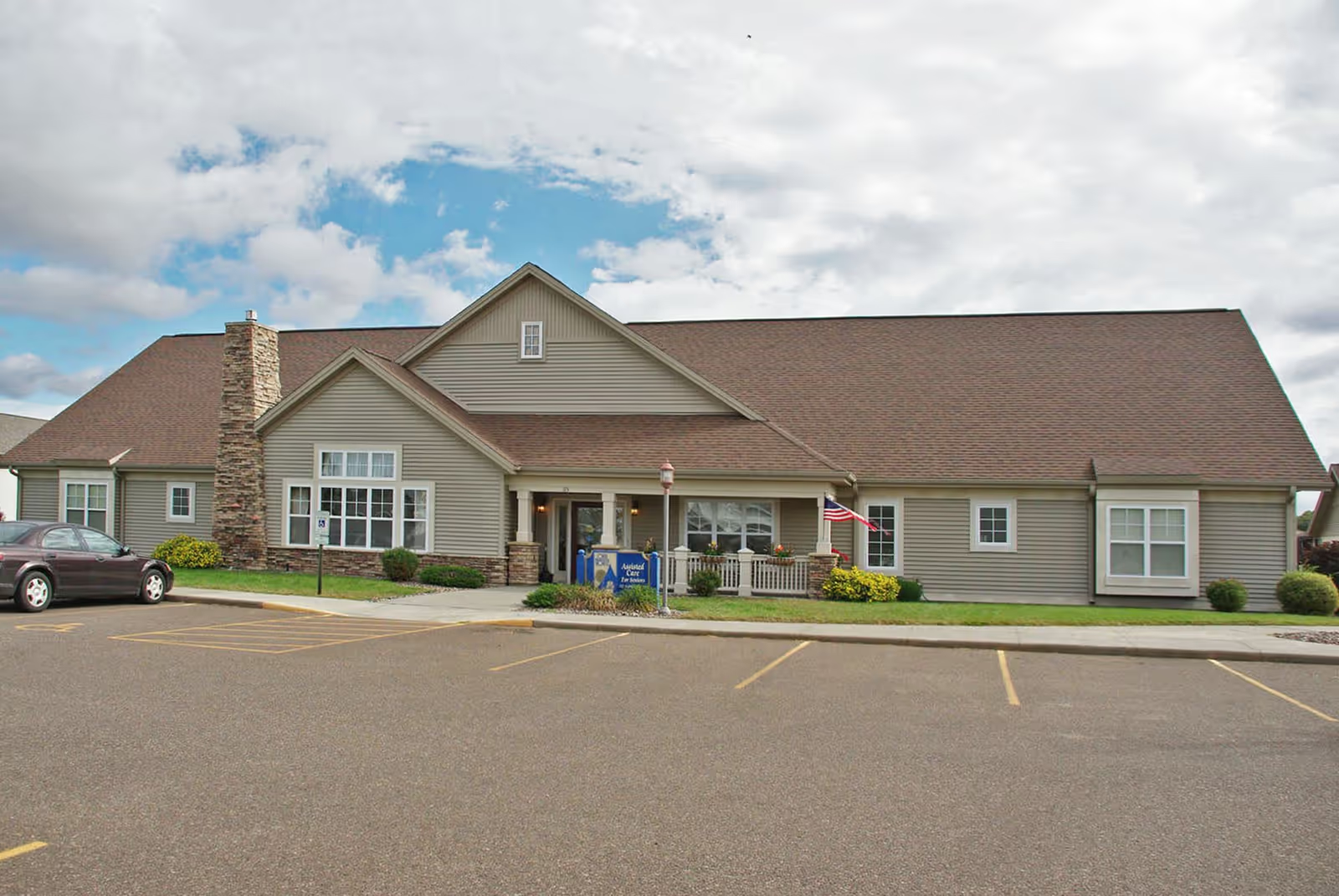
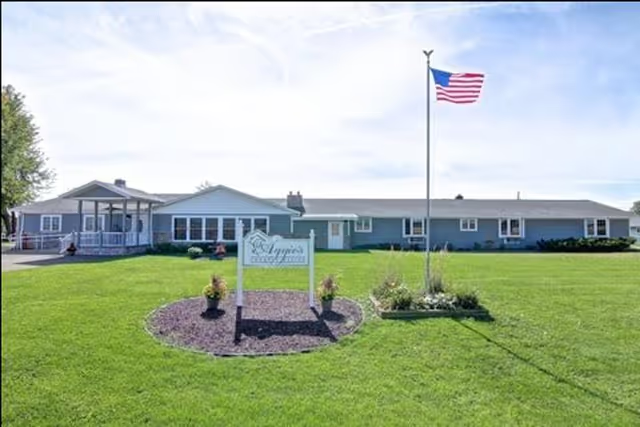
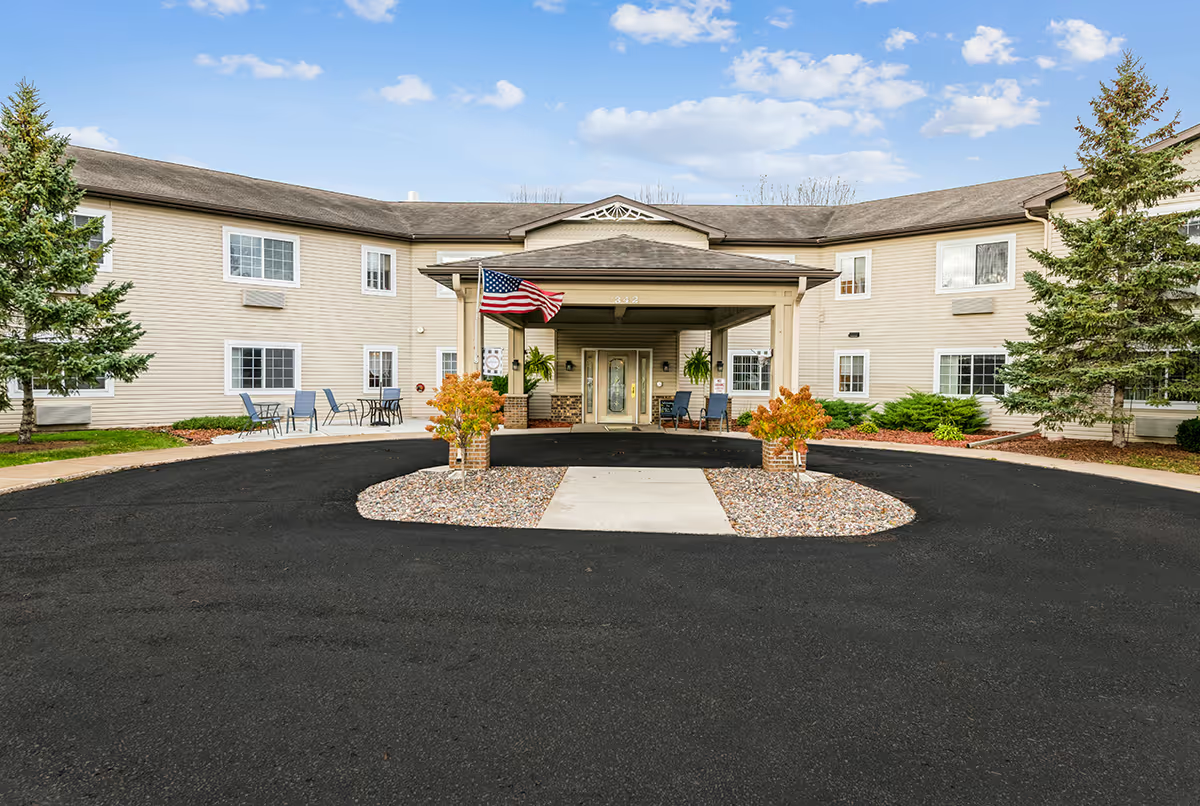
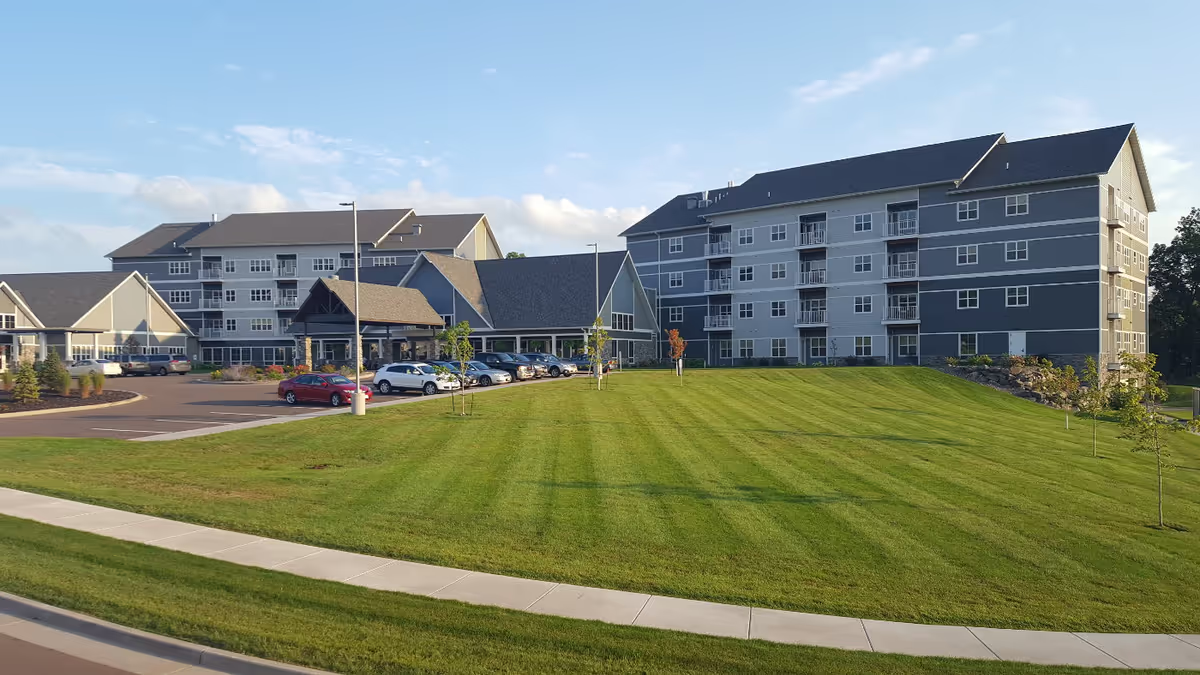
Reviews of this regional ventilator and rehabilitation center present a mixed picture. Many families and former residents praise the clinical and rehabilitative strengths: staff are frequently described as compassionate, professional, and invested in patient progress; therapy services (PT/OT) are noted as skilled, well-scheduled, and effective at achieving short-term rehabilitation goals, including timely returns home. The facility’s activities program, outdoor areas, and meal service are also cited as positives that contribute to residents’ comfort and quality of stay.
However, recurring operational weaknesses appear across reports. Staffing inconsistencies and apparent understaffing are associated with delays in attending to resident needs and uneven personal-care assistance (for example, irregular hygiene support). Several accounts describe interruptions to timely nourishment and hydration during transitions or hospice periods, which underscores gaps in continuity of care during high-acuity or end-of-life situations. There are also expressed concerns about clinical oversight and coordination between nursing, therapy, and ancillary services.
Administrative processes and communication are additional areas of concern. Reviewers describe failures in admission and bed-assignment workflows, paperwork not being forwarded promptly, and instances where arrivals were delayed or placements were reassigned. Family communication is uneven: while some families receive proactive updates, others report unreturned calls and poor follow-up. These administrative and communication gaps can compound clinical issues and increase family anxiety.
In summary, the facility demonstrates clear strengths in rehabilitation, therapy delivery, staff professionalism, and resident amenities such as meals and outdoor spaces. Those strengths are tempered by operational and communication challenges—notably inconsistent staffing, variable personal-care practices, interruptions in nourishment during care transitions, and unreliable admission/paperwork handling. Prospective residents and families should weigh the importance of aggressive rehabilitation and a welcoming environment against the facility’s administrative and responsiveness limitations; when possible, ask specific questions about staffing levels, care plans, admission paperwork workflows, and how the facility manages transitions and hospice care before making placement decisions.