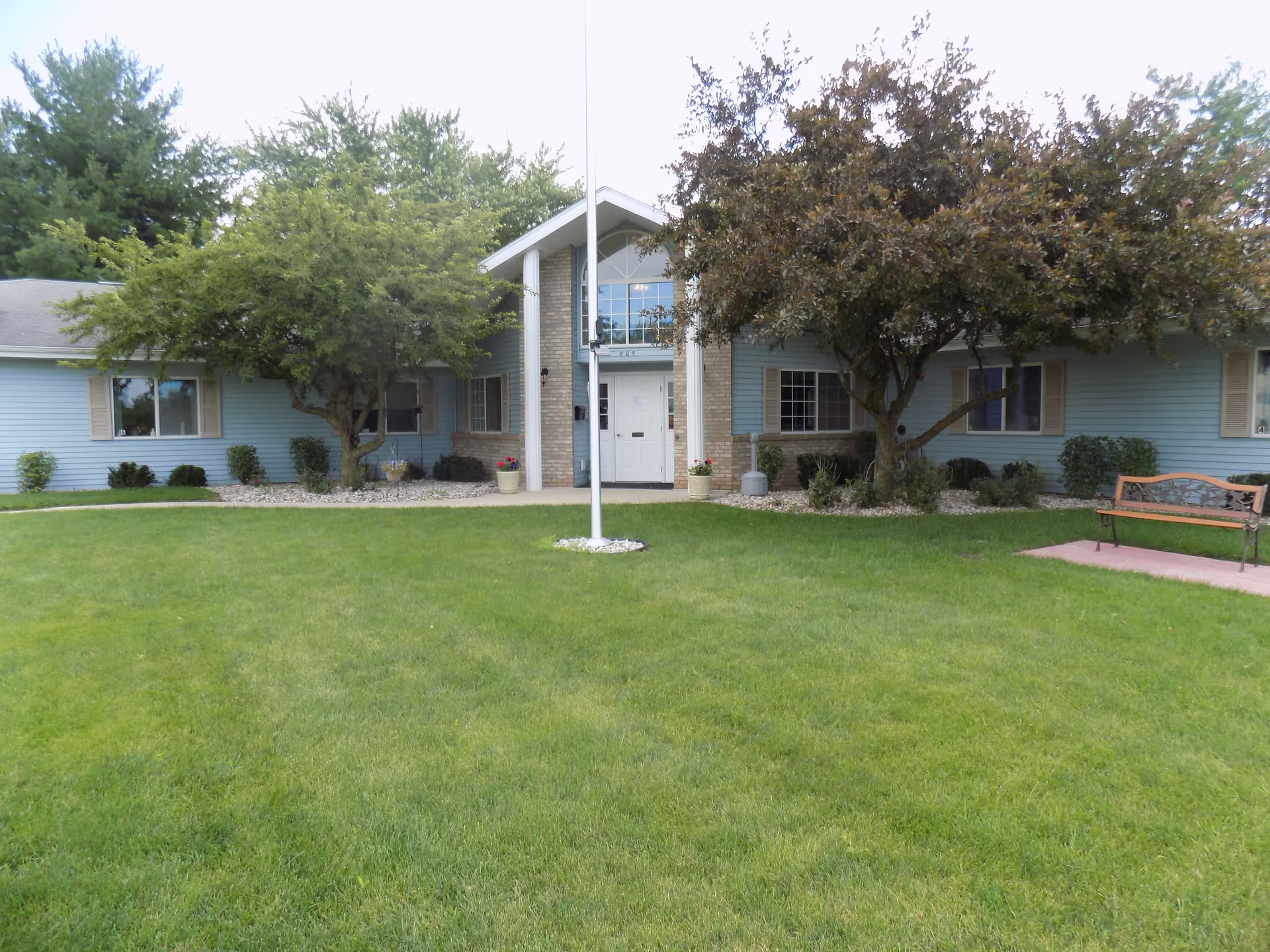
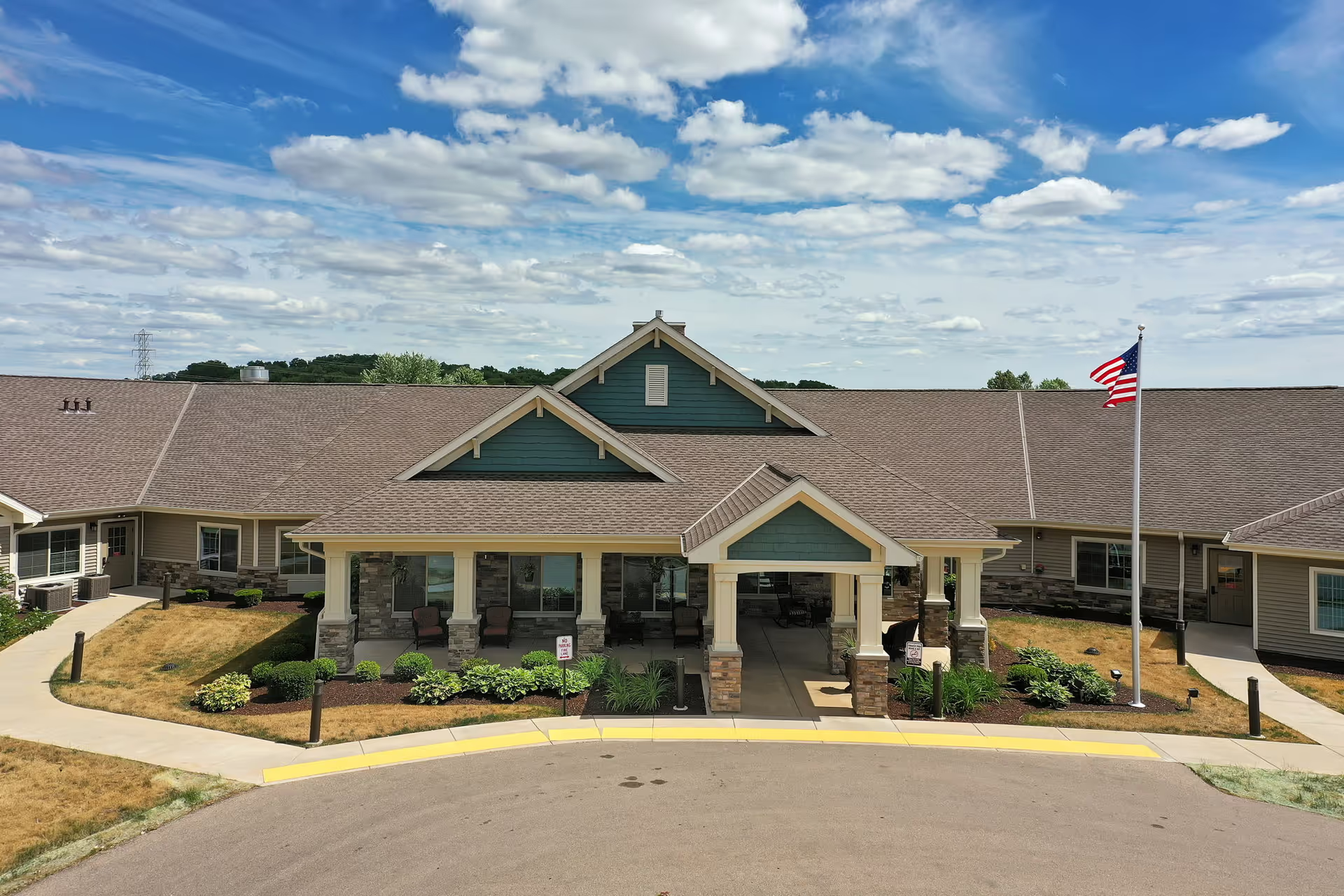
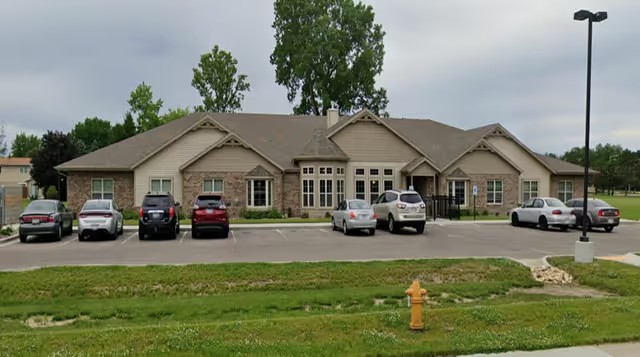
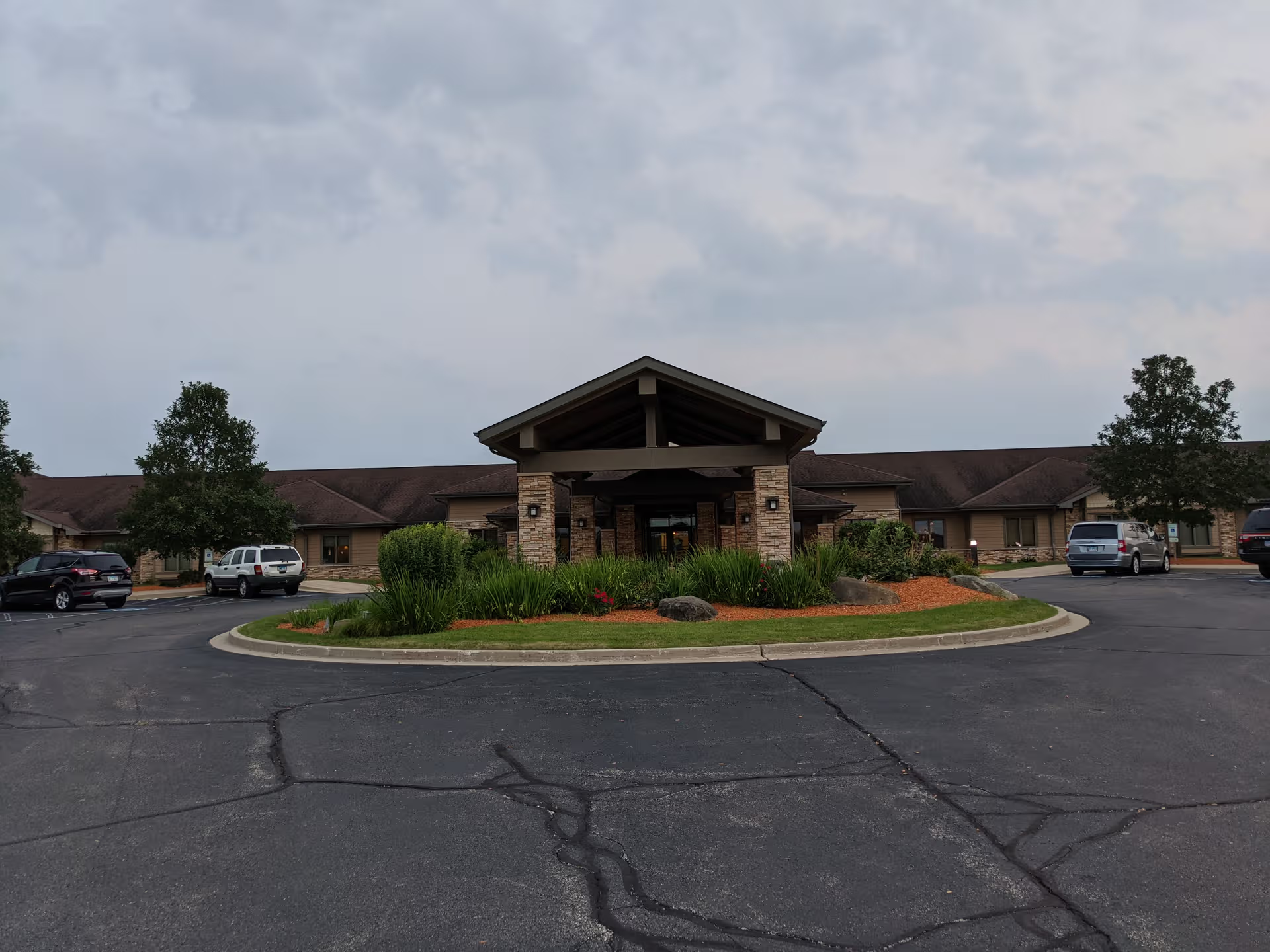
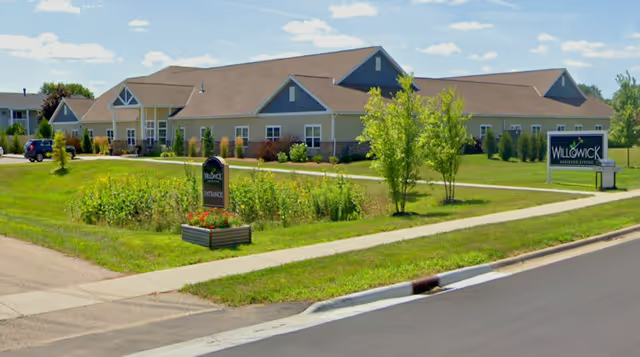
Willowick Assisted Living Clinton receives consistent praise for the day-to-day caregiving experience: reviewers commonly describe staff as compassionate, attentive, and family-oriented, with personalized attention and frequent updates that reassure relatives. Many families highlighted the facility’s home-like atmosphere, secure building layout, and attractive outdoor spaces and lounges, which together create a welcoming environment. The facility’s hospice partnerships and end-of-life support were noted positively, indicating capacity to coordinate with outside clinical providers when needed.
Dining and social programming are clear strengths. The on-site chef and meal program attract repeated commendation for quality and personalization, and reviewers frequently mention residents ‘‘eating well.’' Activities and social offerings are described as engaging, and common areas are generally characterized as clean and well maintained, supporting resident socialization and a comfortable day-to-day life.
Despite these operational strengths, several recurring operational concerns appear in the reviews. Staffing stability and internal communication are uneven: there are repeated observations of high caregiver turnover, low staff morale, and inconsistent messaging between administration, staff, and families. A specific clinical staffing gap cited is the absence of continuous on-site nursing coverage, which may affect perceptions of clinical responsiveness. Room configuration is another facility-level limitation — resident rooms are frequently described as small and lacking in-room amenities such as kitchenettes.
Financial and administrative issues also merit attention. Reviewers raised concerns about unclear fee structures, difficulties obtaining refunds, and at least one allegation of staff theft and related financial misconduct; there are also notes of regulatory attention or investigation. Cleanliness and sanitation were praised in many accounts but described as inconsistent in others, suggesting variable housekeeping standards in some areas. Finally, infection-control policies (notably restrictive visitation during COVID-19) were enforced in ways that some families found limiting. Prospective residents and families should weigh the facility’s strong caregiving culture and dining/program strengths against these operational weaknesses, and consider asking management for documentation on clinical staffing, fee/refund policies, recent regulatory findings, and current housekeeping and infection-control protocols before deciding.