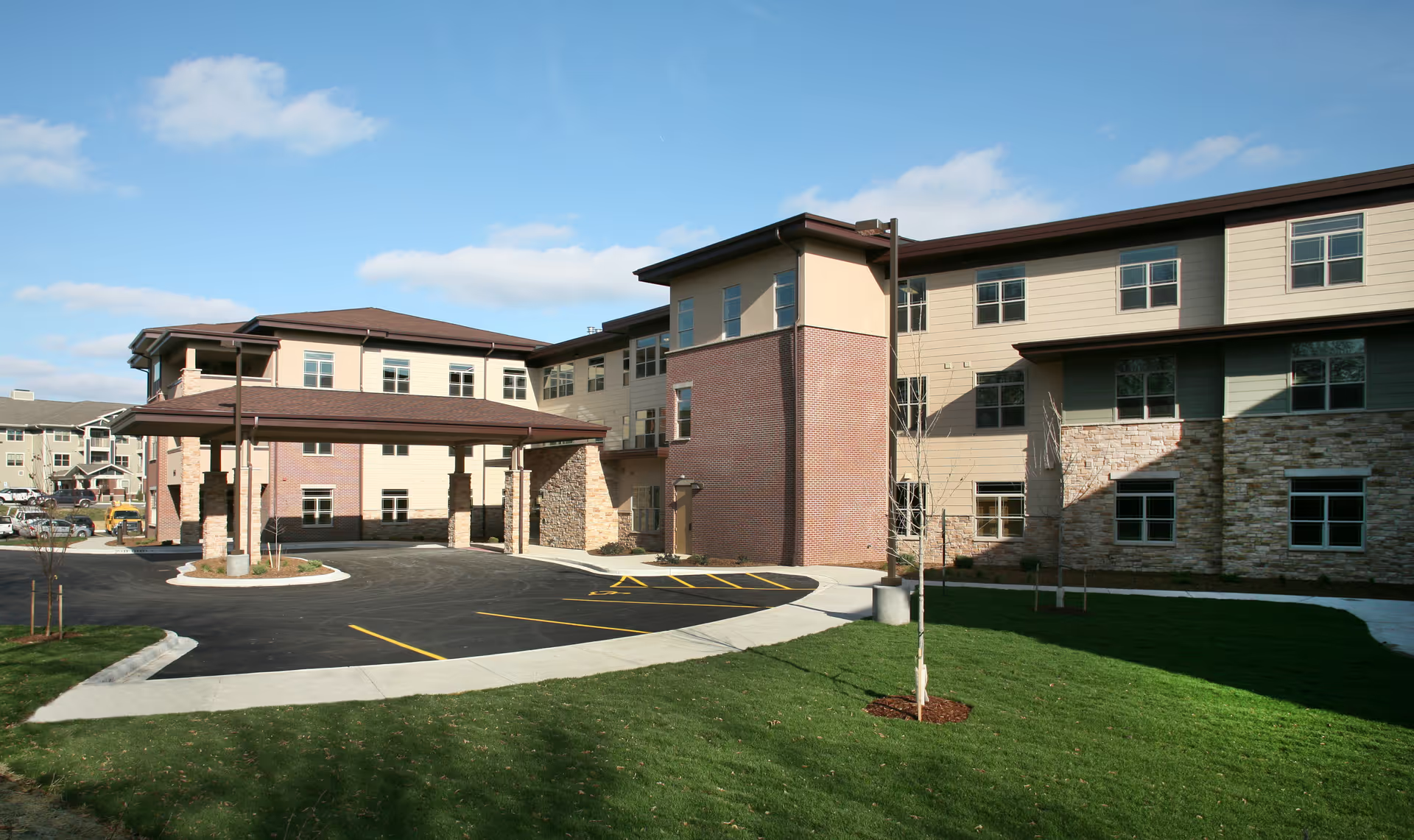
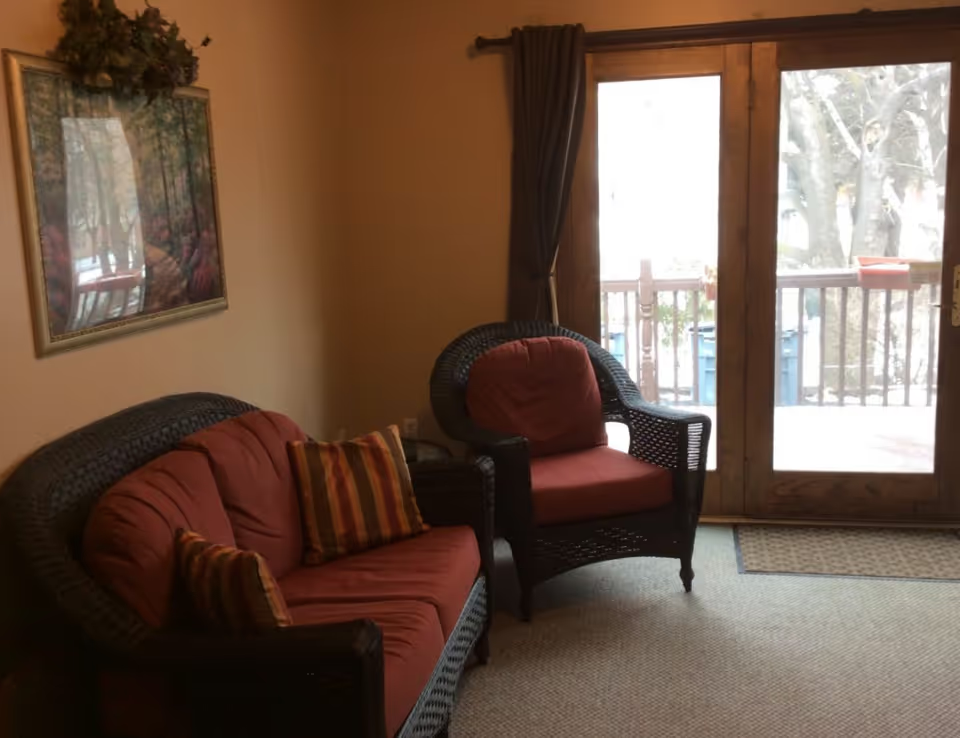
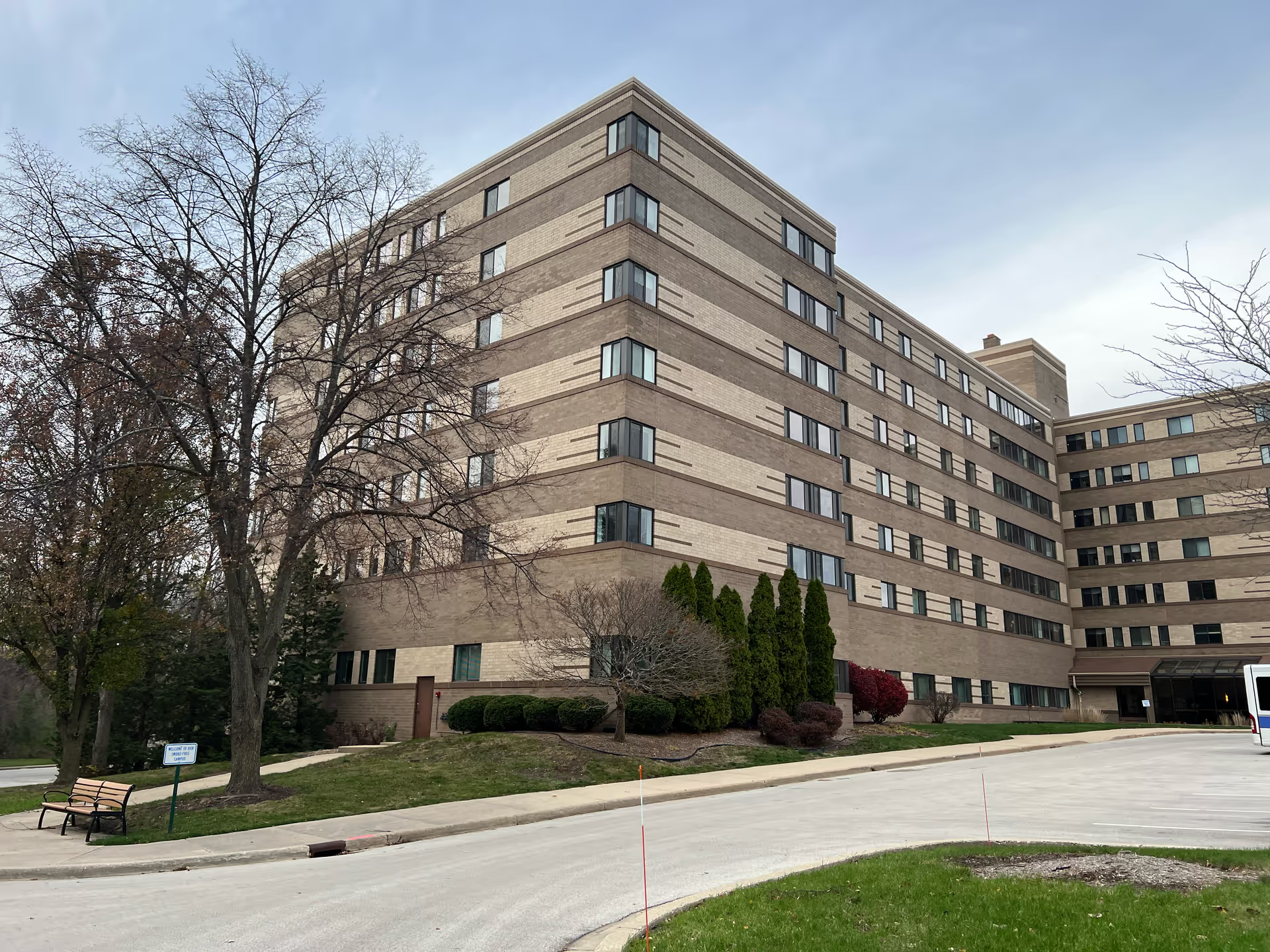
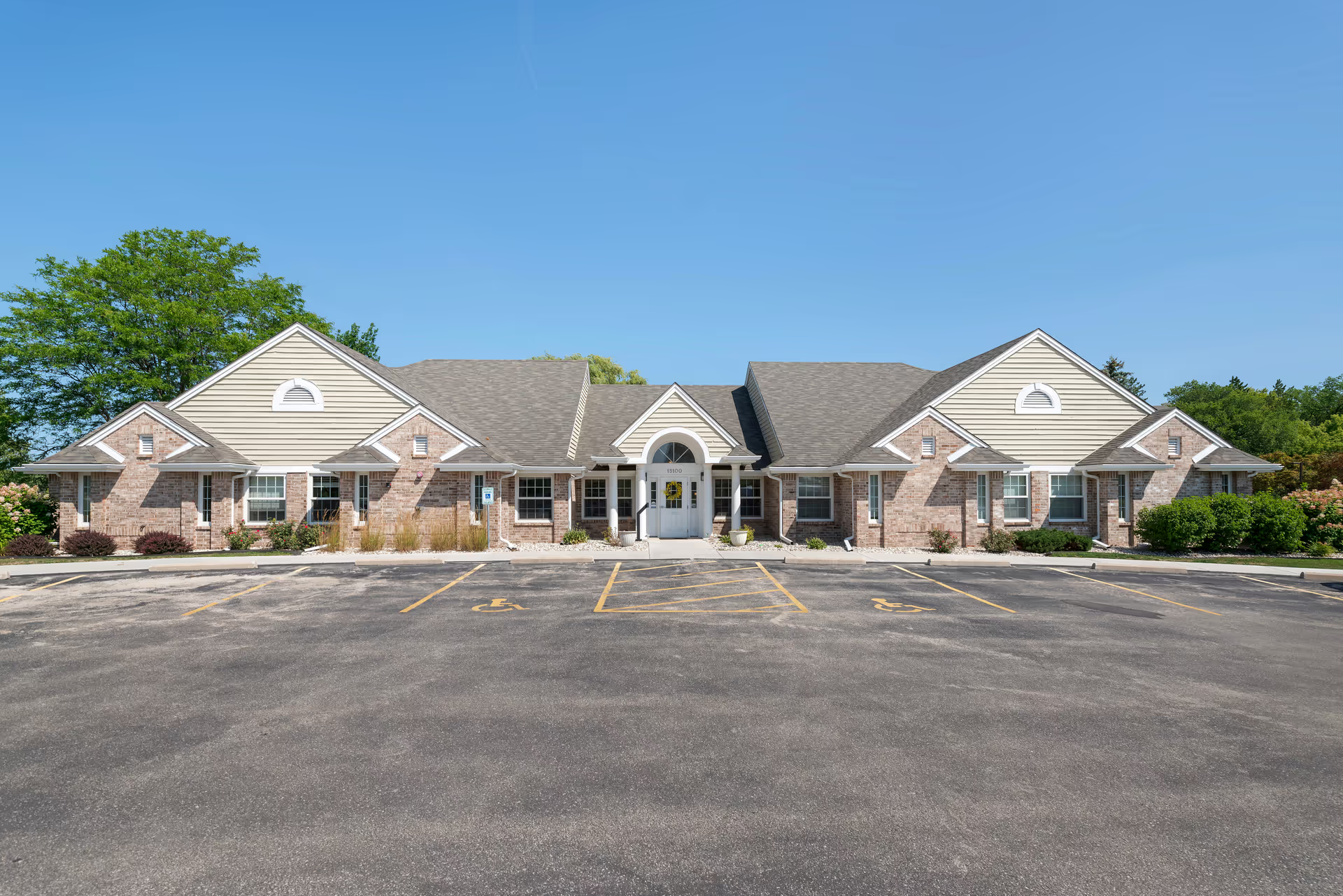
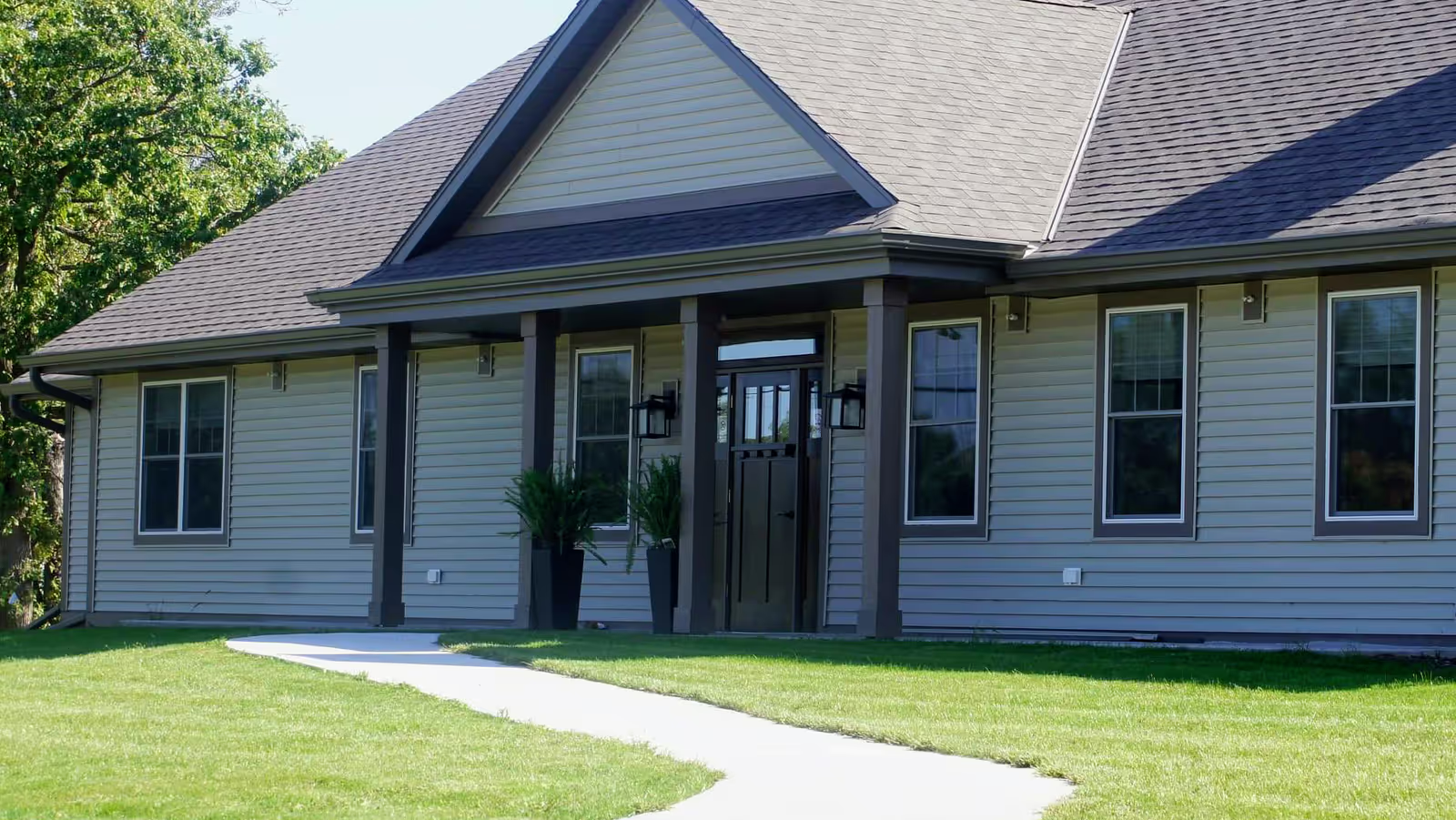
Heritage Assisted Living & Memory Care presents as a recently built, attractively appointed community with a broad set of on-site amenities. Physical spaces — including skylit common areas, courtyard patios, spacious apartments with kitchenettes, private bathrooms with grab bars, a bistro/pub, salon, and a small movie theater — are consistently highlighted as strengths. Many reviewers described the facility as clean and well maintained, and the layout and finishes support a residential, hotel-like atmosphere. The location offers convenient access to nearby shops and cultural venues, with pet-friendly policies and family-friendly spaces adding to the appeal.
Care quality elicits mixed impressions. A substantial body of feedback praises compassionate, attentive caregivers, specific nursing leaders, and effective physical-therapy services; these staff contribute to residents’ well-being and positive transitions for new move-ins. At the same time, recurring operational concerns include inconsistent staffing levels, high turnover, and observable gaps in clinical process reliability. Notable examples of these gaps are delays in responding to resident calls, uneven medication-administration practices, and occasional supply or safety-management lapses. Families described improvements where leadership was engaged and responsive, indicating that management practices materially influence care consistency.
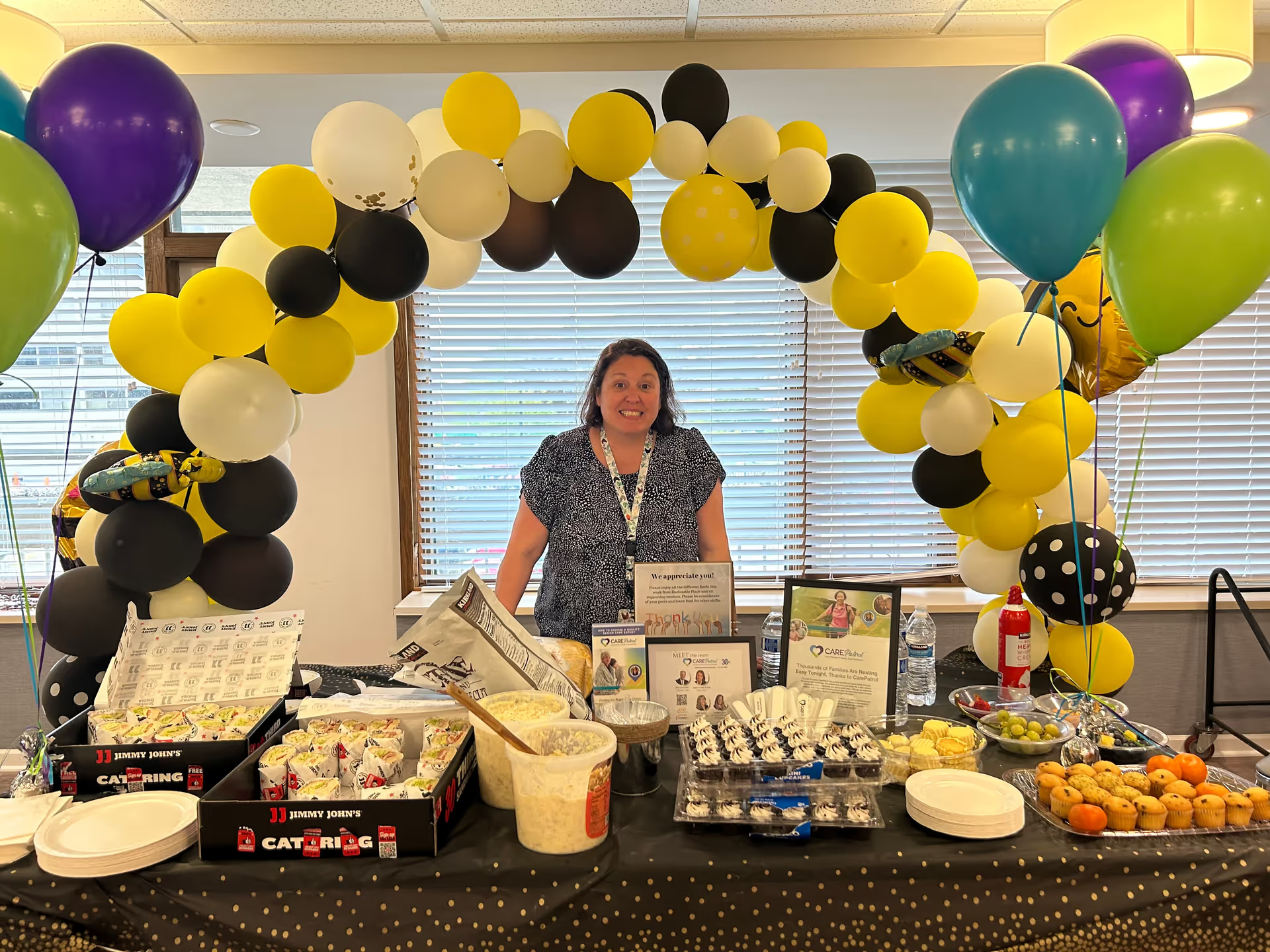
Dining and activities are other areas with divided experiences. The community offers multiple dining venues and a wide variety of programming — arts and crafts, music, happy hours, games, and trips — and some reviewers reported a robust, engaging calendar that supports social connection. Several reviewers also praised an attentive chef and the ability to accommodate special diets. Conversely, others described variability in meal temperature, portioning, and menu appeal over time, along with activity schedules that have at times been thin or unevenly targeted (notably in memory care and for male residents). Overall, programming appears to be active but in a phase of development and continuity that varies by unit and leadership.
Operational themes surfaced around housekeeping, communication, and leadership. Cleanliness and curb appeal are frequent positives, but there are also mentions of intermittent sanitation or odor concerns and inconsistent apartment-level housekeeping. Communication from staff to families ranges from proactive and transparent to insufficiently detailed about daily routines and status updates. Management turnover and promises that were not always followed through were cited by several families, although other accounts describe recent leadership improvements and positive director engagement. Cost and perceived value are frequent considerations; pricing is at the upper end of the market and several families questioned whether service reliability matched that cost.
In sum, Heritage offers an attractive physical environment and many of the service elements families seek in an assisted-living or memory-care community. The most important patterns to weigh are operational: staffing stability and training, medication and clinical-process controls, consistency of dining and housekeeping, and management follow-through. Prospective residents and families who value the facility’s amenities and layout should clarify care protocols, staffing ratios, medication procedures, and expectations for communication and activities during the tour and contracting process. Where leadership is actively engaged, reviewers noted measurable improvements; where gaps persist, families described the need for closer oversight and ongoing advocacy.