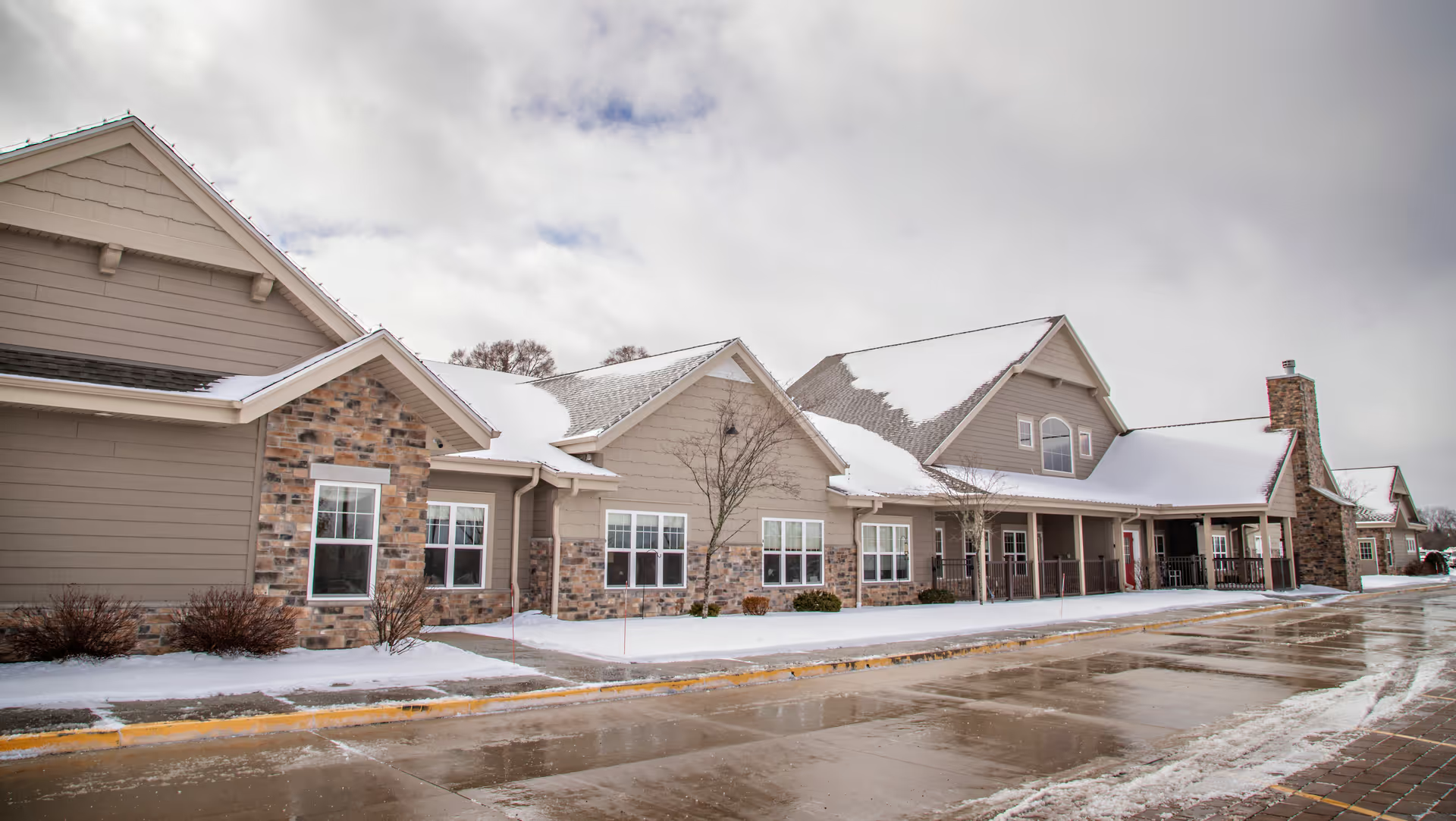
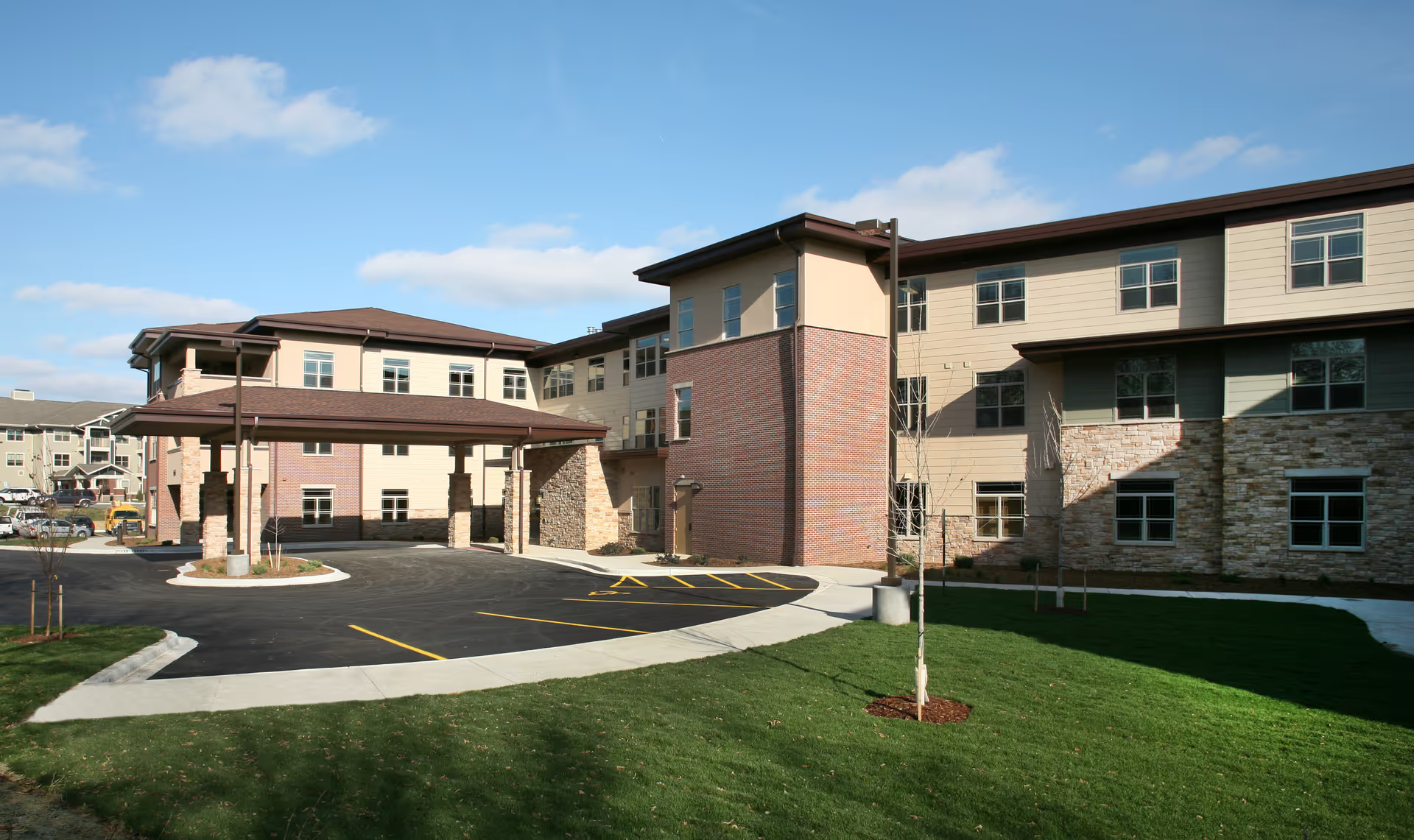
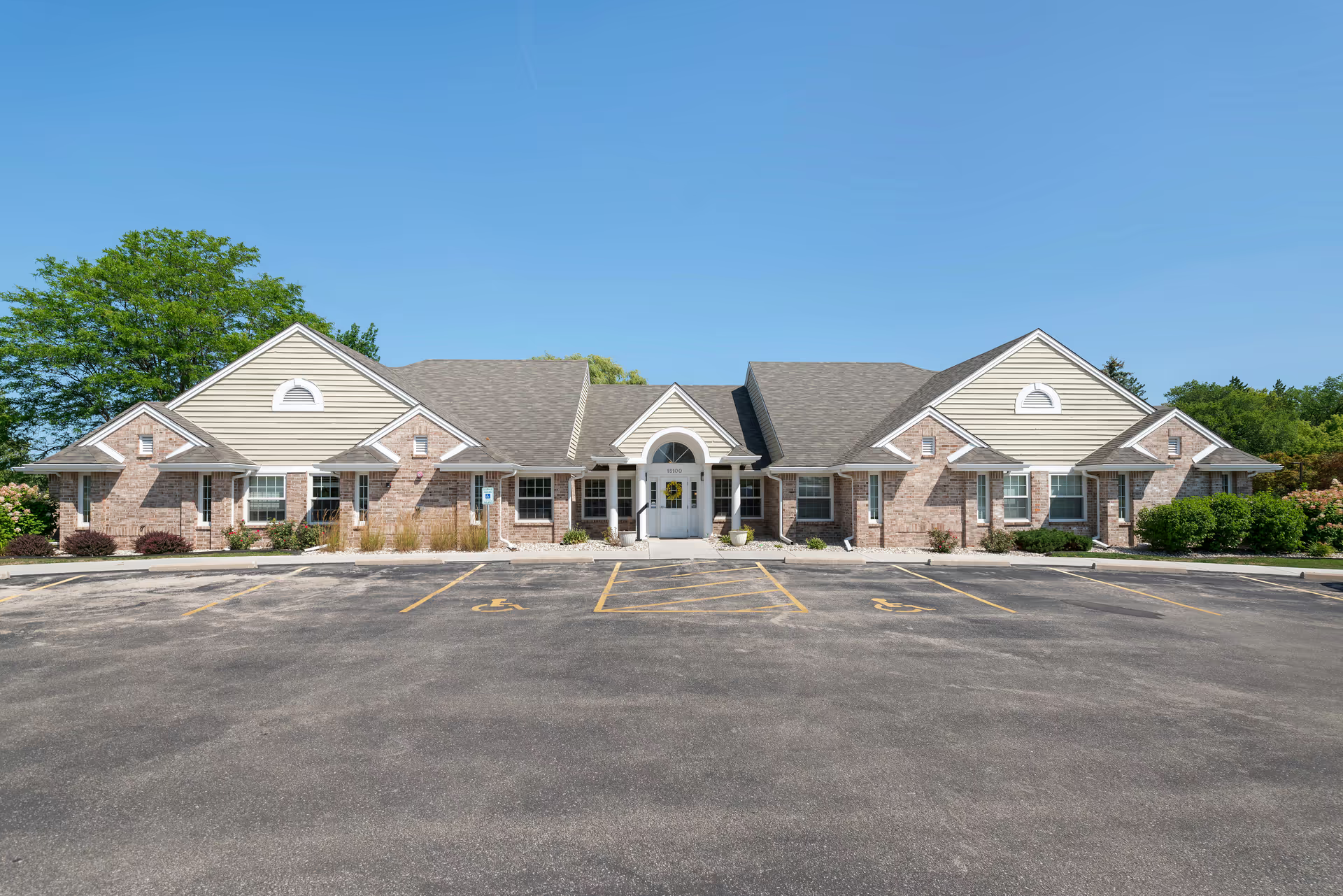
Overview: Auberge at Brookfield presents as a modern, well-appointed memory-care community with strong aesthetic and lifestyle features. Reviewers consistently describe an attractive, resort-like building with abundant natural light, a secure enclosed courtyard, on-site salon and dining areas, and a varied amenities program (music, putting green, piano, therapy animals). The facility's dining program and activity schedule are frequent highlights: an on-site chef, restaurant-style meal presentation, communal dining that supports socialization, and a broad calendar of engagement opportunities including live music, therapy pets, and outings.
Care and staff: Many families praise the caregiving staff as compassionate, personable, and attentive, and several notes indicate a capable clinical team with on-site nursing and competency in chronic-disease medication management (for example, diabetes). Staff members and certain leaders receive repeated commendations for personalized attention, family engagement, and a welcoming, home-like culture. However, there is a clear pattern of variability: the quality of care appears to fluctuate with staffing. Reviewers describe inconsistent staffing levels, high turnover, and a reliance on temporary or less-experienced personnel. Those operational traits correlate with reports of delayed responses to resident needs, weaker overnight and late-shift supervision, and gaps in how clinical incidents are handled and communicated to families.
Dining and activities: Dining is frequently cited as a strength — flavorful, well-presented meals prepared on-site, with opportunities for families to dine and for residents to socialize at mealtimes. The activity program is also robust, with meaningful engagement options and a proactive lifestyle team. Counterbalancing these positives are several accounts of limited entrée choices at times, occasional delays in meal service or assistance, and inconsistent accommodation of special dietary or feeding needs. Prospective families should verify menu variety and assistance protocols if dining support is important.
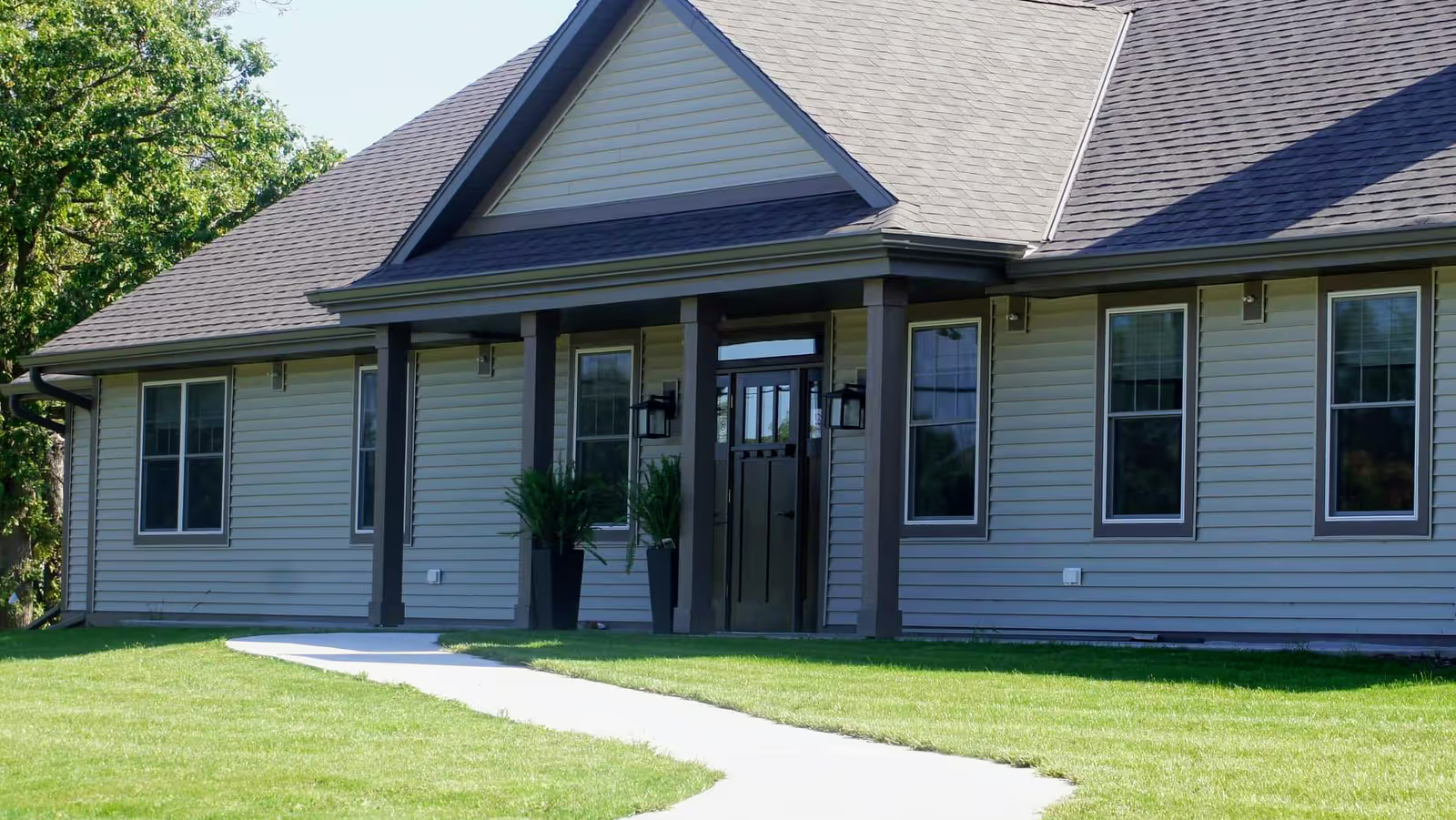
Facilities and safety: The building and grounds are described as clean, modern, and accessible, with secure entrances and an enclosed courtyard that supports outdoor activity. Notwithstanding these strengths, reviewers raised concerns about maintenance or enforcement of safety systems (door/alarm issues) and the operational consistency of supervision that affects resident safety. There are specific concerns around the shared-room model in memory care; families should weigh privacy and roommate-pairing policies against their loved one’s needs.
Management and operations: Several reviews highlight administrative responsiveness and helpful tours during the admissions process, and some staff leaders are singled out positively. At the same time, there are recurrent operational complaints: billing confusion, extra or unexpected charges, upselling of services, and rigid deposit/refund policies. Management changes or perceived leadership instability are also mentioned as factors that can affect day-to-day operations. Communication gaps between the facility and families about clinical incidents, hospice transitions, or billing issues are a consistent theme and merit careful pre-admission discussion.
Notable patterns and practical advice: Overall impressions are polarized—many families report excellent, family-like care, strong activities, and high satisfaction, while others report serious operational gaps tied to staffing, training, supervision, and administration. Prospective residents and families should arrange an in-person visit focused on operational details: ask about staffing ratios by shift (including nights and weekends), continuity of caregivers and use of agency staff, formal incontinence- and toileting-check protocols, emergency-response procedures and typical response times, maintenance of safety systems, memory-care roommate policies, and detailed written billing and refund terms. Verifying these points will help align expectations with the facility’s strengths and identify whether the current operational patterns meet the prospective resident’s clinical and safety needs.