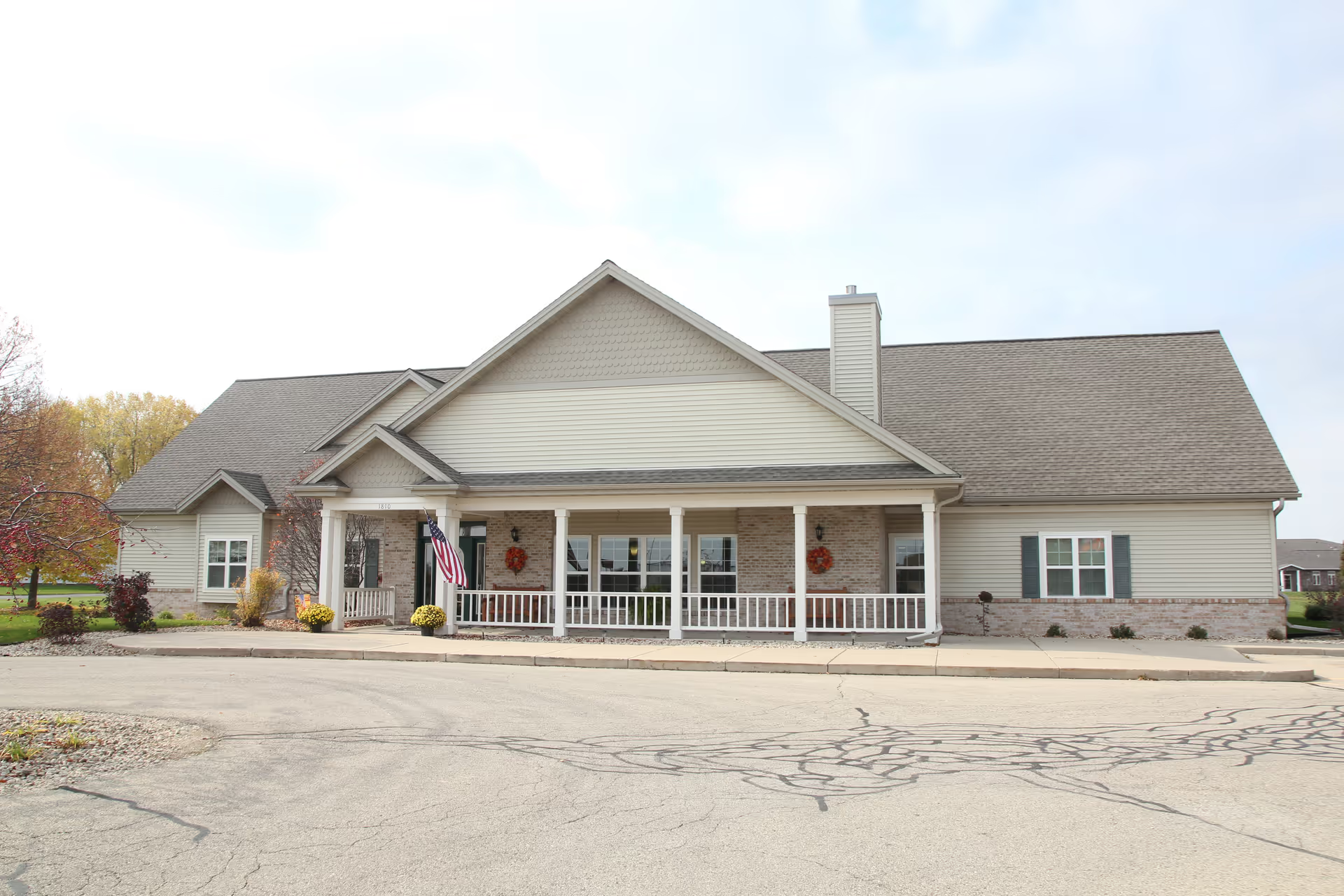
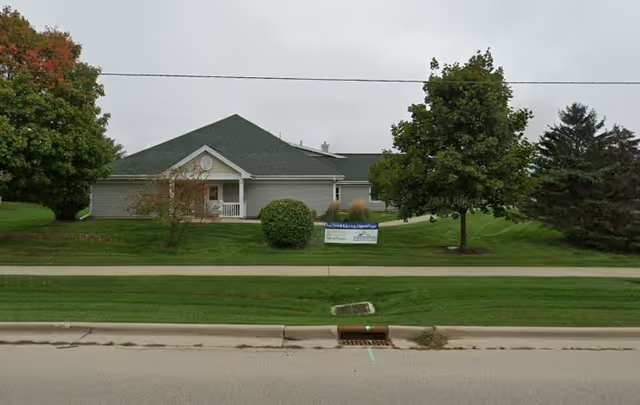
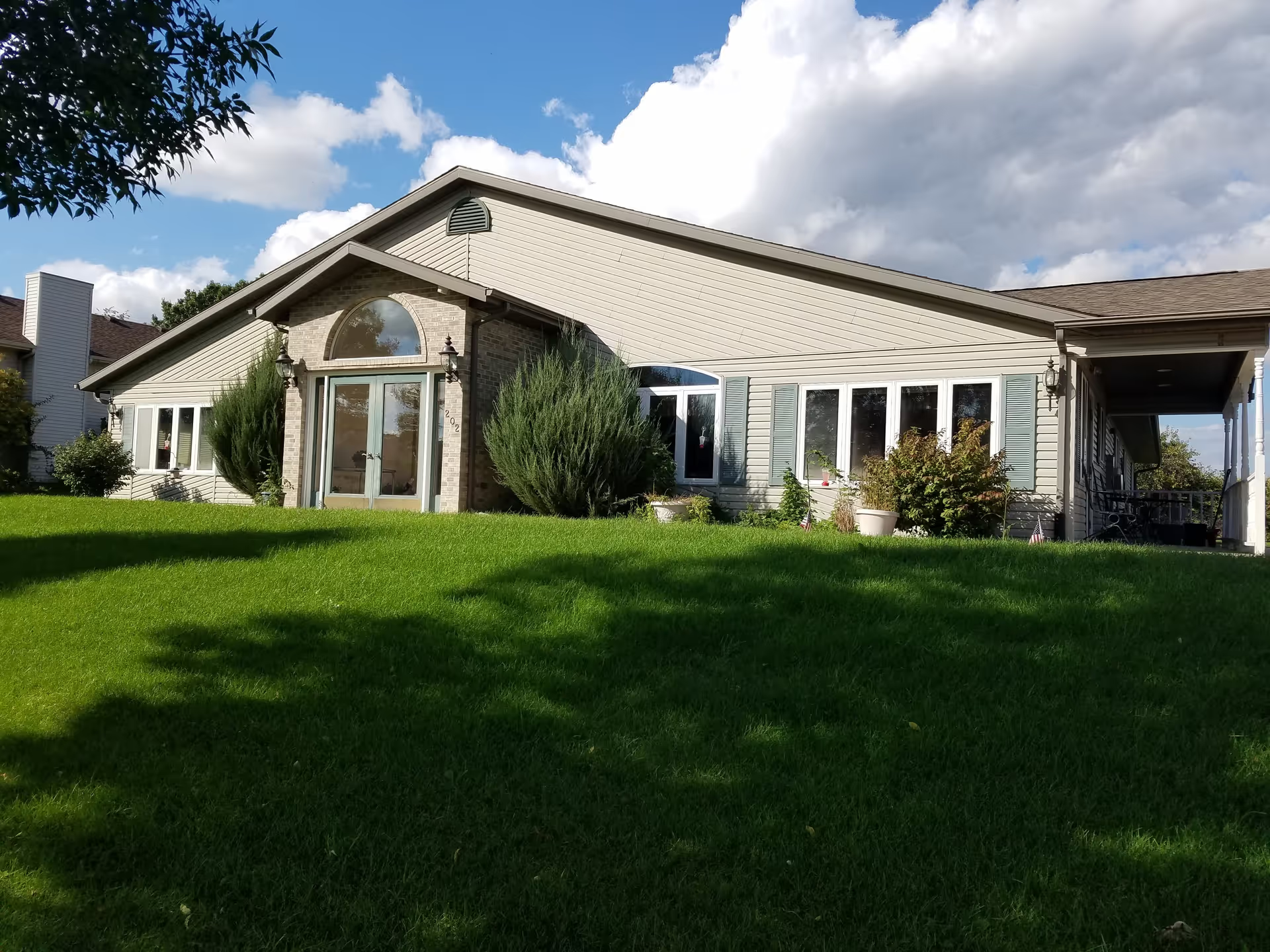
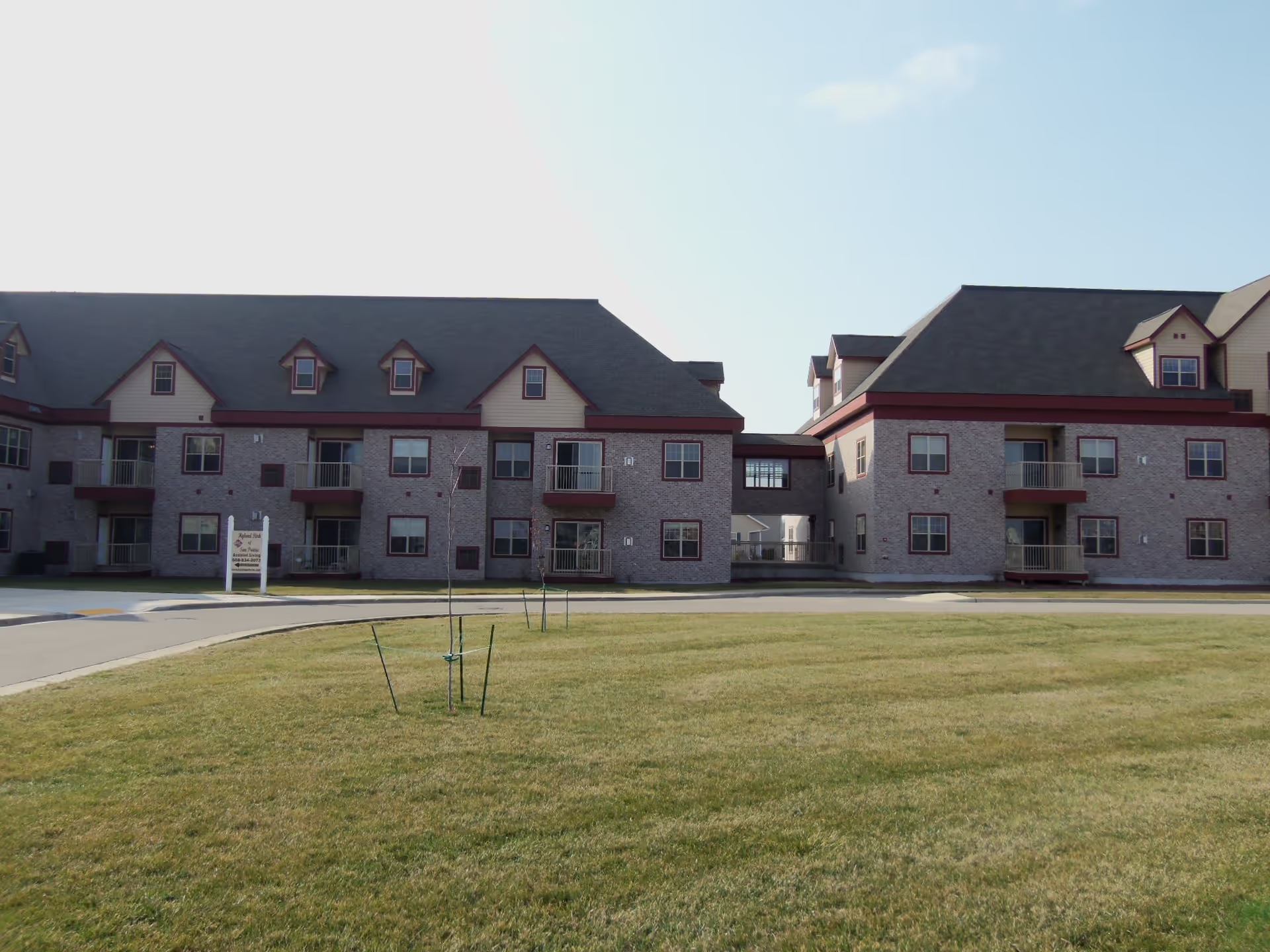
The Meadows of Fall River receives consistent praise for its caregiving staff, activity programming, and physical environment, while also showing recurring financial and operational concerns that families should assess before committing. Many reviewers emphasize compassionate, attentive caregivers, steady staffing, and a strong activities team that delivers bingo, exercise classes, musical events, movie nights, and family-oriented programming. The facility is frequently described as bright, well-maintained and modernized, with amenities such as a salon, library, movie theater, lounges and a separate memory-care unit. Dining is generally viewed positively, with multiple menu choices and capable kitchen staff; several families characterize food service as a strength of the community.
Care and staff: Staff-related feedback is a dominant positive: reviewers describe caring, patient, and helpful attendants, responsive nurses and directors, and frequent communication when it works well. Low staff turnover and engaged activity staff are seen as stabilizing factors. However, there are notable concerns about inconsistent communication and clinical follow-up in some cases — examples include delayed medication follow-up, lapses in family updates during critical periods, and problems surrounding transitions or end-of-life communication. These reports point to variability in responsiveness and care-coordination rather than a uniform pattern of performance.
Dining and activities: Meal service is often praised for variety and preparation, and the activities calendar is broad and community-oriented. Programming includes exercise classes, current-events discussion, external entertainers and regular social events that many residents and families enjoy. A subset of comments indicates occasional variability in meal seasoning or presentation and that some activity sessions can feel less engaging; prospective families may want to sample meals and observe activity sessions during a visit to judge consistency and fit.
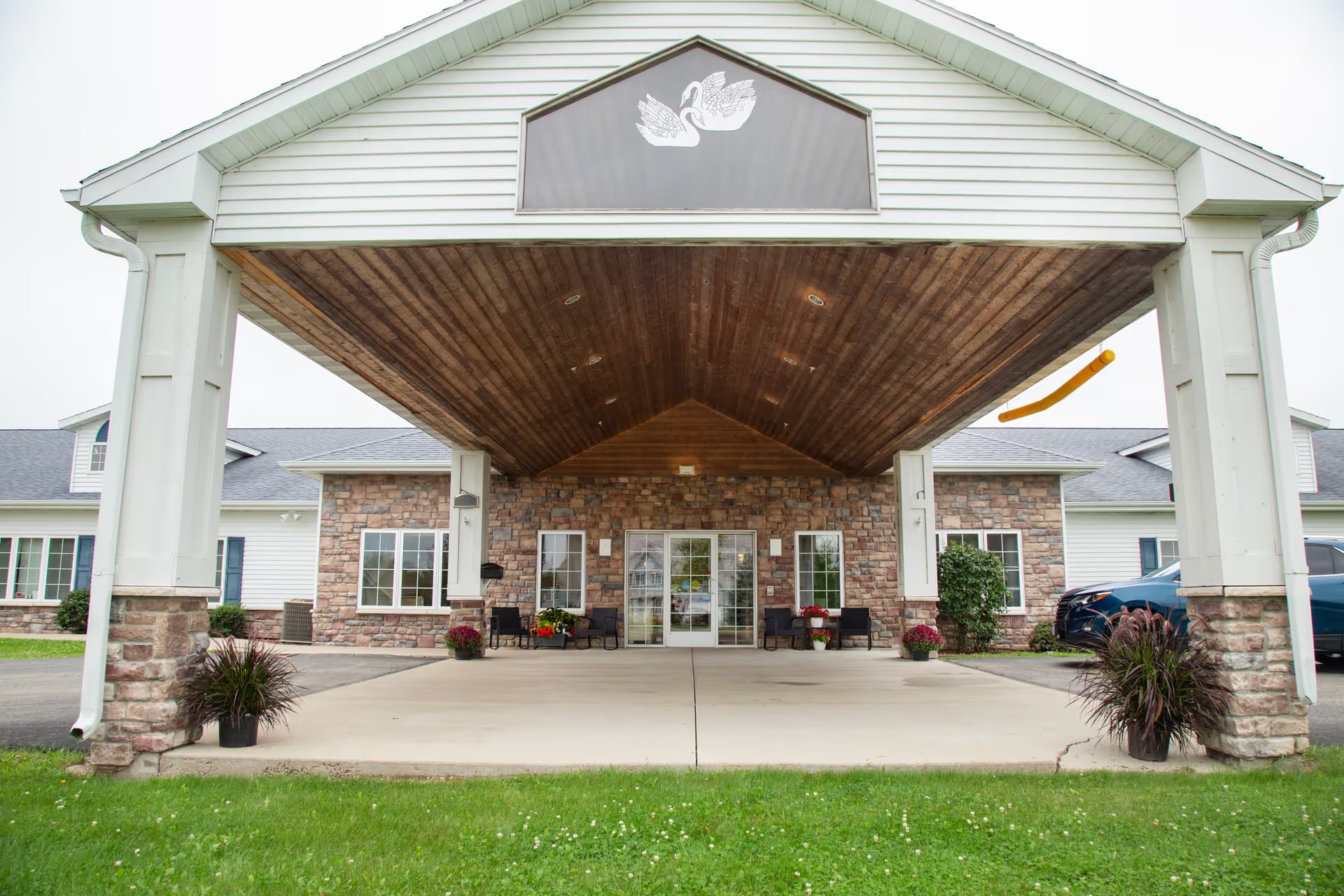
Facilities and environment: The building is commonly described as well kept, freshly painted and updated in many areas (including non-carpeted flooring for ease of cleaning). Apartments with large windows and plentiful common spaces contribute to a home-like atmosphere for many residents. At the same time, some reviewers describe parts of the memory-care unit as having a more institutional feel, and there are intermittent cleanliness or orderliness concerns in specific common areas. Several units have limited counter and bathroom space and may feel compact; location is relatively rural, which some families find less convenient.
Management, contracts and costs: Administrative responsiveness and management support receive favorable comments from numerous families, including proactive communication and helpful move-in assistance. Counterbalancing those positives, a strong and recurring theme is financial strain: reviewers cite high out-of-pocket costs, frequent rate increases, and changes in Medicaid acceptance or placement policies. There are also isolated accounts that indicate contractual or placement-process problems and gaps in handling resident belongings during transitions. These items suggest prospective residents should review contract terms carefully, ask about historical rate-change practices, confirm current Medicaid policy, and clarify procedures for placement and property handling.
Bottom line: The Meadows of Fall River offers a lot that families value — attentive staff, active programming, good meals, and a well-maintained facility with useful amenities. At the same time, variability in communication and clinical follow-up, occasional cleanliness and space constraints, and significant financial predictability concerns are recurring themes. Prospective residents should tour the memory-care areas, observe staff–resident interactions and activities, sample a meal, and obtain written contract terms and current policy statements (including rate-increase history and Medicaid acceptance) before deciding.