Overall impression: Reviews indicate a facility with many strong elements — notably a caring, warm culture among direct-care staff, spacious and bright accommodations, active social and spiritual programming, and generally well-maintained common areas and grounds. Numerous families praised individual caregivers and leadership figures for compassion, practical support, and clear communication. At the same time, there is a clear pattern of operational weaknesses that families should evaluate further before placement.
Care and staff: The dominant positive theme is staff compassion and attentiveness; reviewers frequently described caregivers who provide dignified, personal care and coordinate well with families. Many also singled out effective teamwork and supportive directors. Offsetting this, reviewers describe inconsistent staffing levels (including night shifts) and variability in staff training and clinical competency. These operational gaps are linked to delayed responses to call bells, long waits for assistance, difficulties getting through by phone, and occasional failures in medication timing or supply management. Families should ask about current staffing ratios, night coverage, call-response protocols, and medication administration procedures.
Dining and activities: The community offers an active calendar — musical groups, chapel services, holiday events, and other social programming were frequently praised. Meals receive mixed feedback: several reviewers called the cafeteria-style food appealing and plentiful, while others noted inconsistent quality, small portions, and occasions when residents did not receive expected meal assistance. There are also mentions of meals not being monitored consistently. Prospective families may want to sample menus, ask about meal-assistance policies, and review how the facility monitors dining for residents who need help.
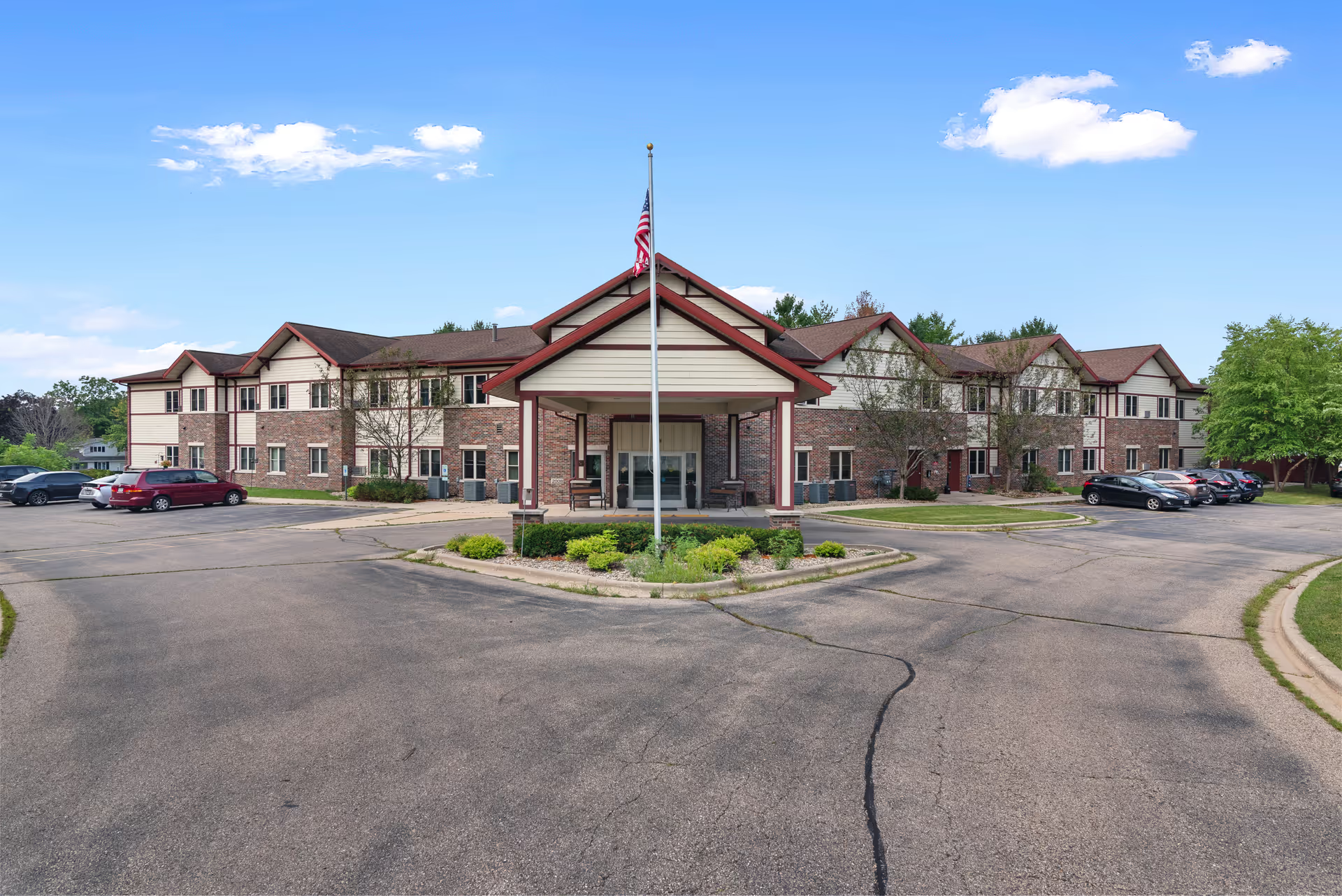
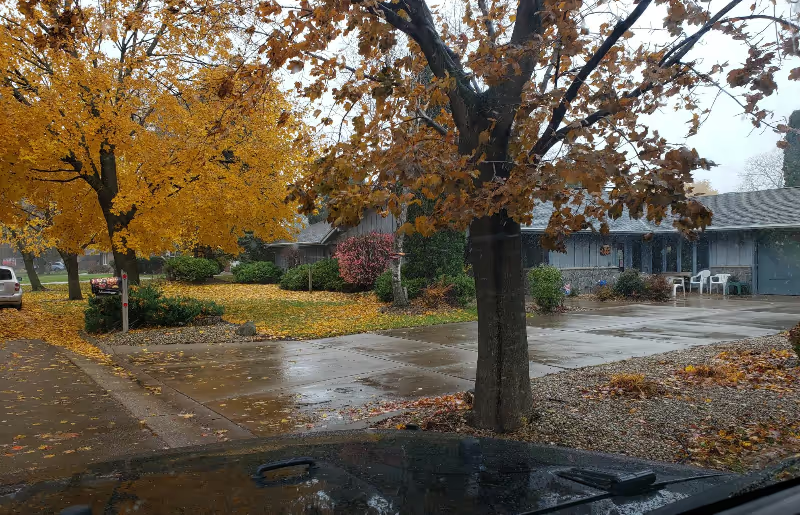
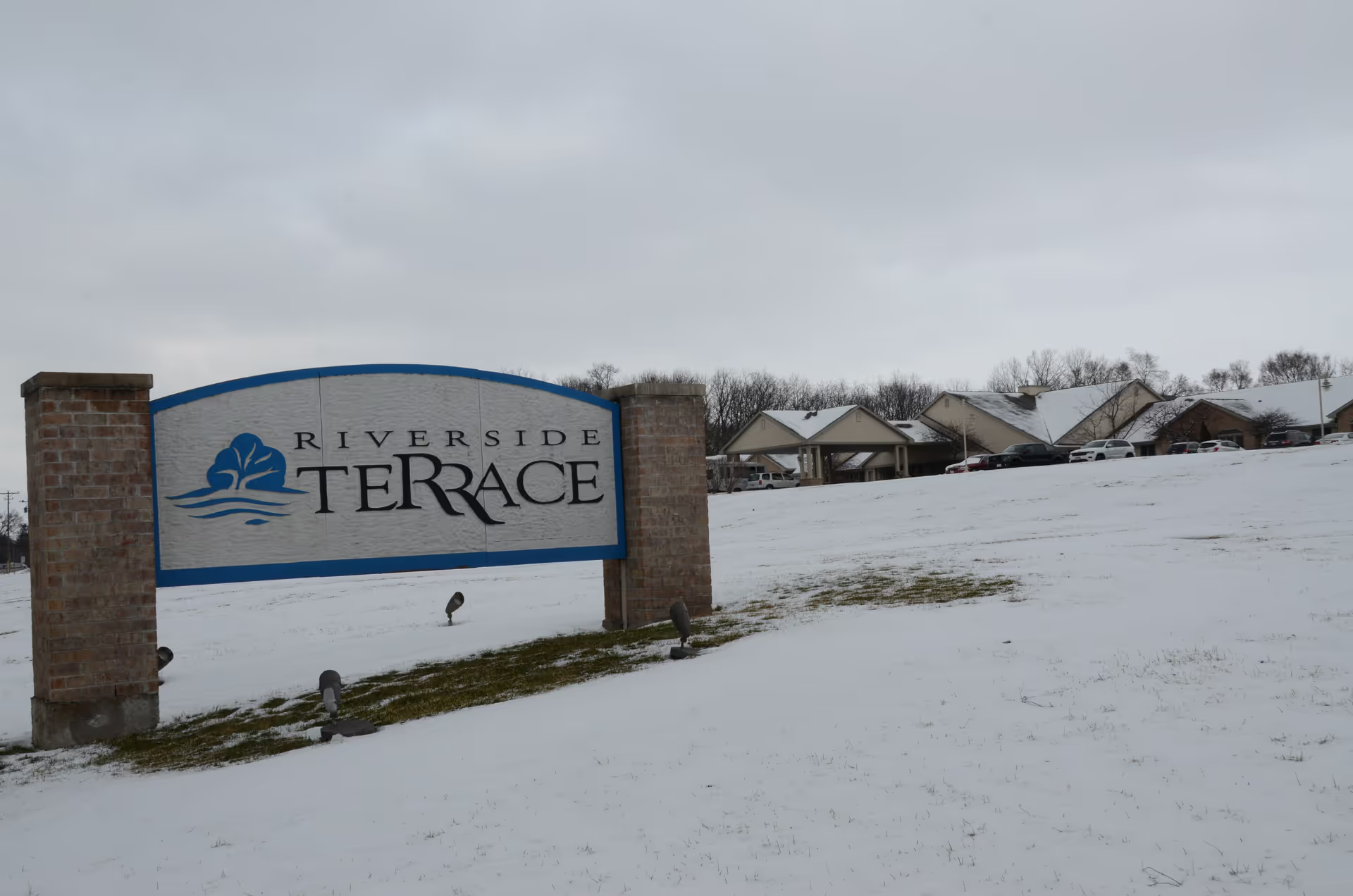
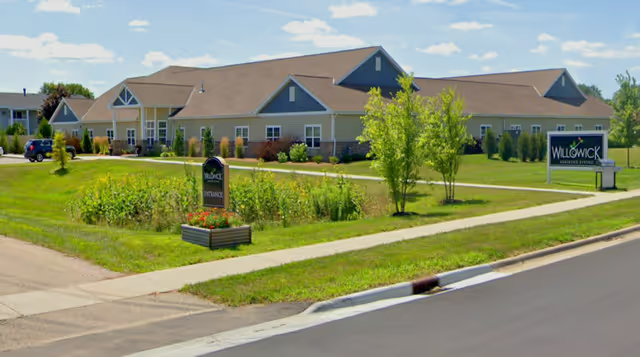
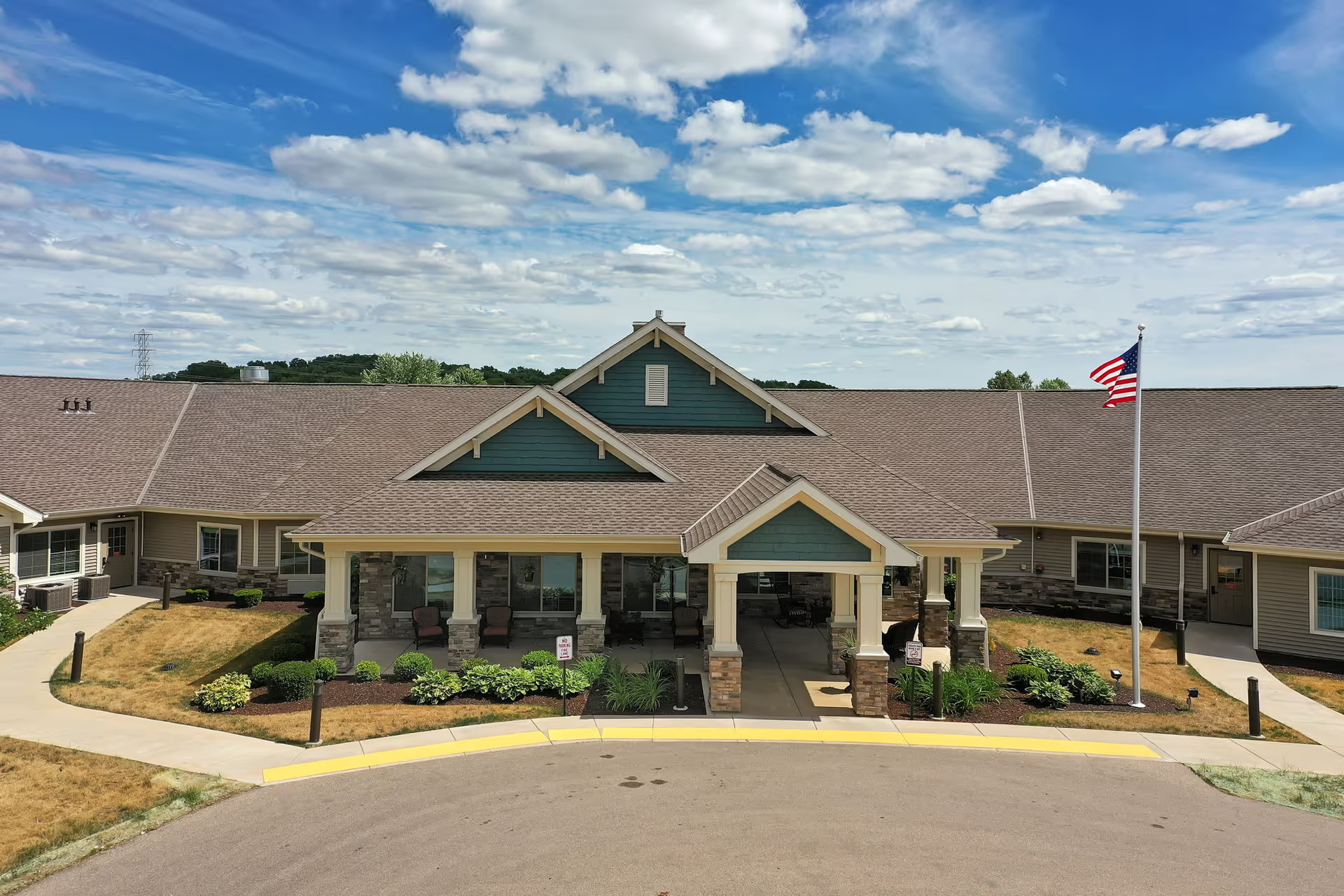
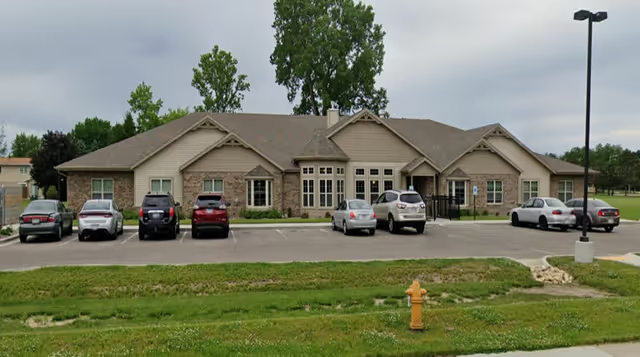
Facilities and safety: The physical campus is often described as large, bright, and home-like with scenic surroundings; many reviewers appreciated roomy accommodations and maintained common spaces. Counterbalancing this are recurring concerns about interior maintenance (need for painting, cosmetic repairs), smoke control at entrances, and operational safety systems. Specific operational-level issues include door and alarm system failures and instances when alarms or call systems did not draw a timely staff response. There are also sanitation and pest-control concerns that warrant direct verification. Visitors should inquire about recent maintenance logs, safety-system checks, pest-control protocols, and smoke/entrance policies.
Management and notable patterns: Management quality appears mixed. Some reviews praise an engaged, welcoming executive director and improvements under new ownership; others describe leadership absence, unresponsiveness, and inconsistent follow-through. A subset of reviews raises serious operational concerns (medication timing lapses, sanitation and pest-control failures, and lack of night contact procedures). Given the polarization — many strong endorsements alongside significant operational concerns — families should request documentation of corrective actions, inspection reports, staffing ratios, night-shift coverage plans, and medication/incident logs. Scheduling an on-site visit at different times (day and evening) and speaking with current residents and family members can help validate whether praised strengths are consistent and whether the operational gaps have been addressed.