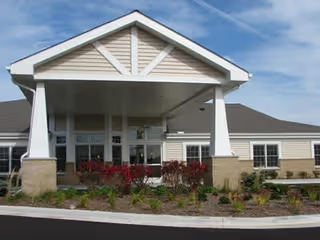
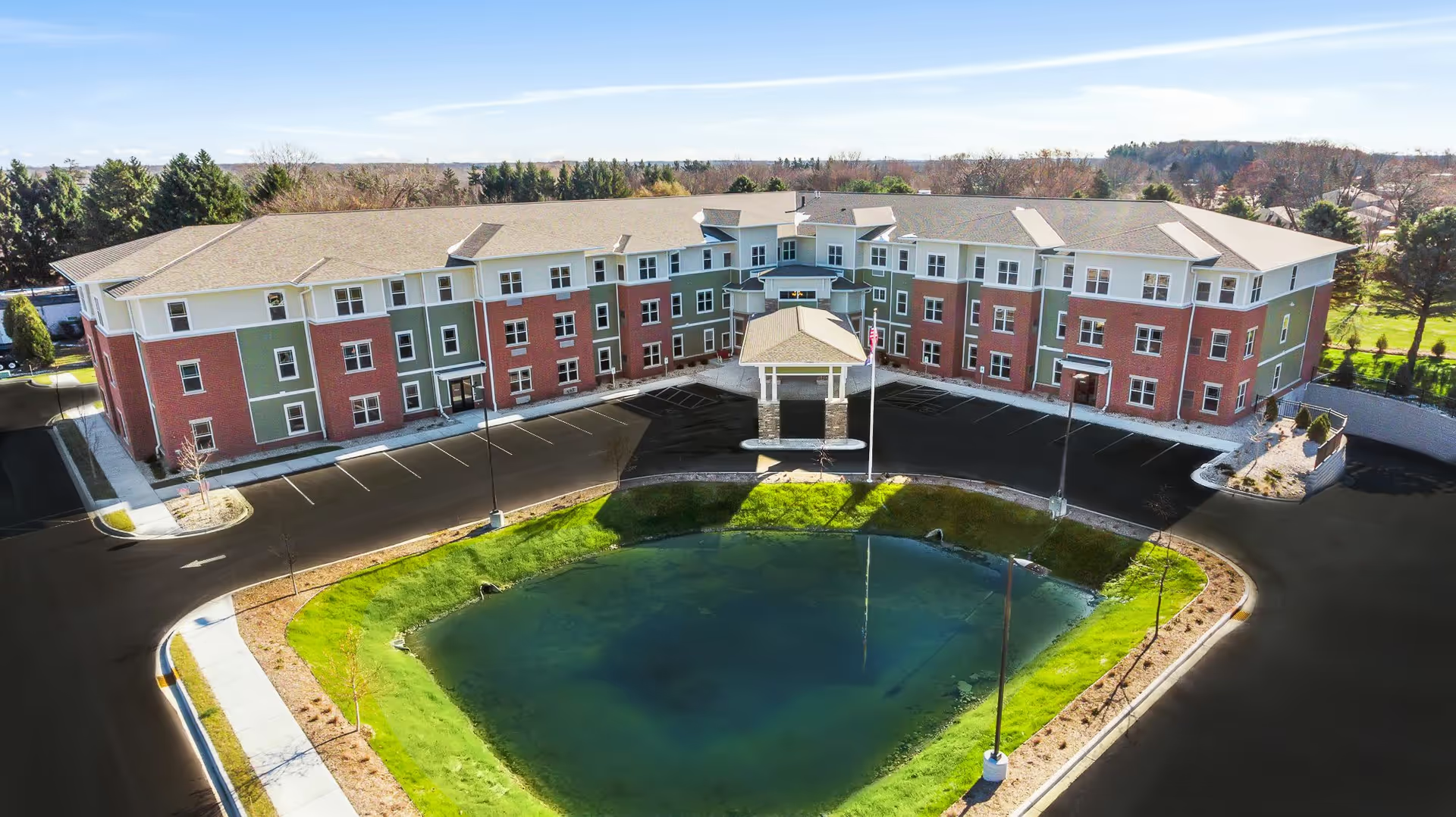
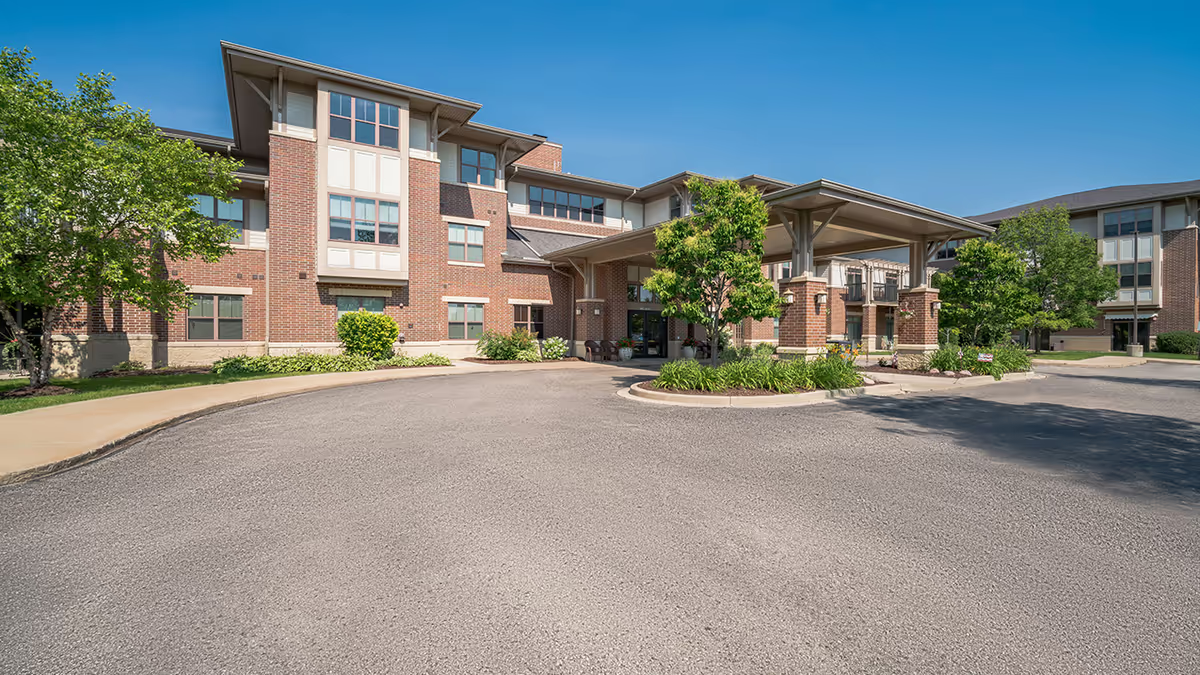
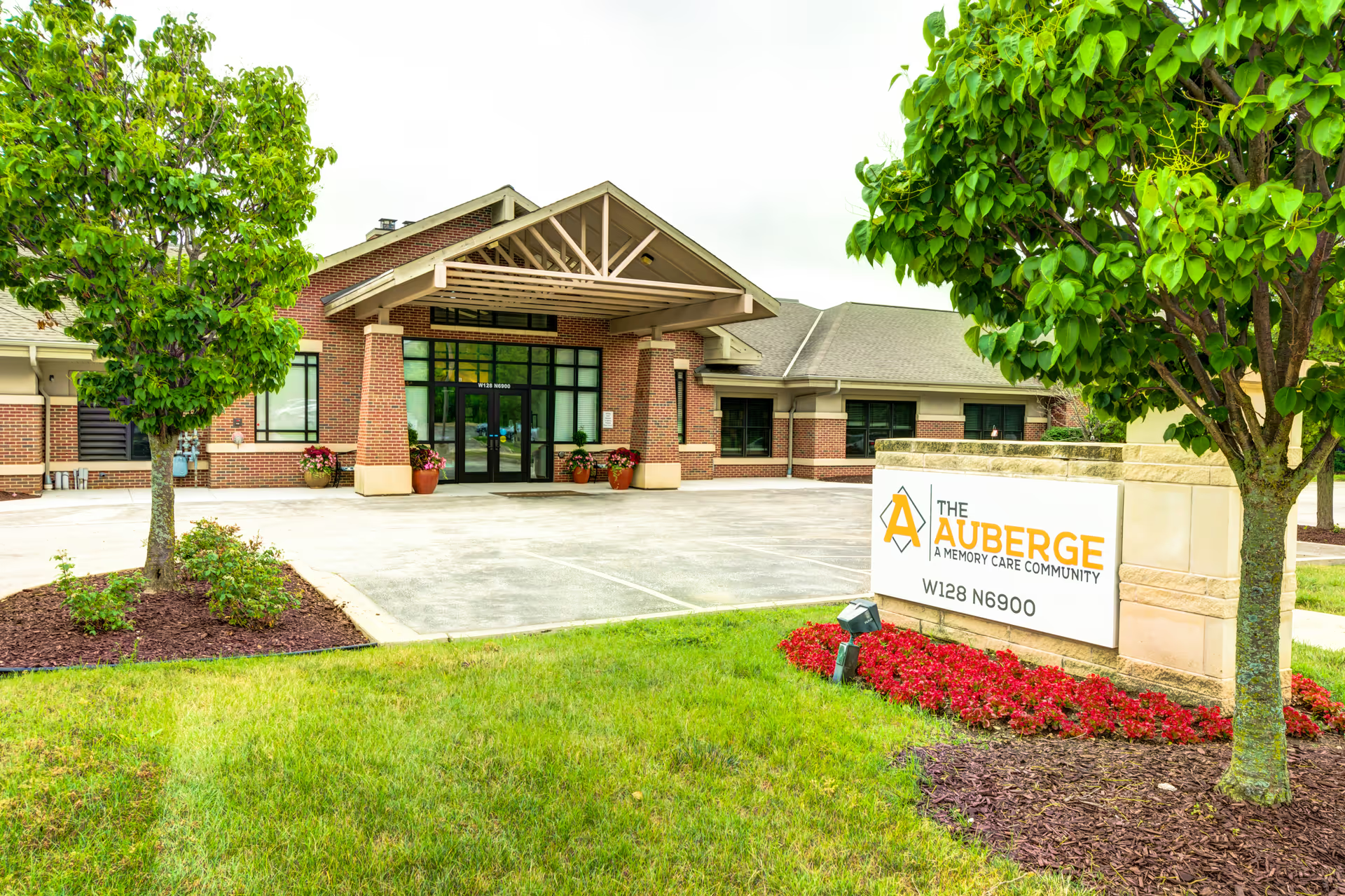
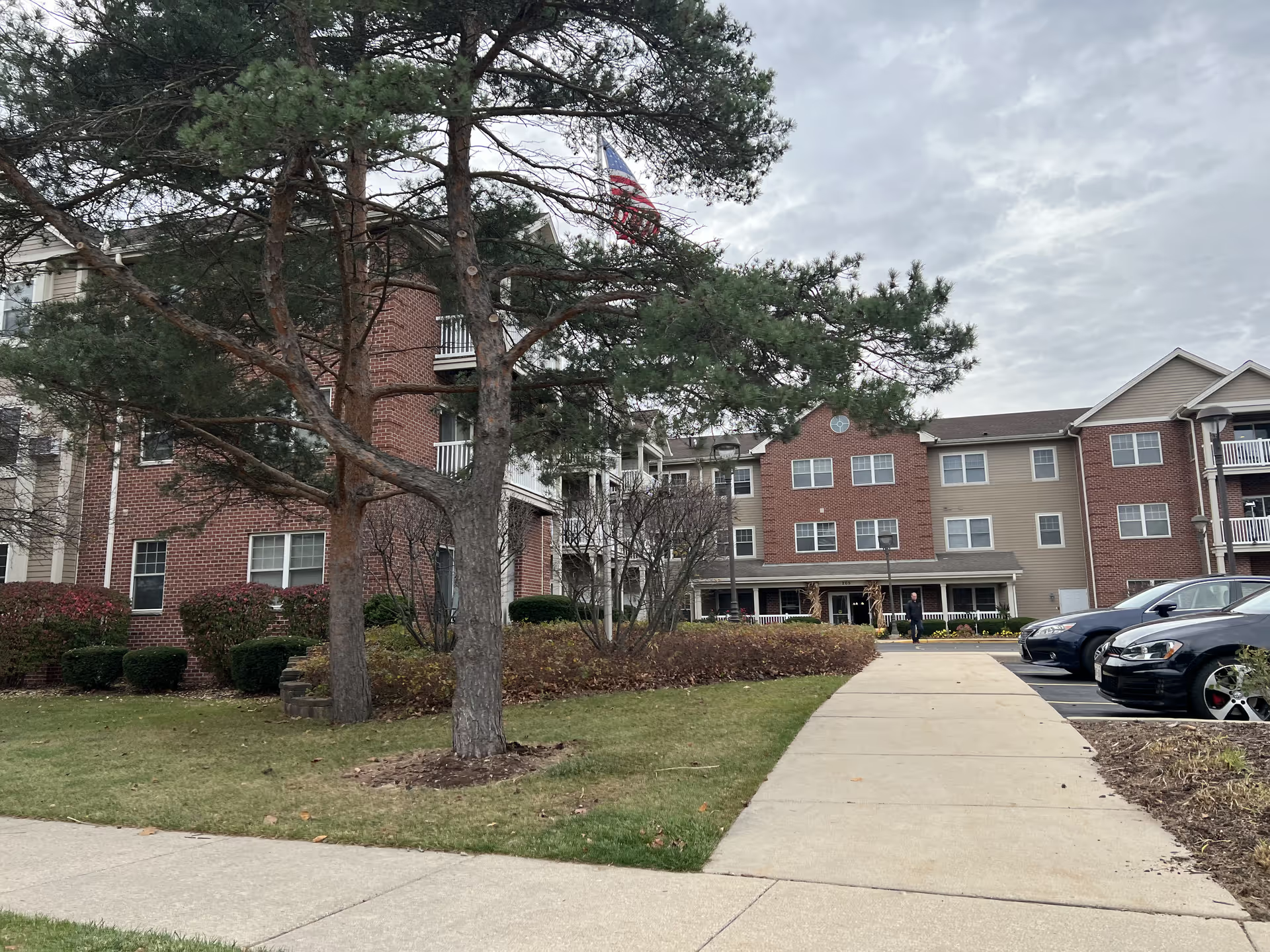
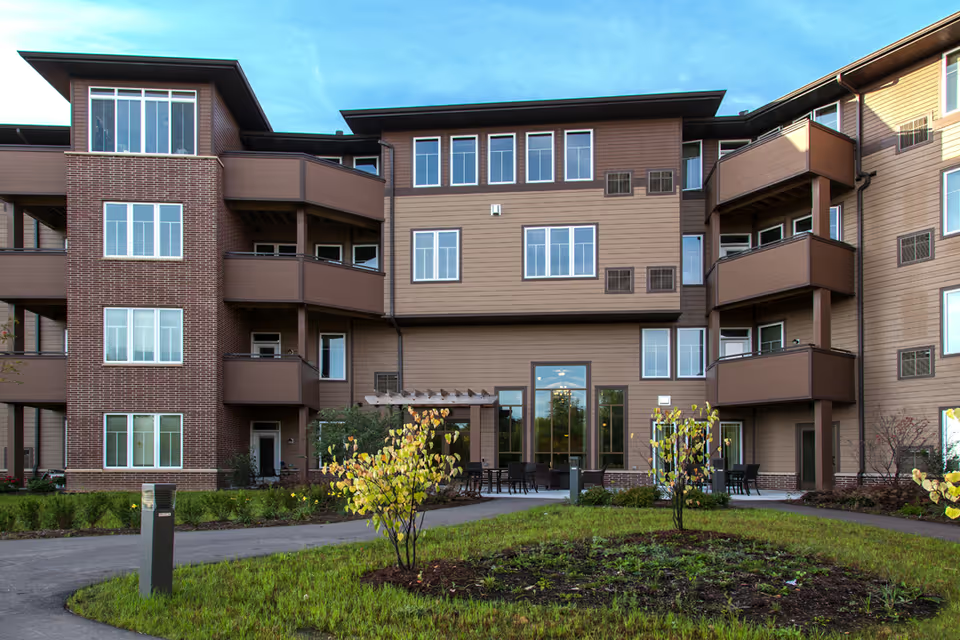
High Point Residence Germantown South elicits a strongly mixed picture across family and resident feedback. Many reviewers emphasize the facility's smaller, home-like scale: bright rooms, fireplaces and sitting areas, secured outdoor patio, and amenities such as a bird aviary contribute to a comfortable environment. A sizeable portion of reviewers praised the dining—homemade or restaurant-style meals—and an active calendar that includes exercise classes, music groups, crafts, and specialty activities like frisbee golf. When operations align, families describe compassionate, personable caregivers and accessible, helpful administrators who facilitate smooth admissions and Family Care/Title 19 transitions.
At the same time, a pattern of operational weaknesses appears repeatedly. Staffing shortages and turnover are the most consistent concerns; reviewers describe days with minimal staff coverage and uneven availability of caregivers. That understaffing appears to affect responsiveness (long call waits and delayed assistance), scheduling of personal-care tasks (missed or prompted showers), and the reliability of clinical follow-up (delayed diagnostic testing and treatment for infections). Several reviews raised issues about transfer safety and staff training—specifically inconsistent ability to use mechanical lifts—and about inconsistent infection-control measures.
Care quality descriptions vary sharply. Some families report attentive, respectful care and proactive managers; others describe incidents where promised services were not delivered, missed deliveries of food/fluids/medications, wound-care and pressure-related concerns, and hospital transfers following clinical deterioration. These contrasts suggest variability in resident experience tied to staffing levels, staff training, and case acuity. Dementia and memory-care needs receive mixed commentary: the community offers memory-care services, but several families found the program did not meet their loved one’s needs or that staff lacked consistent memory-care skills.
Dining and activities are relative strengths when well staffed. Many residents enjoy the meals, frequent activities, and social opportunities; however, some families noted meals that were not suitable for residents with denture or texture-modified requirements and occasional repetition or minimal activity content for higher-functioning residents. Housekeeping and laundry are generally praised but there are recurrent complaints about lost or misplaced items and inconsistent laundry handling that contribute to family concern about property management.
Management impressions are polarized. Positive accounts describe professional, communicative administrators who are responsive to concerns; negative accounts describe organizational disarray, inconsistent communication, and a perception of prioritizing finances over individualized care. Safety-system gaps cited by reviewers include unreliable alert systems (absence of wearable call devices or inconsistent call-bell functioning), environmental hazards related to fall prevention and monitoring, and difficulties identifying staff involved in incidents (absence of name badges).
For prospective residents and families: the facility offers clear advantages—smaller, home-like environment, lively activities, appealing meals, and potential administrative responsiveness—but also notable operational risks tied to staffing, clinical follow-up, safety monitoring, and dementia care suitability. Recommended questions on tour: current staffing ratios by shift and vacancy/turnover trends; caregiver training and lift-transfer competency; specific infection-control policies and PPE usage; emergency-response and call-bell systems; protocols for medication administration, diagnostic follow-up, and wound care; meal-accommodation and texture-modified diet procedures; laundry and personal-property tracking; and how the community manages higher-acuity or memory-care needs. A short trial stay or meeting with the clinical team can help clarify whether the facility’s strengths are consistently applied to a prospective resident’s specific care needs.