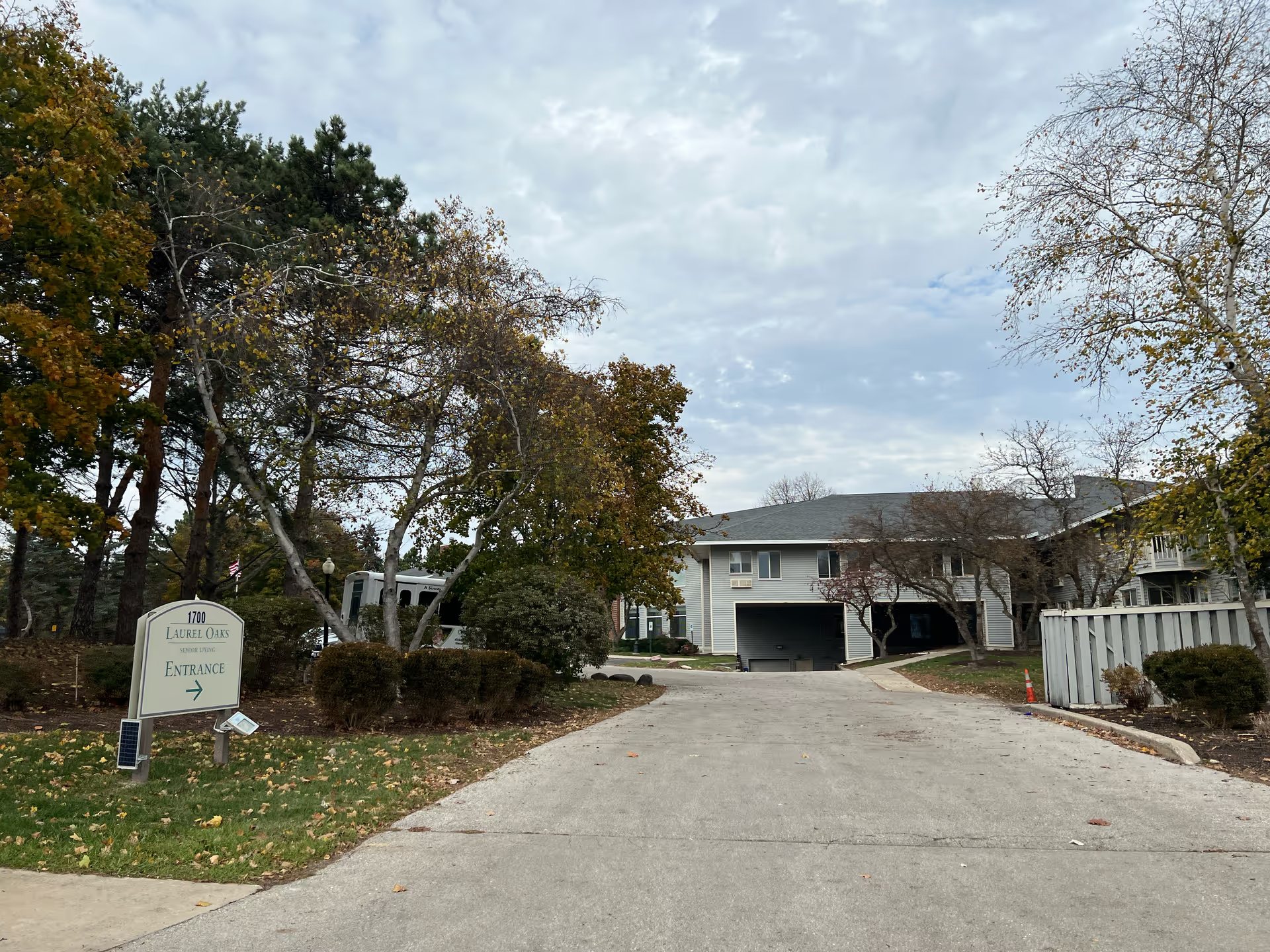
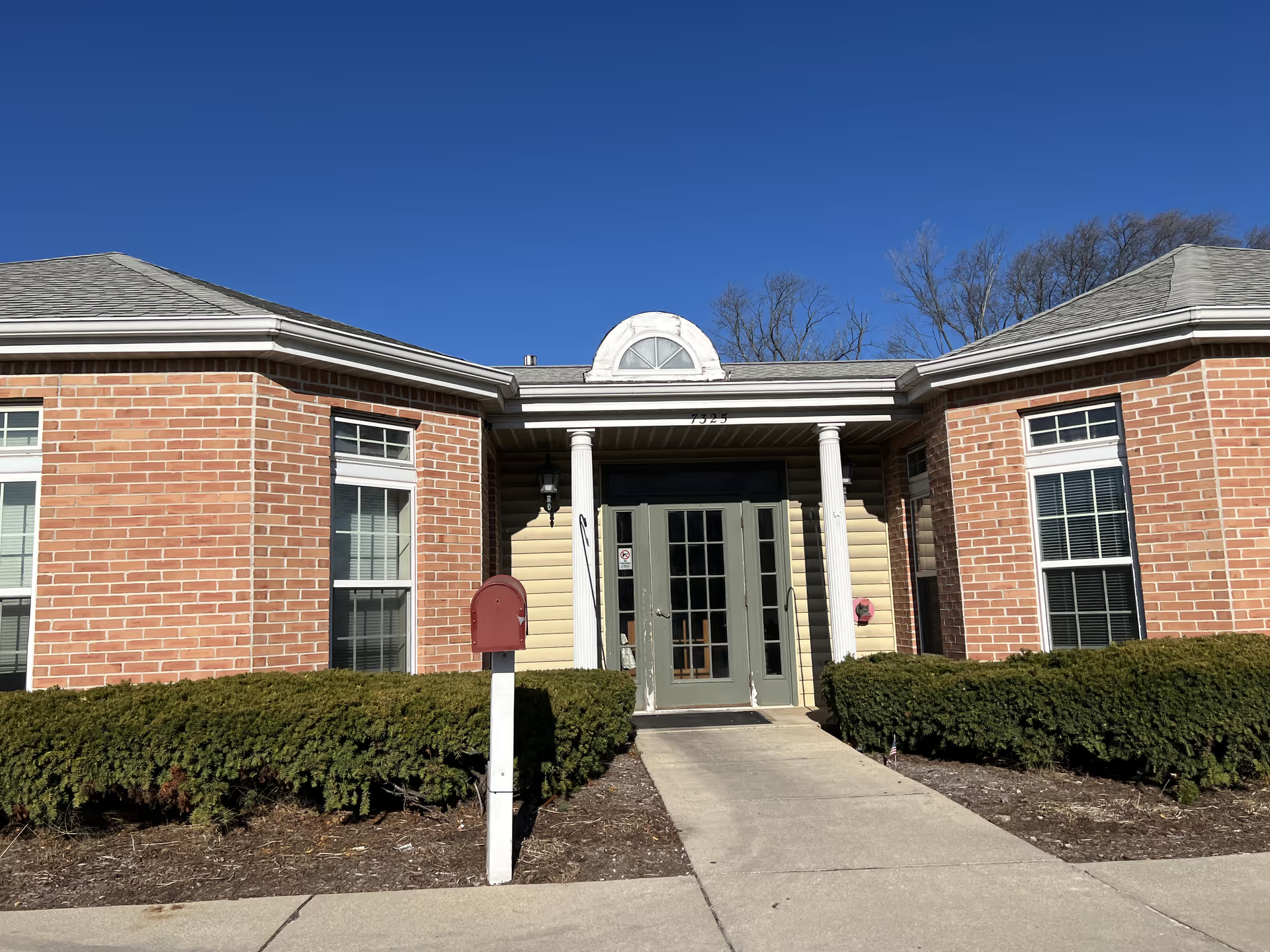
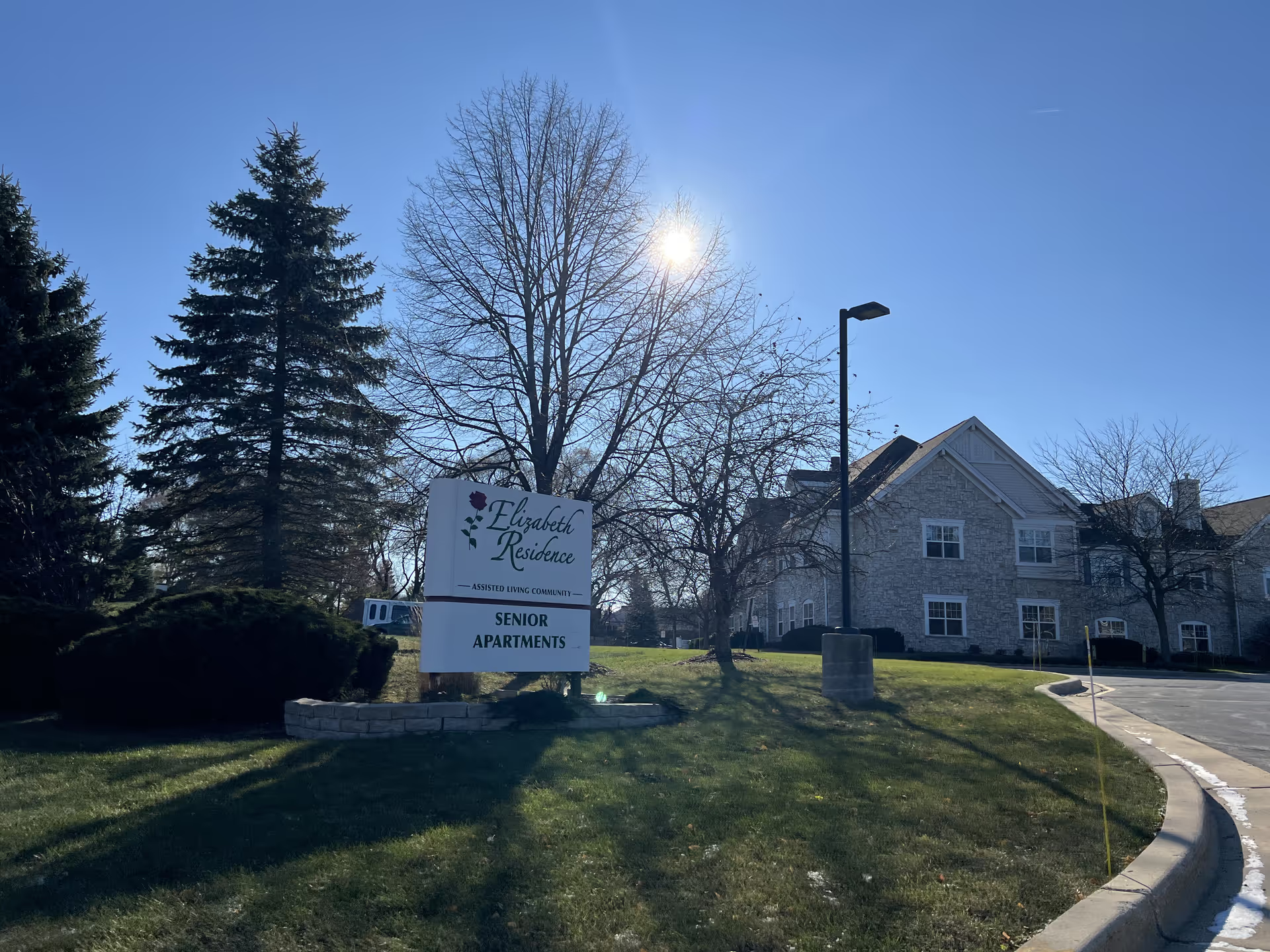
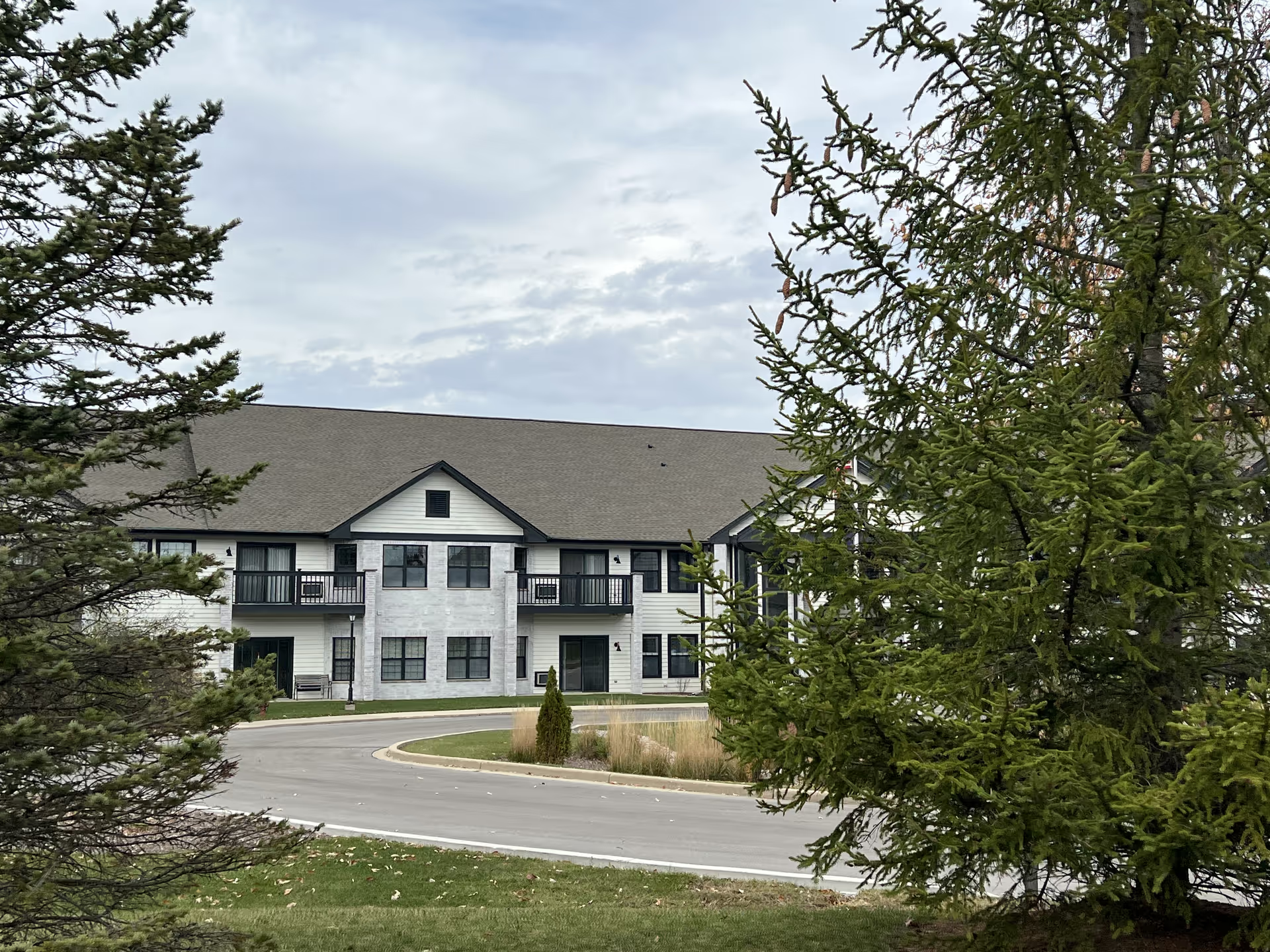
Overall impression: Glendale Care and Rehab Center elicits a mix of strong positive experiences and operational concerns. Many families highlight a clean, bright building with well-maintained rooms and common areas, approachable admissions and front-desk staff, and a therapy team that supports recovery. Positive comments emphasize attentive CNAs, professional nursing leadership, individualized care plans, and administrative responsiveness when issues are raised.
Care and staff: Clinical care receives frequent praise for hands-on rehabilitation, diabetes management, and quick bedside attention. Nursing leadership and teamwork are often characterized as competent and engaged, and certified nursing assistants are commonly described as attentive. At the same time, reviewers describe variability in staff conduct and communication tone; a small number of accounts raise serious interpersonal-conduct concerns. There are also reports indicating uneven technique in personal-care interactions. Administration is credited in several instances for addressing concerns promptly, which some families found reassuring.
Operations and communication: A recurring operational theme is inconsistent family communication and phone responsiveness—examples include unanswered calls, full voicemail, and delayed nurse callbacks. Night-shift supervision and staffing levels are another area of concern, with comments about limited overnight presence and supervision. Other systemic issues noted include perceived staffing instability and frequent hiring activity, which may contribute to variability in care continuity. Admissions-experience expectations are mixed: some families find the process easy and welcoming, while others describe a mismatch between initial expectations and the services delivered.
Facilities, dining, and activities: Dining and dietary staff receive favorable mentions for meals and helpful service, and the facility supports a range of social activities (bingo, puzzles, church services, movie outings) that families say engage residents. A few reviewers raised questions about specific dietary choices (for example, high‑sugar beverages) and recommended confirmation of diet appropriateness for residents with special nutritional needs. Cleanliness and sanitation are commonly praised overall, although there are isolated comments suggesting uneven maintenance or sanitation concerns in particular units.
Safety and belongings: Safety-related themes include isolated reports of falls and delayed staff availability, suggesting potential gaps in supervision or fall-prevention practices that prospective families should review. There are also mentions of personal-belongings security and handling gaps, which indicate a need to clarify storage and inventory practices during admission.
Recommendations for families: Prospective residents and families may benefit from meeting the nursing leadership and administrator, observing mealtime and a night-shift period if possible, and asking specific questions about phone/communication protocols, fall-prevention routines, staff turnover rates, and how personal items are inventoried and secured. Glendale shows many strengths in therapy, cleanliness, and resident engagement, but families should verify operational practices most important to their loved one to ensure consistent expectations are met.