Overall impression: Experiences at Southpointe Healthcare Center vary widely. Many families describe dedicated, compassionate caregivers—especially among therapists, registered nurses, hospice coordinators, and certain frontline CNAs—who provide attentive, resident-focused interactions and effective therapy services. At the same time, recurring operational shortcomings create inconsistent care experiences across units and shifts.
Care quality and clinical concerns: Strengths include a number of competent RNs, physical and occupational therapists, and evidence of coordinated hospice support for residents with progressive needs. However, reviewers describe systemic issues that affect daily clinical care: long delays in responding to call lights, inconsistent personal-care and bathing schedules, gaps in wound care and skin management, and variable medication administration processes. These patterns have been associated with adverse outcomes in individual cases, including hospital transfers and post-discharge complications; some families expressed concern about end-of-life care and serious clinical events. Prospective families should confirm clinical protocols for wound care, medication management, and call-response times when evaluating placement.
Staffing, conduct and communication: A consistent theme is variability between shifts and individual staff members. Several reports praise specific staff members and leadership figures for responsiveness and advocacy, while other accounts describe unprofessional conduct, poor tone in communication, and unresponsiveness—particularly on night shifts and at the front desk. Communication gaps appear both between clinical departments (therapy, nursing, physicians) and between staff and families: voicemail or phone lines that are hard to reach, delayed callbacks, and inconsistent documentation were frequently cited. Billing and administrative errors were also mentioned, suggesting a need for clearer administrative controls.
Dining, activities and daily living: Dining experiences are uneven: some families reported acceptable or good meals, while others cited cold or poorly timed service and limited menu choices. Activity programming and social engagement were noted as positives in multiple accounts, with staff who personalize interactions and organize events. Basic care routines showed variability as well—examples include limited shower frequency and inconsistent assistance with feeding or toileting—so confirm personal care plans and expected assistance levels before placement.
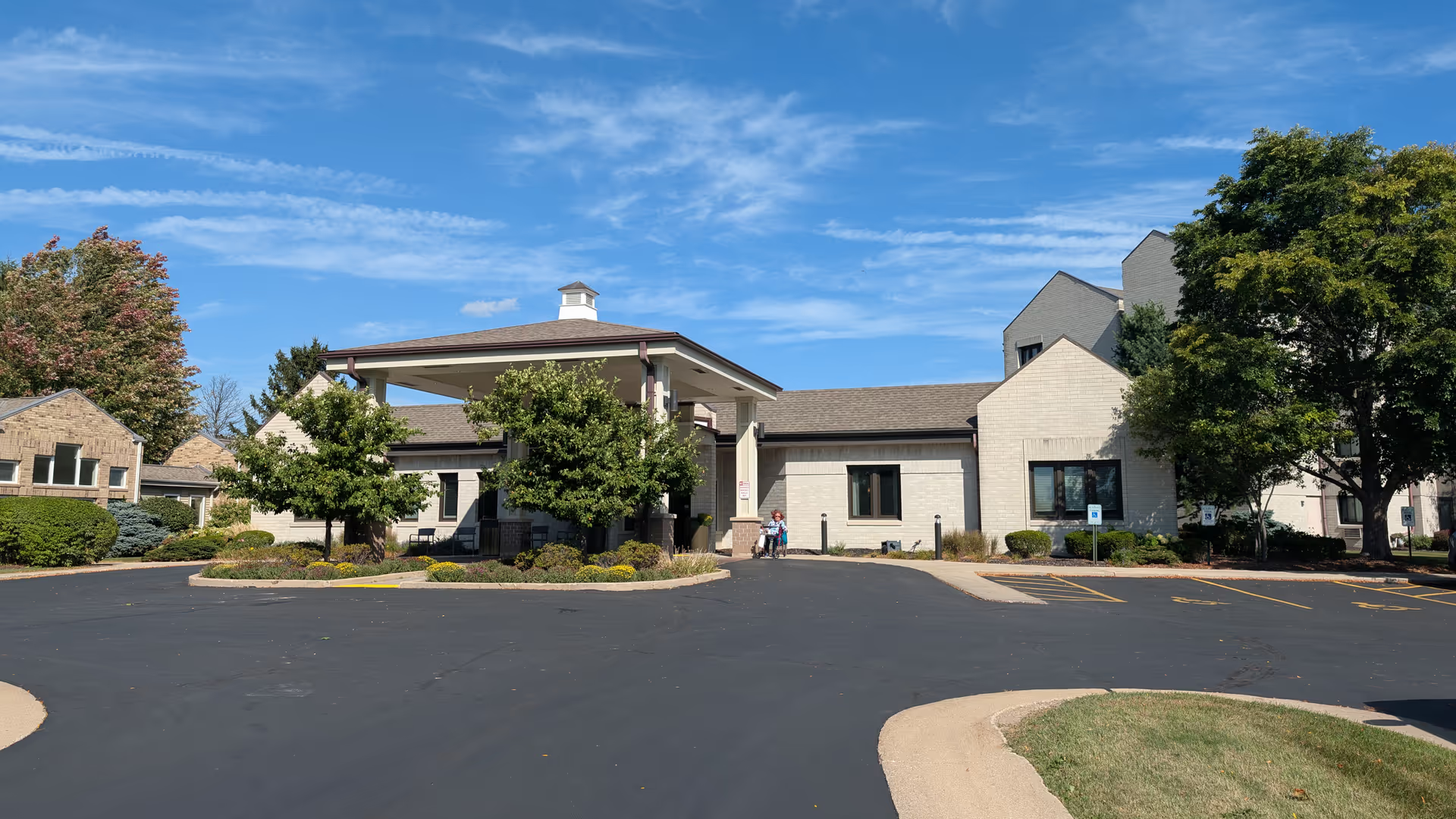
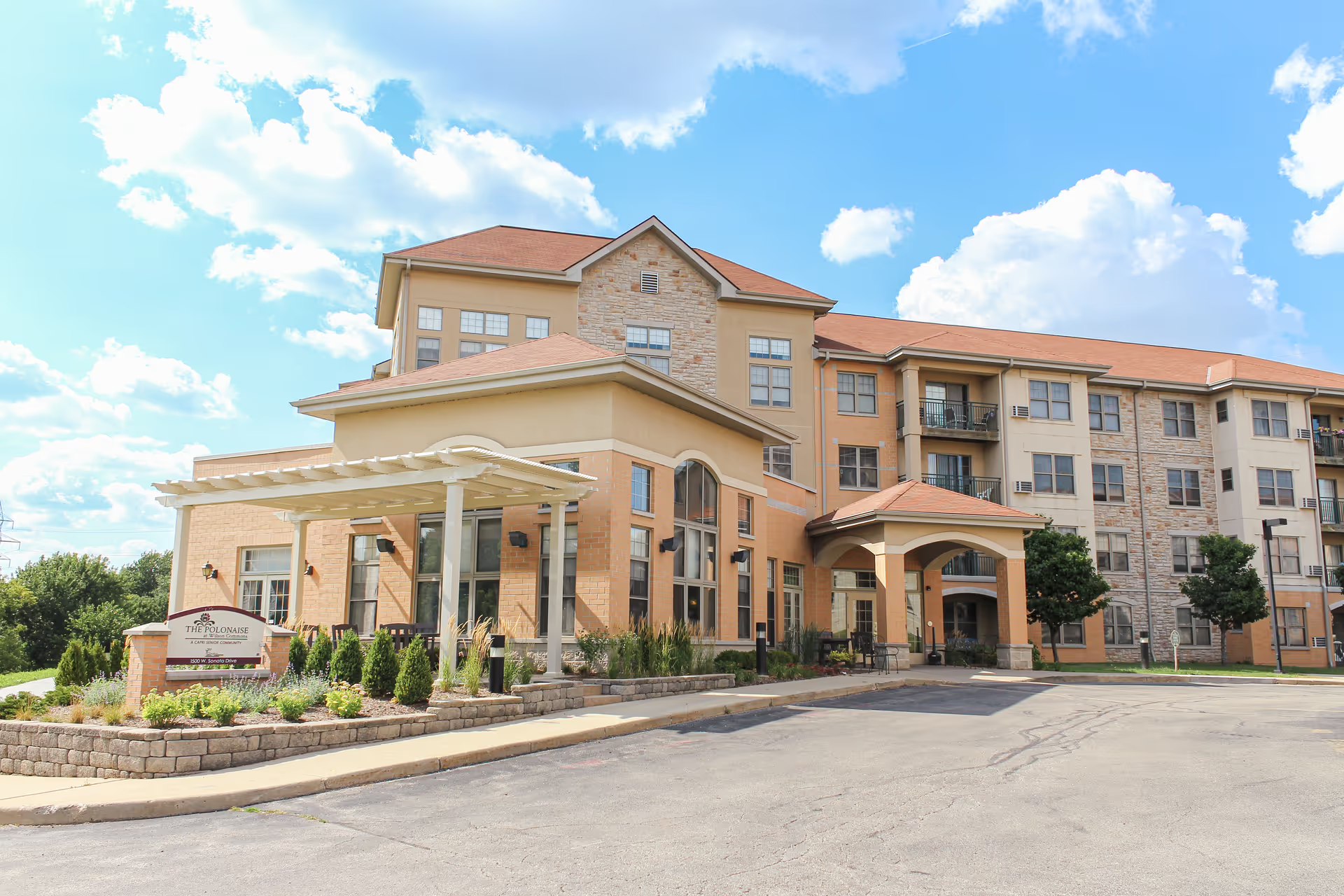
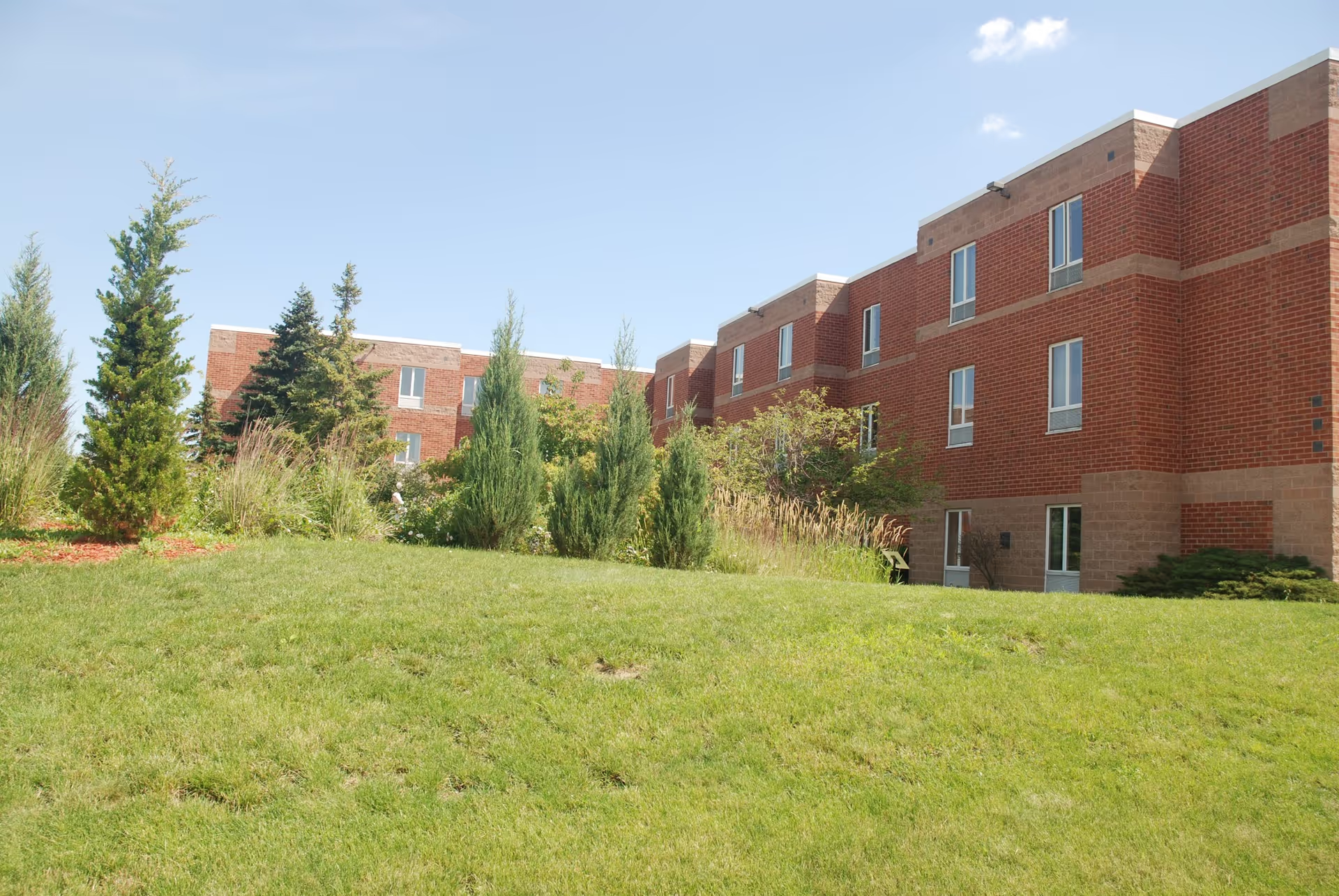
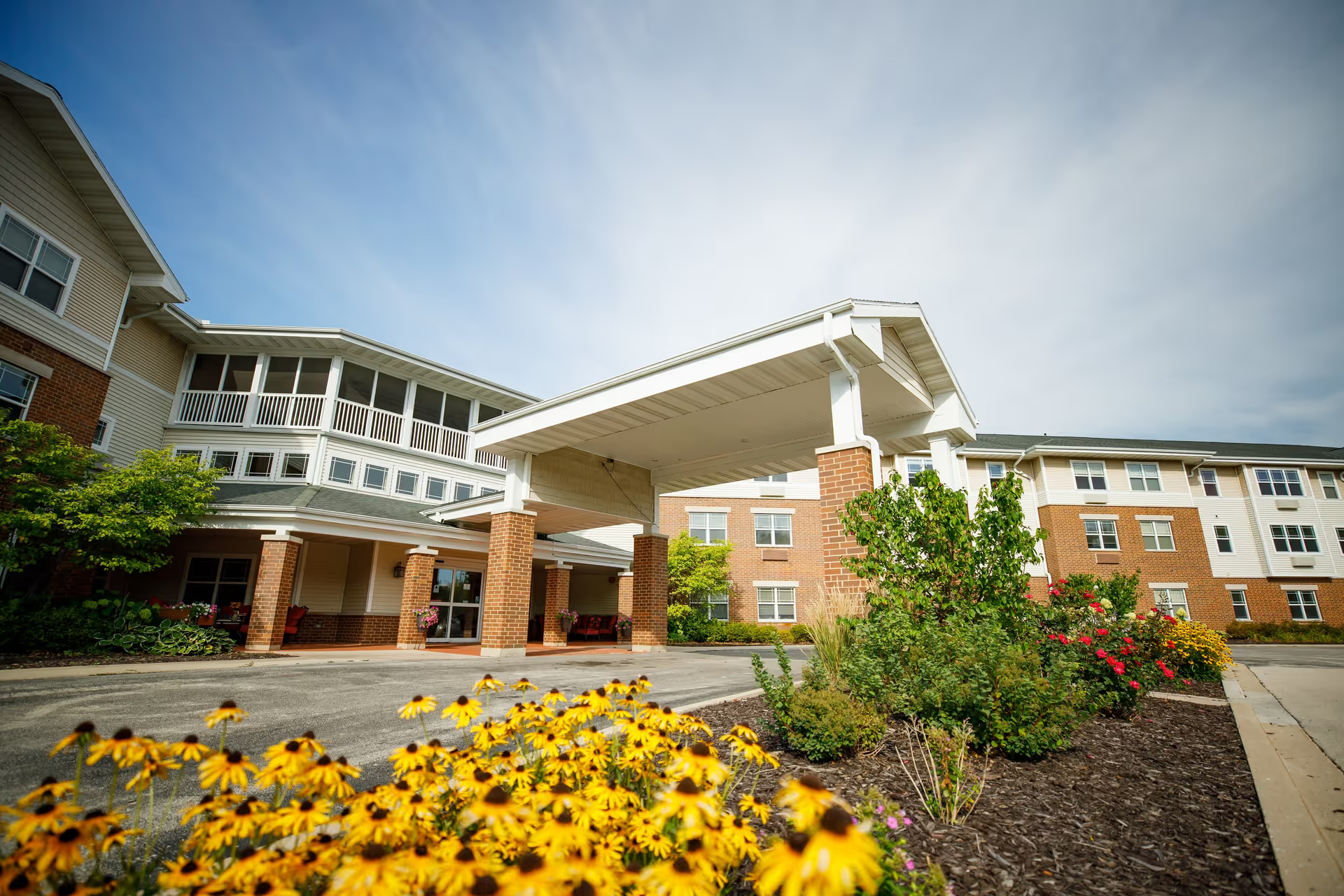
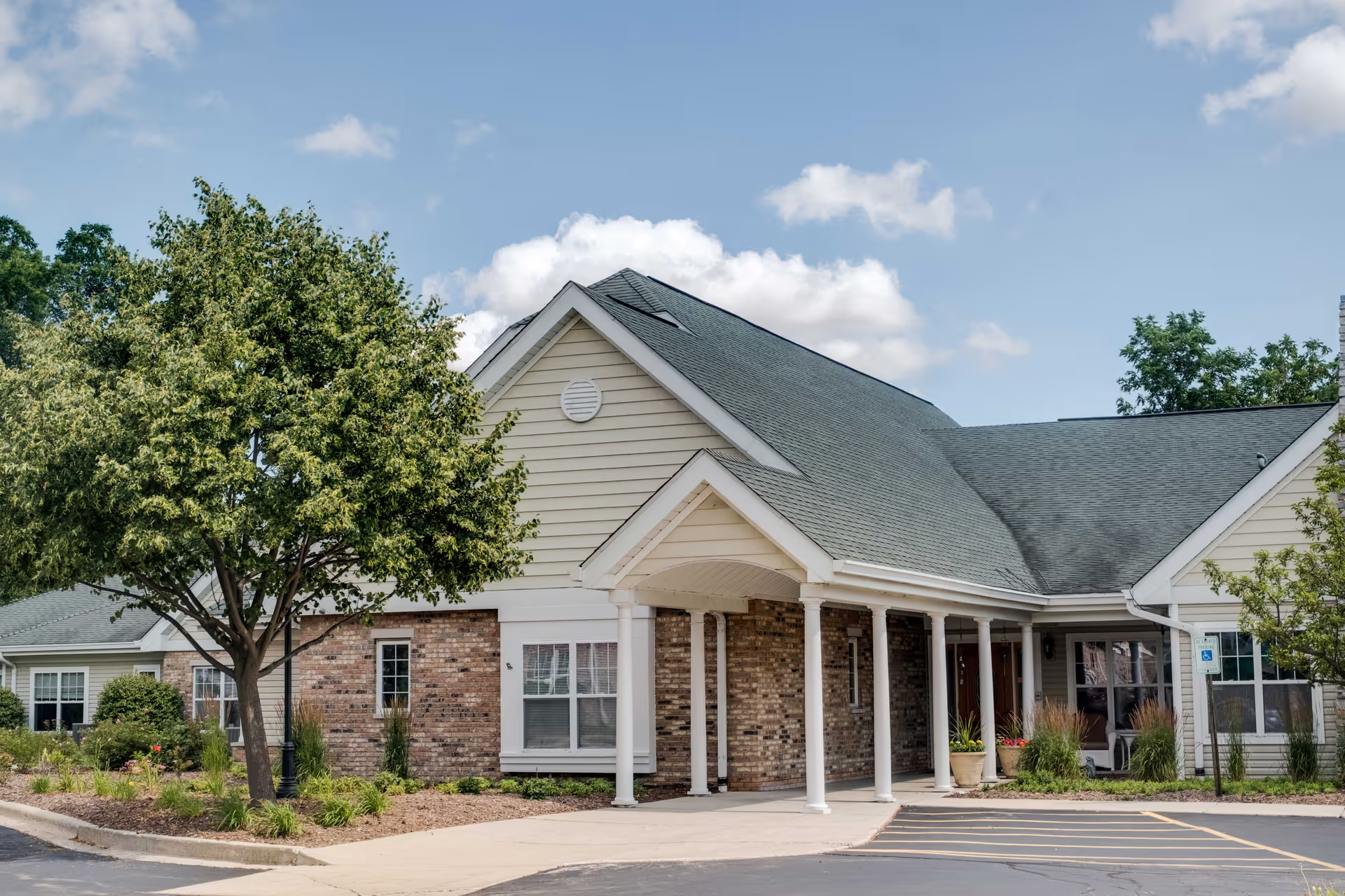
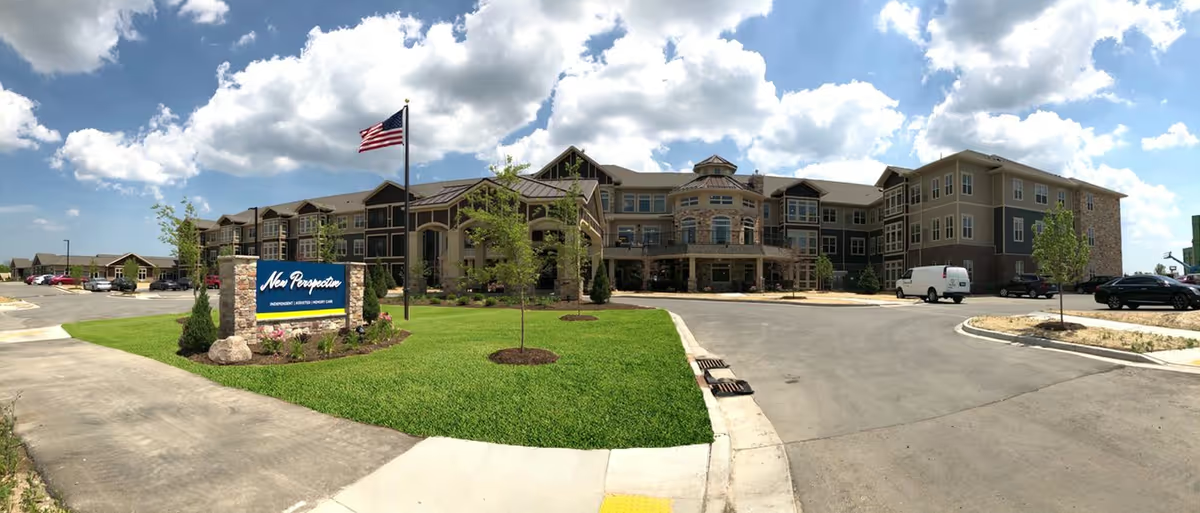
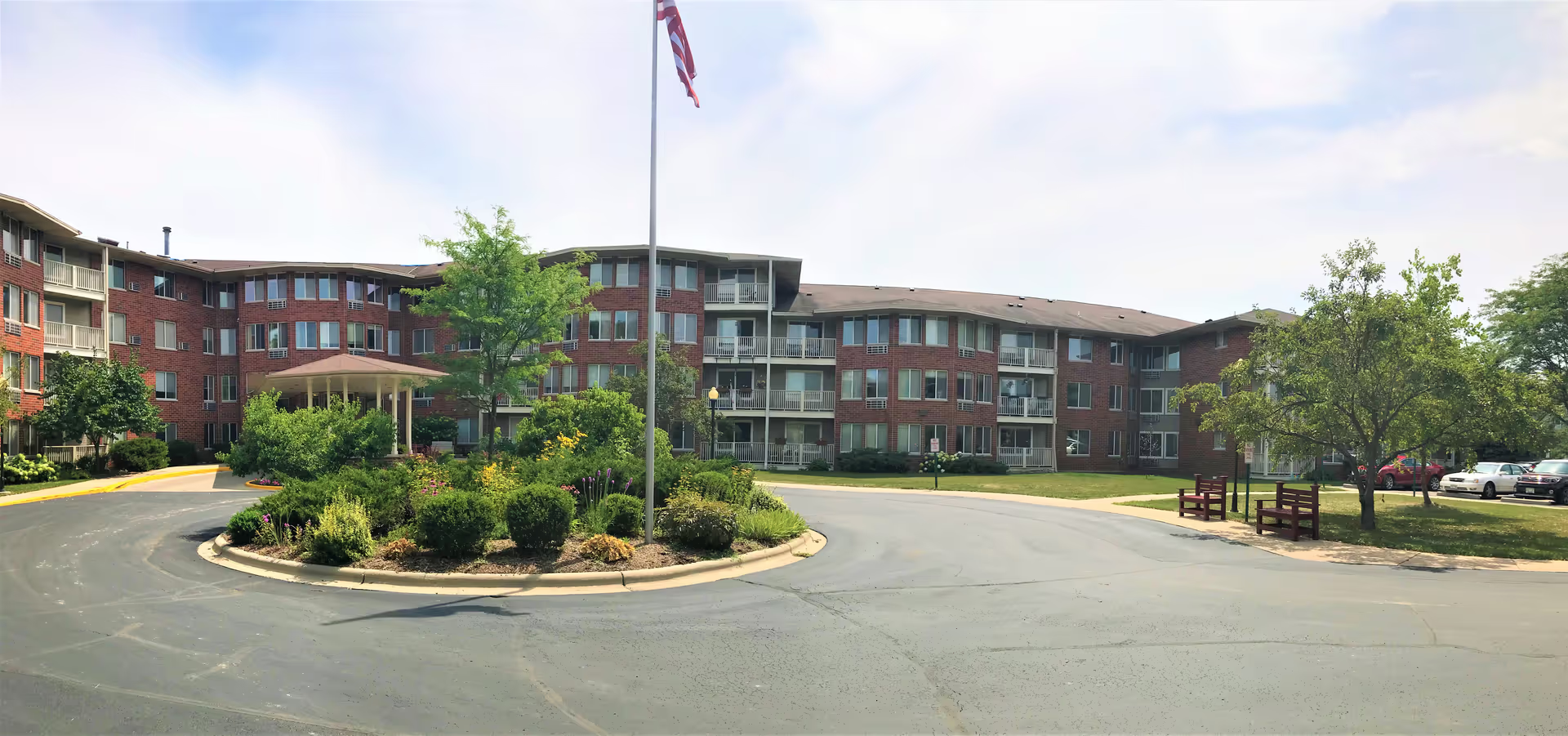
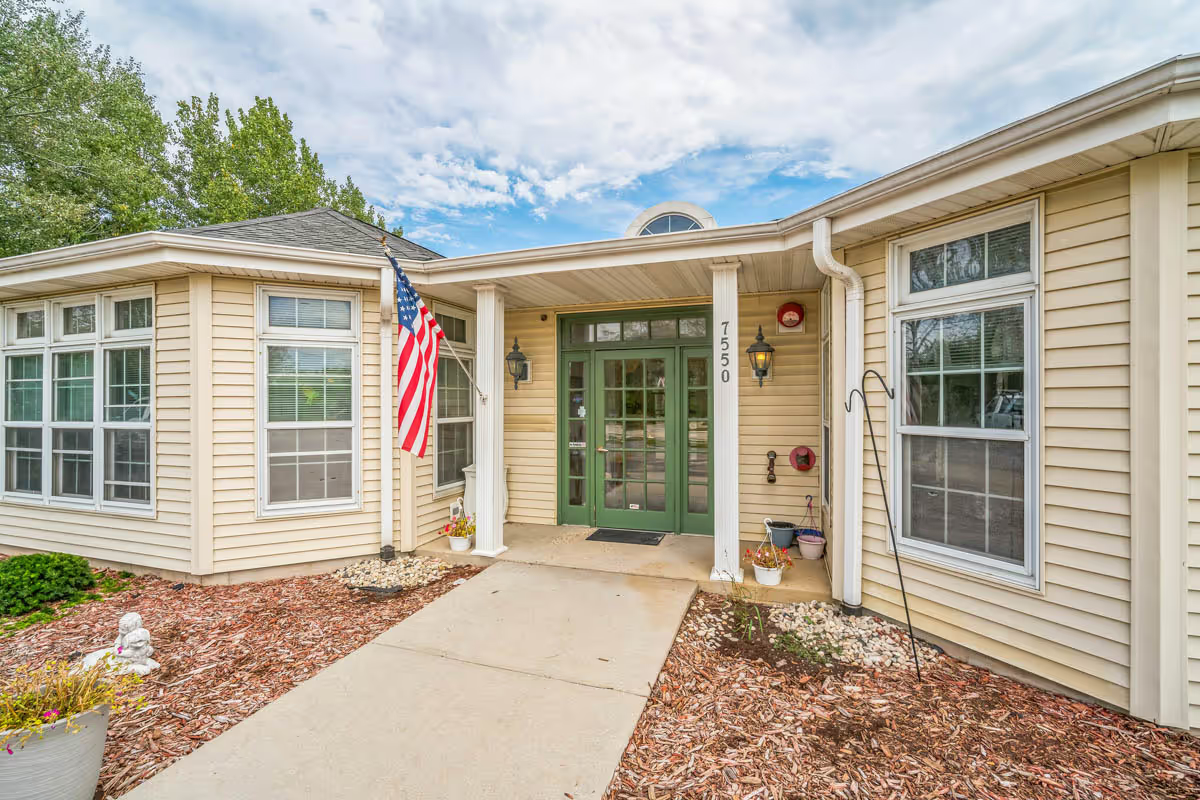
Facility environment and safety: Physical spaces and unit-level quality vary. Many reviewers praised clean, comfortable rooms and a convenient layout, while others reported sanitation and odor concerns in some areas, mattress or equipment issues, and pest-control concerns. Safety-practice weaknesses were also highlighted, including transfer/fall-prevention processes and inconsistent bedside monitoring. Families should observe the unit during different shifts, ask about staffing ratios, and review safety policies.
Management and overall patterns: Leadership response likewise varies; some administrators and social-service staff were credited with effective issue resolution and family support, while other accounts describe delayed managerial follow-up and unclear policies (for example, visitation rules and phone access). The dominant pattern across reviews is high variability: pockets of excellent, dedicated staff and effective therapy co-exist with operational weaknesses—especially staffing shortages, responsiveness failures, and inconsistent clinical practice. For families considering Southpointe, recommended steps are to meet the care team, review wound and medication-management protocols, confirm call-response expectations, observe multiple shifts, and document any concerns for escalation to administration or appropriate oversight bodies if problems persist.