Comforts of Home Advanced Memory Care - The Bluffs elicits strongly mixed but patternable impressions. Many families describe a warm, home-like environment with compassionate caregiving, engaged activities, and management that is visibly involved in resident support. The facility’s strengths include staff who are described as respectful and attentive, a dementia-aware approach among caregivers, regular social programming and outings, and a generally clean, well-maintained building. Several reviewers specifically praise leadership and individual staff members for going above and beyond, which contributes to family reassurance and reduced caregiver stress.
Care quality descriptions vary. Positive accounts emphasize personalized attention, dignity-preserving care, timely routine medication administration, and prompt handling of minor health needs. Conversely, a set of reviews signal operational weaknesses that affect clinical reliability: inconsistent staffing levels, delays or inconsistencies in response to acute events, and concerns about medication-management practices. There are statements indicating delayed recognition or treatment of infections and delayed attention following falls; these have been abstracted as gaps in clinical-incident response and follow-up rather than isolated occurrences.
Dining and activities show a split experience. Some families report quality meals, scratch-made desserts, and regular outings that support social and physical engagement. Others note repetitive menus, occasional shortages (for example milk), delayed meal service, and meals left after scheduled dining periods. Activity programming is frequently praised for engagement and variety, but a subset of accounts points to variability in availability and consistency of programming across shifts or units.
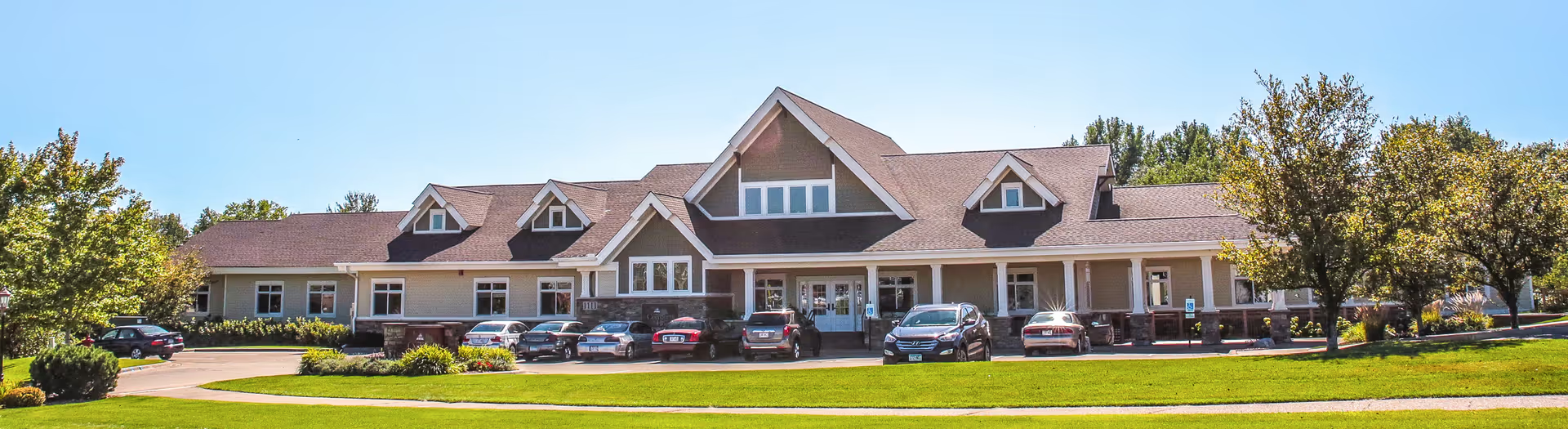
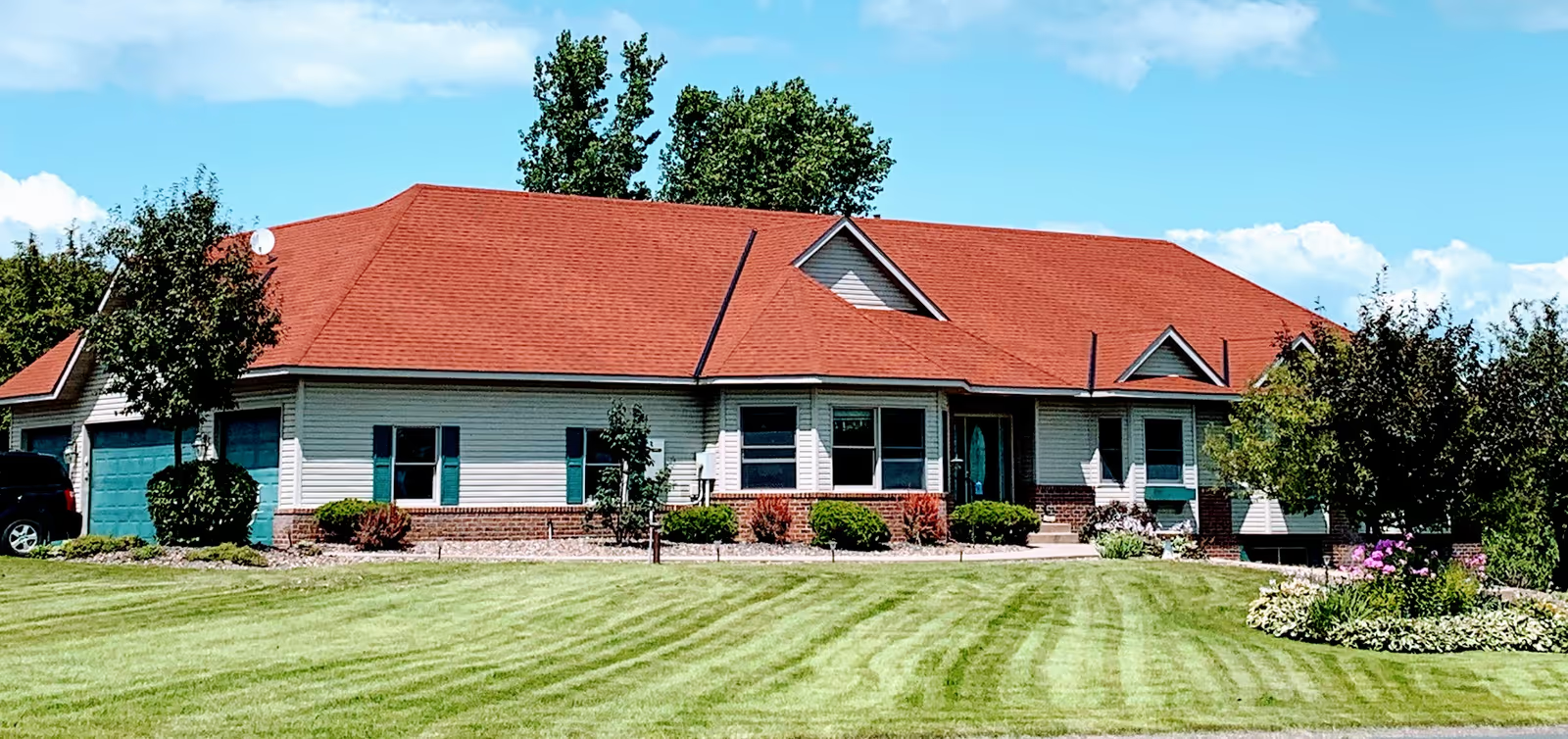
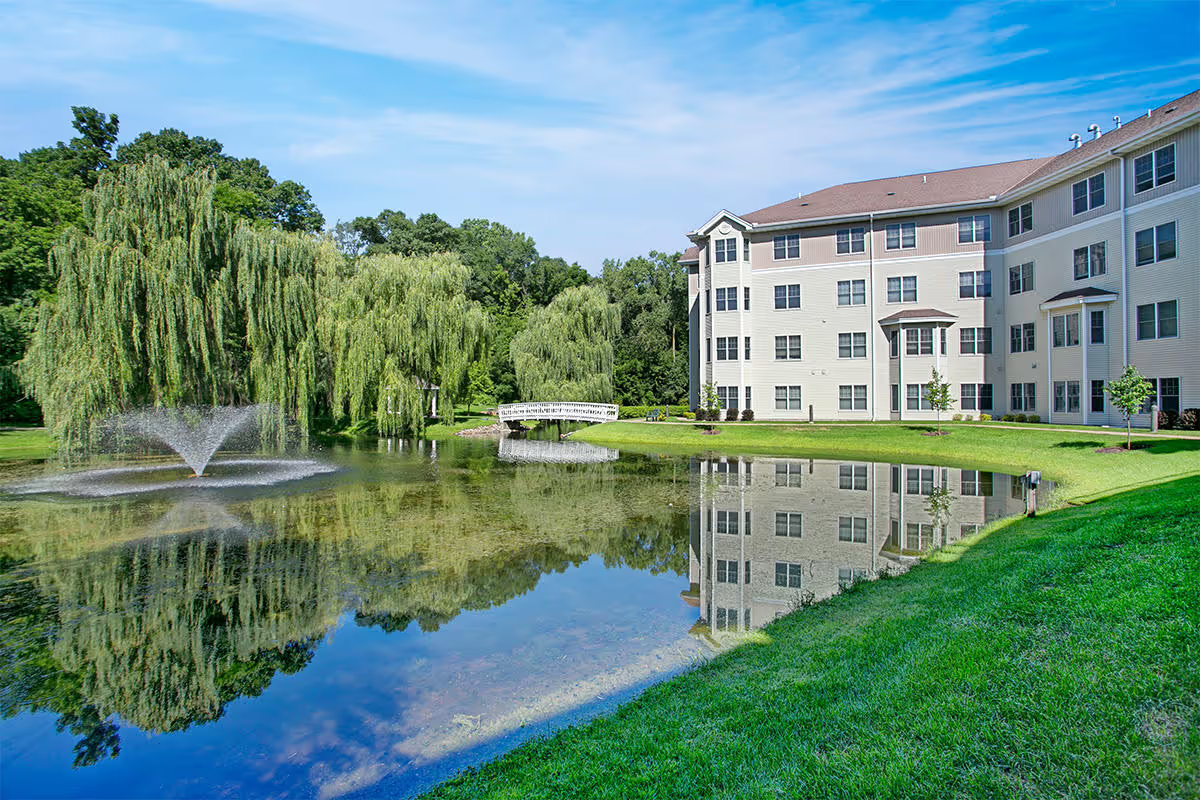
Facility and housekeeping impressions are mostly positive around cleanliness and a new or well-kept building; however, there are intermittent notes about room-level cleanliness variability and missing personal items, suggesting opportunity to improve inventory and housekeeping follow-through. Safety-related concerns appear in the reviews as descriptions of falls and transfer challenges; operationally this maps to uneven transfer/mobility-assistance practices and the need for consistent staffing to support safe mobility.
Management and organizational patterns are nuanced. Hands-on managers and leaders are credited with improving communication and bridging gaps when staffing is strained, and some families name leaders positively. At the same time, multiple comments indicate frequent short-staffing that requires managerial coverage of direct care shifts, and a perception that corporate support for frontline staffing could be stronger. Communication tone is another area of divergence: many reviewers commend responsive, kind communication, while others report instances of defensive or abrupt interactions that undermine trust.
Overall, the facility demonstrates clear strengths in compassionate, dementia-informed care, a welcoming atmosphere, and active leadership engagement. Prospective residents and families should weigh those strengths against recurring operational themes: inconsistent staffing, variability in clinical incident response, meal-service continuity, and personal-item and housekeeping controls. Those considering The Bluffs would benefit from asking specific, current questions about staffing ratios by shift, protocols for fall and infection response, medication-management oversight, meal scheduling and substitutions, and procedures for tracking residents’ personal belongings during the tour and admission process.