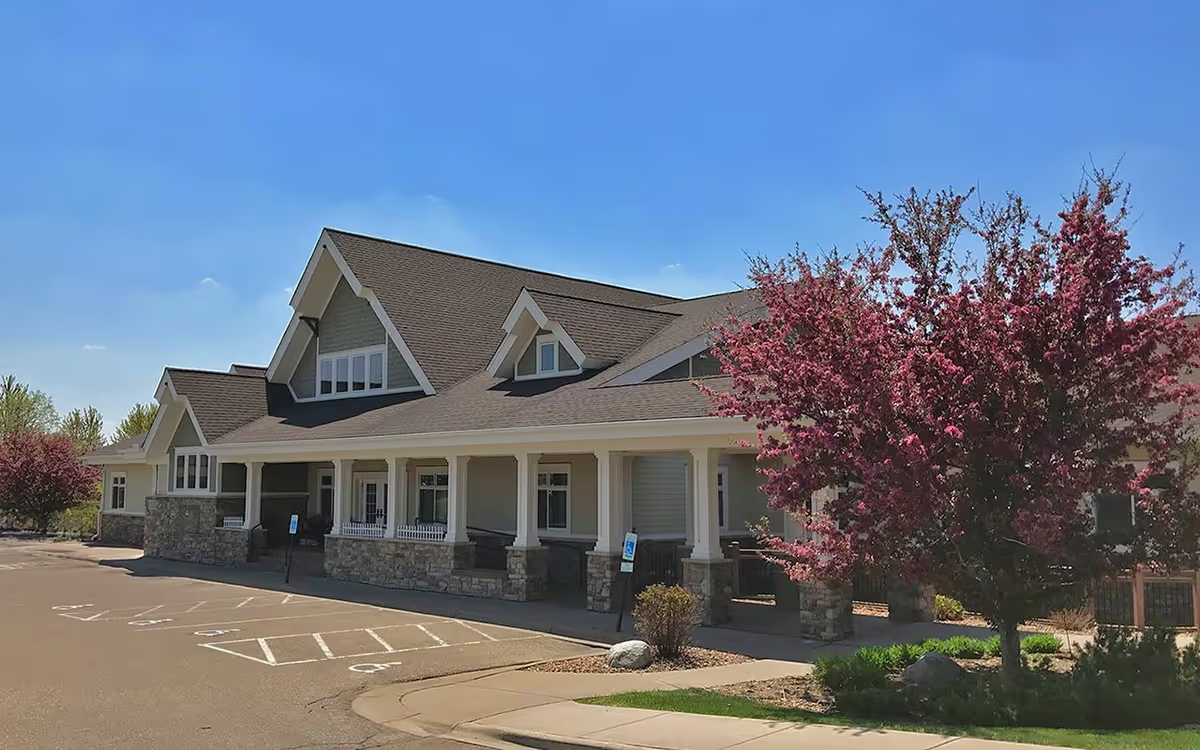
Comforts of Home Advanced Assisted Living – The Willows elicits strongly polarized impressions. Many families describe a warm, home‑like atmosphere with compassionate, friendly direct‑care staff, effective memory‑care programming, and a range of social offerings that keep residents engaged. The facility's physical environment is frequently praised: clean, attractively maintained common areas, private rooms, patio gardening, and pleasant aesthetic touches such as a saltwater fish tank. Several accounts highlight accessible visiting, responsive administrative communication, and managers and caregivers who make families feel comfortable placing loved ones there.
At the same time, a recurrent cluster of operational concerns appears across reviews. Staffing levels and scheduling are frequently described as inconsistent, producing long waits for assistance and delayed alarm responses. Reviewers raise clinical concerns that point to gaps in training and care delivery — examples include inconsistent toileting assistance, delayed attention to clinical needs, and adverse outcomes that reviewers associate with these gaps. Maintenance and housekeeping are uneven: some families praise cleanliness while others report delayed repairs, damage to personal belongings, and inconsistent room housekeeping. Dining receives mixed feedback; some residents enjoy meals and the dining atmosphere, while others note unappealing presentations and cold or late meal delivery.
Management and culture present a similarly mixed picture. Multiple reviewers praise specific managers and frontline staff for compassionate communication and hands‑on support, and several note a positive shift under newer leadership. Conversely, other reviewers describe weak internal communication, inconsistent managerial direction, and concerns about staff professionalism and conduct. There are also serious operational concerns raised around access control and resident‑exit procedures, including allegations related to eviction pressure and sign‑out practices, and perceptions of nepotistic hiring and oversight. These issues suggest variability in policy enforcement and oversight.
For prospective residents and families: the facility demonstrates clear strengths in caregiving culture, memory‑care transition support, and social programming, and the environment is often described as clean and welcoming. However, assessors should probe operational areas where reviews diverge. Recommended questions and observations include: current staffing ratios and typical on‑shift coverage; average alarm/response times and examples of emergency handling; staff training and clinical oversight procedures; housekeeping and maintenance response workflows; meal service timing and temperature controls; and policies around resident departures, keys/access control, and hiring practices. Speaking directly with current families and requesting recent regulatory or inspection records will help clarify whether the positive service elements are consistently delivered and whether the operational concerns have been addressed.