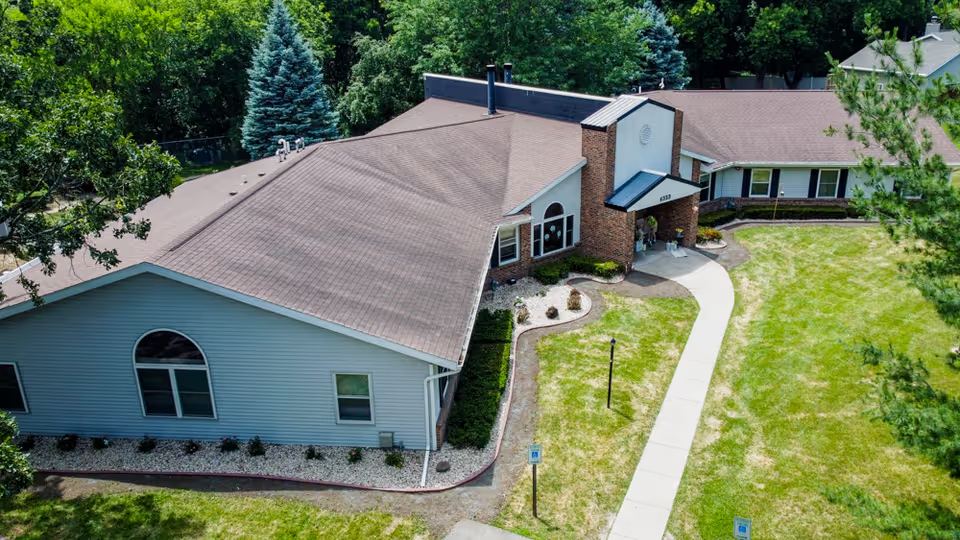
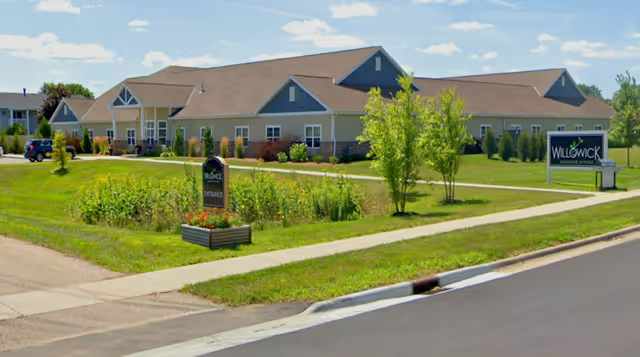
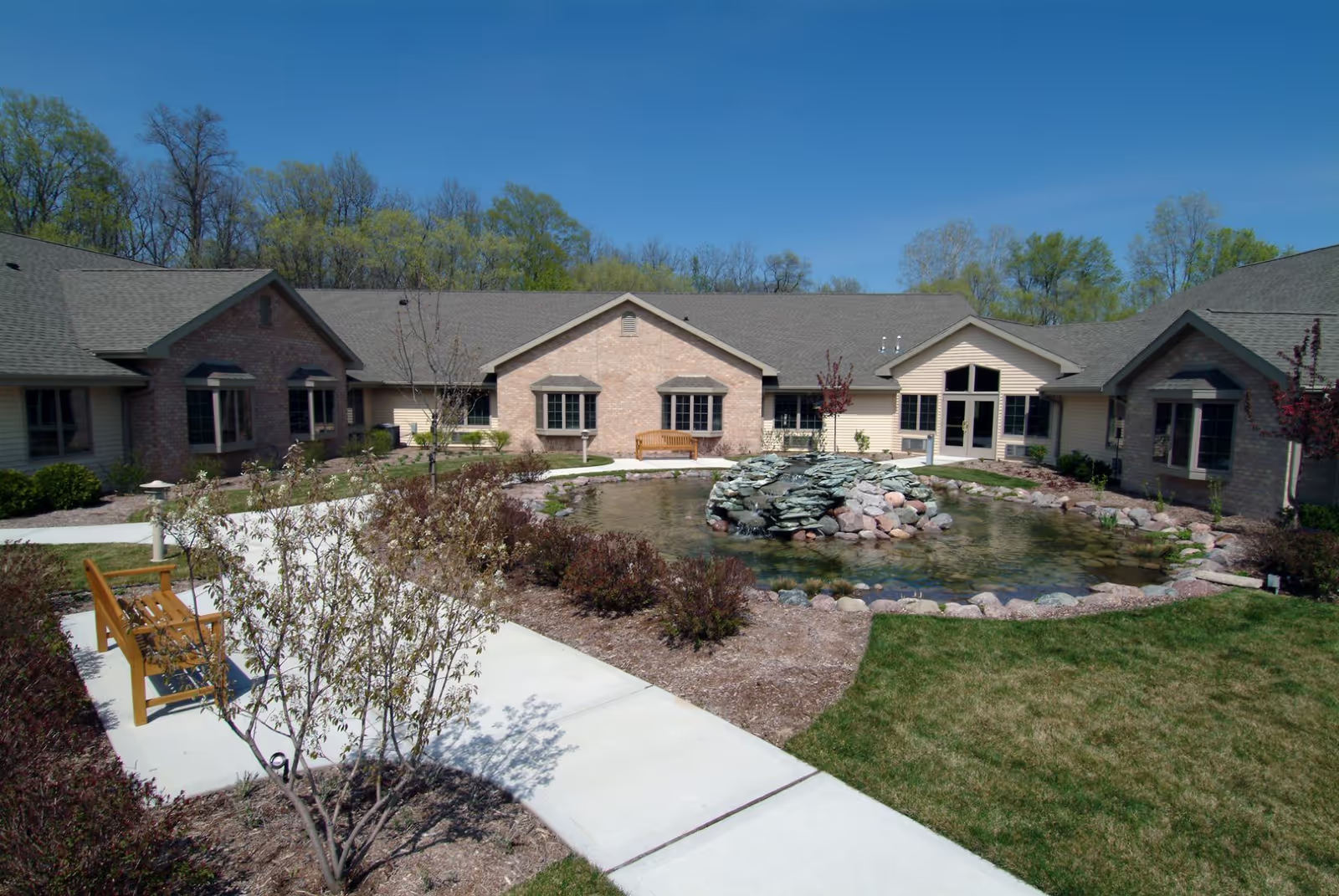
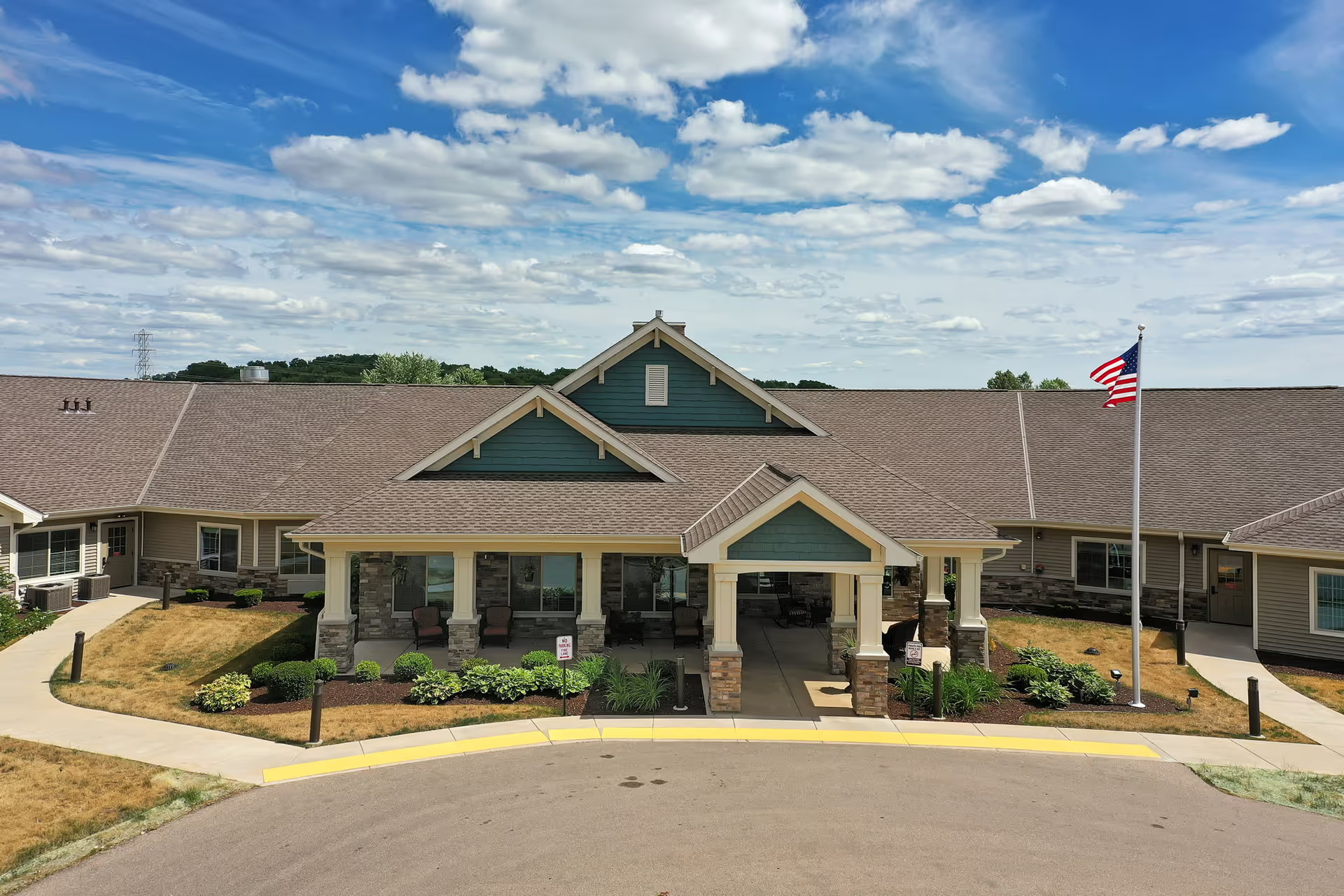
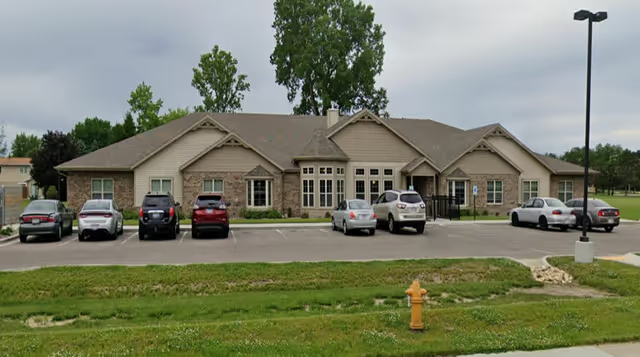
Huntington Place presents as a modern, well-appointed senior living community with several operational strengths alongside recurring operational weaknesses. Many families praised the facility's physical environment — contemporary apartments, refreshed common areas, natural light, and amenities such as courtyards, sunrooms, an on-site store, and multiple dining rooms. The campus supports socialization with frequent events, trips, religious services, and exercise programs; admissions and move-in experiences were often described as smooth and well managed by front-line staff.
Care and staffing receive mixed but instructive feedback. Numerous comments describe caring, professional, and attentive frontline caregivers, with particular praise for executive staff who are visible and hands-on. Huntington Place is also noted for staff knowledge in Alzheimer’s and dementia care and for monitoring practices intended to prevent isolation. At the same time, reviewers commonly describe inconsistent staffing levels: short-staffing led to delayed responses to call lights, long waits for assistance, and variability in the timeliness of personal care. These staffing inconsistencies appear to drive many families’ concerns about day-to-day care reliability and clinical oversight, including medication-management and transfer-safety practices.
Dining and activities are important drawcards but show variability. Many residents and families praised the restaurant-style dining, portion sizes, and special meals; others cited reduced lunch entrées, high-sodium options, limited low-salt choices, and occasional cold or poorly prepared items. Activities programming is robust on paper — bingo, happy hours, outings, and faith-based services are regularly offered — and several reviewers noted improved programming under newer staff. However, there are also accounts of low resident participation and memory-care activities that some found juvenile or insufficiently engaging for residents with advanced cognitive needs.
Facility maintenance, housekeeping, and safety produce mixed impressions. The building is generally described as clean and well-kept, with efficient maintenance when functioning as expected. Conversely, there are recurring sanitation concerns and hygiene oversight gaps reported in some units — particularly within memory-care areas — which families flagged as unacceptable. Reports of inconsistent follow-up on maintenance requests, missing or delayed repairs, and occasional security or property-control issues (including property access and allegations of theft and property mishandling) indicate weaknesses in operational controls and family trust that leadership will need to address.
Management, communication, and financial administration are another area of divergence. Positive experiences cite clear communication, responsive leadership, and helpful business-office interactions. Negative accounts focus on leadership turnover, billing errors, opaque extra charges, delayed refunds, unexpected rent increases, and inconsistent follow-through on resident or family concerns. These management-level inconsistencies often amplify clinical and operational complaints and are a central reason some families recommend caution.
In sum, Huntington Place offers many features families seek — a modern physical plant, active social programming, a generally friendly caregiving culture, and specialized dementia training — but prospective residents and their families should evaluate two things carefully: the current staffing stability and the facility’s approach to clinical oversight and sanitation in memory-care areas; and the clarity of financial policies and security controls. A recommended approach is to arrange multiple visits (including unannounced or weekend times), inquire about current staffing ratios and turnover, request sample menus and therapeutic-diet accommodations, review written billing and fee policies, and ask for recent incident/quality metrics or references from current families in similar care levels before deciding.