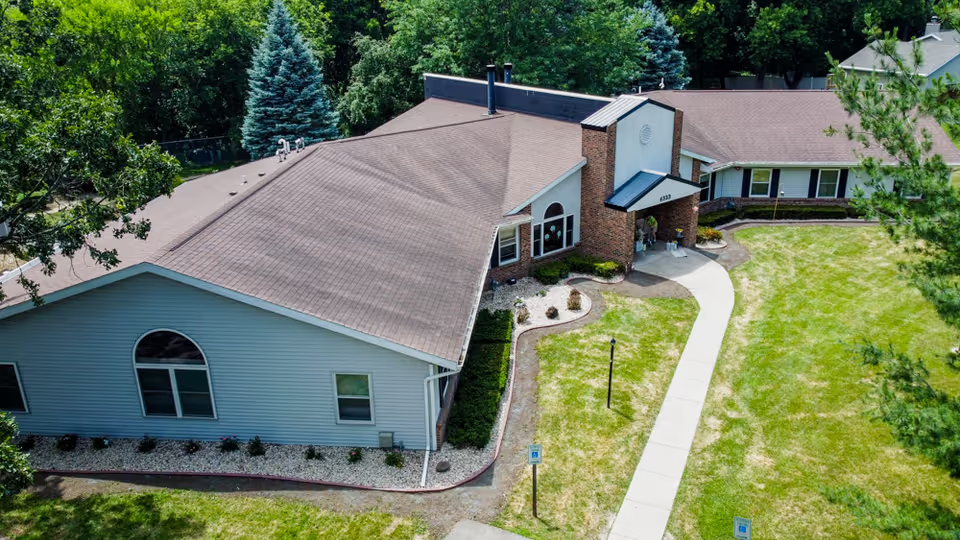
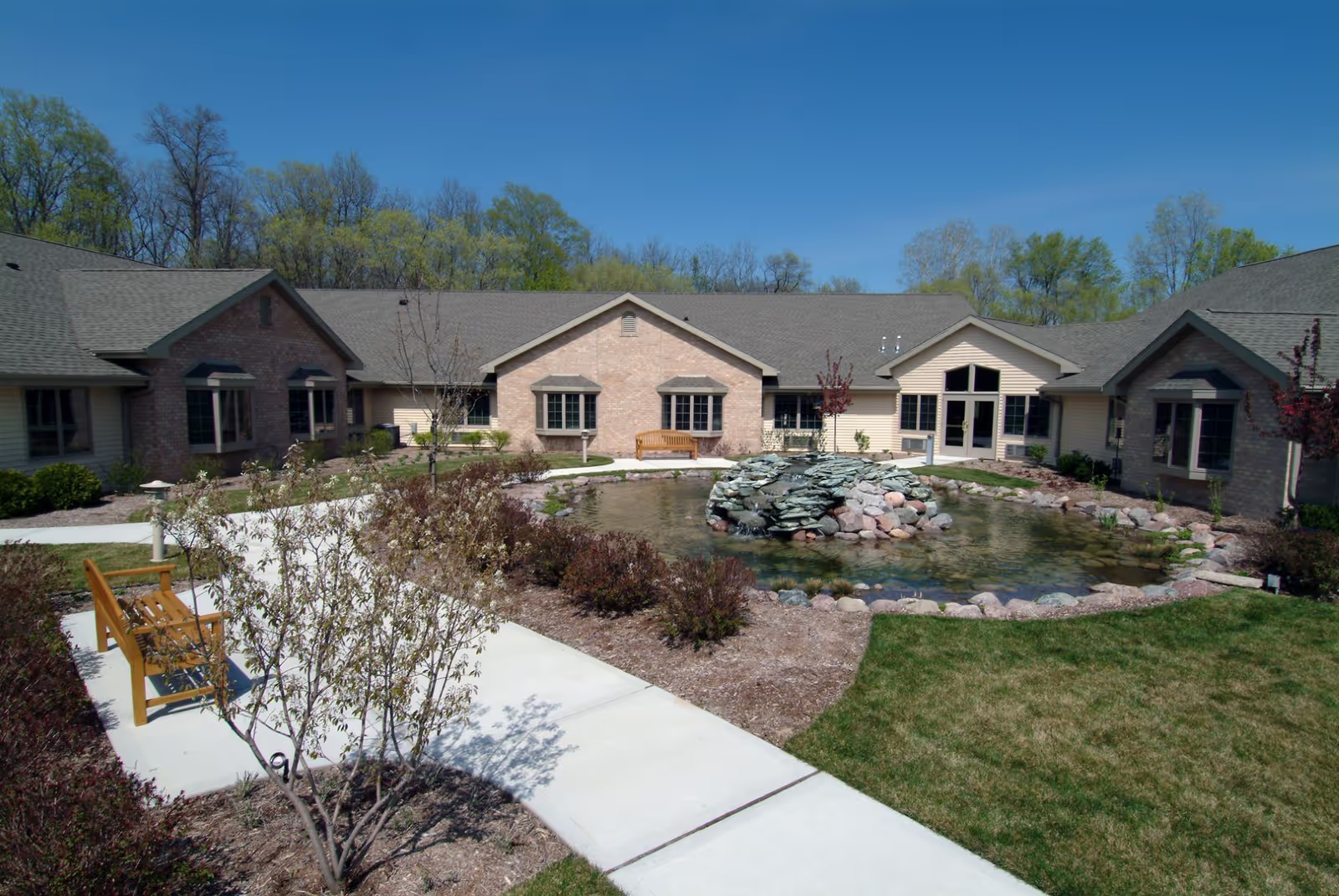
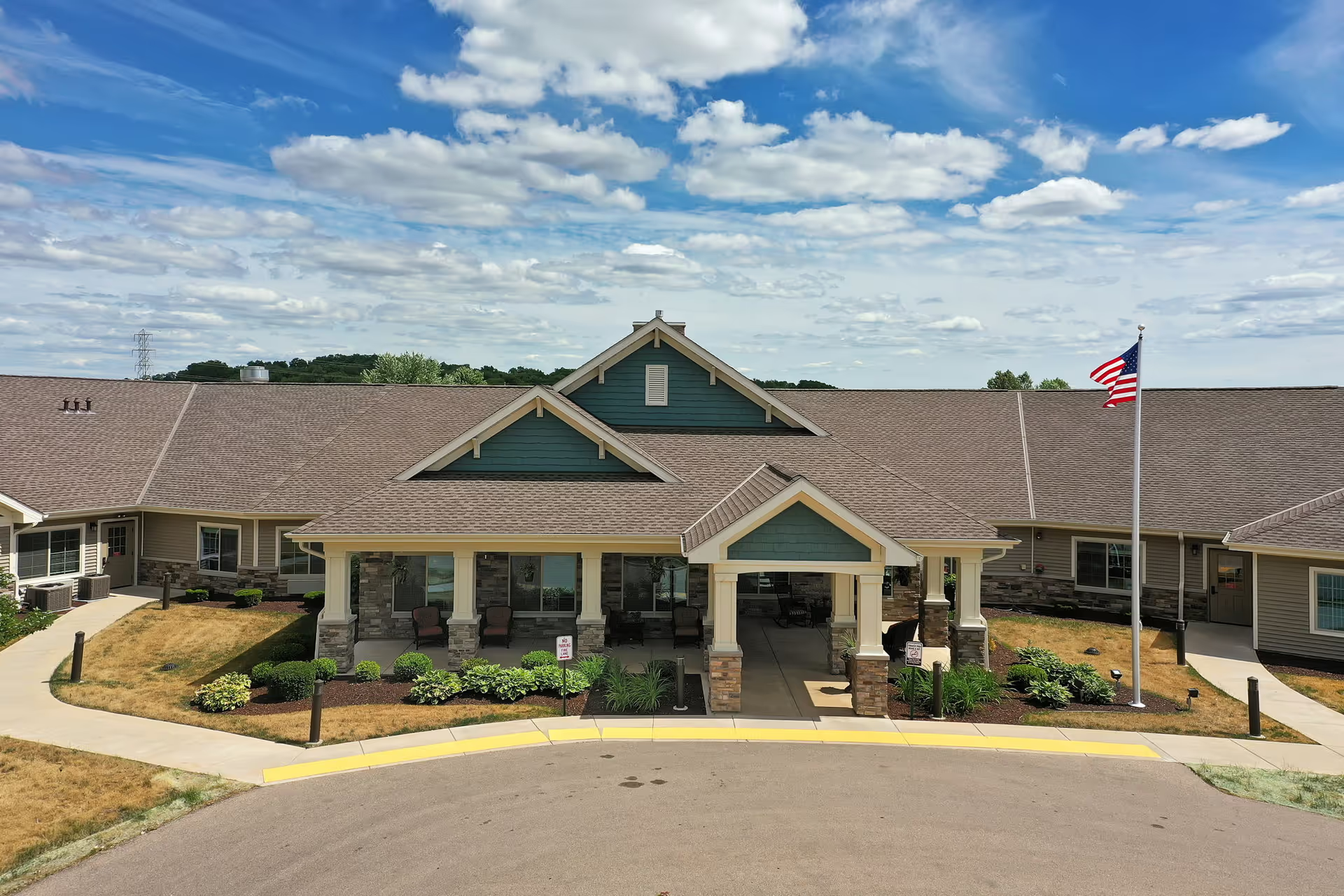
The reviews present a mixed picture of St Elizabeth Home, with clear strengths in rehabilitation and individualized caregiving alongside persistent operational weaknesses. Rehabilitation and physical therapy are frequently cited as strong points: several families described effective short-term therapy that supported recovery. Many reviewers also praised individual staff members for kindness and attentiveness, and the facility's pastoral presence and end-of-life support were noted positively. The building's historic, homelike character and convenient downtown location (park across the street) are consistently identified as comforting features that support family visits and social connection.
At the same time, a number of facility-level issues recur. Nursing responsiveness and call-light response times are a common concern; families described long waits and difficulty locating nursing staff. Reviewers also described apparent short-staffing and limited on-site clinical availability, which reviewers linked to delays in attending to resident needs and inconsistent medication administration. Housekeeping and sanitation practices were described as irregular, including infrequent room and bathroom cleaning and inconsistent linen changes. Relatedly, some families reported problems with personal-property security and missing items; these accounts have led to external involvement by advocacy channels in at least one instance.
Dining and daily living produce mixed impressions. The on-site chef and some comfort-style menu items (including Latinx-influenced options) received praise, but reviewers also described bland or inconsistent meal quality and occasions when dietary restrictions were not strictly followed. Transportation coordination for medical appointments and unclear billing or therapy-charge practices were additional operational concerns mentioned by families. Reviewers highlighted episodes of poor communication or management instability—changes in ownership, management issues, and Ombudsman involvement were specifically referenced—suggesting gaps in administrative oversight and family communication pathways.
In practice this produces a polarized experience: some residents and families report compassionate care, successful rehab outcomes, and a welcoming atmosphere, while others experienced lapses in responsiveness, cleanliness, security, and coordination. Prospective residents and families would be well advised to inspect housekeeping routines, verify current staffing and clinical coverage, ask about property-security protocols, review how medications and dietary restrictions are managed, and inquire about transportation and billing practices. Checking state inspection records and speaking with the local Ombudsman or recent families can help clarify whether the operational weaknesses cited have been addressed.