The reviews reflect a facility with significant strengths in rehabilitative care and individual caregiving, alongside recurring operational weaknesses. Therapy services are consistently praised — therapists are described as knowledgeable, goal-oriented, and effective in producing measurable mobility improvements. Many families highlighted specific staff who provided personalized attention and emotional support, and several accounts describe compassionate CNAs and a social-work presence that helped families navigate care. These elements make the facility a viable option for short-term rehabilitation or residents who benefit from intensive therapy.
At the same time, reviewers describe notable variability in nursing care, staffing, and clinical oversight. Concerns include inconsistent caregiver responsiveness, long call-light waits, and uneven staff conduct across shifts, with nights identified as particularly vulnerable to understaffing. There are also operational gaps related to medication management and the availability of emergency medications during urgent events, and an elevated need for emergency services and prolonged response intervals was noted. These issues suggest uneven implementation of clinical and safety protocols.
Dining and activities show a mixed picture. Daytime programming and special events (cards, seasonal parties) are highlighted as positive contributors to social engagement, but activity offerings are limited on weekends and after mid-afternoon. Food quality and service varied in reviewers’ accounts: some found meals satisfactory and varied, while others described cold food, high-carbohydrate menus, and limited support for special diets. Families needing strict dietary accommodations should confirm the facility’s capabilities in advance.
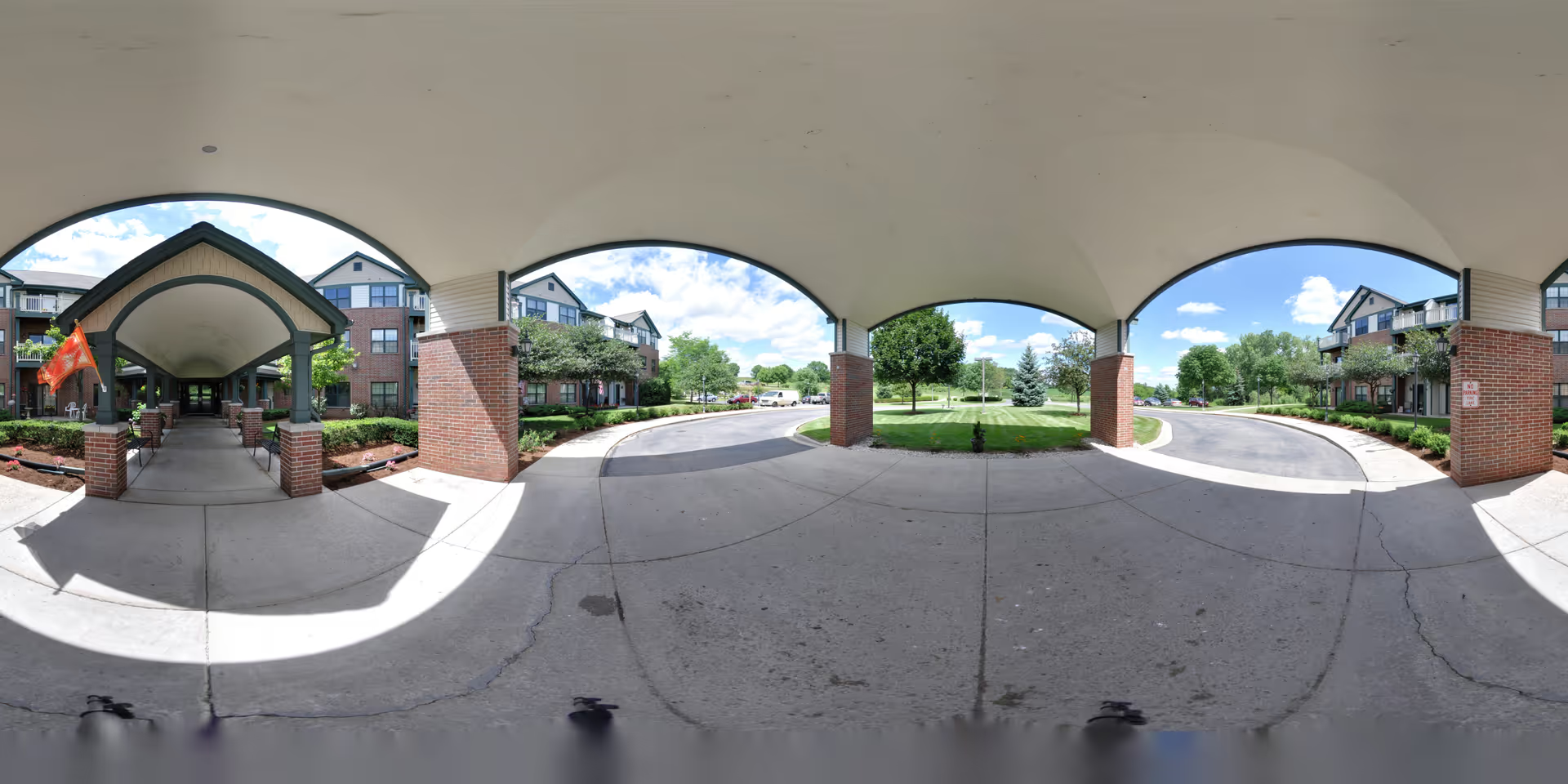
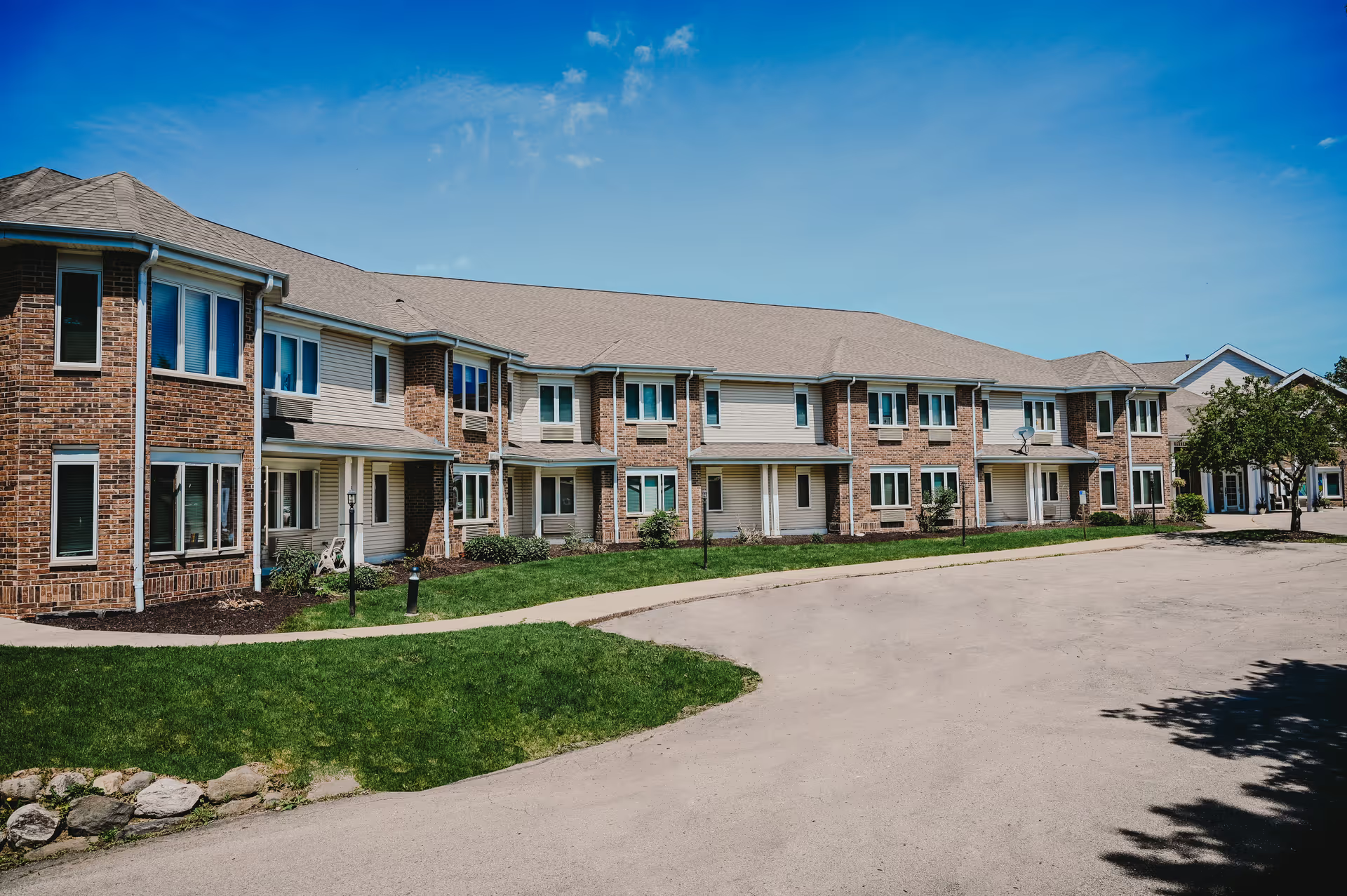
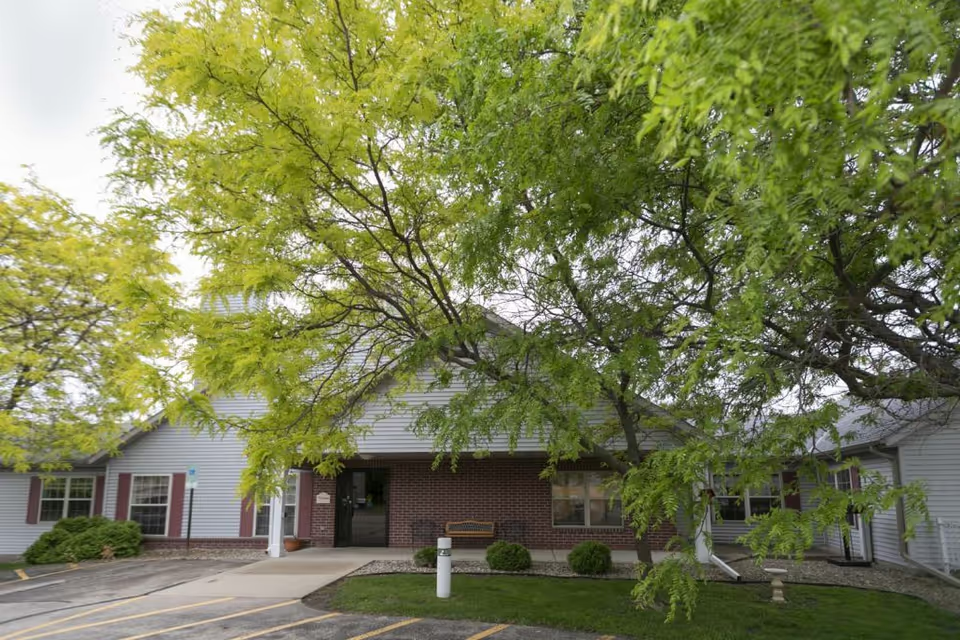
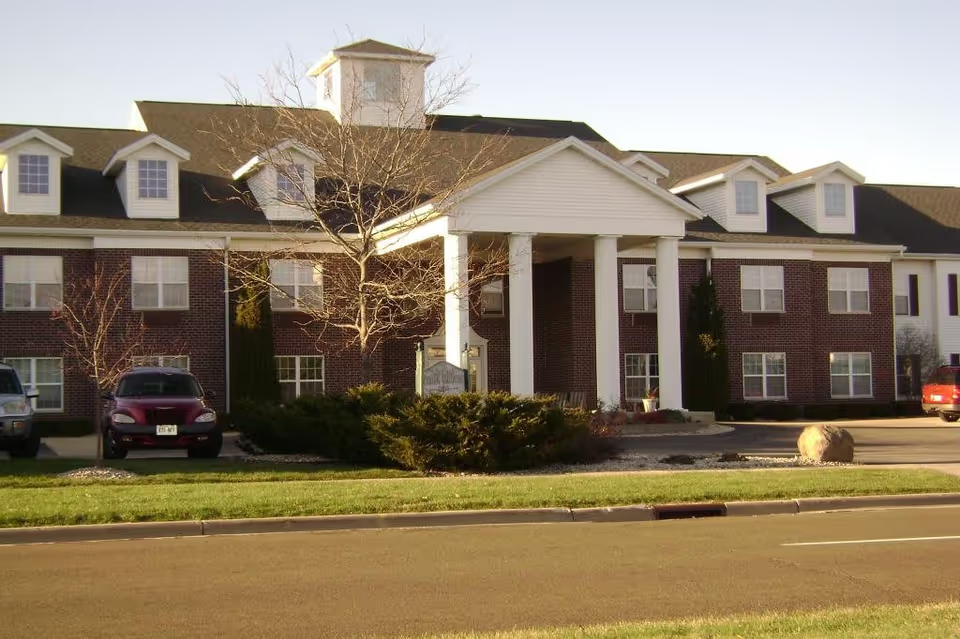
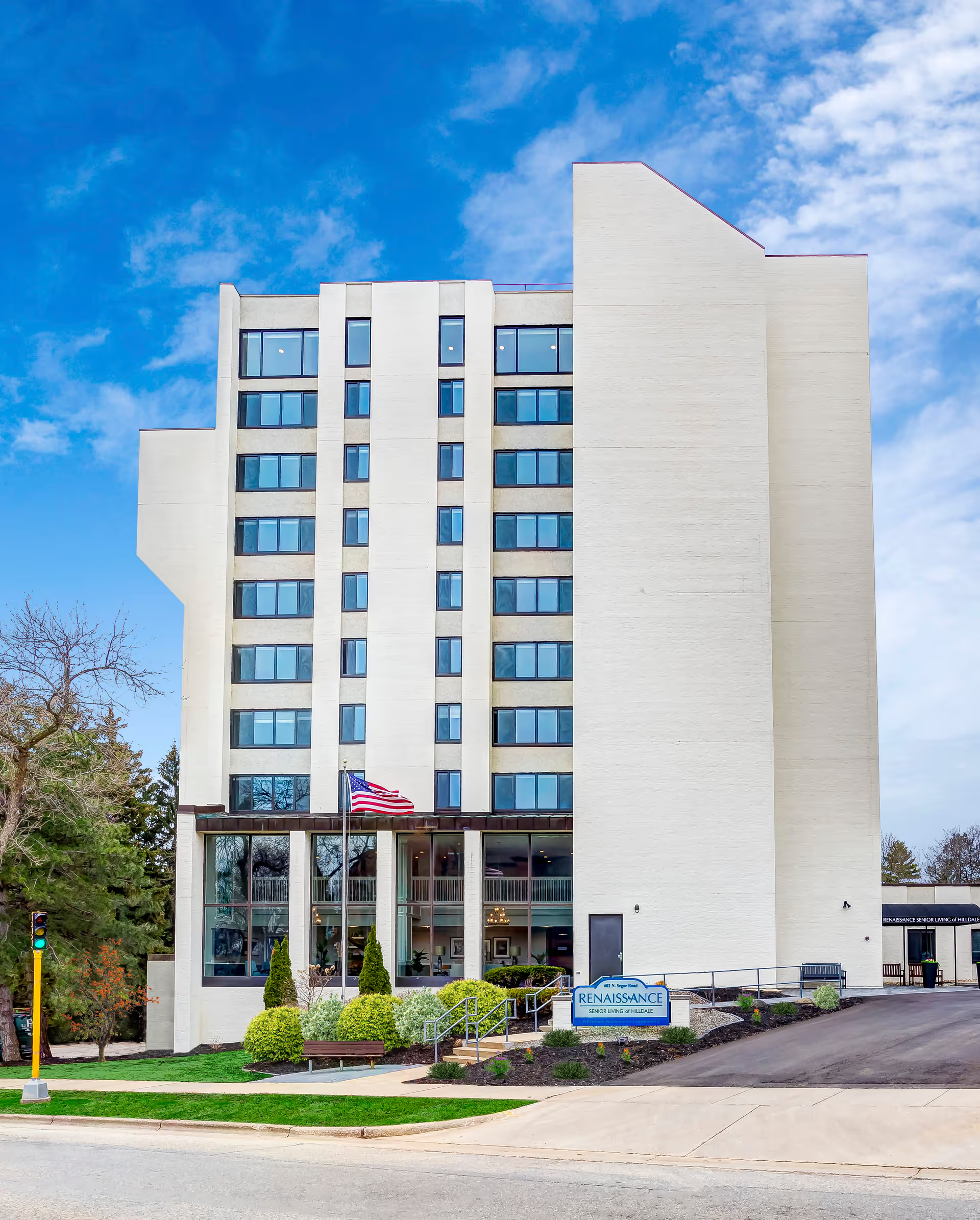
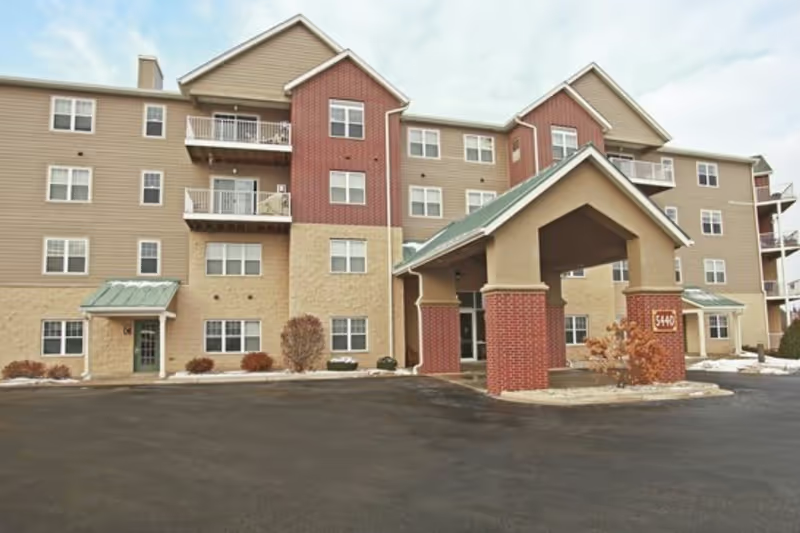
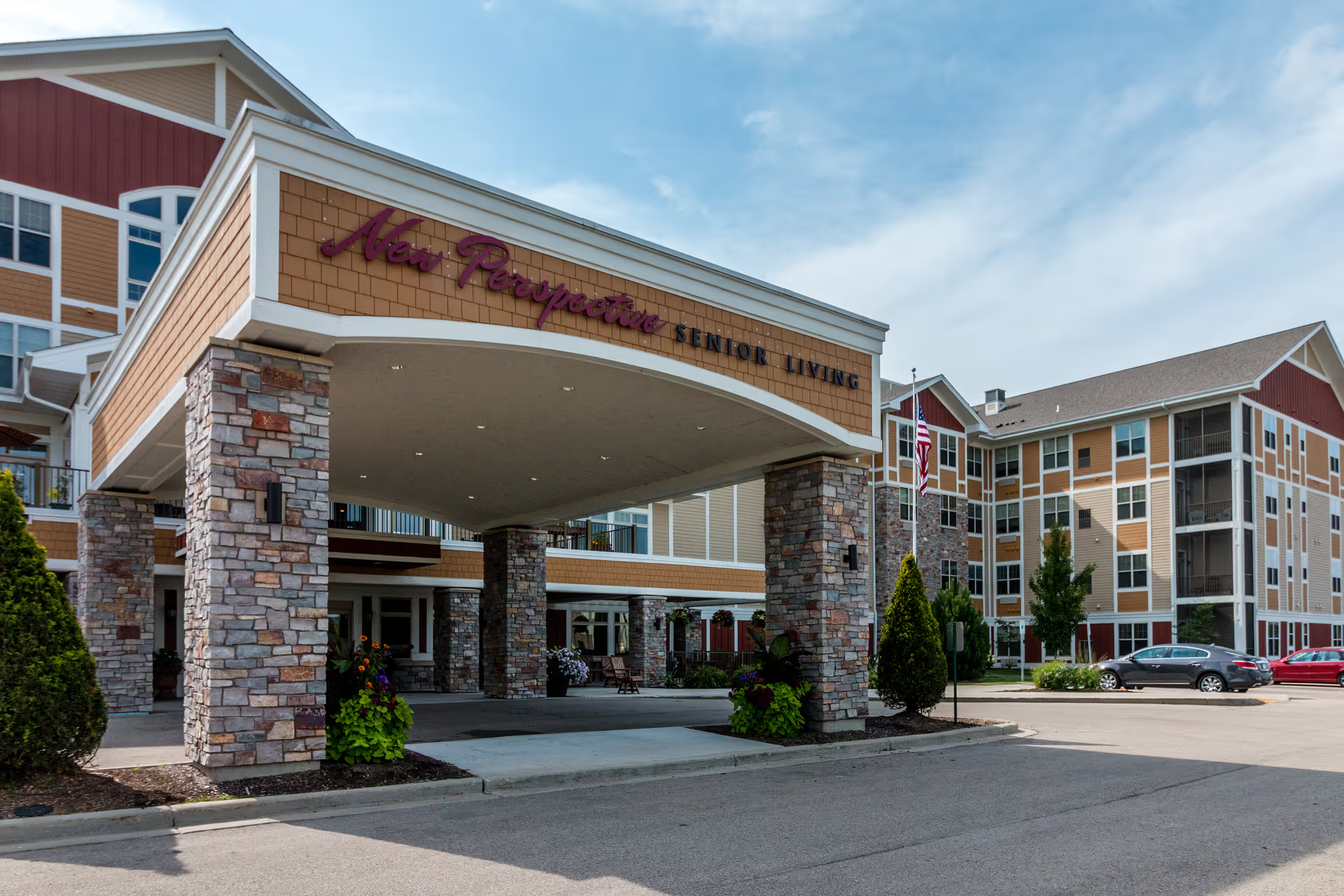
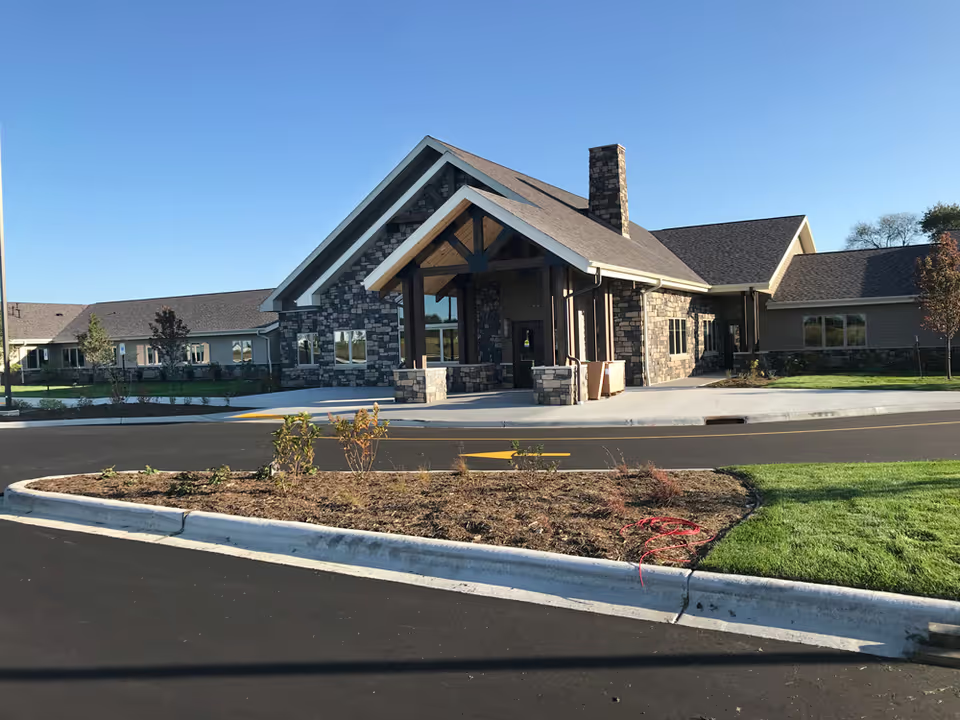
Facility and management issues also appear repeatedly. Physical spaces include well-lit common areas and recent carpeting, and there is on-site therapy space; however, room size and privacy are concerns due to semi-private arrangements and small rooms. Reviewers raised cleanliness and persistent odor concerns in some hallways and common areas, as well as lapses in laundry and personal-item handling. Security and front-desk accessibility emerged as administrative weaknesses — examples include unsecured common areas, difficulty reaching staff by phone, and inconsistent customer-service interactions. Communication between nursing, therapy, and management was described as fragmented in several accounts, complicating care coordination and family engagement.
Overall, the facility demonstrates clear strengths in rehabilitation and certain caregiving relationships, but families should weigh those positives against recurring operational concerns: inconsistent staffing and responsiveness, clinical-safety process gaps, variable environmental cleanliness, limited after-hours programming, and administrative communication problems. Prospective residents and families would be prudent to tour during multiple shifts, ask for documentation of medication and emergency protocols, verify dietary and laundry procedures, and confirm weekend/activity schedules before placement.