Overall impression Reviews of Vista Pointe Assisted Living present a polarized picture: many families describe a warm, clean, and well-run community with attentive caregivers and good food, while others describe operational weaknesses that materially affected care. The balance of feedback suggests the facility has notable strengths in daily living supports and hospitality but also recurring process issues that prospective residents and families should clarify during a tour.
Care quality and staff A substantial portion of feedback emphasizes compassionate, attentive caregivers who deliver hands-on personal care, specialized services (for example ostomy care), and supportive end-of-life attention. Several families credited staff with improving residents' comfort and weight through consistent feeding and care. At the same time, there are repeated operational concerns: understaffing, especially during certain shifts, was linked to delays in responding to toileting and other time-sensitive needs. Reviewers also described variability in staff professionalism and interpersonal conduct, and some raised serious concerns about staff behavior and end-of-life communication. Clinical oversight was described as inconsistent by some families — the facility maintains on-site nursing, but physician presence and follow-up were characterized as intermittent.
Dining and activities Dining is frequently highlighted as a strength. Multiple accounts reference varied menus, fresh fruit and bakery options, and meals that supported weight maintenance or gain for residents. The community offers a range of activities, including arts-and-crafts programs, which many residents reportedly enjoy. Observations of meal quality and programming were largely positive and are among the facility’s consistent favorable attributes.
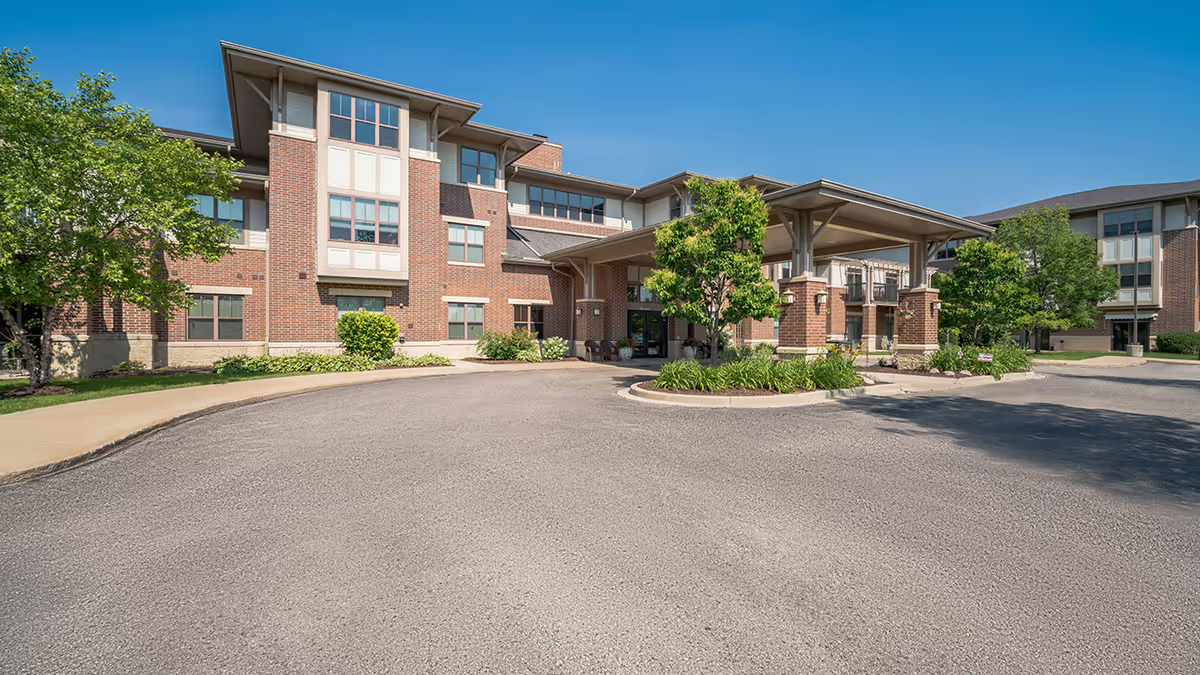
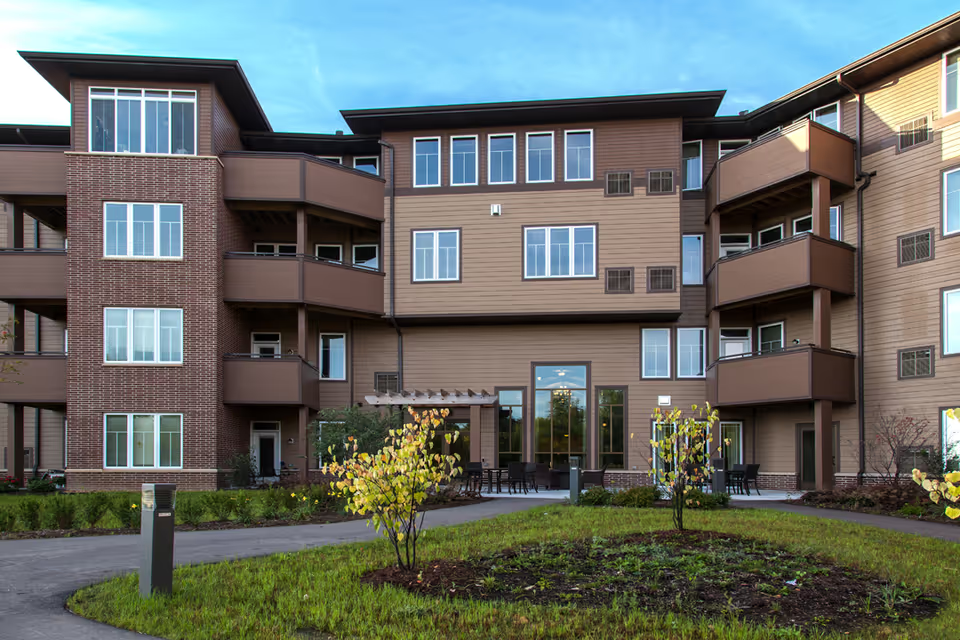
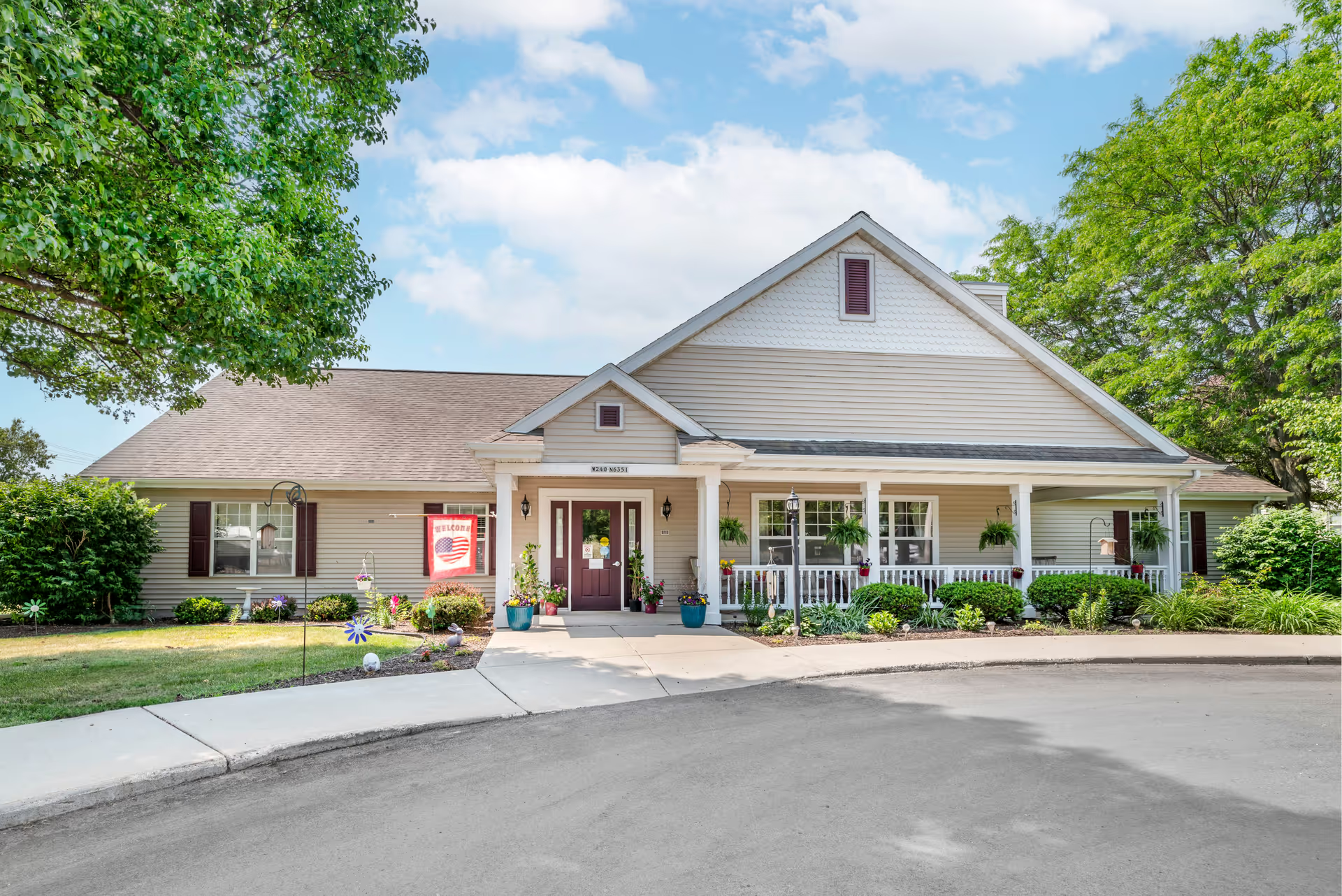
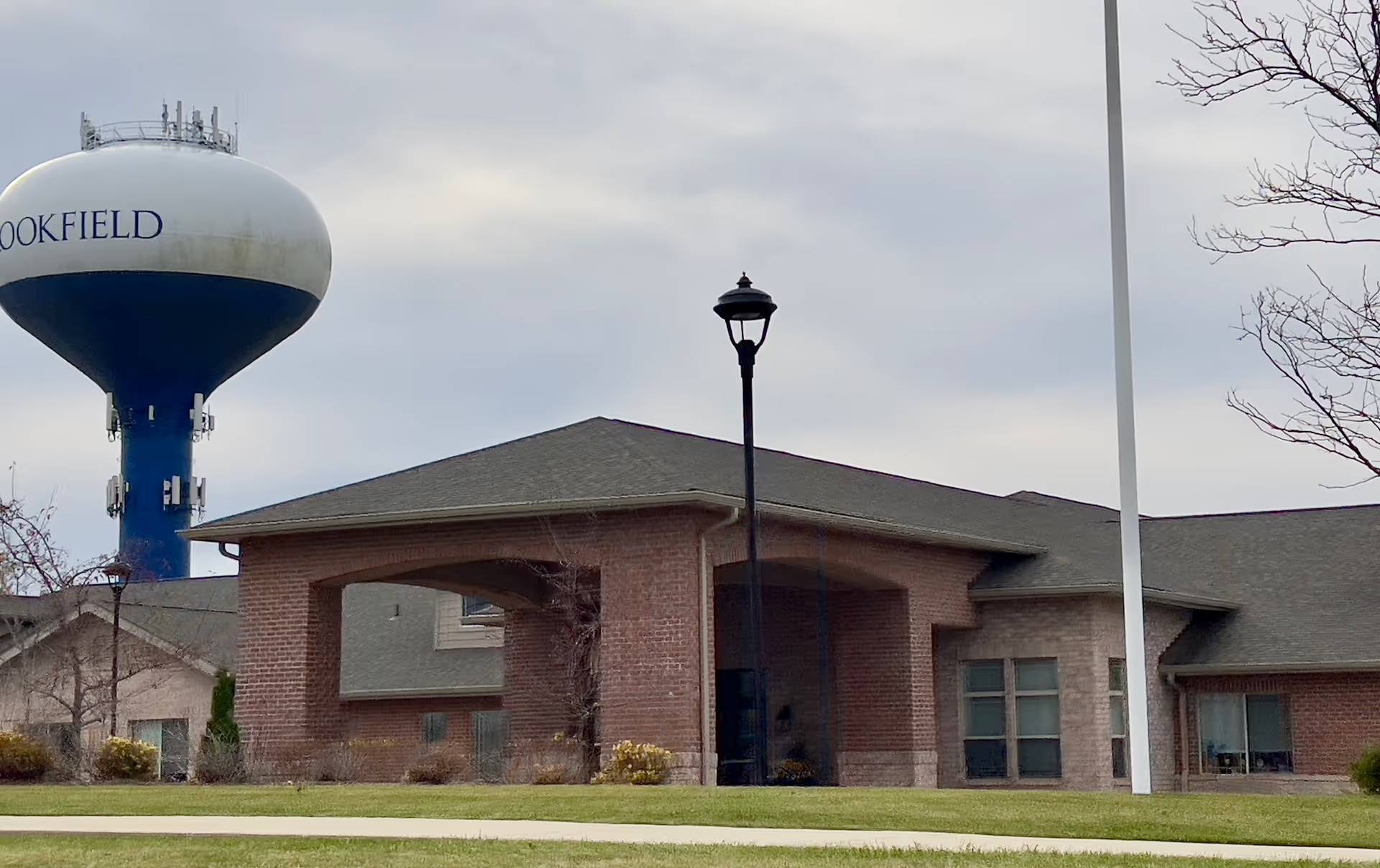
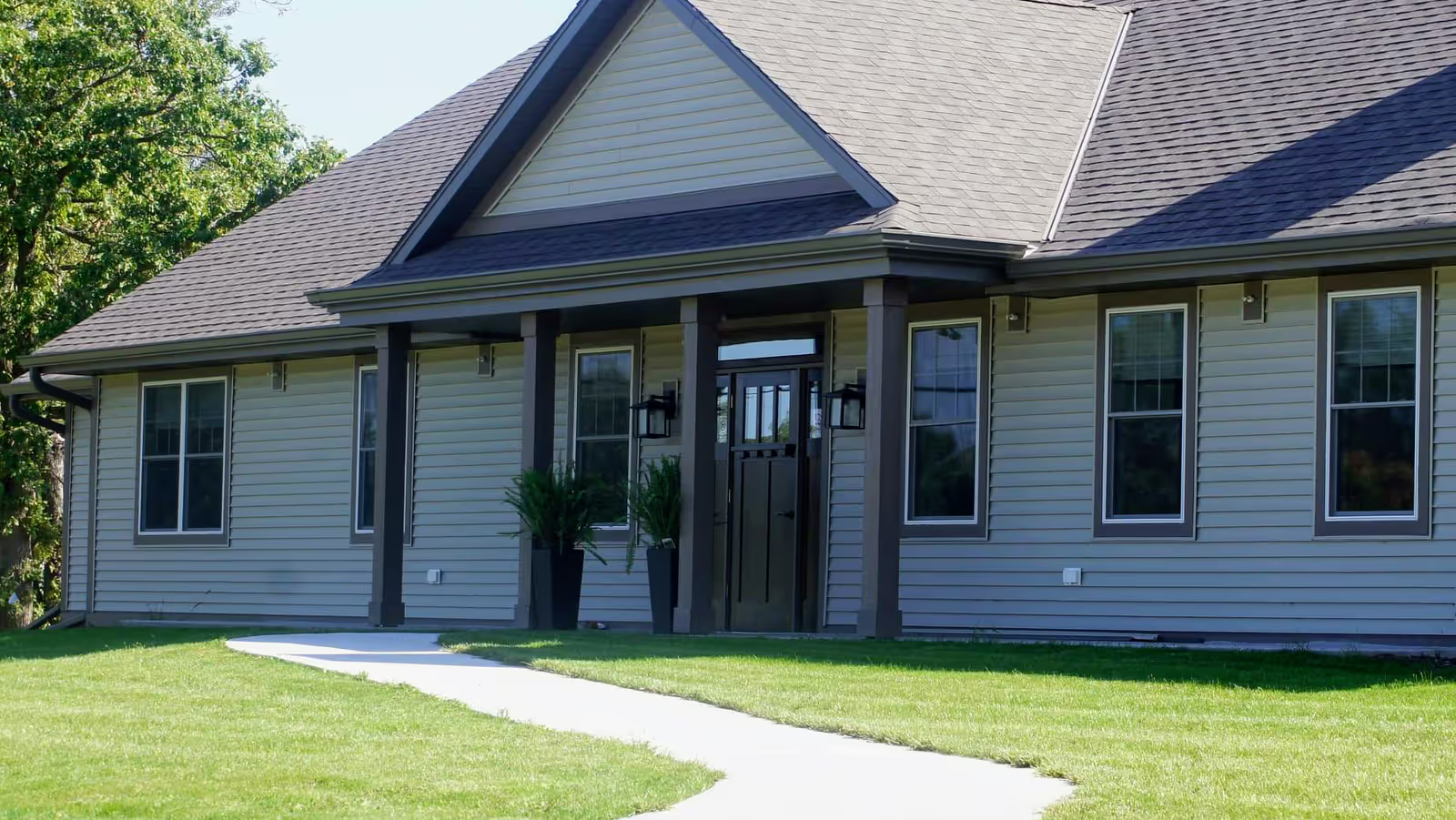
Facilities and environment Physical plant observations tend to be positive: reviewers describe a clean, attractive, and well-kept building with pleasant common spaces and comfortable rooms that convey a home-like atmosphere. A minority of comments characterize some areas as darker or more institutional in feel; overall cleanliness was generally praised, but there were isolated sanitation and infection-control concerns that families should address directly with administration.
Management, communication, and operations Accounts of leadership are mixed. Several families found the owner and nurse-manager approachable, responsive, and effective at arranging admissions and answering questions. Conversely, other reports cite difficulty reaching management, inconsistent communication about care plans, and an on-site physician who is not consistently present. Financial and policy matters also surfaced: the facility charges additional fees (for example, a medication dispensing fee) and does not accept certain public payors, which may limit long-term financing options for some families.
Notable patterns and guidance for families The dominant pattern is one of variability: strong hands-on caregiving and good hospitality in many cases, contrasted with operational gaps that can affect timeliness and clinical continuity. Night and after-hours performance, staffing ratios, infection-control procedures, and physician availability were recurring areas of concern. For prospective residents and families, suggested focus areas during a visit include staffing levels by shift, response-time expectations for personal-care needs, infection-prevention protocols, the schedule and role of nursing and physician staff, a clear breakdown of fees and payer acceptance, and opportunities to observe a meal or activity. Verifying references and speaking with current families can help assess whether the facility’s strengths are consistently delivered for a particular resident’s needs.