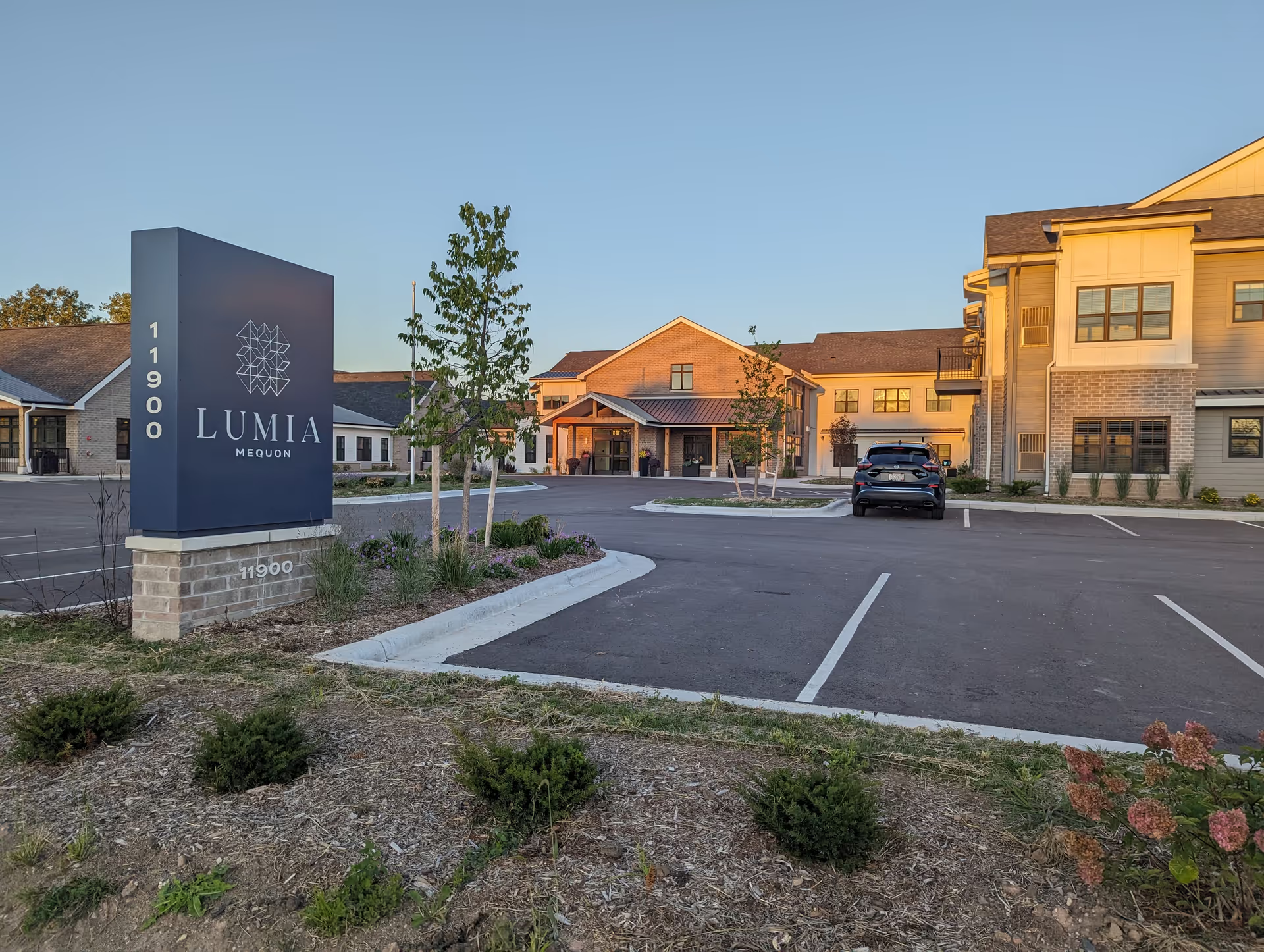
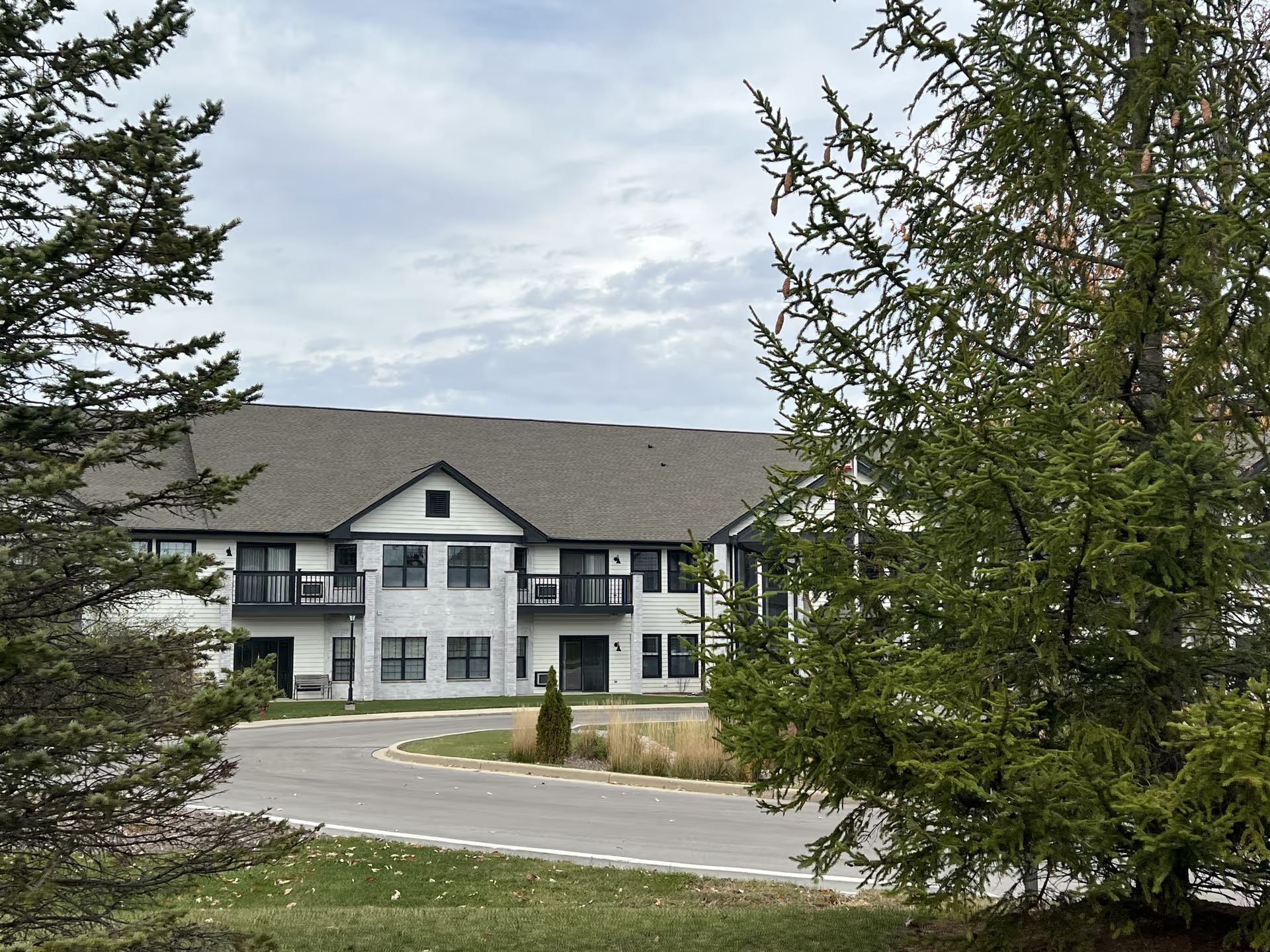
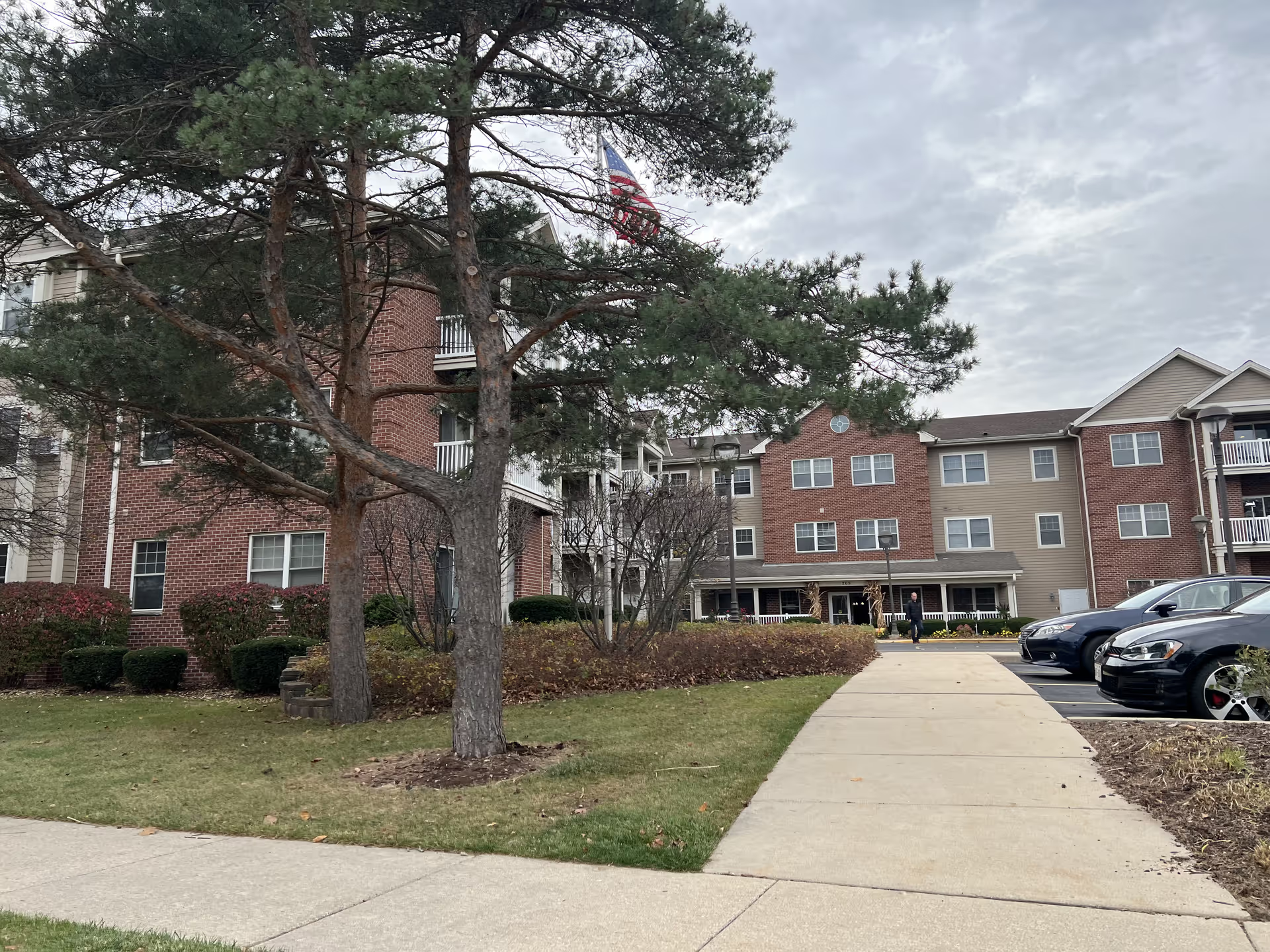
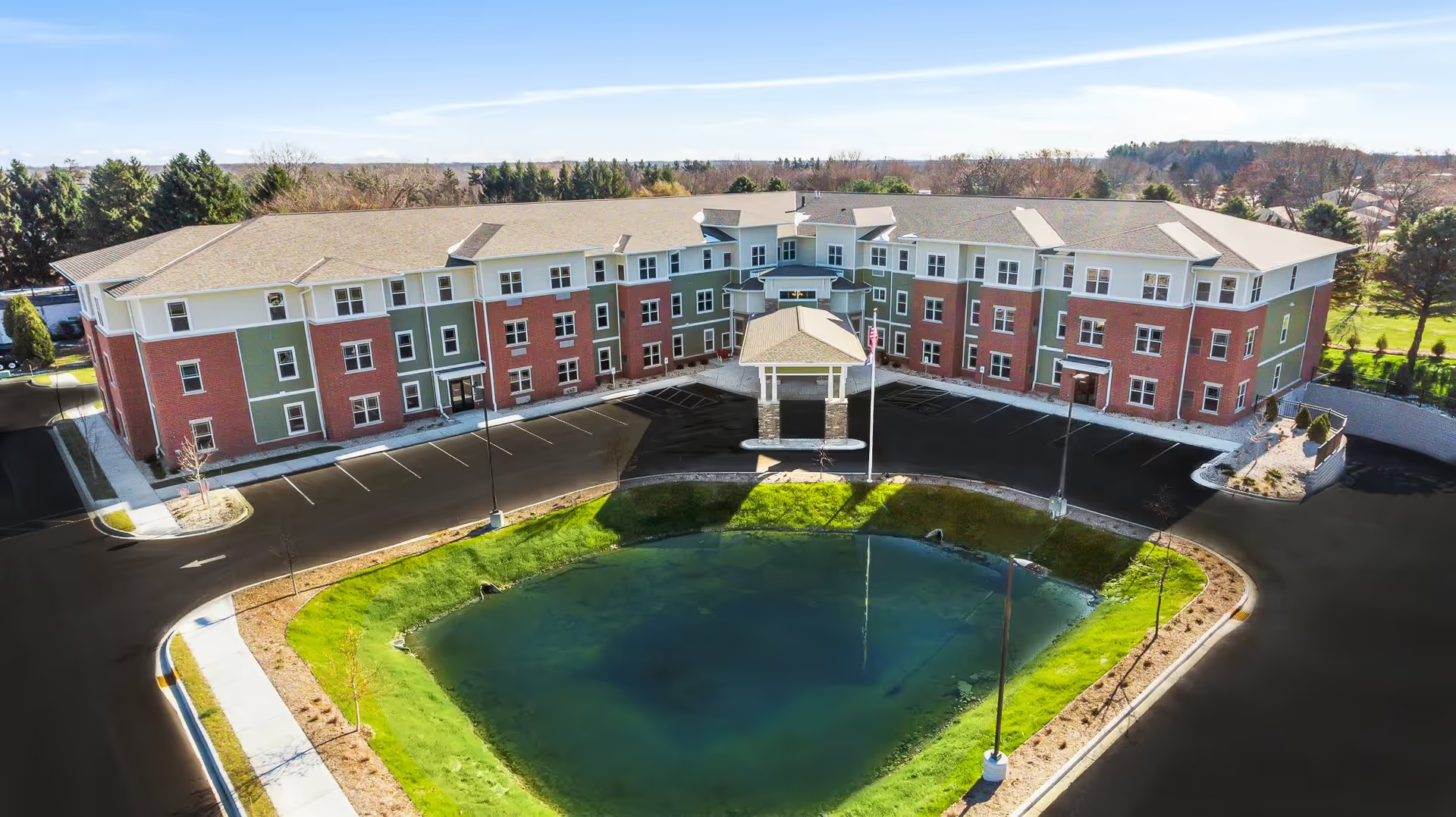
NewCastle Place receives broadly positive evaluations for its hospitality, campus, and programming. Reviewers consistently praise the facility’s physical environment—well-maintained grounds, bright common areas, and spacious apartments—and point to strong maintenance and housekeeping. Dining is frequently described as a strength: varied menus, well-executed presentation, temperature-controlled plating, and room-service options draw repeated commendation. Residents and families also highlight the availability of therapy services (physical and occupational), a robust activities schedule (fitness classes, social events, chapel services, crafts, outings), and concierge-style front-desk and transportation services.
Care quality elicits mixed but generally favorable assessments. Many accounts describe compassionate, attentive nursing and caregiving staff who provide personalized attention and effective rehabilitation that leads to measurable recovery. Social services and activity staff are noted for creating a family-like atmosphere that supports residents’ engagement. At the same time, there are recurring operational concerns: delayed medication administration, slow processing of clinical orders, gaps in call-response systems, and inconsistent documentation. These issues appear often tied to staffing pressures—night shifts and memory-care units are specifically called out as areas with insufficient coverage. A subset of reviewers also described problems with safe-transfer practices and inconsistent charting, which point to areas of clinical-process risk that prospective families should review with management.
Staffing and management are reported in two tones. Many reviewers single out warm, helpful, and proactive employees and praise leadership for clear communication—especially during pandemic-related restrictions—while other reports describe overworked staff, internal disagreements, or intermittent absence of supervisory presence during incidents. Management is frequently credited with responsive maintenance and timely communication about activities and infection-control measures. However, families who experienced care lapses described slower escalation, delays in supervisory approvals for clinical orders, and variable follow-up after incidents.
Facilities and amenities are strong selling points but not uniformly consistent. The community offers a wide range of amenities—pool, whirlpool, fitness center, beauty salon, chapel, and frequent entertainment—but there are mentions of intermittent amenity outages and at least one review noting a rehab room that was small and dated. Apartments may lack full kitchen appliances in some units (no dishwasher/cooktop/oven/disposal cited), so prospective residents should confirm unit specifications. Memory-care and rehab-unit quality show variability across reports: some families describe excellent, family-like care, while others report insufficient direct-care staffing and shortcomings in personal-care monitoring.
Dining and activities remain a major attraction, with many residents describing regular classes, social events, and active programs that persisted in adapted form during COVID (outdoor or in-room activities, TV exercise, doorstep engagement). Food quality is frequently praised, though a minority of reviewers feel meal quality has declined from earlier standards and note dining-room staffing can slow service and beverage refills.
Notable patterns for prospective residents and families: overall satisfaction and a strong community culture are common, balanced by operational weaknesses tied to staffing and clinical process controls. Cost is frequently described as high; many reviewers nevertheless consider the price acceptable given the amenities and level of care, while others question value relative to occasional service gaps. When evaluating NewCastle Place, families should ask targeted questions about current staffing ratios (day and night), medication-administration protocols and response times, the condition and availability schedule of key amenities, memory-care staffing and hygiene/ hydration monitoring practices, rehab-unit accommodations, documentation and escalation practices, and what specialist services are available on-site or by regular visiting clinicians. These checks will help determine whether the community’s strong amenities and culture align with an individual resident’s clinical and safety needs.