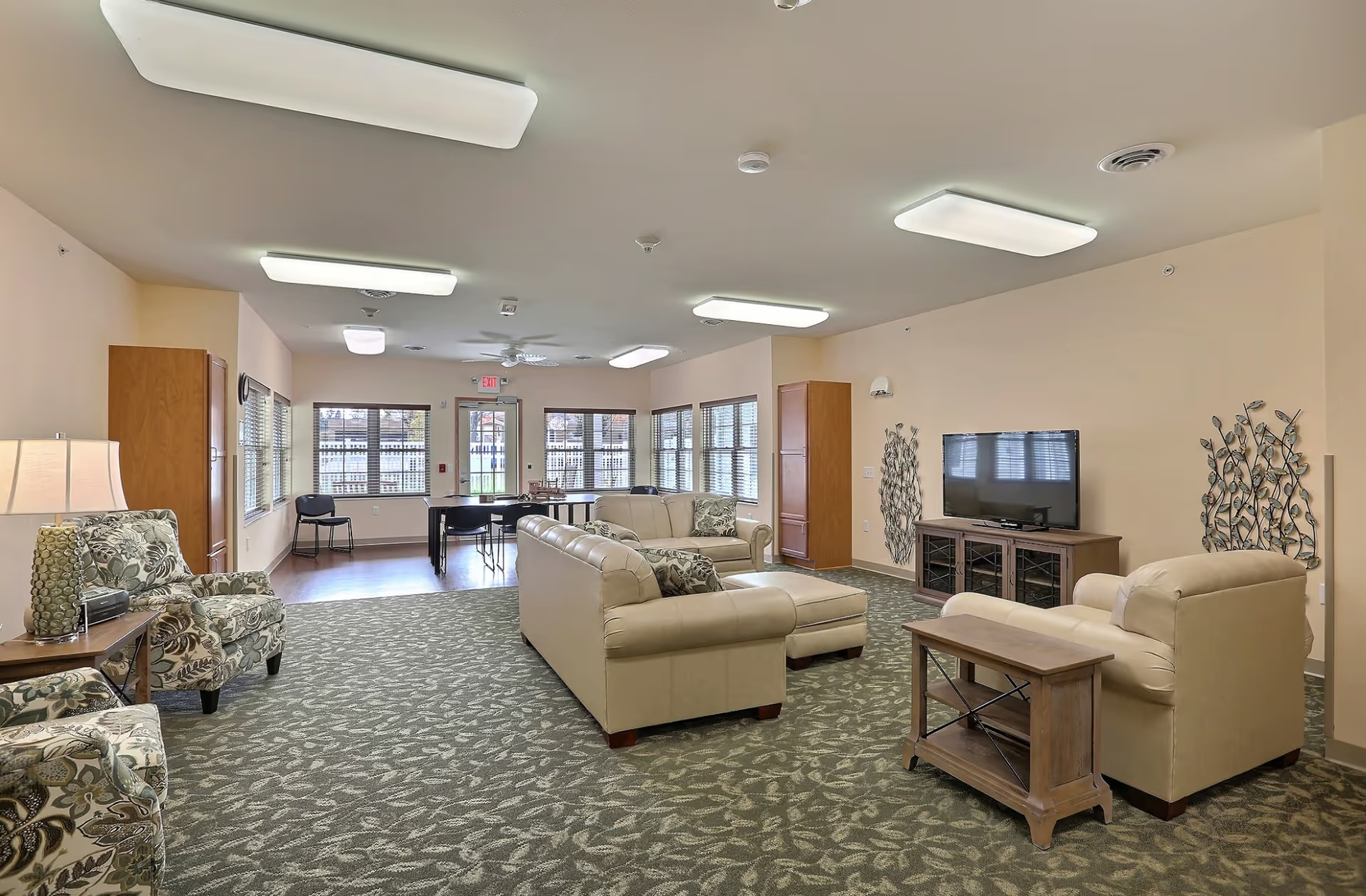
Reviewers describe a facility with clear strengths alongside notable operational weaknesses. Positive comments emphasize caring direct-care staff, generally clean and well-maintained public spaces, and accommodating physical layouts; a number of families described satisfactory placements and strong local experiences. At least one account characterized care as very high quality, and interpersonal interactions with staff are frequently cited as a benefit.
Care quality impressions are mixed. While some families experienced attentive care and positive outcomes, other reports point to systemic shortcomings that can affect day-to-day clinical experience: documented gaps in medication-management practices and incomplete medication documentation, limited frequency of therapy sessions for patients in rehabilitation, and variability in responsiveness to family concerns. These patterns suggest that clinical consistency may vary by unit or by staffing shift.
Staff and management performance receive both praise and criticism. Many reviewers praised individual staff for warmth and helpfulness, but others described incidents consistent with concerns about staff conduct and communication tone. Family trust appears to be affected by inconsistent transparency—examples include missing medication lists and unclear explanations of care plans. Management-level policies also drew attention: the facility enforces restrictive access controls (including locked wards and password access) and has applied COVID-related visitation limits, but reviewers described inconsistent application of quarantine and visitor protocols.
Dining and therapy are areas of divergence. Several families reported dissatisfaction with food quality, indicating variable dining standards. Rehabilitation services were described as inadequate in frequency by some families—one cited only a single therapy session—which raises questions about therapy-plan implementation for short-term rehab patients.
Facility infrastructure and the memory-care environment present mixed signals. Common areas are described as clean and accommodating, yet the memory-care unit was characterized as crowded in at least one account, with shared sleeping and toilet arrangements called out as a concern. That suggests potential capacity or room-assignment issues within the dementia-care unit.
Notable patterns for prospective residents and families to evaluate: confirm medication-administration and documentation procedures, verify the planned intensity and schedule of rehabilitation therapies, inspect memory-care rooming arrangements for privacy and occupancy, and ask for written visitation and infection-control policies and examples of how they are applied in practice. An in-person tour, direct conversations with unit managers, and review of care plans and medication lists are recommended to clarify which strengths and weaknesses will be most relevant to an individual resident's needs.