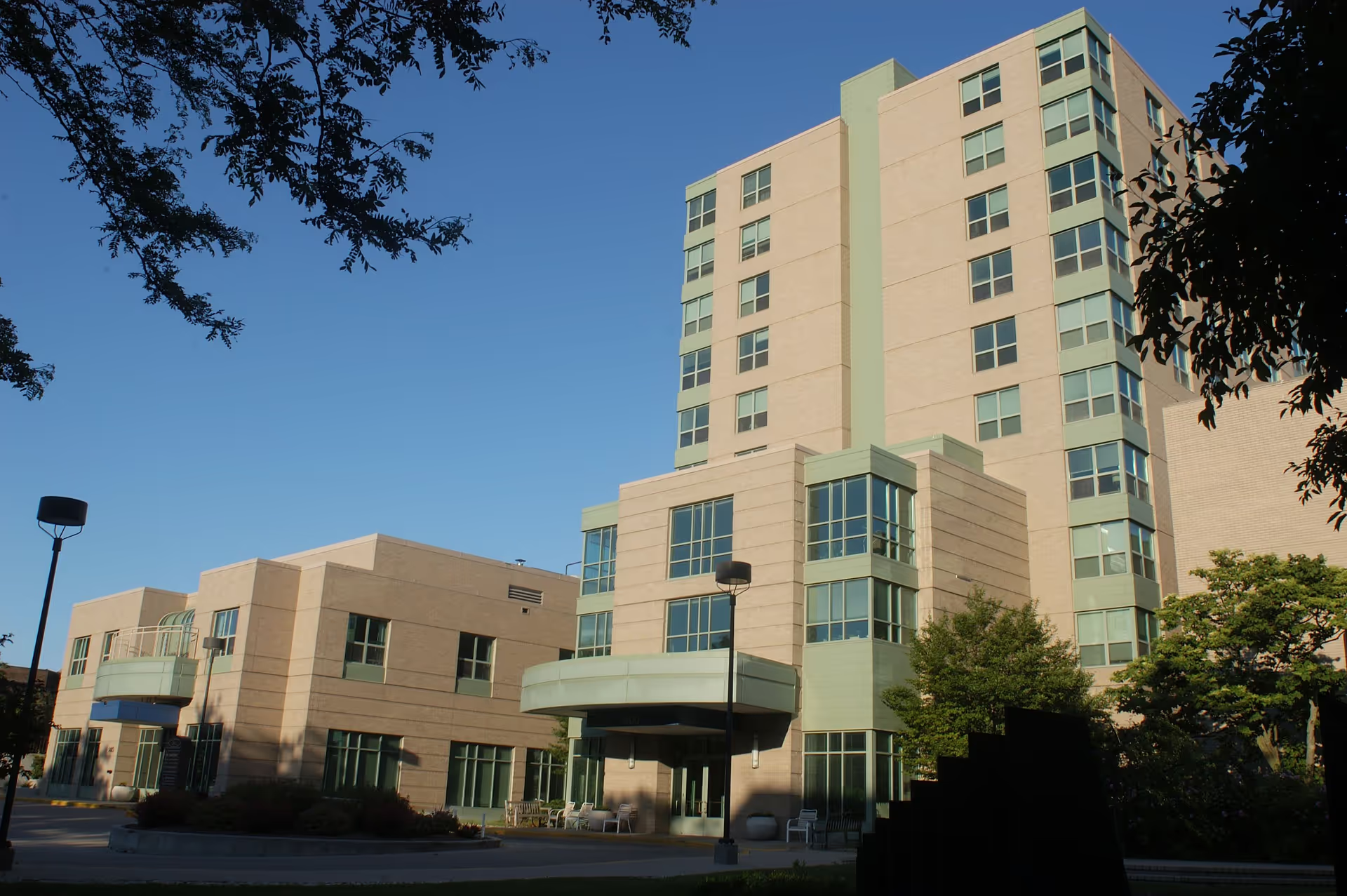
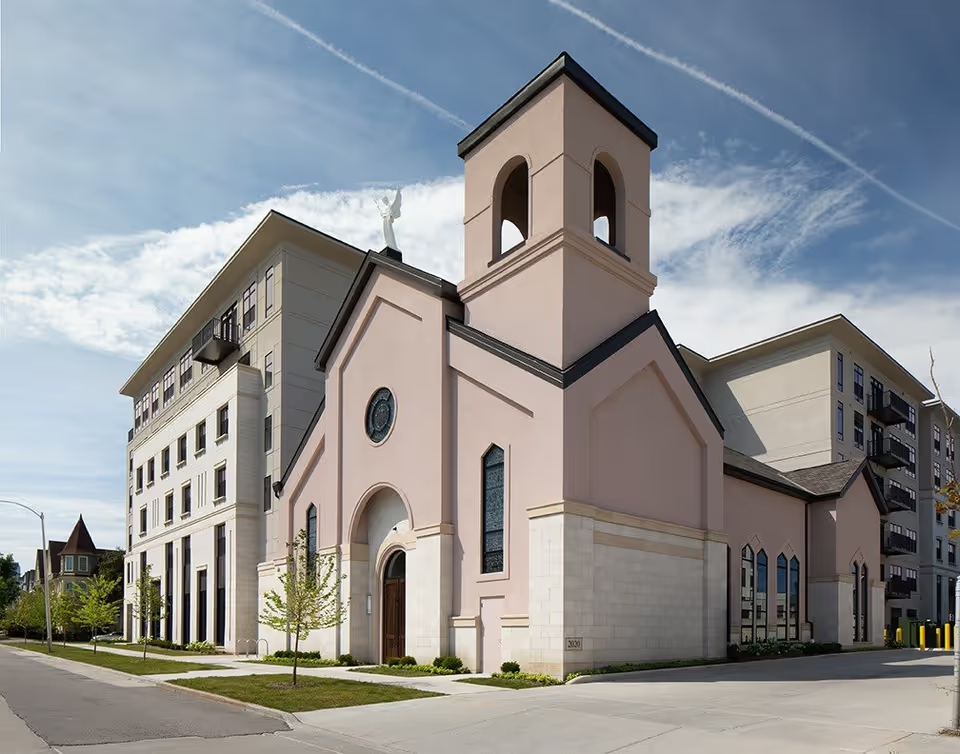
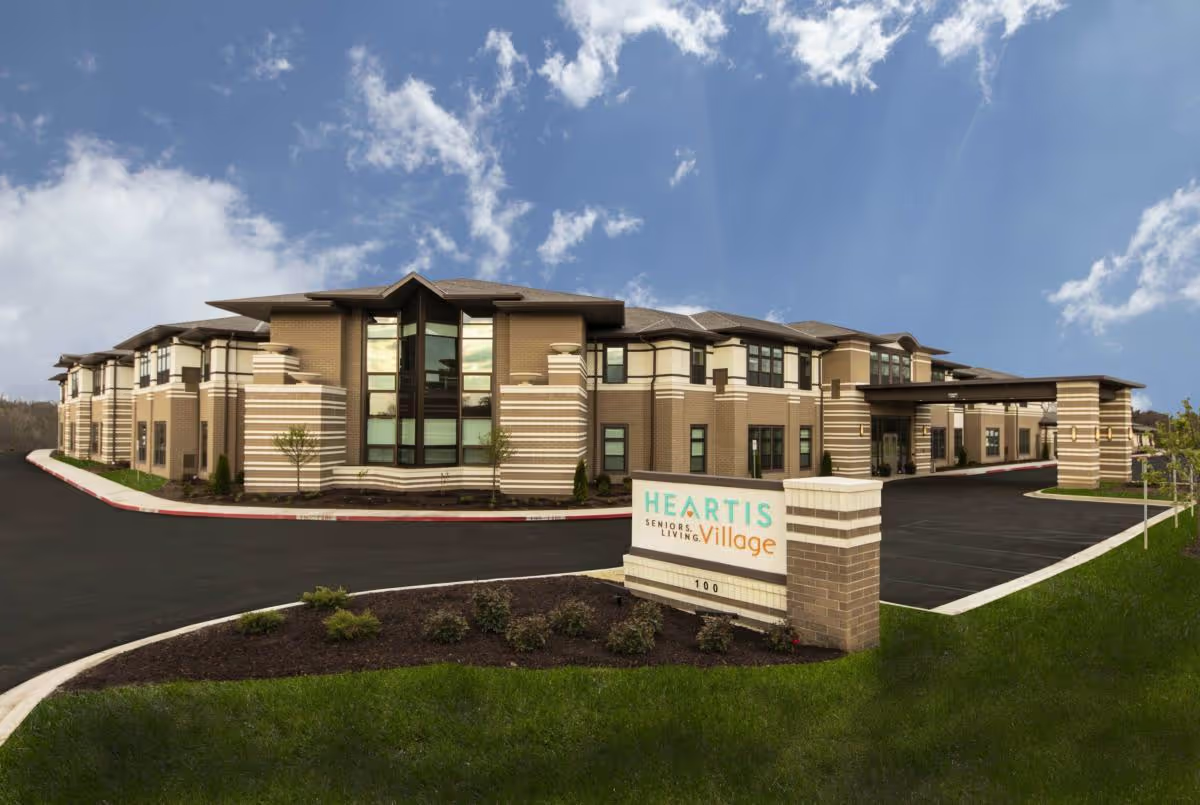
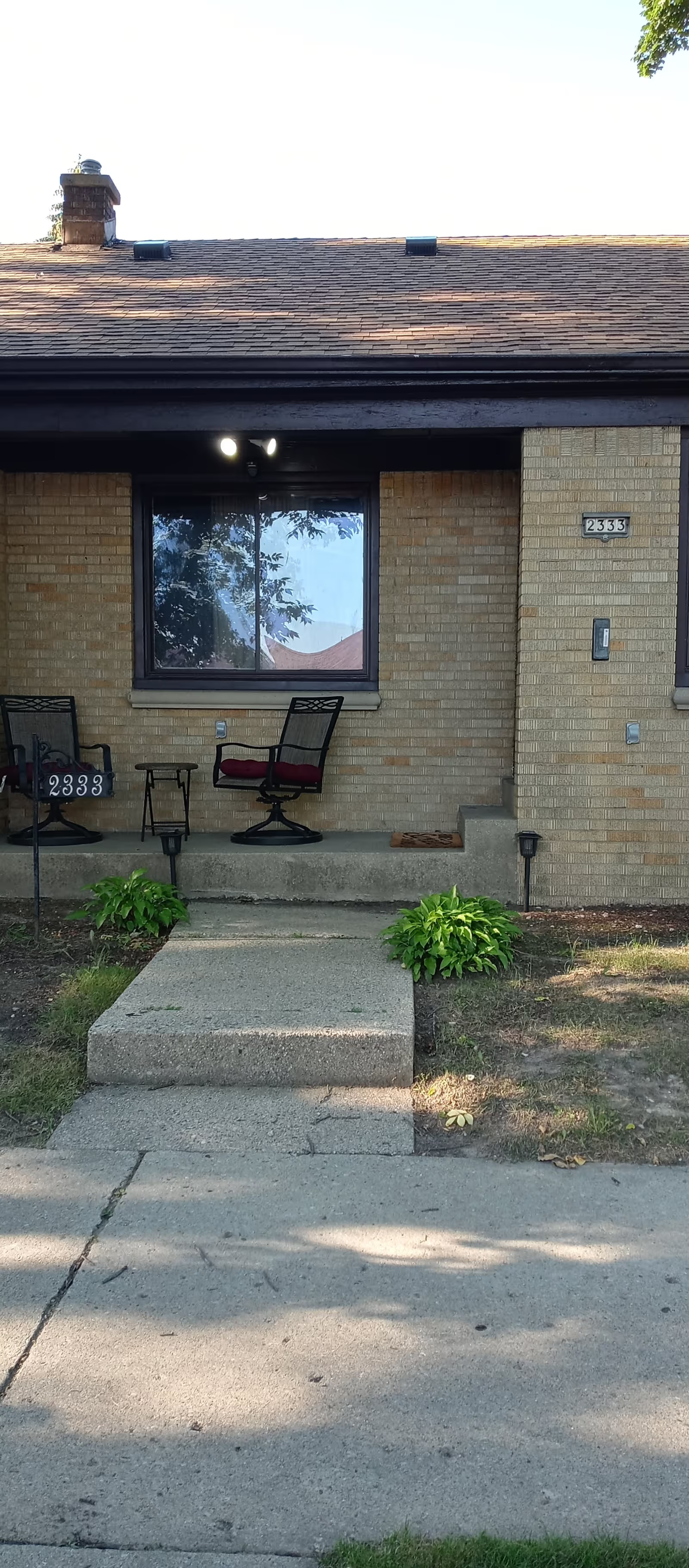
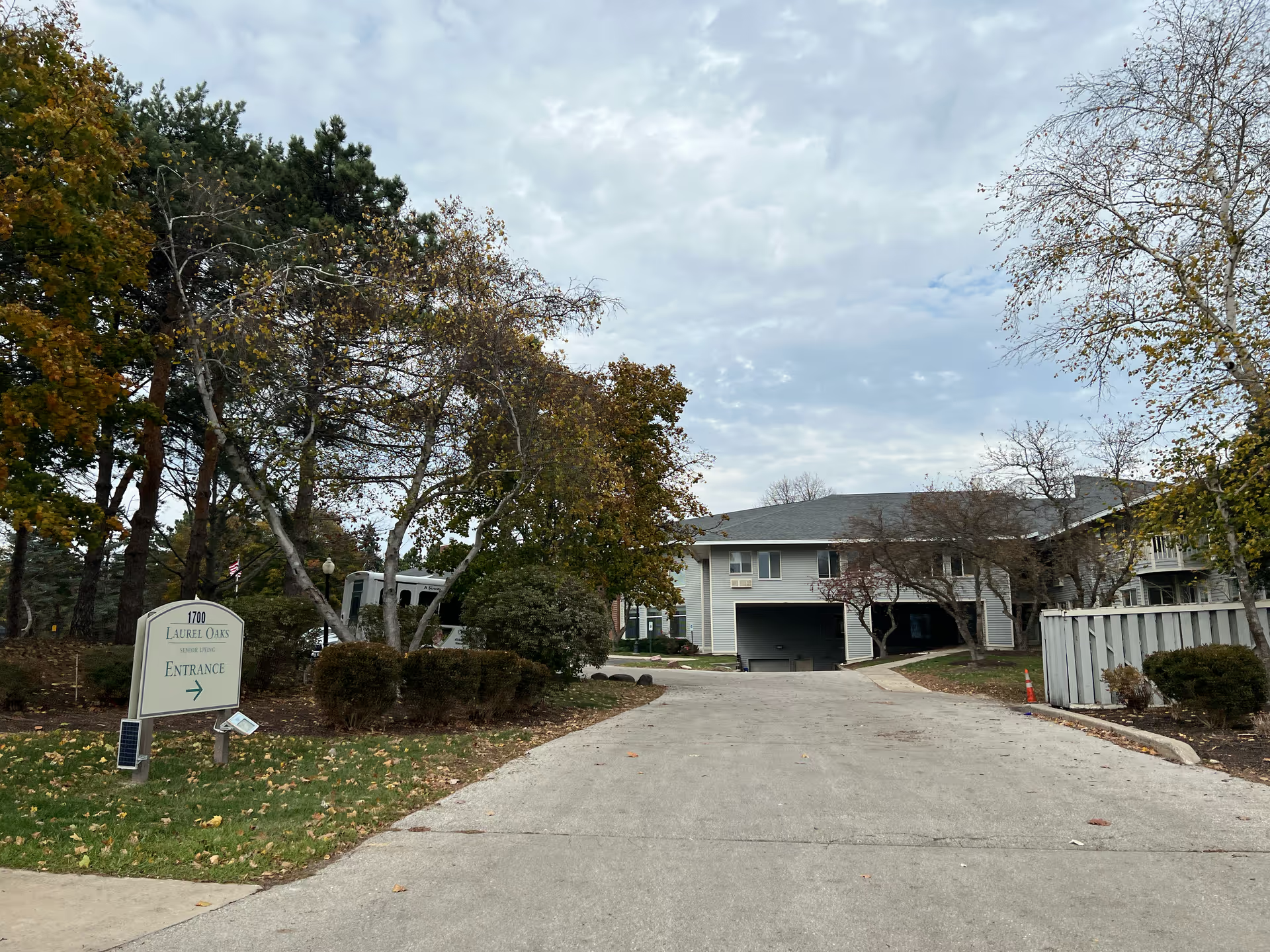
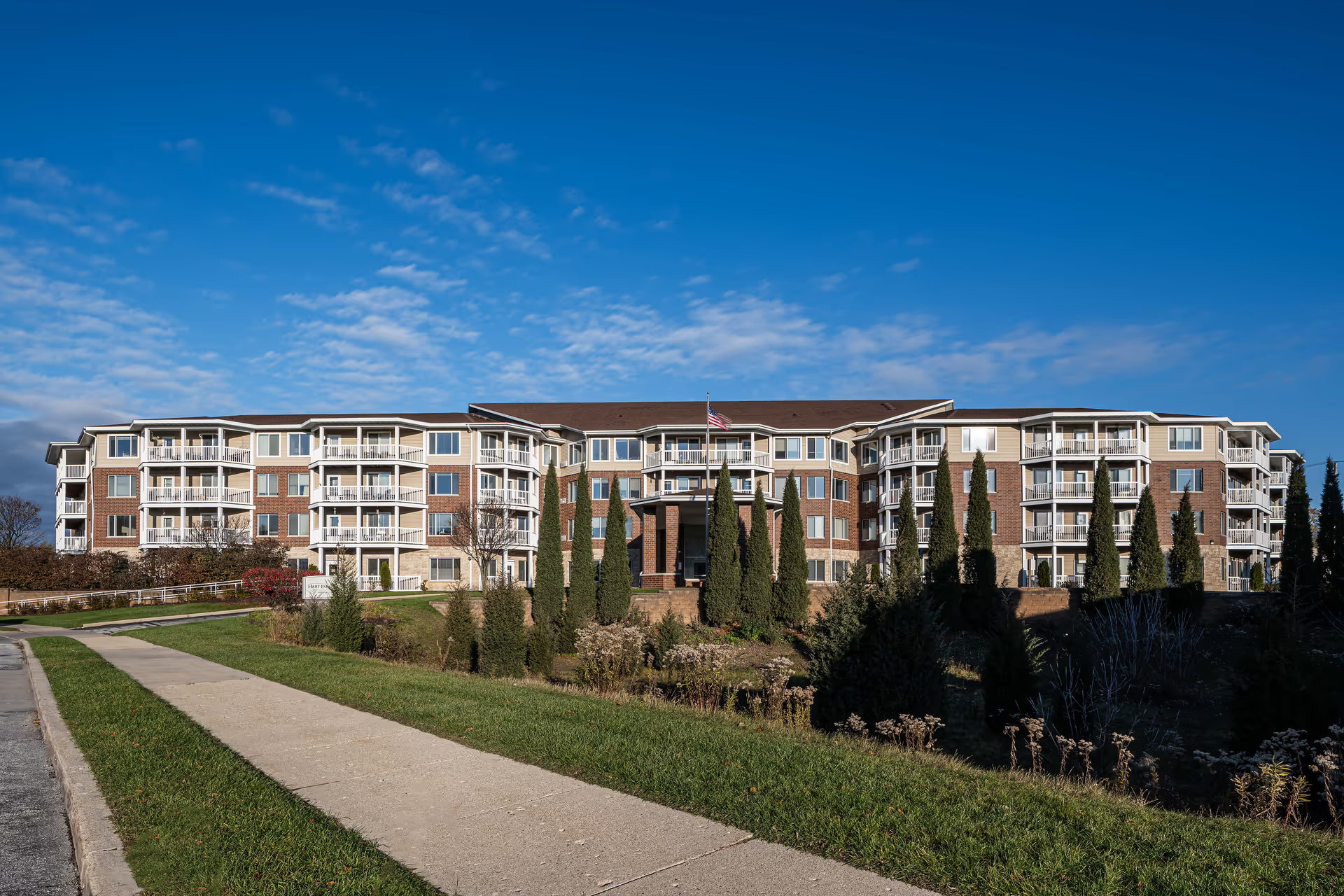
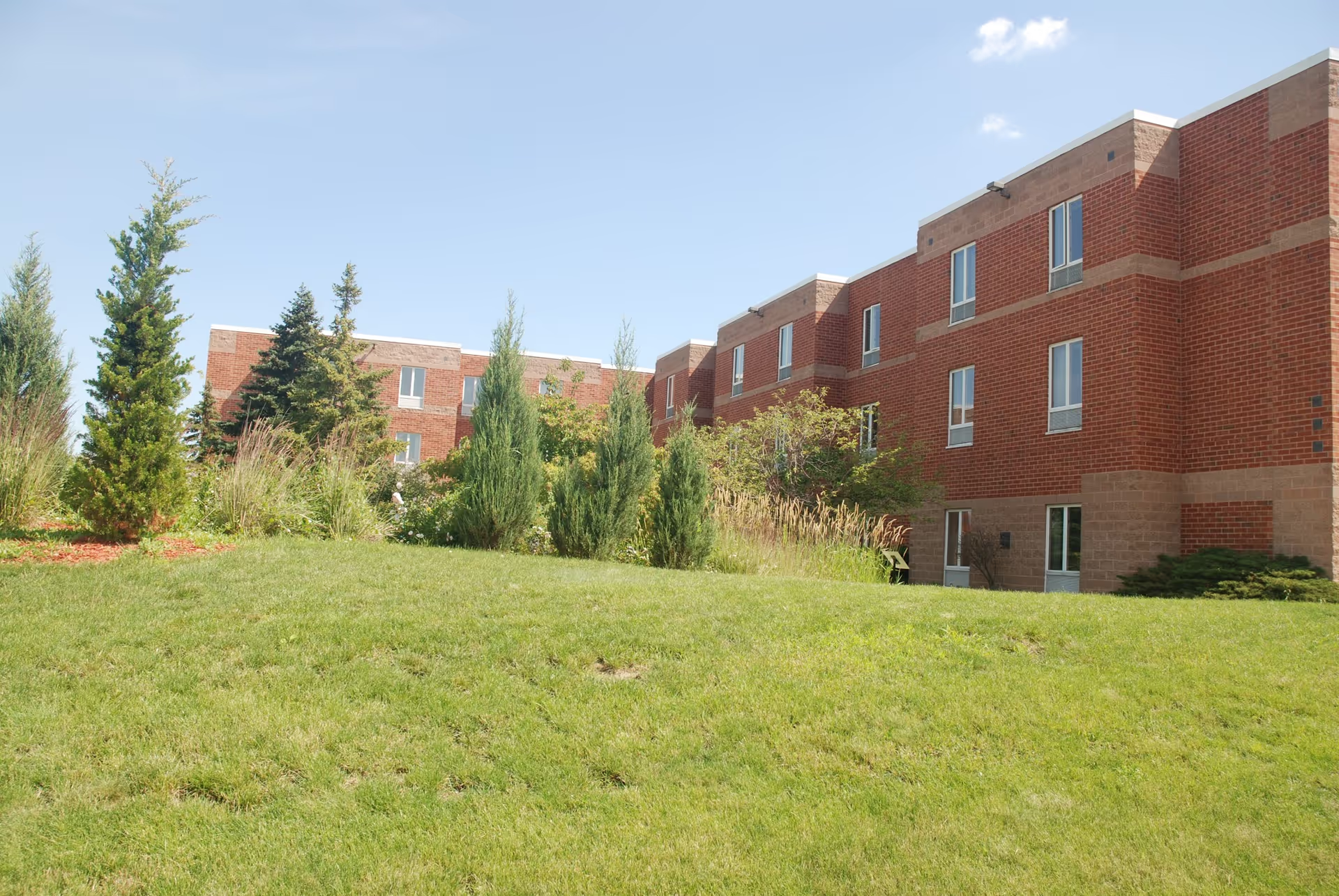
The reviews present a mixed picture. Strengths include an attractive physical setting and a range of resident-focused programs: grounds are described as well maintained, the foyer and common areas receive positive comments for brightness, and outdoor spaces are accessible. Residents and families frequently mention spacious private rooms with natural light and attractive decor. Dining and wellness programming are clear assets—meal offerings are described as appetizing and diet-sensitive, healthy snacks are available, and a variety of activities (supervised exercise equipment, aerobics, yoga, daily nature walks, and cultural outings) are offered and appear to engage many residents.
Care quality descriptions are mixed. Nursing staff are commonly described as competent, but there are recurring concerns about direct-care staffing levels and responsiveness. Review content indicates delays in assistance, inconsistent greeting and engagement practices from some caregiving staff, and broader worries about safety oversight and how incidents are handled. Reviews reference a serious adverse outcome; these are best understood as prompting concern about incident-response procedures and family communication rather than as an uncontested characterization of overall clinical quality.
Staffing and management are focal areas of negative feedback. Several themes recur: perceived inattention from supervisors and managers, low staff morale, limited staff appreciation or advancement, and uneven teamwork or professionalism among non-nursing staff. These operational issues are described as affecting day-to-day interactions and the tone of the community. There are also allegations of discriminatory attitudes from leadership, which is a serious concern that prospective families may wish to inquire about directly.
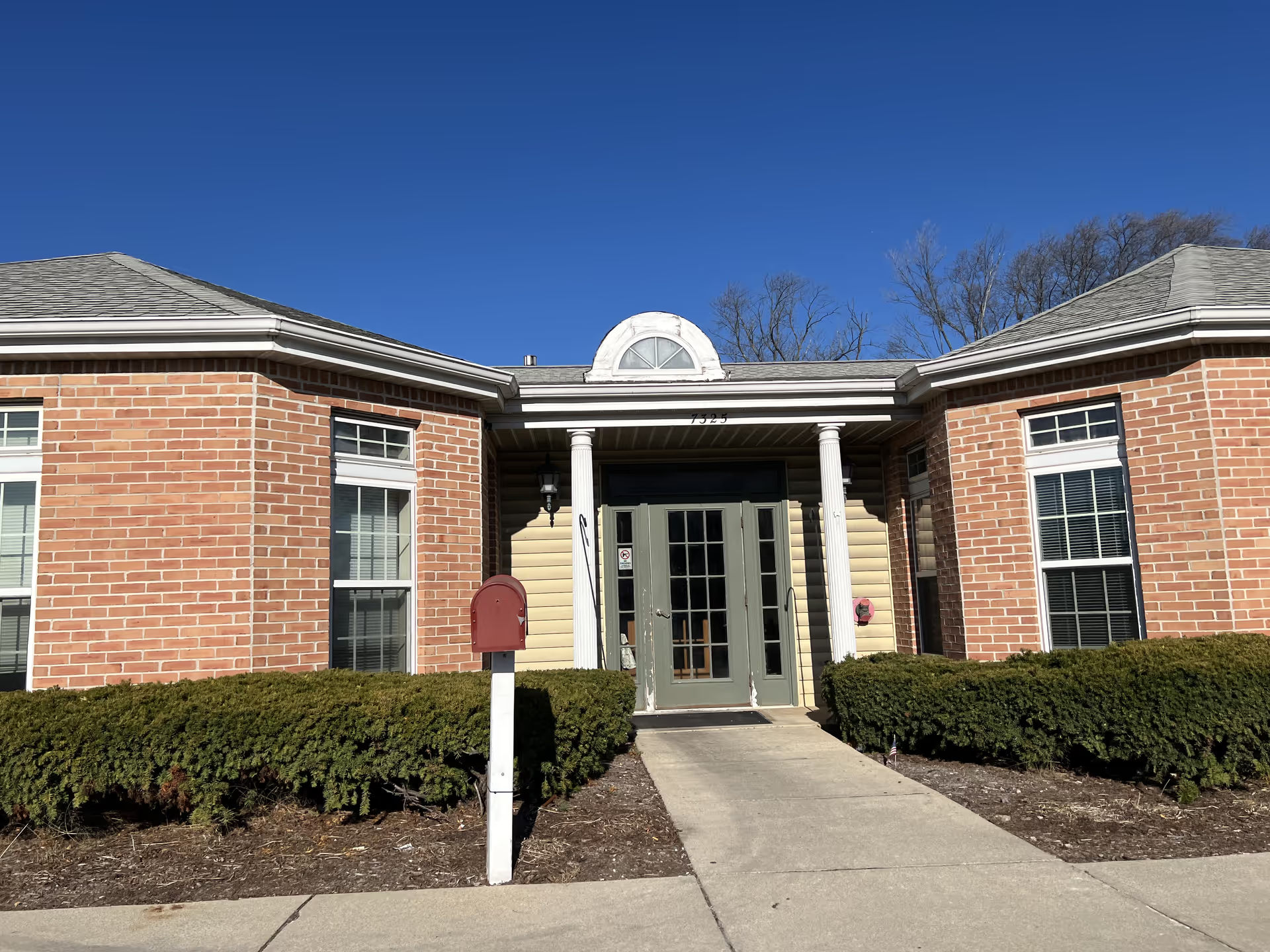
Facility condition and operations show contrasts. On the positive side, landscaping and exterior spaces are praised; on the negative side, the building is described as aging with deferred maintenance, outdated common-area furnishings, and older kitchen equipment. Cleanliness and sanitation issues in some rooms and common areas are mentioned, and certain unit configurations are noted as cramped or not well suited to wheelchair users. Several reviewers indicated they perceived the cost as high relative to the level of maintenance and service provided.
Taken together, the pattern suggests a community with strong programming and nursing strengths but notable operational weaknesses in staffing, management responsiveness, maintenance, and accessibility. Prospective residents and families should weigh the positive aspects of activities, grounds, and nursing against the operational concerns. For evaluation visits, recommended questions include current staffing ratios and turnover, examples of recent maintenance or capital improvements, sanitation and housekeeping protocols, accessibility accommodations, policies for incident response and family communication, and documentation or follow-up regarding any discrimination concerns. Reviewing recent inspection reports and speaking with current residents and families can help clarify whether the operational issues have been addressed.