Care quality: Reviews describe a mixed picture. Several accounts raise concerns about gaps in clinical monitoring and timely attention to basic needs such as hydration, toileting assistance, linen changes, and medication administration. These patterns are consistent with reported delays and with instances where families judged the level of care unsuitable for more dependent relatives. At the same time, some families characterized the environment as appropriate for more independent residents and praised leadership knowledge, indicating variability by resident acuity.
Staff: Staff-related issues are a recurring theme. Reviewers cite chronic understaffing, inconsistent training, and variability in professional conduct and responsiveness. Concerns include delays in responding to call requests, perceived unprofessional behavior or boundary issues, and staff practices (for example, smoking on premises) that negatively affected family impressions. Conversely, leadership and some staff interactions were described positively by other families, suggesting uneven staff performance rather than uniformly negative staffing.
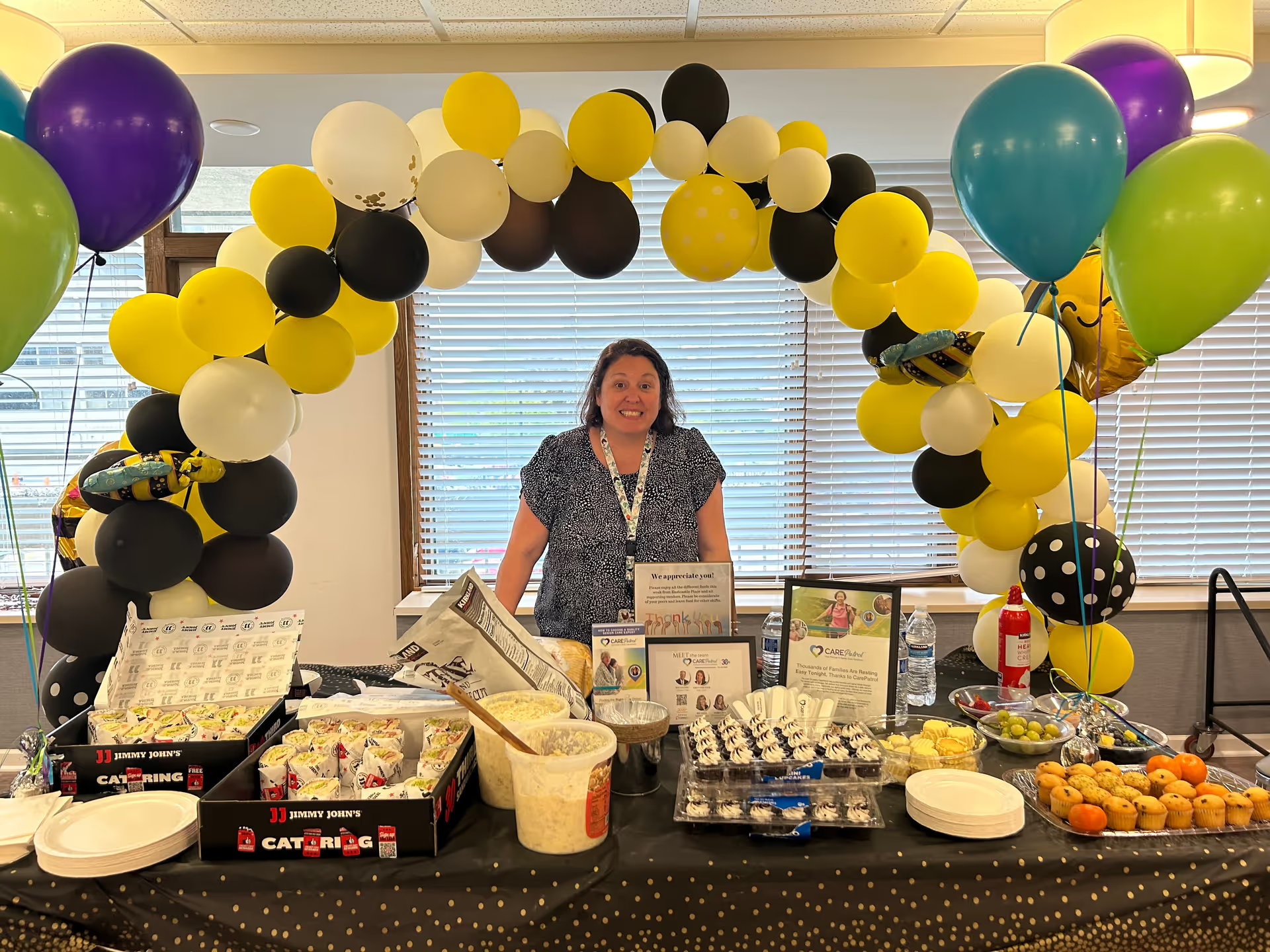
Dining and activities: Meal service appears inconsistent. Comments reference poor food quality at times and occasional service lapses (for example, missing dining utensils or interruptions), though the facility does provide on-site dining. There is limited information about structured activities; reviewers who were positive about the community focused more on the residential living aspect than programmatic offerings.
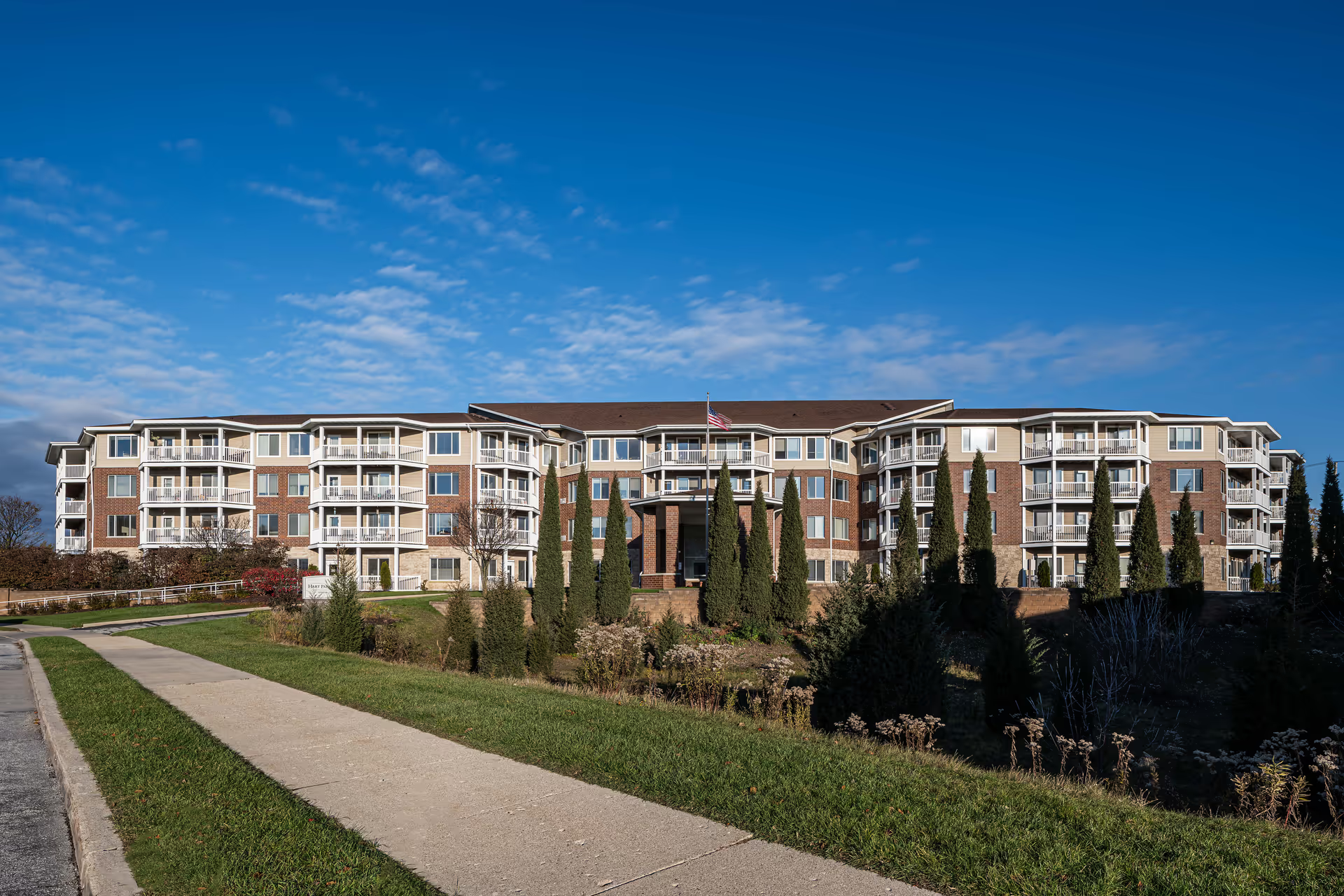
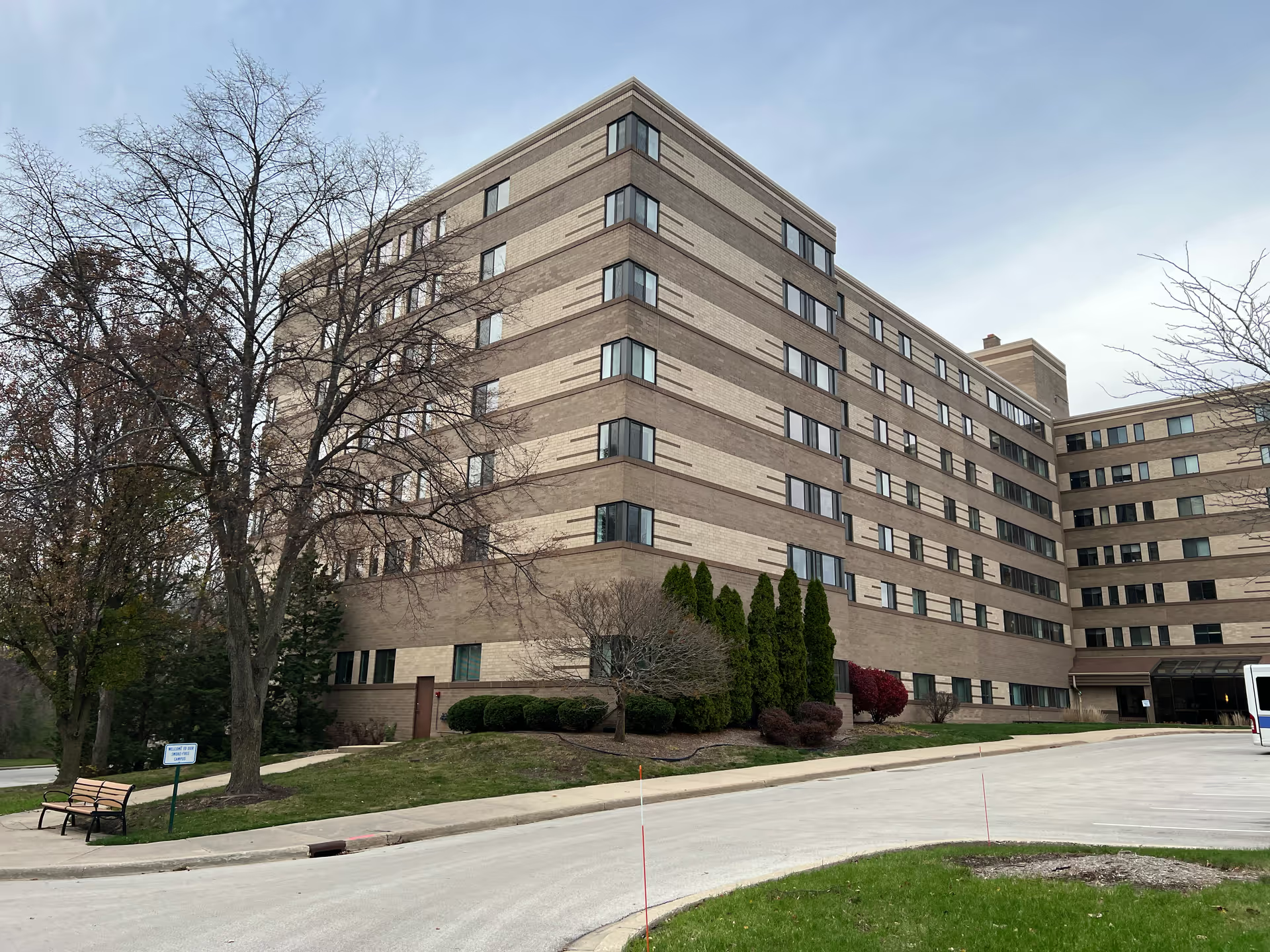
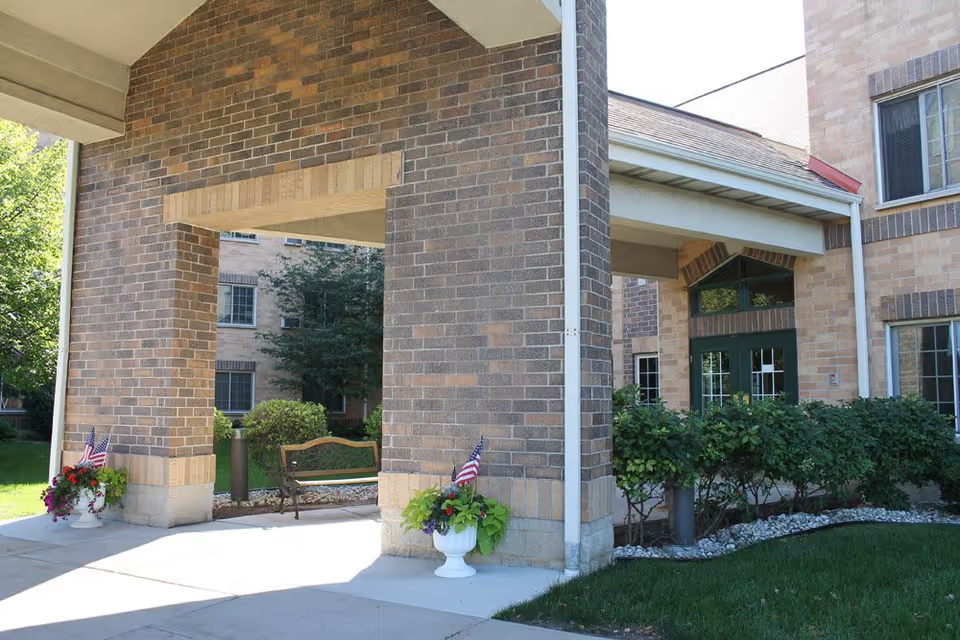
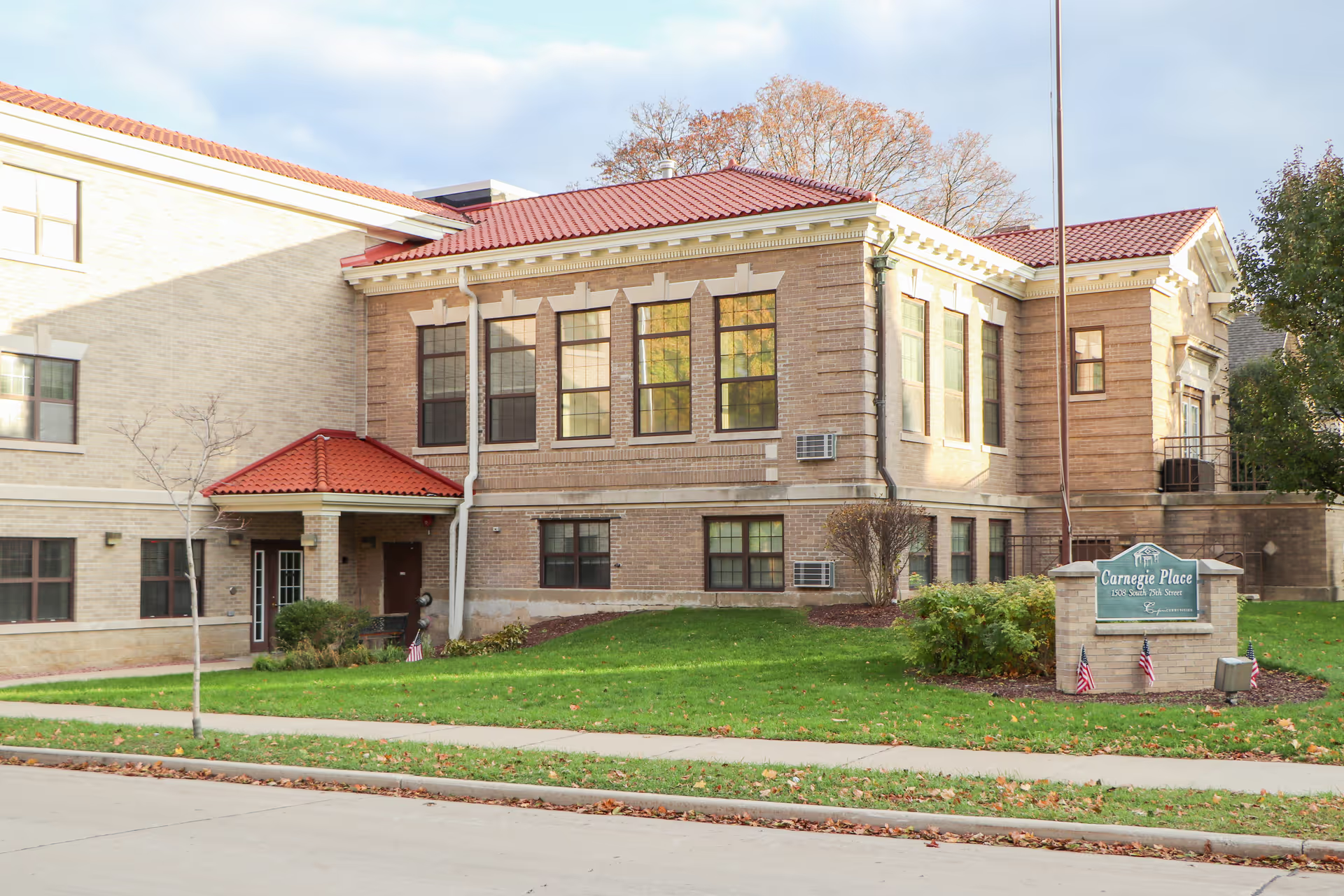
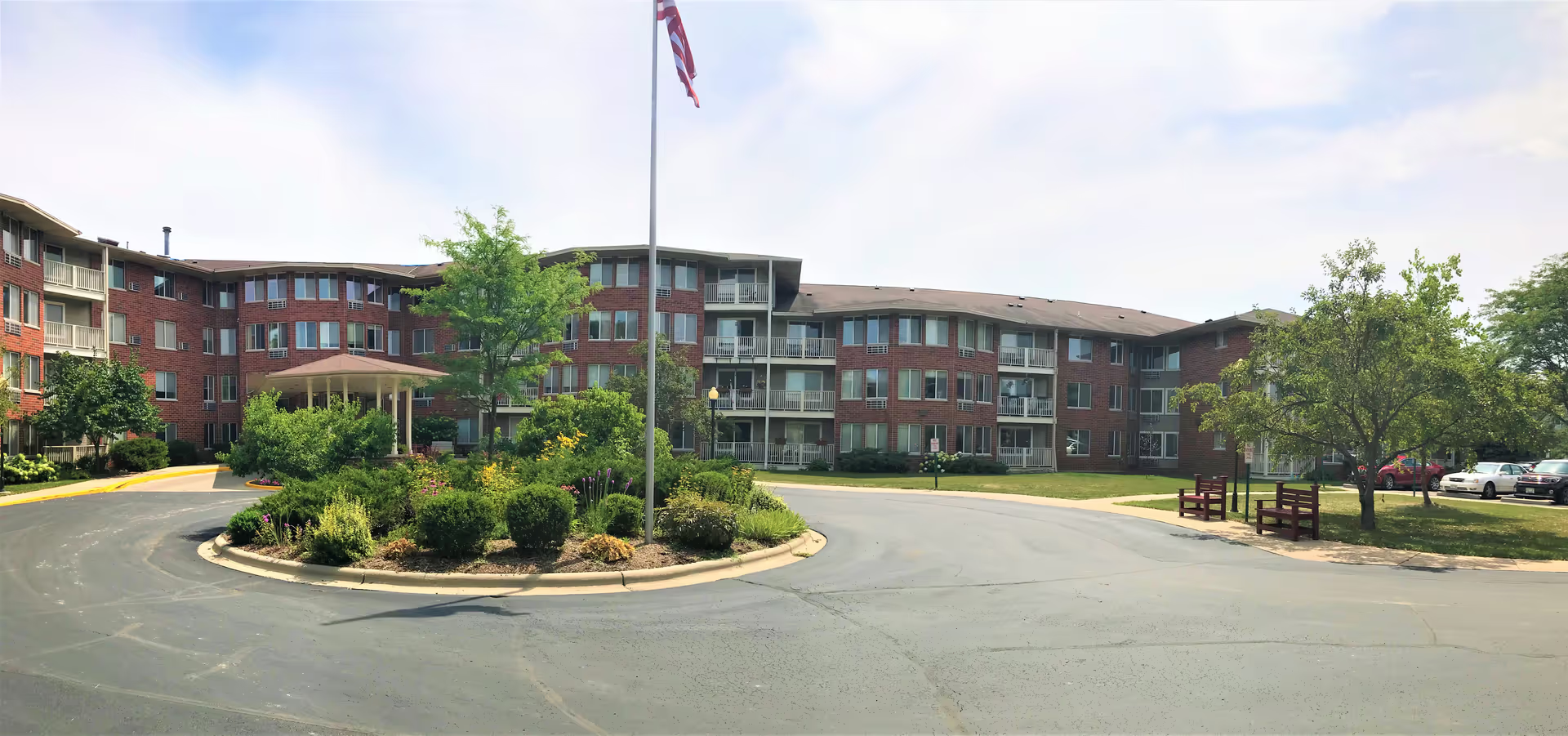
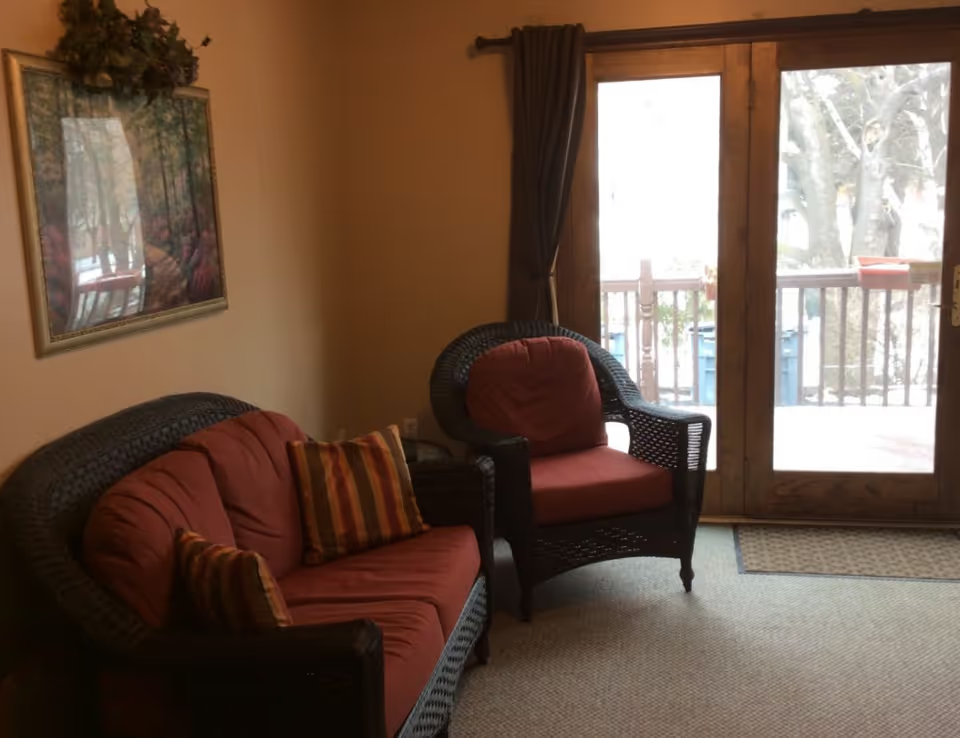
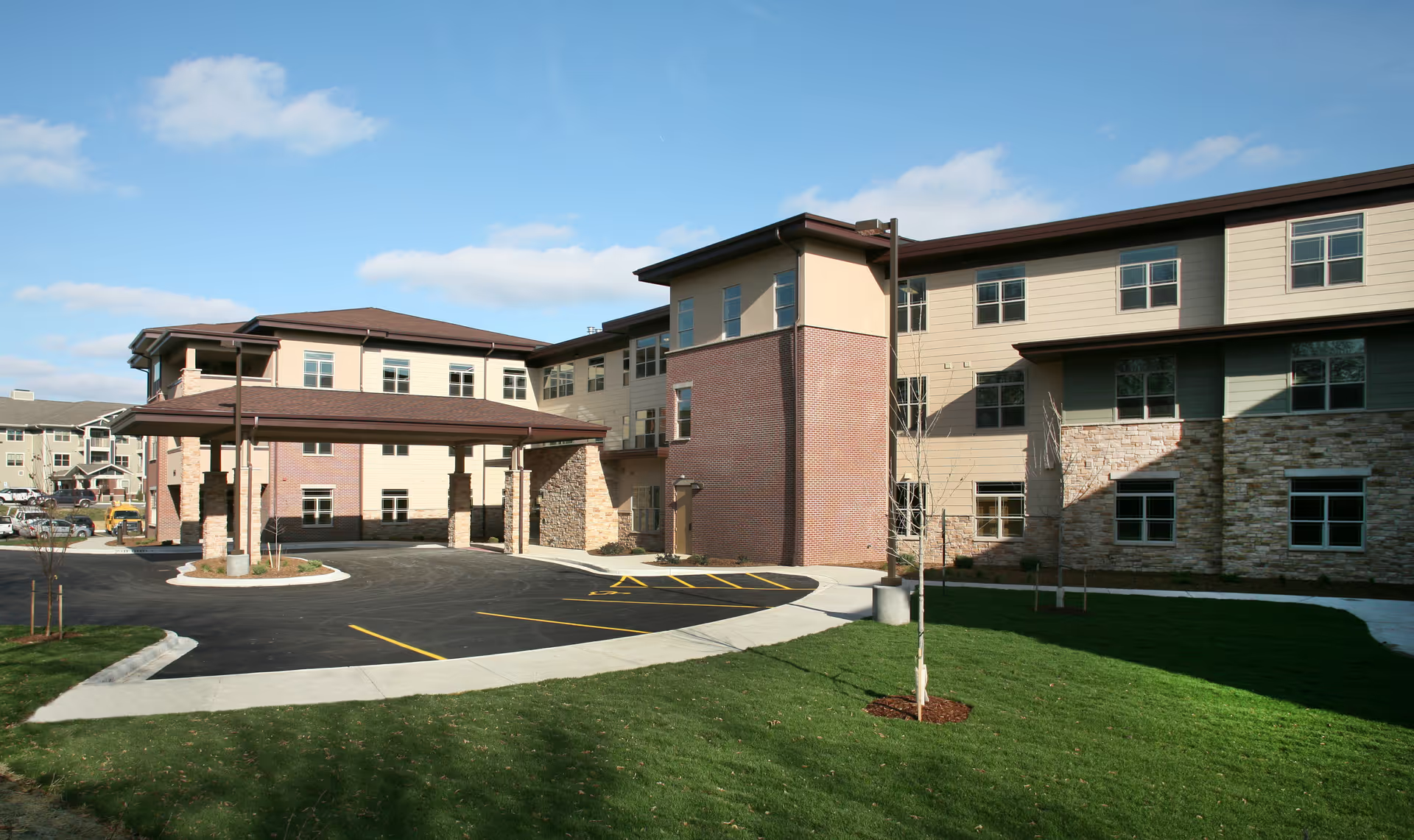
Facilities and maintenance: Several reviewers indicated the building and rooms feel run-down or cramped and noted physical accessibility limitations for residents who require wheeled mobility. Cleanliness and pest-control concerns were mentioned, and there are references to maintenance and housekeeping shortfalls. These facility issues combined with space constraints could affect comfort and safety for higher-dependency residents.
Management and operations: Management receives mixed feedback. Some families praised knowledgeable leadership, while others reported weak communication, slow responsiveness to concerns, and problems with personal-property handling (missing or swapped clothing and unreturned belongings). Infection-control practices and outbreak response were also questioned by families who elected to leave during a virus event. Overall, the pattern suggests operational inconsistencies in policies and their implementation.
Notable patterns and recommendations for prospective families: The reviews cluster around operational weaknesses—staffing and training shortfalls, delays in basic care tasks, cleanliness/pest-control issues, property-management breakdowns, and facility maintenance needs—balanced against positive remarks about leadership and the potential suitability of the setting for more independent residents. Prospective families should clarify staffing levels and training, review infection-control and property-management policies, observe meal service, and assess physical accessibility during a visit to determine whether the facility’s current operating model fits their loved one’s needs.