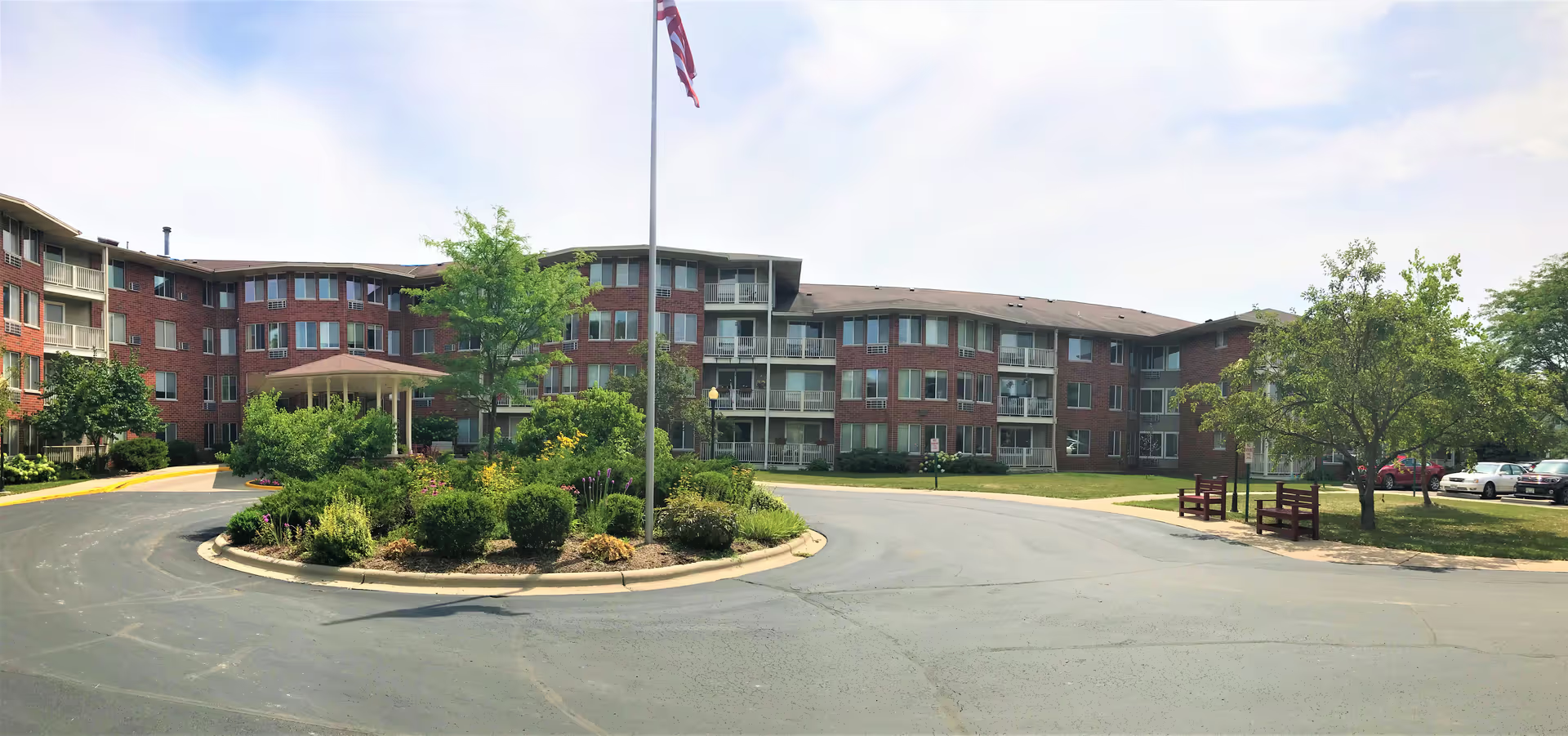
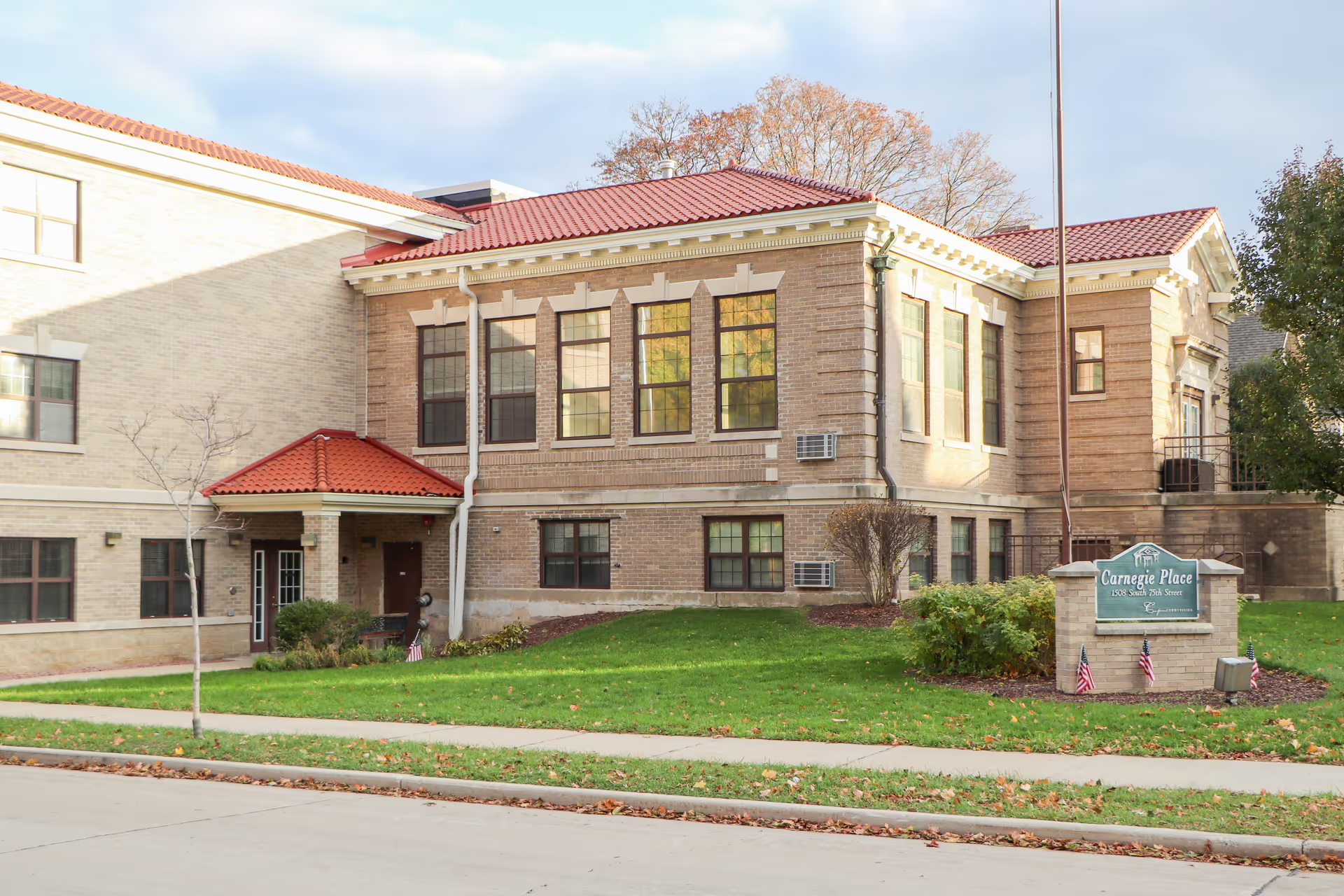
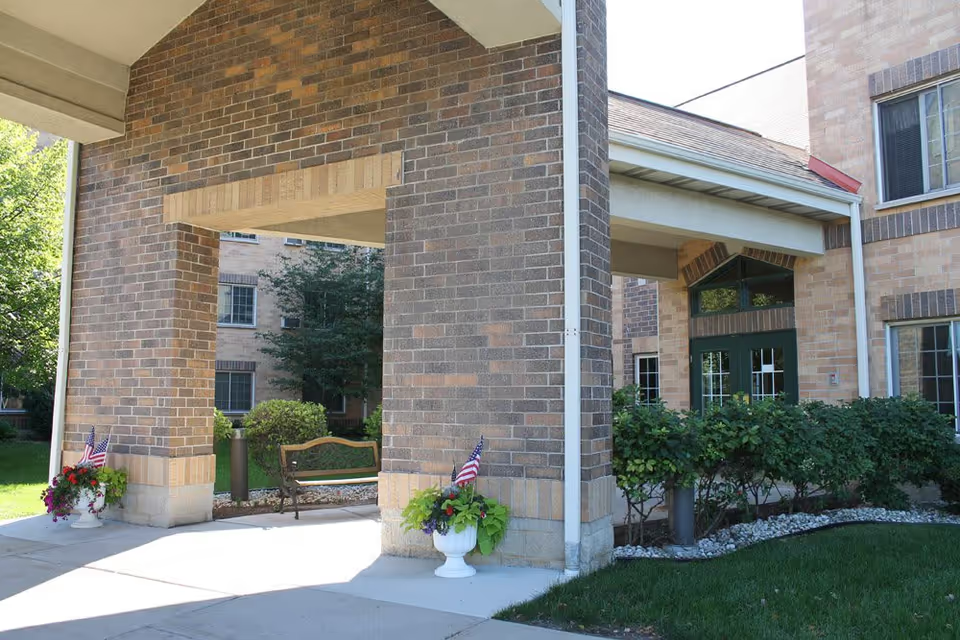
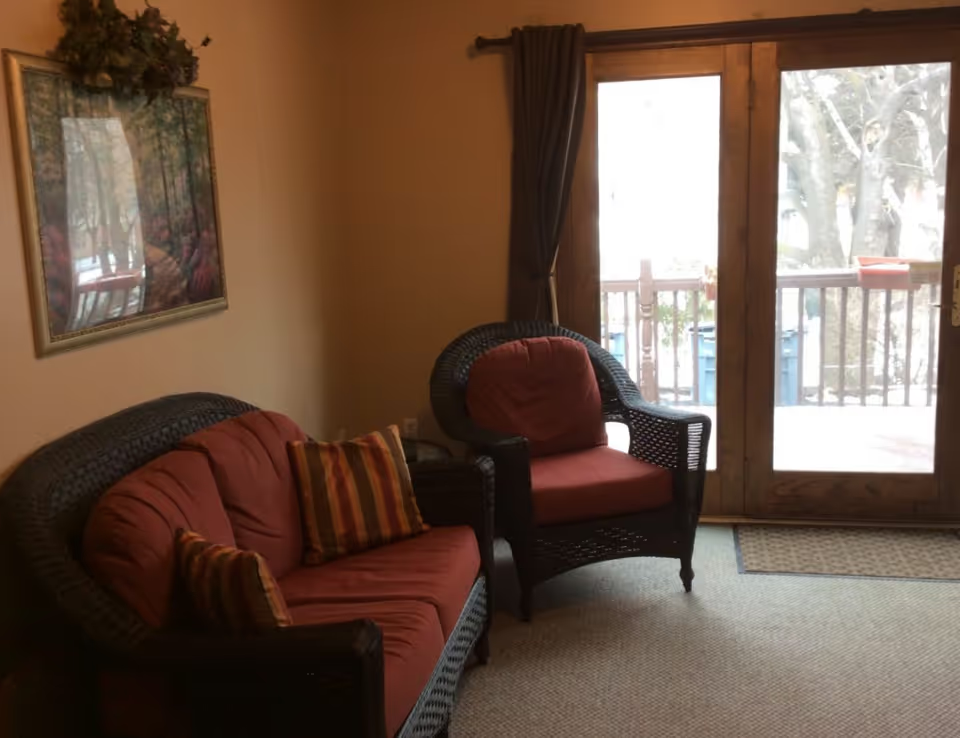
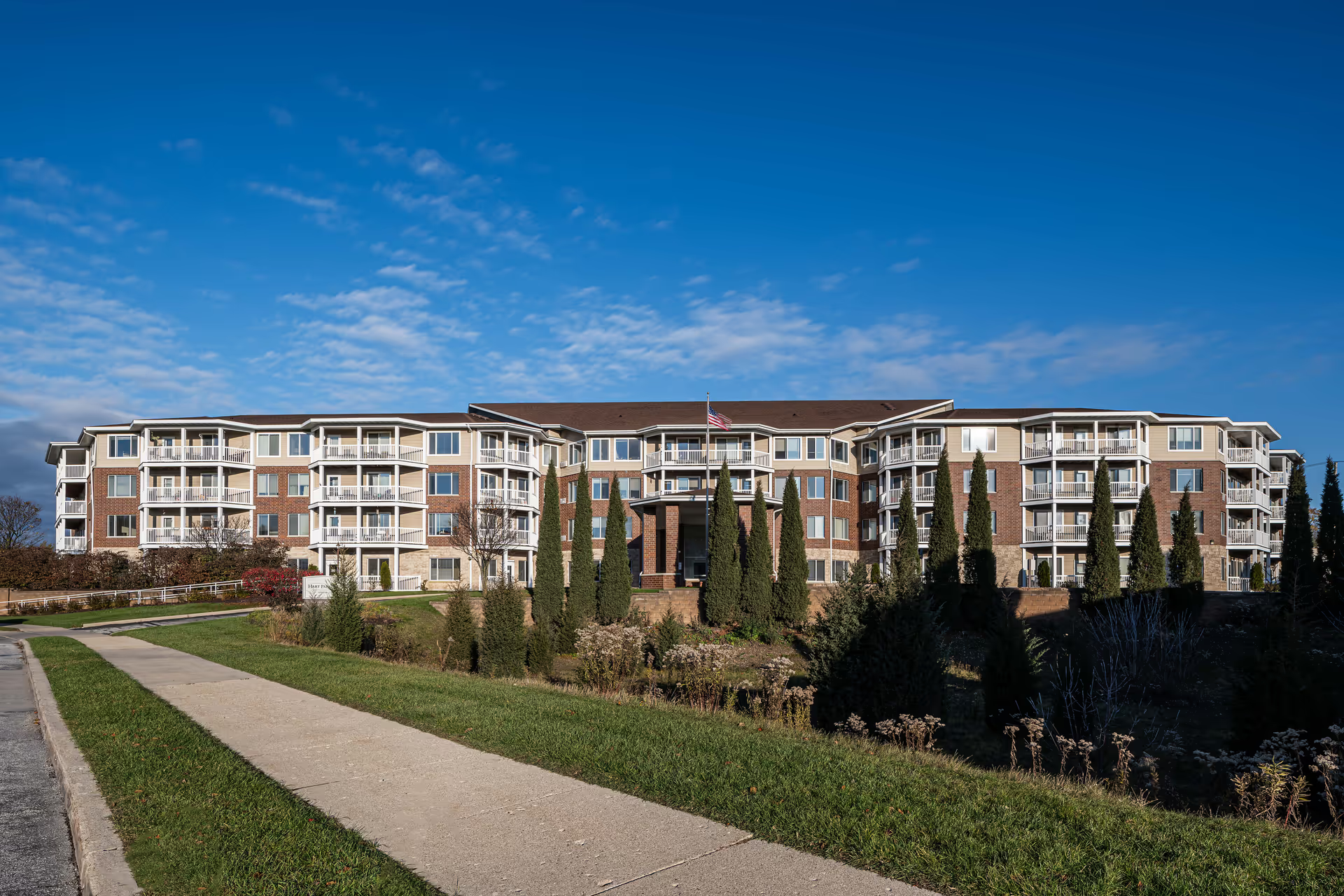
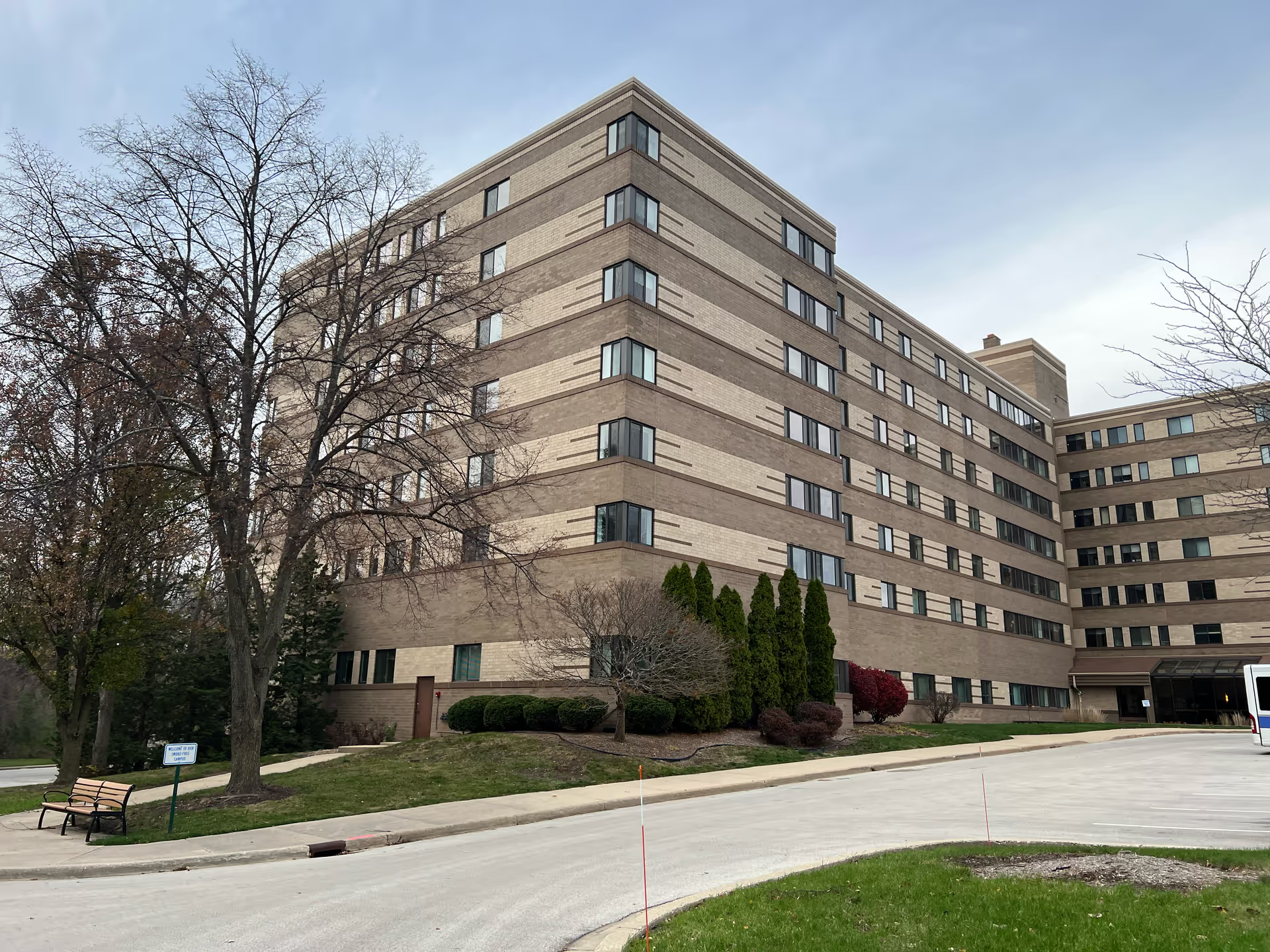
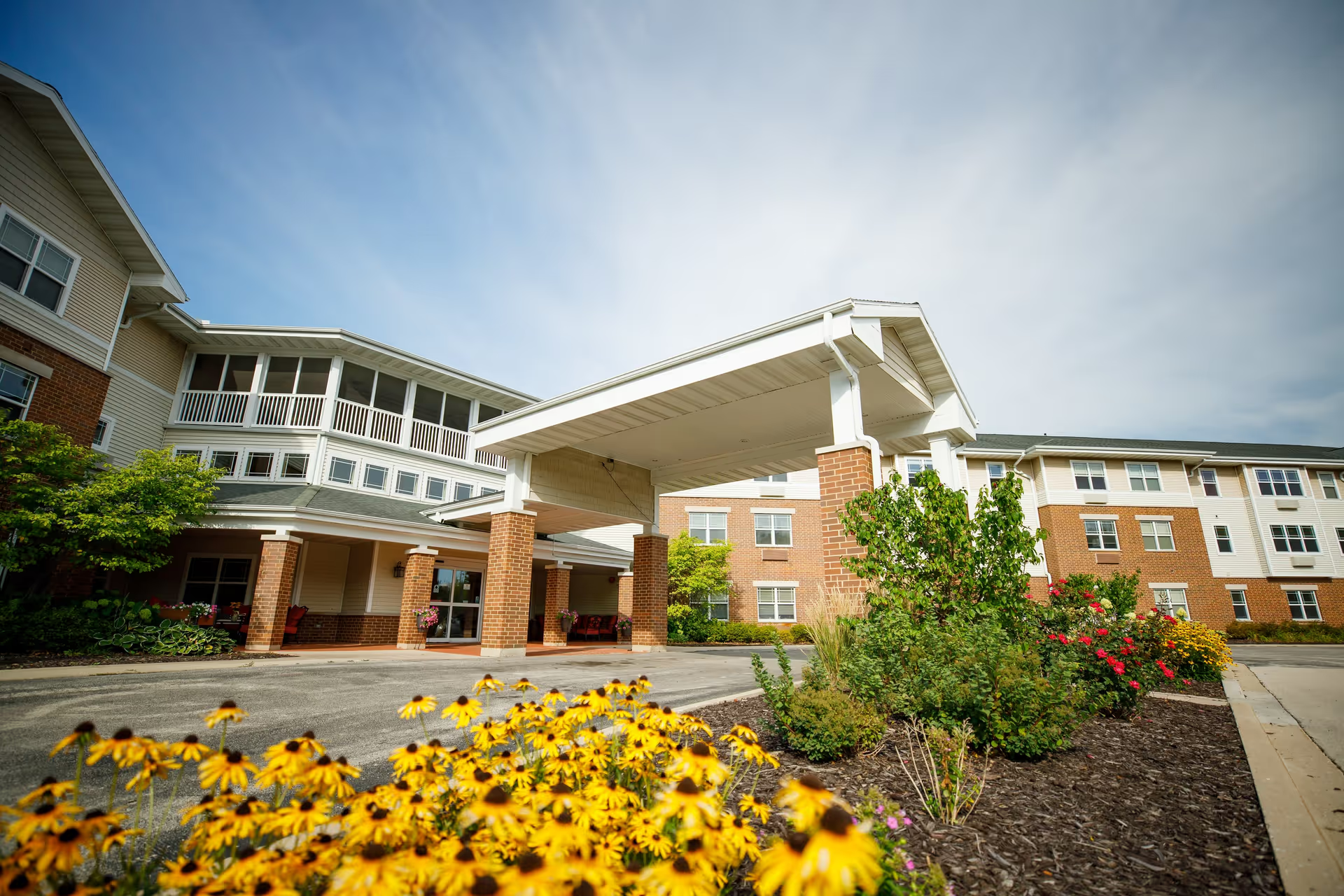
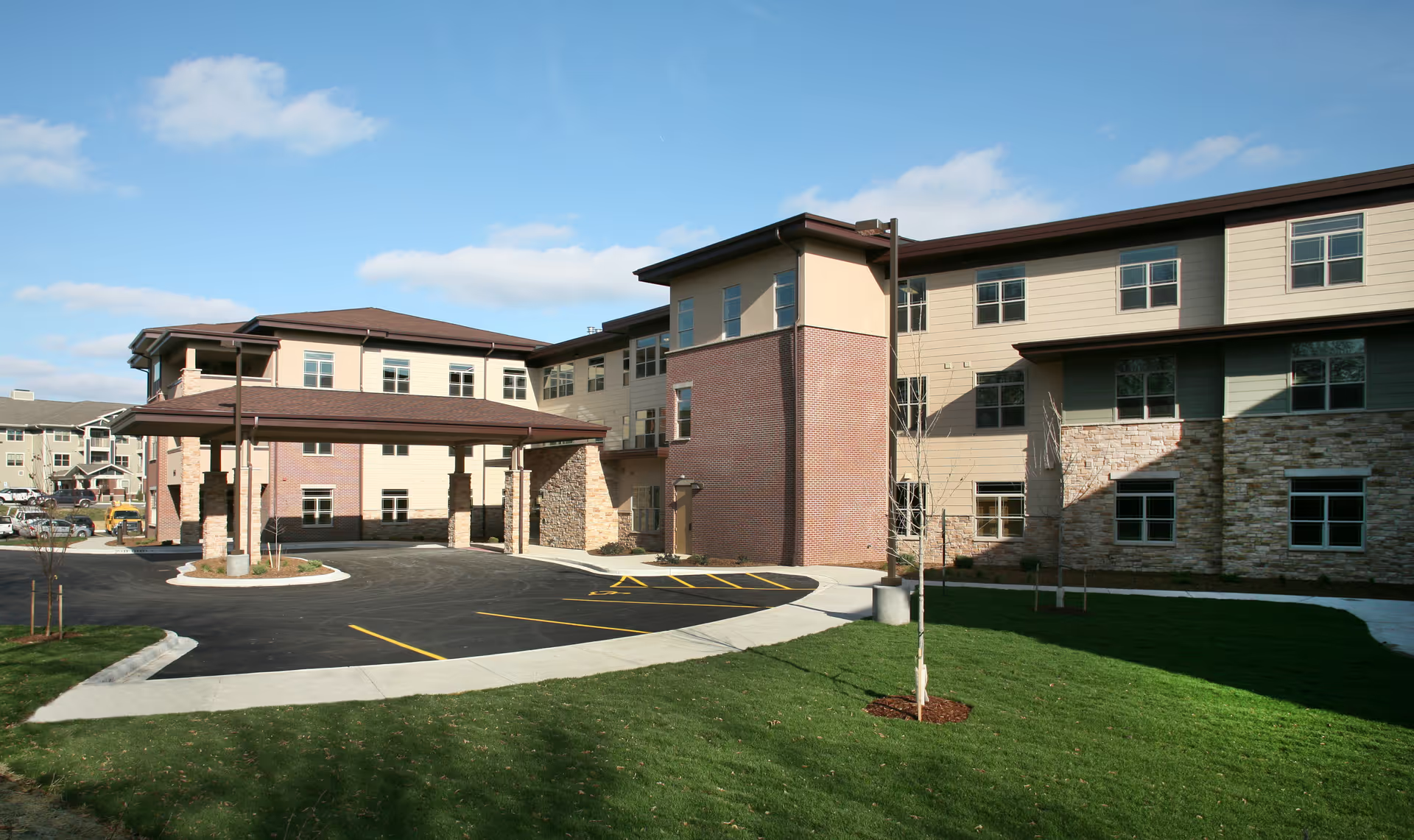
Heritage West Allis presents as a physically attractive, recently refreshed senior living community with many features families value: clean common areas, wide hallways, a welcoming lobby and patio, and a range of apartment sizes that often include in-unit laundry and covered parking. The site offers several clinical supports on campus, including physical therapy and an on-site medical practice, and reviewers frequently cite measurable mobility and independence improvements linked to the therapy program. Dining is commonly described as home-style and cooked-from-scratch with social dining options, and activity programming is robust — exercise classes, live entertainment, socials and regular events are described across multiple accounts.
Direct-care staff receive substantial positive feedback for friendliness, attentiveness and resident rapport. Families and residents often describe aides and therapists as caring and effective, and the community’s concierge and community relations personnel are noted for being welcoming and helpful. The memory-care unit and therapy-driven rehabilitation receive favorable comments for engagement and outcomes, and many residents appear comfortable and well integrated into the social life of the community.
At the same time, a pattern of operational challenges emerges. Several reviews describe inconsistent staffing levels and slow response times, coupled with relatively high staff turnover; these staffing dynamics appear to affect continuity of care and familiarity between staff and longer-term residents. Management instability and limited follow-through on family concerns are recurring themes, with multiple accounts noting poor communication by phone or during post-tour follow-ups. Reviewers also describe inconsistent implementation of individualized care plans for new residents and limitations in the community’s ability to support higher-dependency needs (for example, requirements that certain transfers need two-person assistance or equipment not supported on-site).
Sanitation and pest-control concerns are reported in some units and have contributed to strong negative experiences for a subset of families; those matters, when raised, often exacerbate trust issues given concurrent complaints about responsiveness. There are also isolated but serious allegations related to theft and staff conduct that families characterized as undermining confidence in management; such claims point to a need for clearer incident resolution and trust-building practices. Other operational weaknesses include variable handling of special-diet needs, occasional medication-management concerns, and billing/value issues where families perceived charges for unused services.
In summary, Heritage West Allis combines many strengths — attractive, accessible facilities; a strong activity and therapy program; and a frontline staff that many families praise — with operational vulnerabilities that primarily relate to staffing consistency, management follow-through, cleanliness/pest-control remediation, and communication. Prospective residents and families should weigh the facility’s clinical and social strengths against these operational risks, inquire specifically about current staffing ratios, turnover, pest-control protocols, care-plan implementation timelines for new residents, and procedures for handling clinical or financial complaints before deciding.