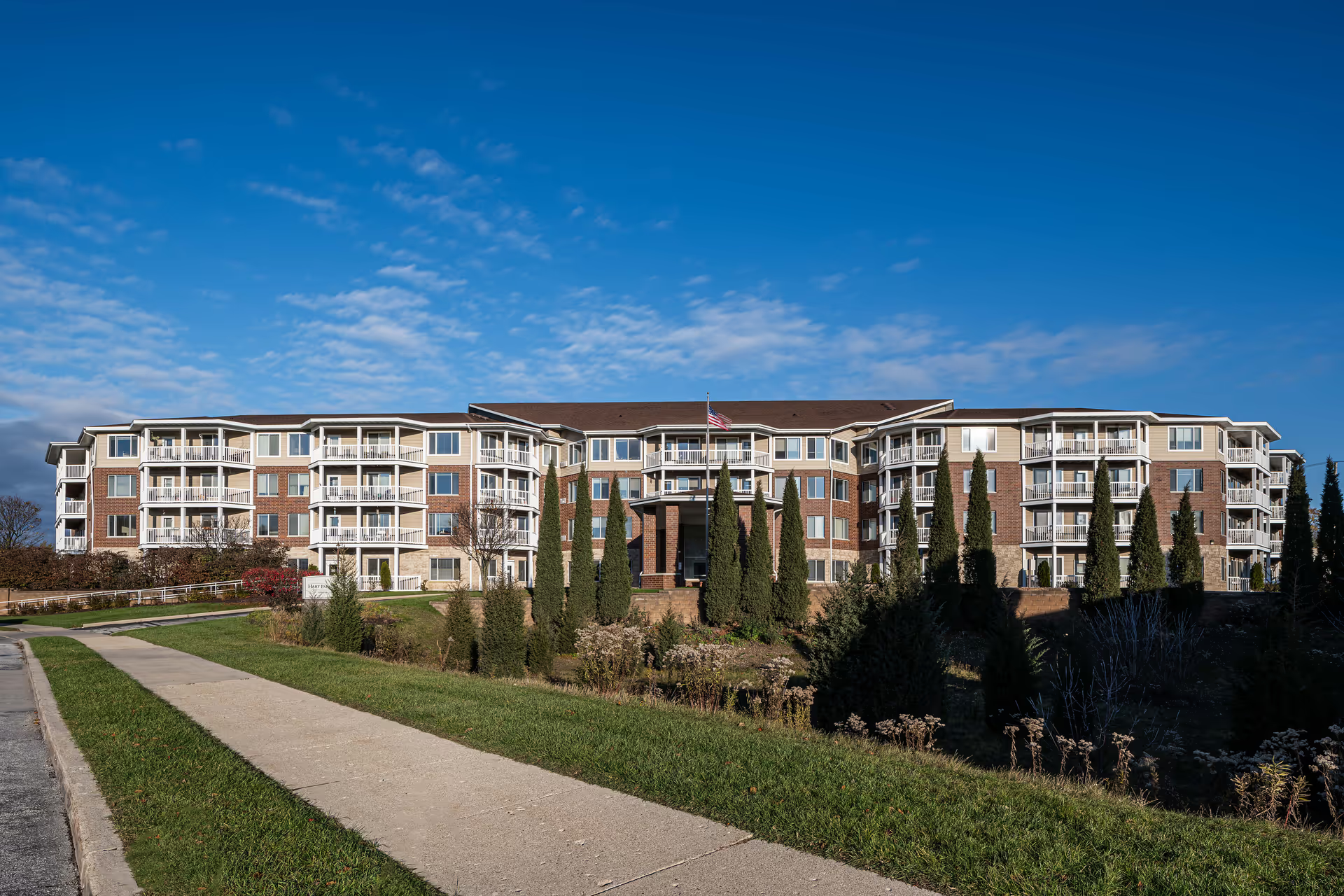
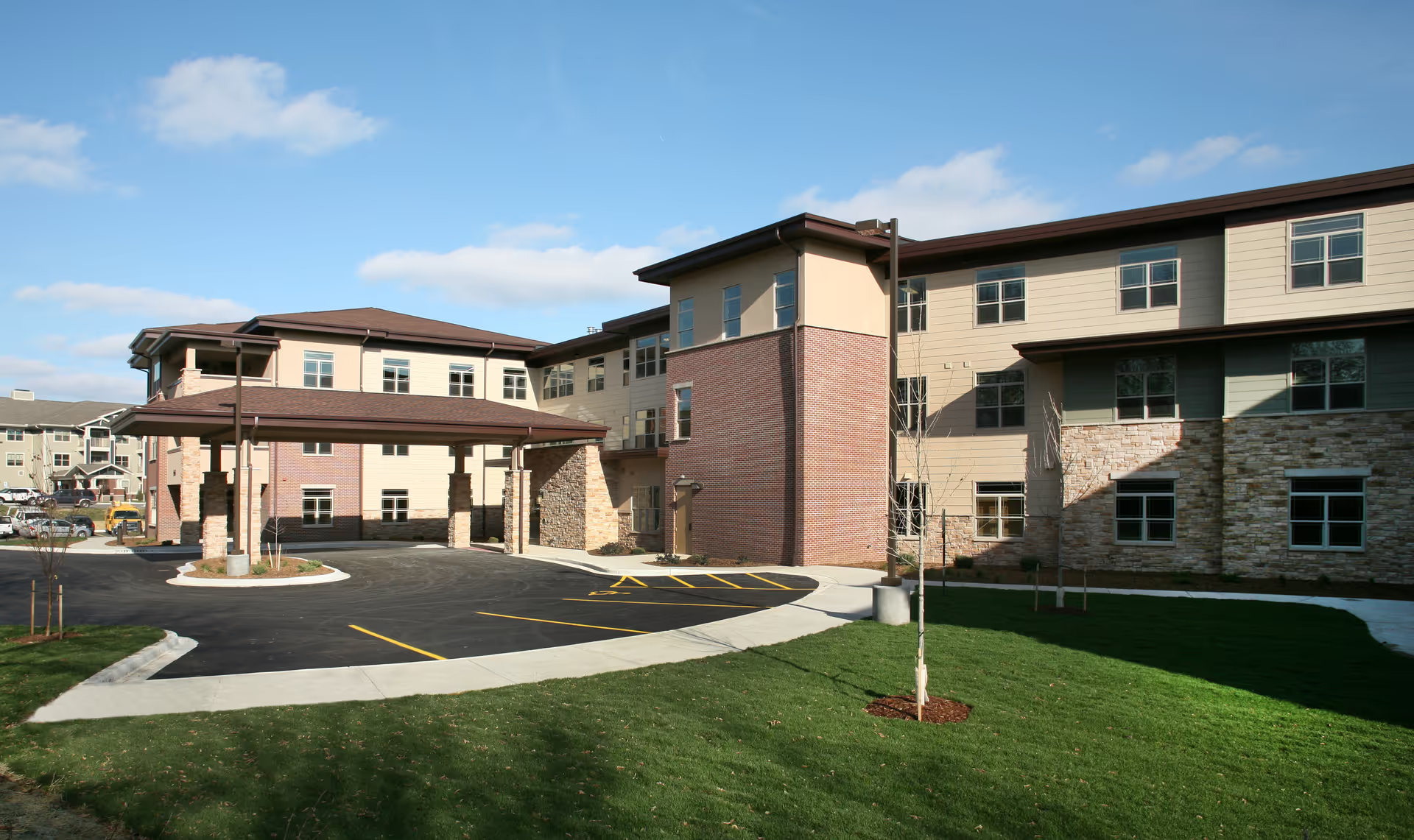
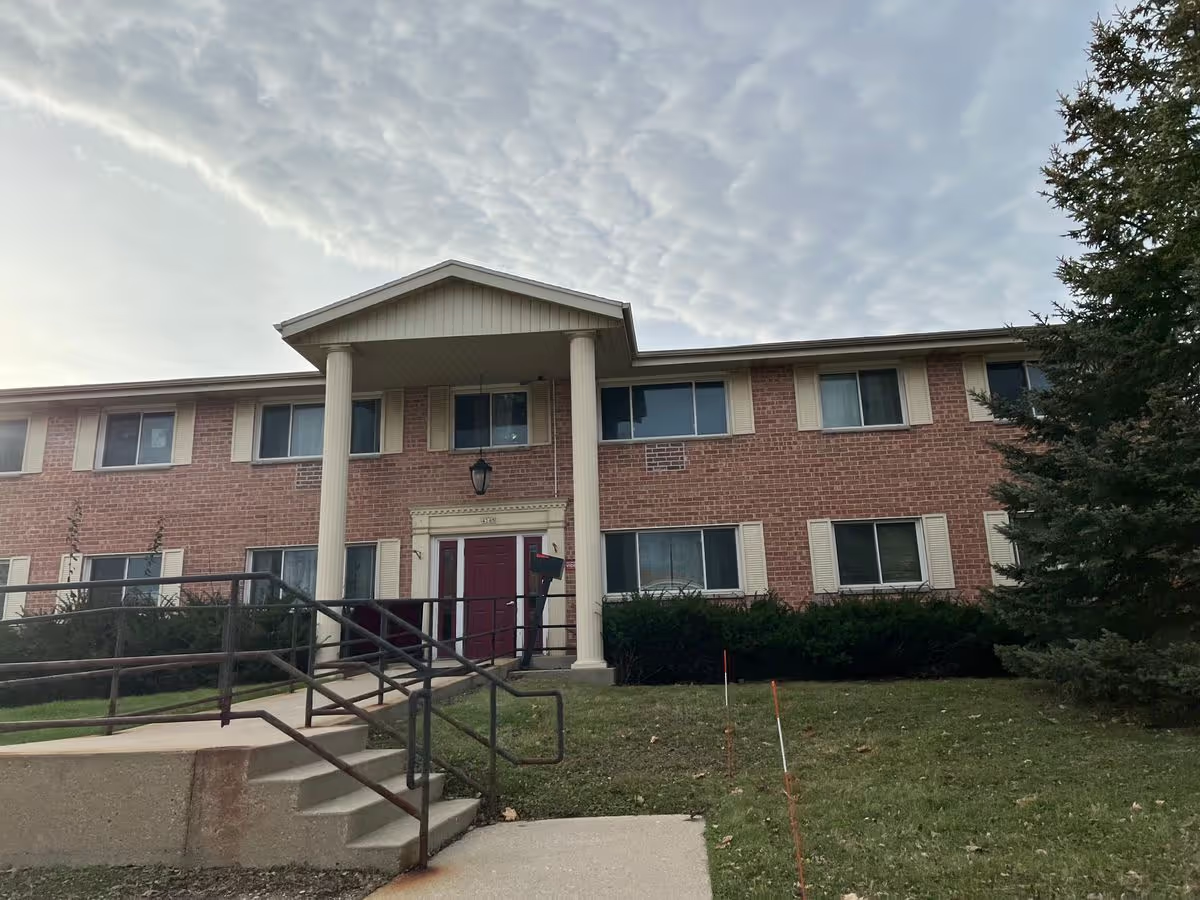
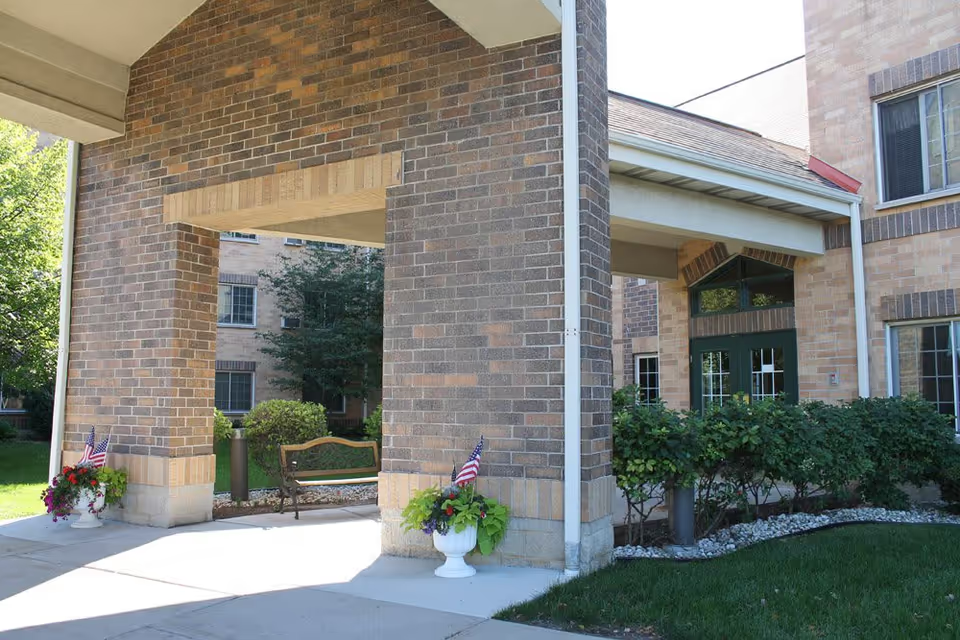
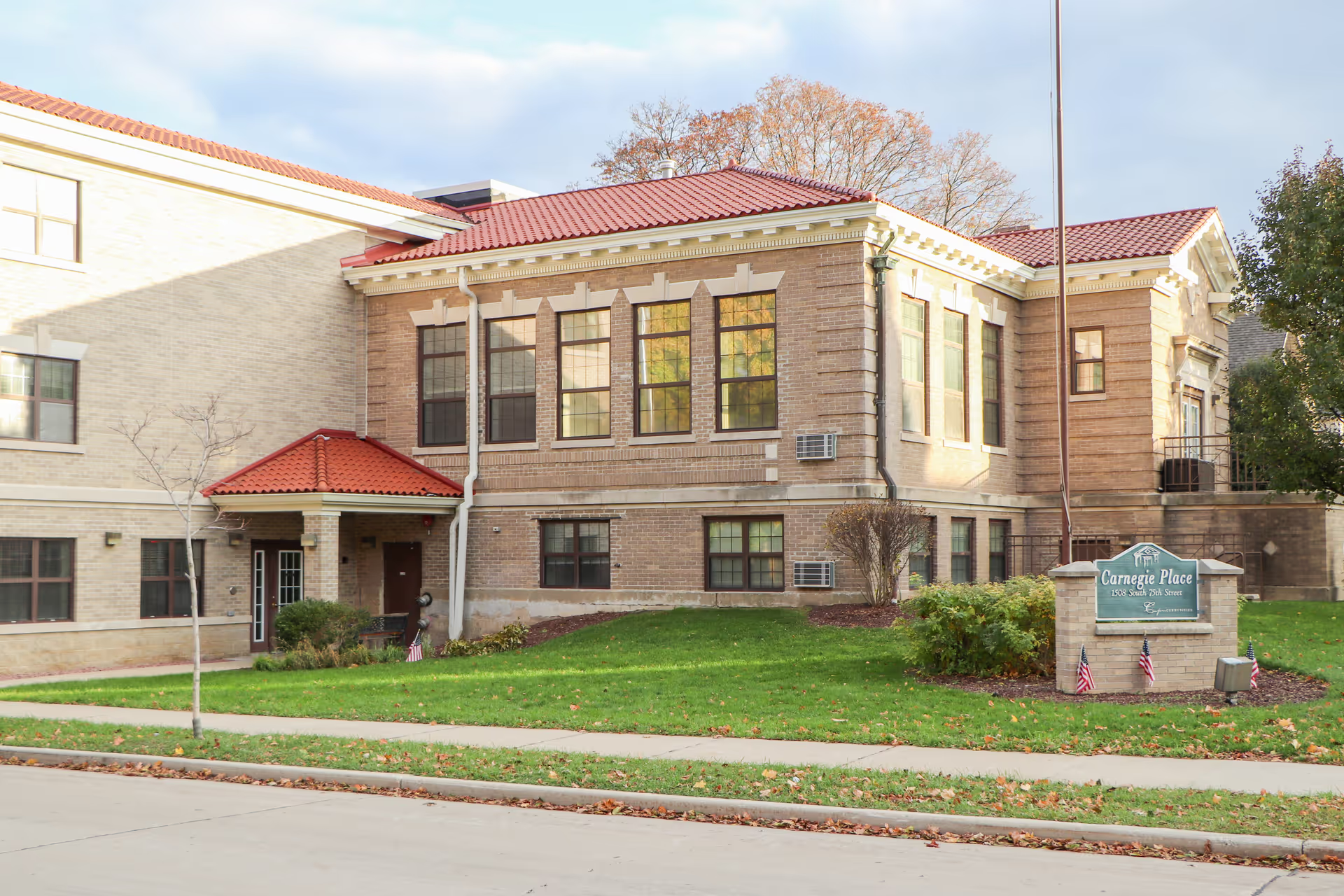
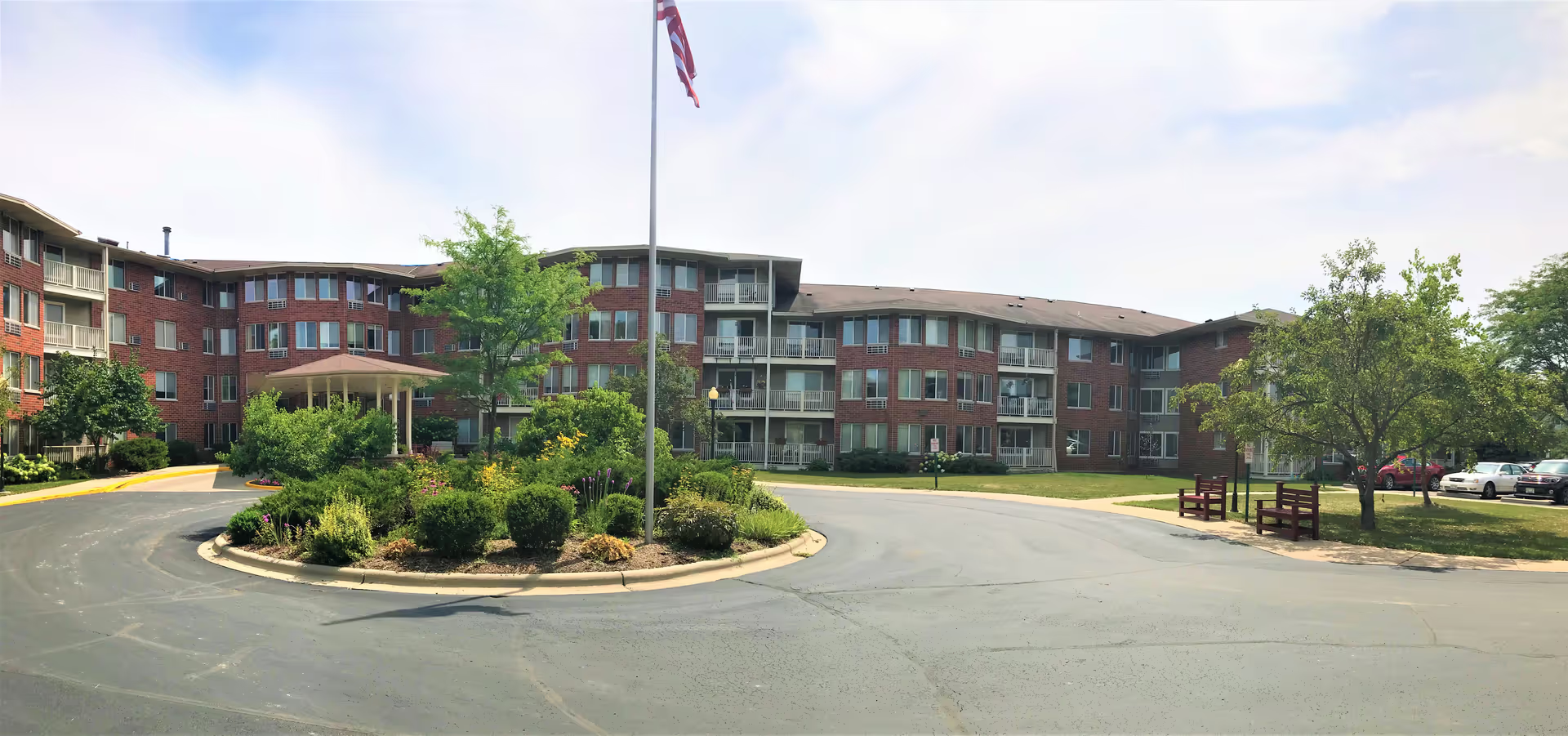
Experiences at Lutheran Home are mixed, with clear strengths in rehabilitation, therapy, and some aspects of daily living, alongside persistent operational weaknesses that families should probe before placement. Many families describe positive interactions with frontline caregivers — CNAs, therapists and some nurses are frequently characterized as caring, knowledgeable, and effective, particularly in short-term rehab and end-of-life support. The campus and newer wings are regularly praised for bright suites, large windows, attractive grounds, and private-room options that many residents and families find appealing.
Care quality appears uneven across units and shifts. While physical and occupational therapy services receive consistent commendation, long-term nursing care and overnight/evening staffing quality are described as variable. Reviewers cite delays in responding to call lights, inconsistent medication and clinical documentation practices, and gaps in shift-to-shift handoffs. Concerns about incontinence-care timeliness and pressure-area prevention were described in multiple narratives; these indicate process weaknesses rather than isolated events. Several accounts point to inadequate attention during certain shifts and to staffing levels that may not meet resident needs consistently.
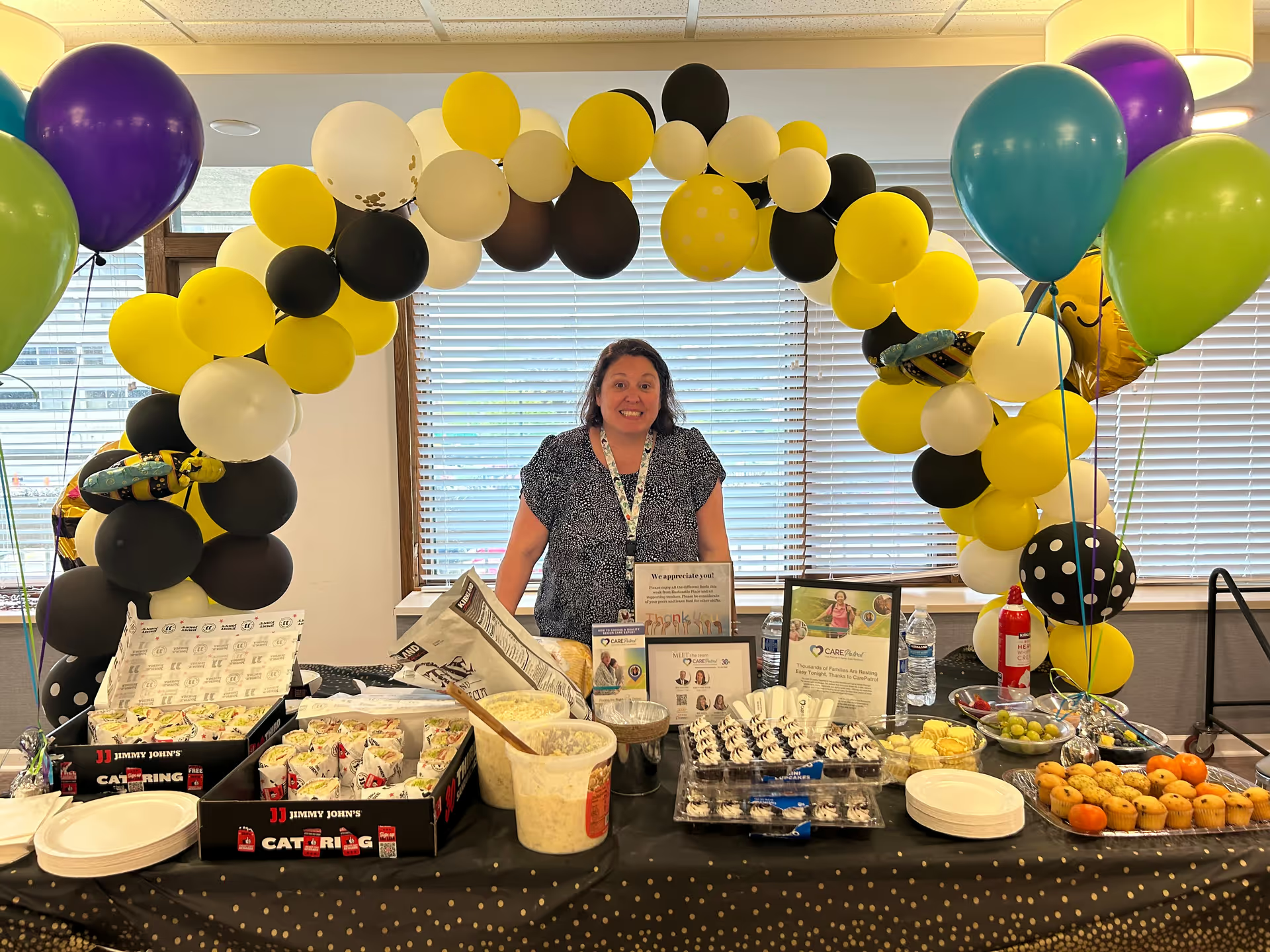
Dining and activities present a similar polarity. Some residents and families praise the food, weekly menus, and the flexibility to bring in meals; others describe cold or inconsistently prepared trays and limited substitutions. Activity programming is robust in parts of the facility — scheduled music, games, intergenerational interaction with the onsite childcare program, and group exercise are highlighted — but other units are reported to have sparse, low-stimulation schedules. COVID-era restrictions and staffing variability were noted as contributors to reduced programming and socialization for some residents.
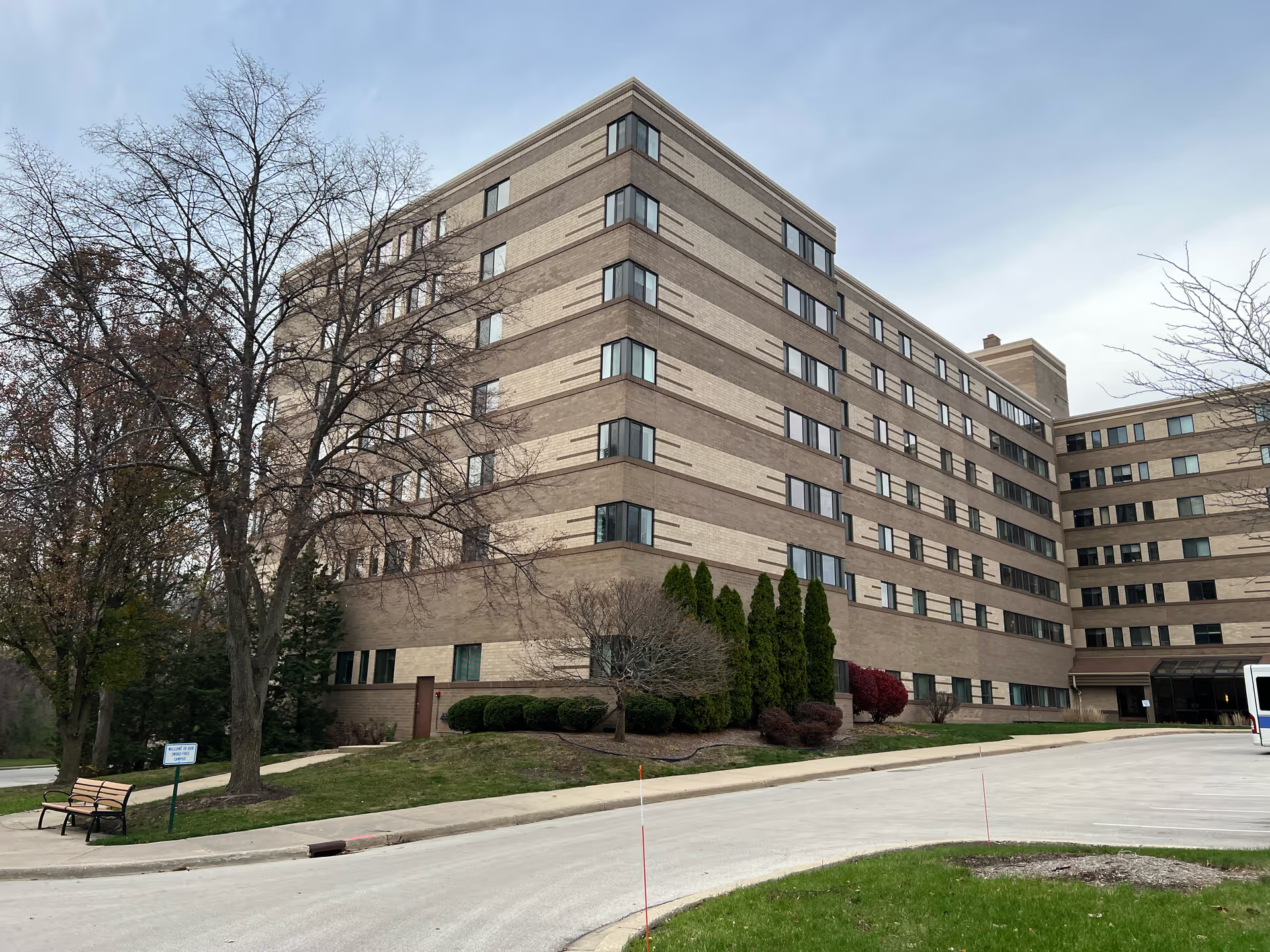
Facility condition is generally seen as positive in renovated sections: clean private rooms, updated rehab spaces, and pleasant outdoor areas are frequently mentioned. At the same time, reviewers identify maintenance and environment variability between newer and older wings, temperature control problems in some rooms, and instances of inconsistent housekeeping and laundry service. Layout complexity and confusing floor plans were also mentioned as a barrier for visitors.
Management and administrative issues are a recurring theme. Families report inconsistent communication from social workers and admissions staff, unclear waitlist processes, and frustrations with billing transparency. While some reviewers found management responsive and helpful when issues were escalated, others describe follow-through failures and slow or absent callbacks. There are also serious allegations concerning theft and financial misconduct; these are significant and warrant direct inquiry and documentation when evaluating the facility.
Notable patterns: positive rehabilitation outcomes and strong therapy services contrast with variable long-term nursing performance and operational reliability. Prospective residents and families would benefit from direct, specific questions about staffing ratios by shift, documentation and handoff procedures, bathing/laundry schedules, behavioral and activity programming in the intended unit, meal-service protocols, and financial/billing safeguards. Visiting the specific unit, meeting shift staff, and requesting written policies on infection-control visitation, discharge planning, and incident reporting will help assess whether the facility’s strengths align with an individual’s needs.