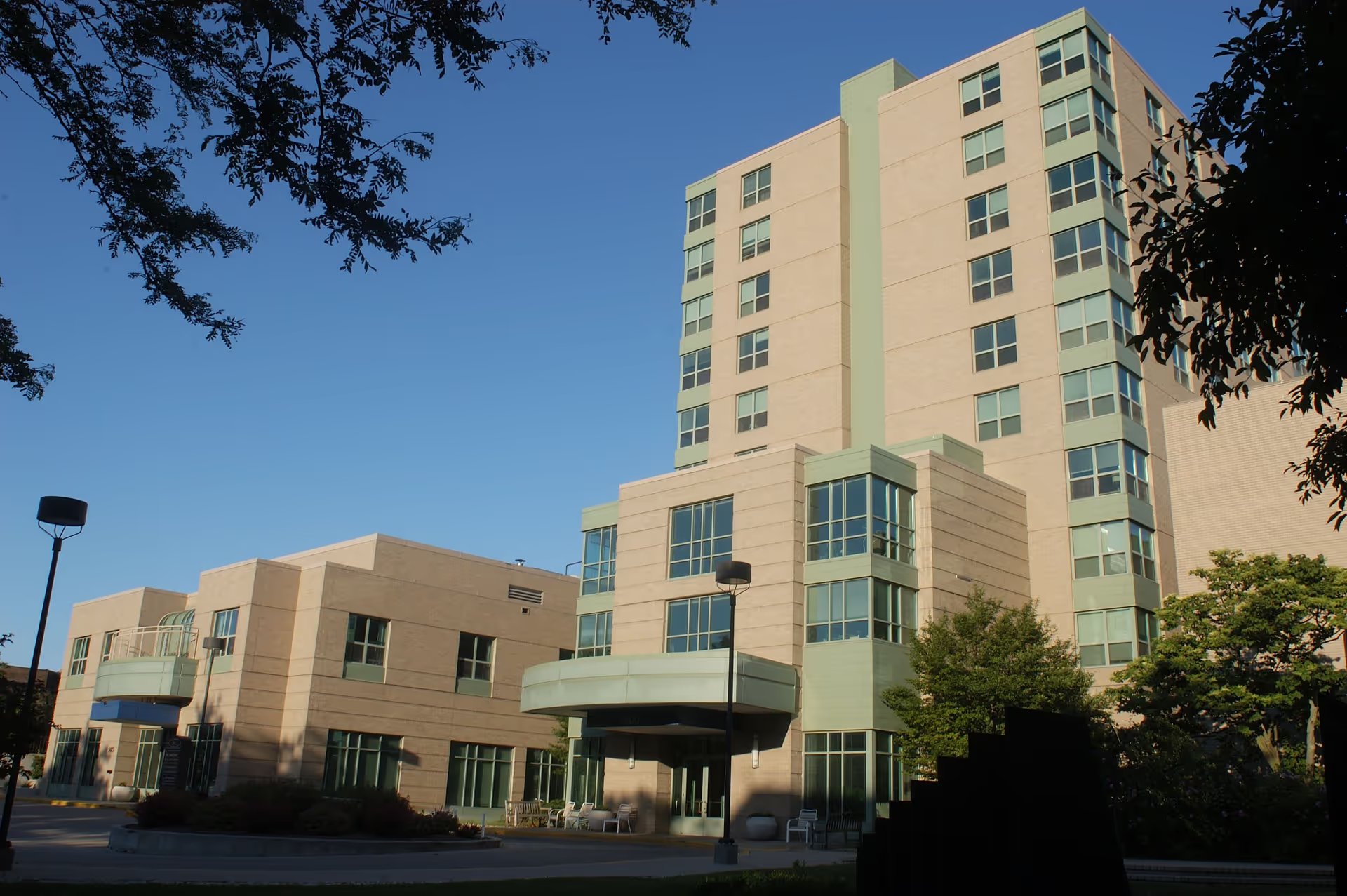
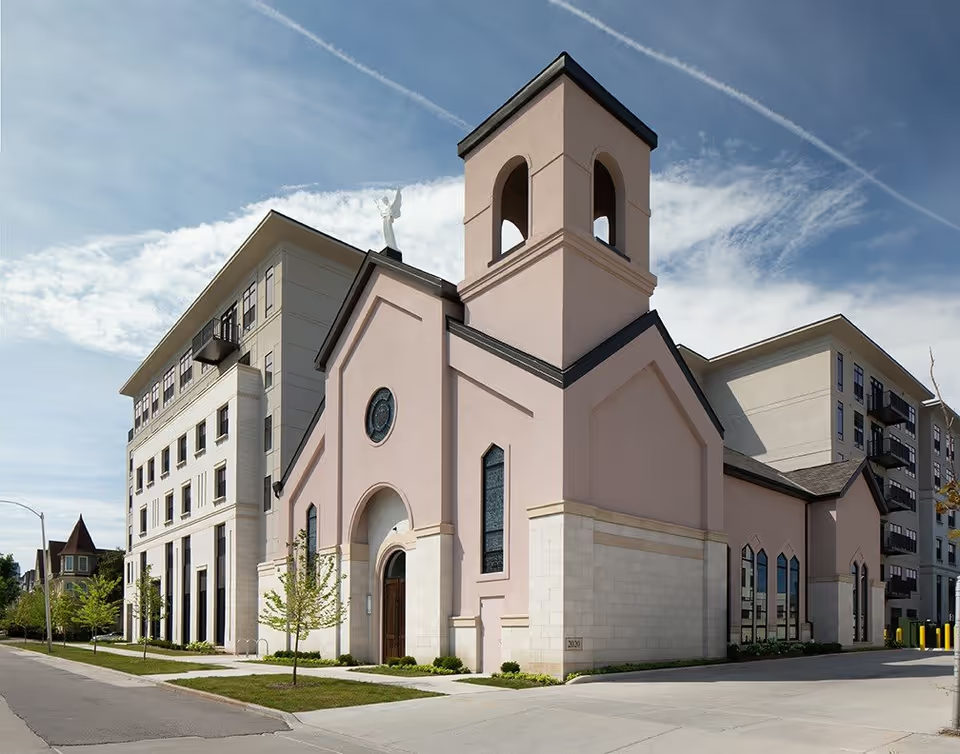
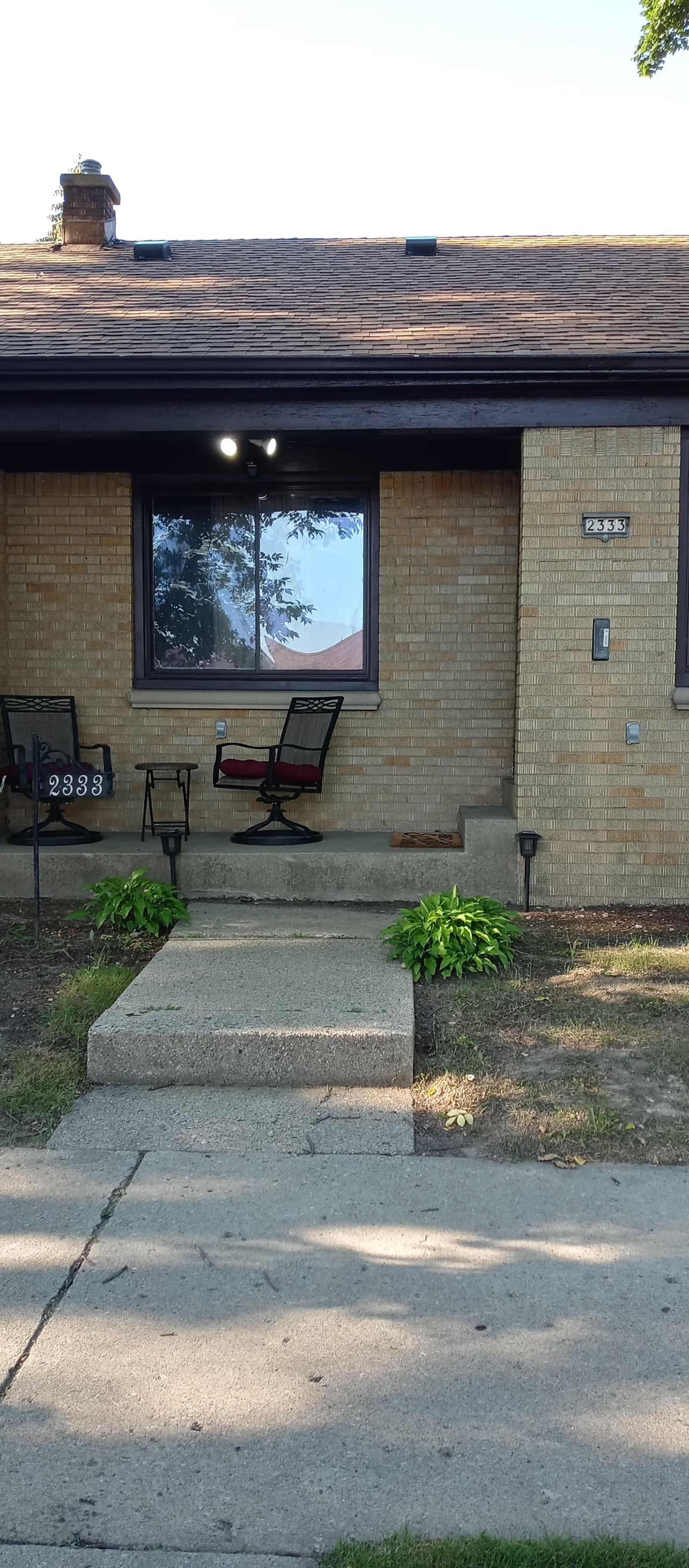
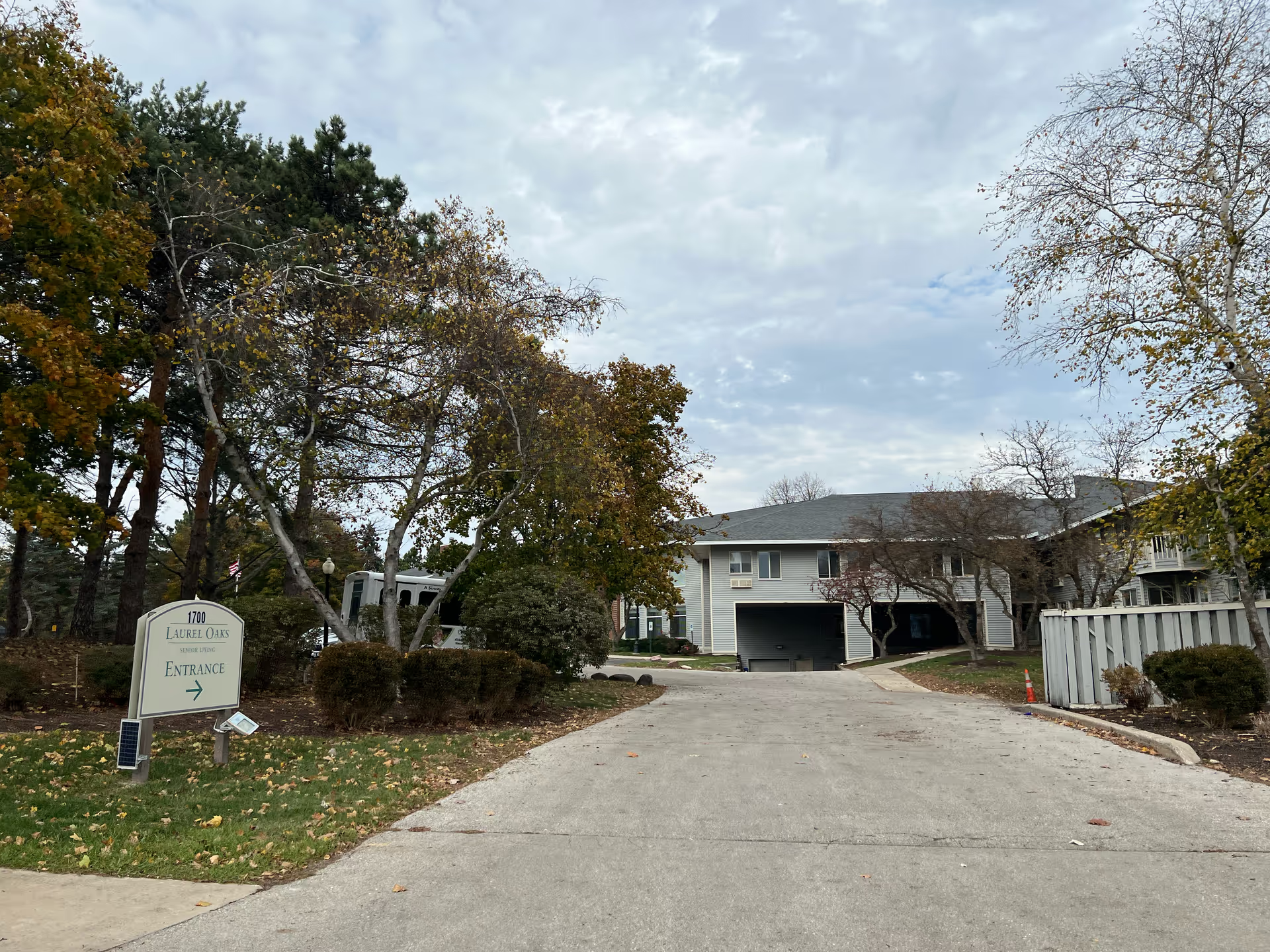
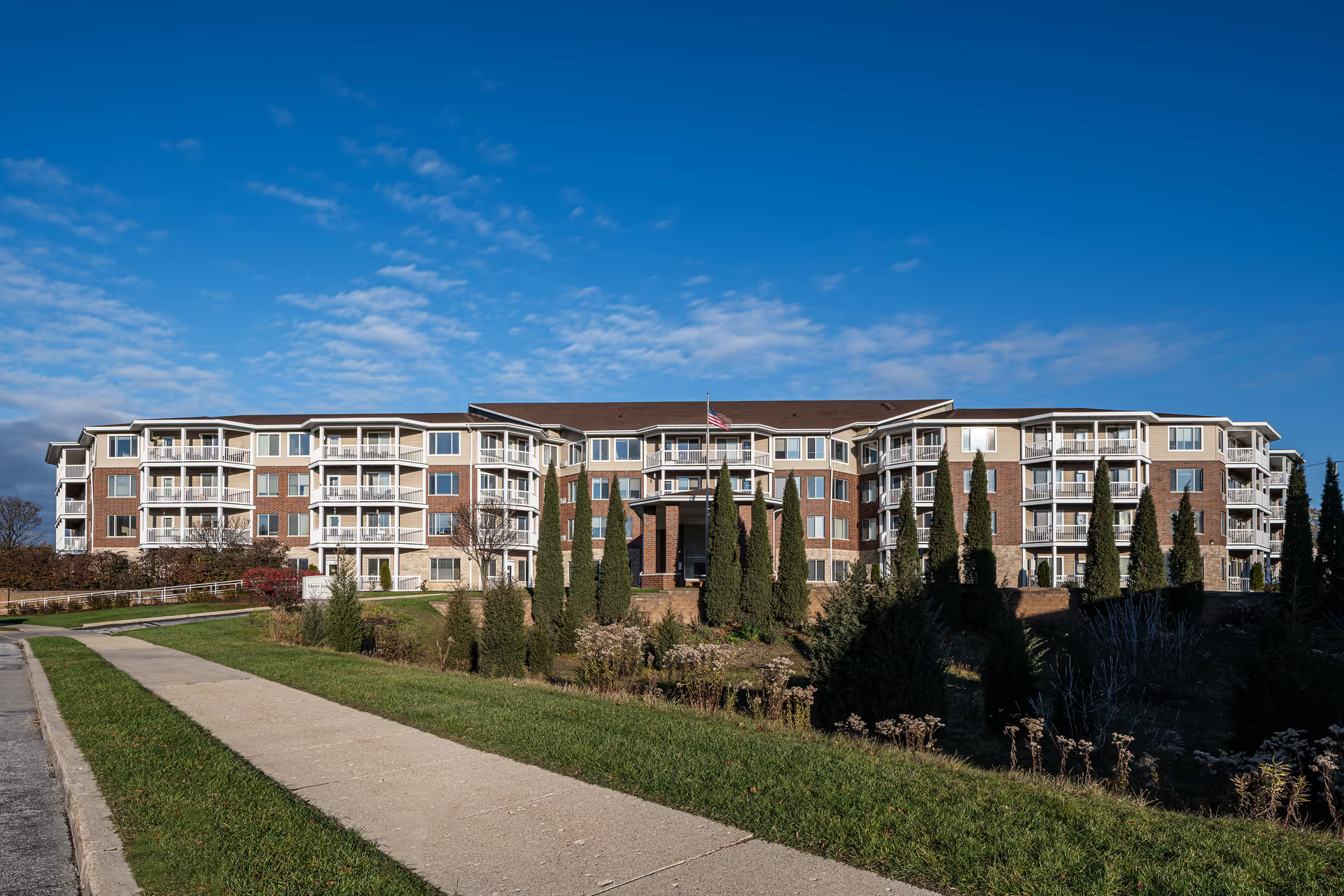
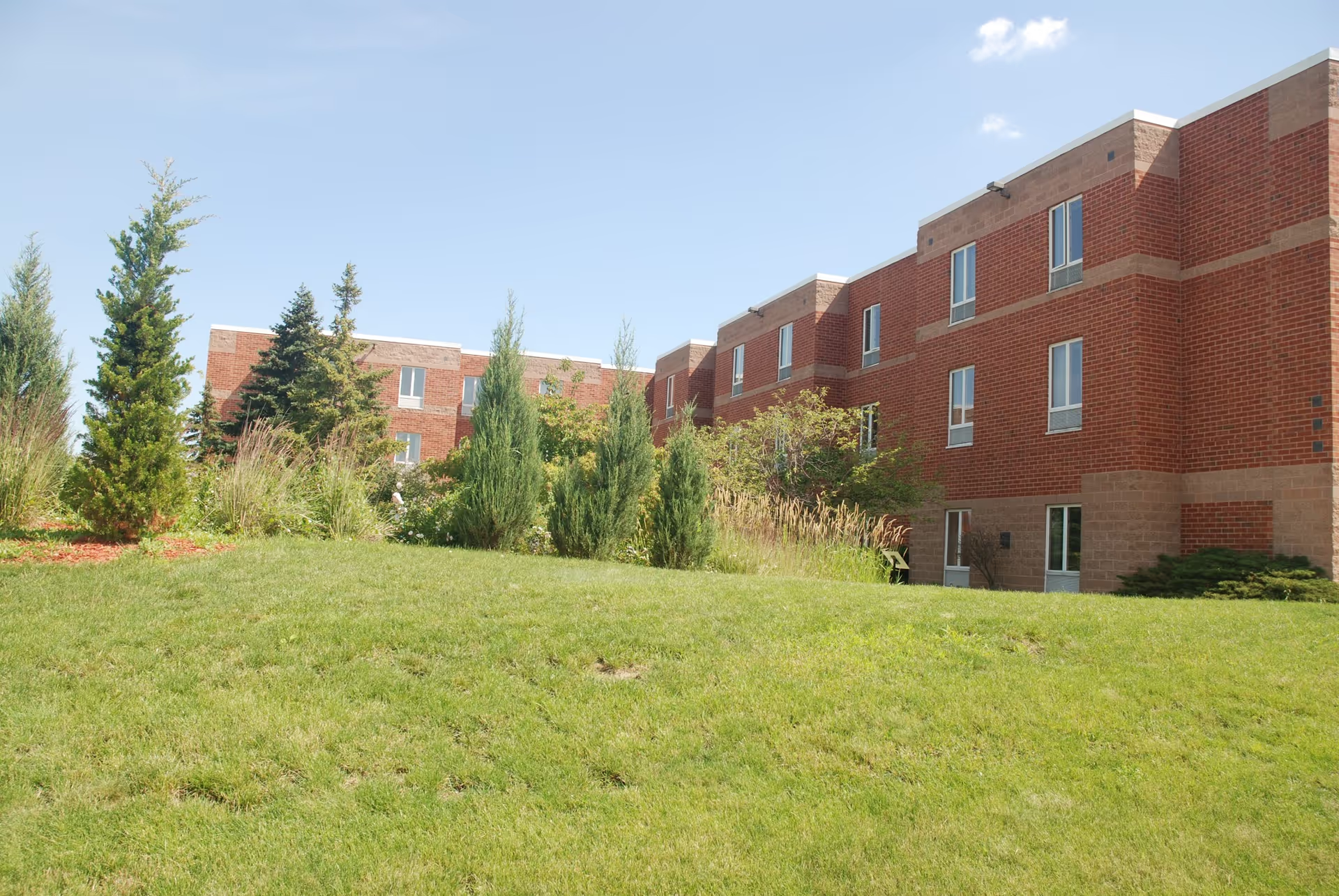
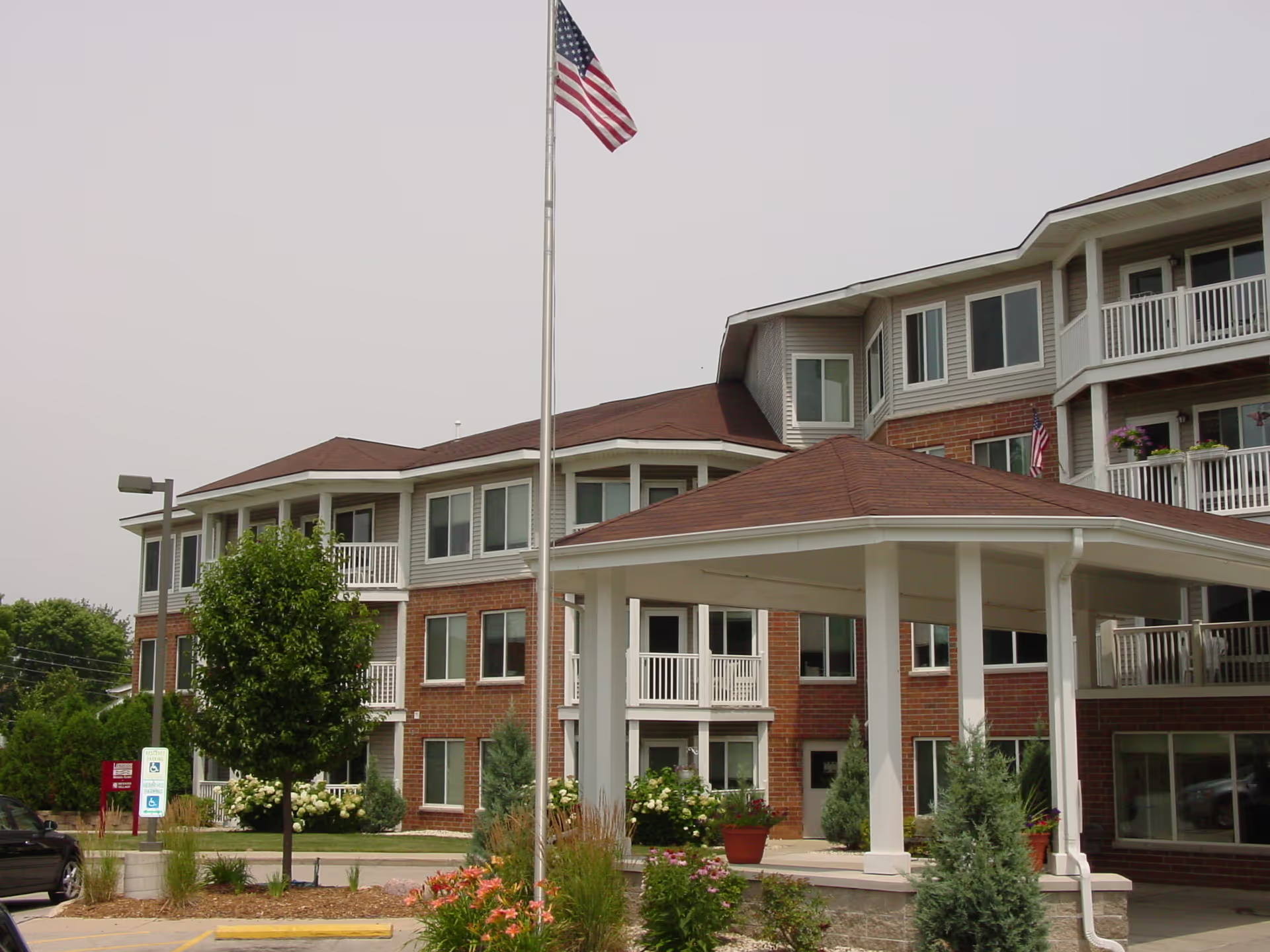
Reviews of Milwaukee Catholic Home present a mixture of clear strengths and recurring operational concerns. Many families and residents praised the facility's rehabilitation services and therapy staff, noting measurable mobility gains and effective, motivating therapists. Across multiple accounts, direct-care staff are described as compassionate and attentive in several units, contributing to a sense of community, continuity for long-term residents, and support for independence. Renovated common spaces, a secure courtyard, accessible spiritual programming (including Mass), music events, and pet-therapy offerings are frequently cited as meaningful quality-of-life features.
At the same time, reviewers describe inconsistent experiences depending on campus building and unit. Care-related concerns include uneven staff professionalism, delayed responses to resident needs, and staffing shortages that affect shift coverage and timeliness of assistance. Several comments point to weaknesses in how clinical incidents are handled: families cited delays in response during shift changes, questions about the adequacy of incident investigations, and uneven communication from nursing and administrative staff following injuries or adverse events. There are also specific safety-related process issues noted, such as problems maintaining lift-device batteries and transfer equipment, which can compromise transfer-safety practices if not addressed.
Dining is another area of contrast. Numerous reviewers compliment the food when kitchen operations are functioning well — chef-prepared meals, off-menu customization, and generally enjoyable menus — and some families singled out kitchen staff and chefs for praise. However, persistent operational problems were reported as well, including incorrect or missed meal orders, occasional undercooked items, and concerns about food-service sanitation and regulatory compliance. These sanitation and pest-control concerns — including problems localized to food-preparation areas — are a significant operational weakness that families should inquire about when evaluating the facility.
Activity programming and amenities receive mixed feedback: some residents enjoy robust offerings (music programs, hair appointments, patio activities), while others note that calendars and scheduled activities are not consistently maintained in all units. Facility maintenance observations range from a well-kept, renovated appearance in portions of the campus to issues such as unreliable room amenities (broken outlets or phones) and limited private-bath options in some accommodations. Reviewers also raise concerns about inconsistent pet visitation policies between buildings.
Management and administrative themes recur in the feedback. Families reported variability in communication quality from front-desk and management staff, inconsistent information about charges and billing (including perceptions of higher-than-expected costs), and a perceived lack of accountability in some investigations. There are serious individual allegations that suggest administrative cover-up in at least one case; prospective families should treat such claims as high-priority questions during a tour and follow-up with facility leadership and regulatory resources as needed.
Bottom line: Milwaukee Catholic Home shows substantive strengths in rehabilitation, therapy, compassionate care in many units, and community programming, alongside operational vulnerabilities that can materially affect the resident experience — especially around staffing consistency, meal-service reliability, food-service sanitation, maintenance of safety equipment, and management communication. Prospective residents and families should tour the specific building/unit of interest, ask targeted questions about staffing ratios and shift coverage, incident-investigation practices, pest-control and kitchen compliance records, lift-device maintenance, meal-order procedures, pet policies, and detailed cost/billing practices before deciding.