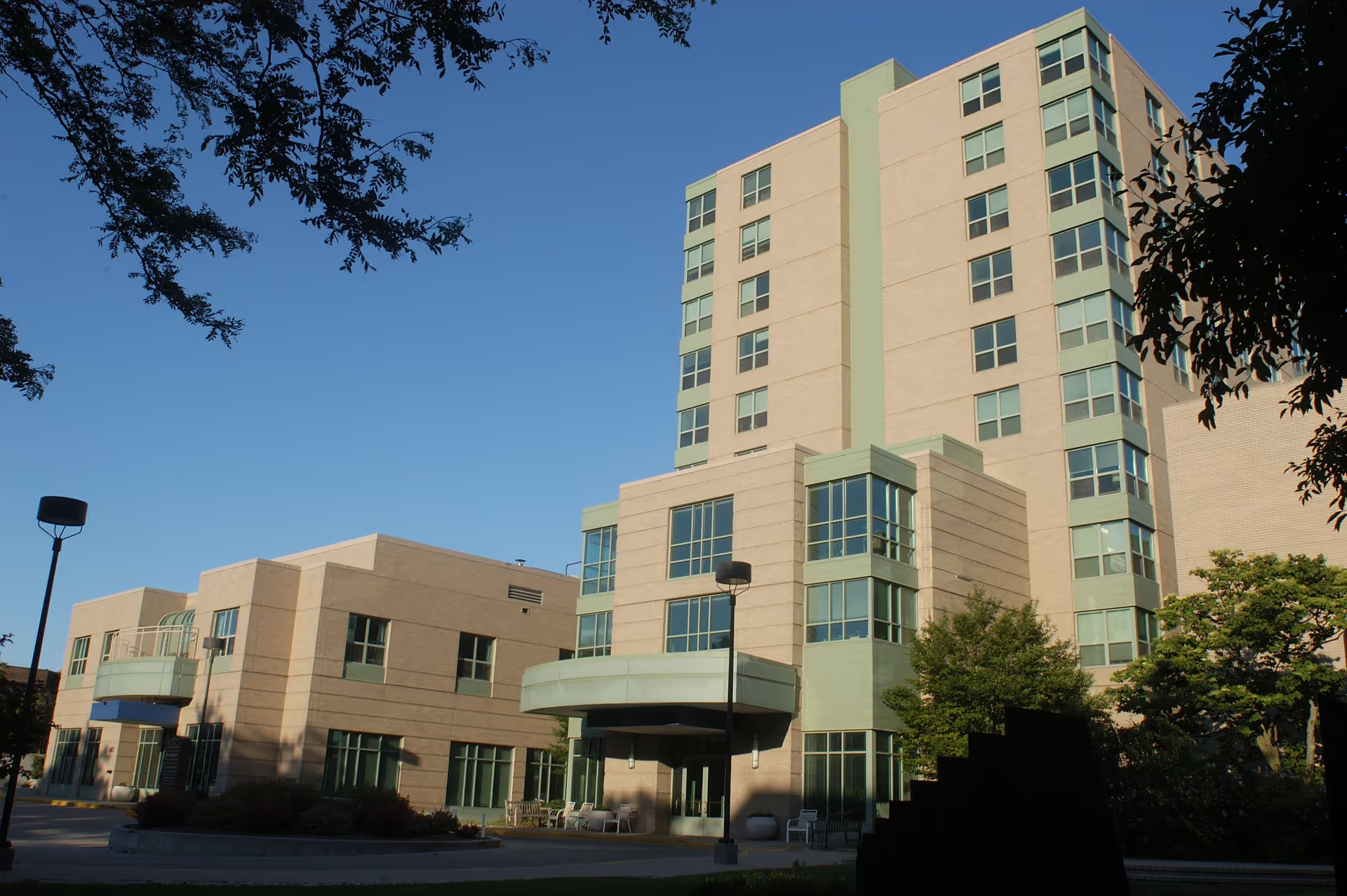
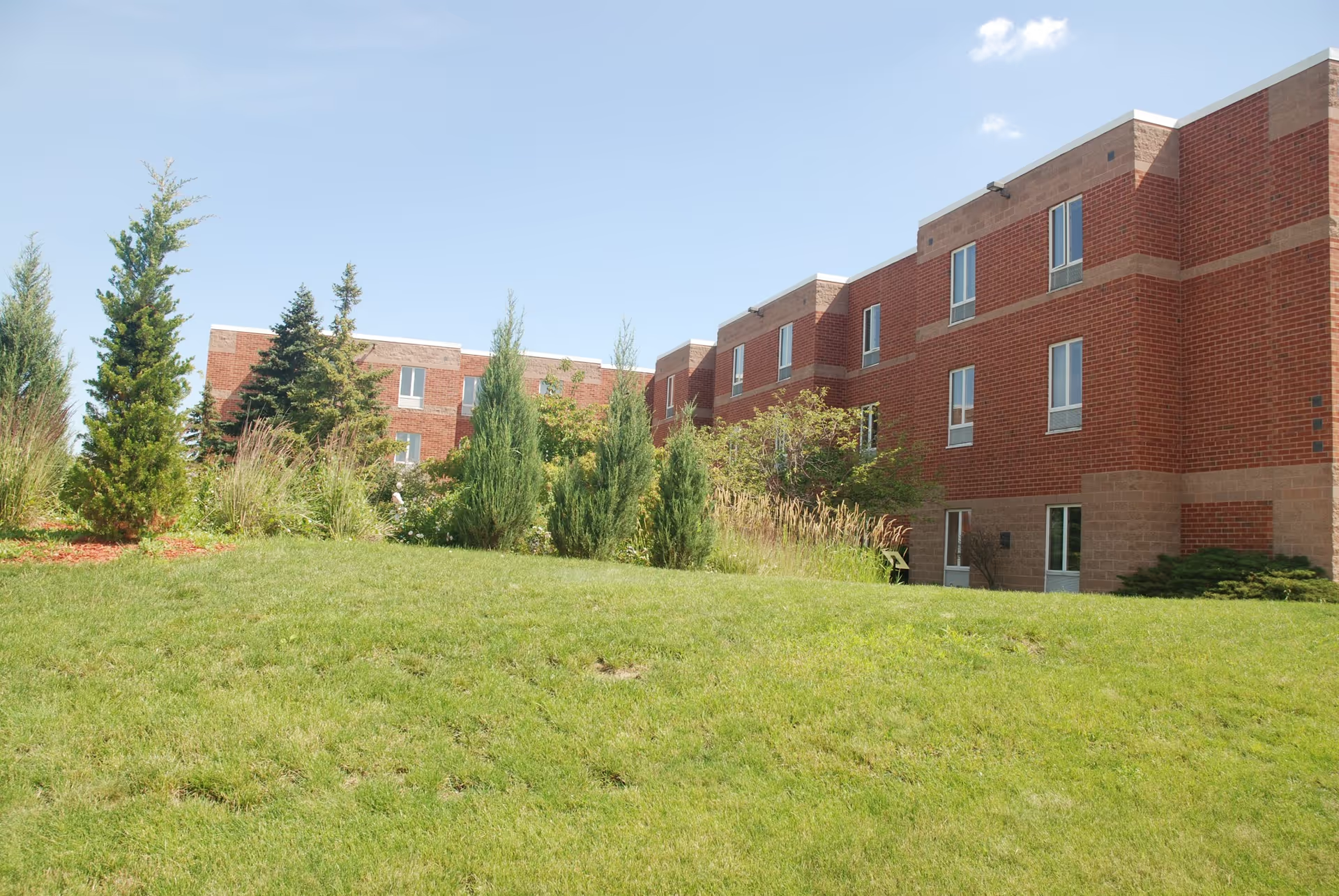
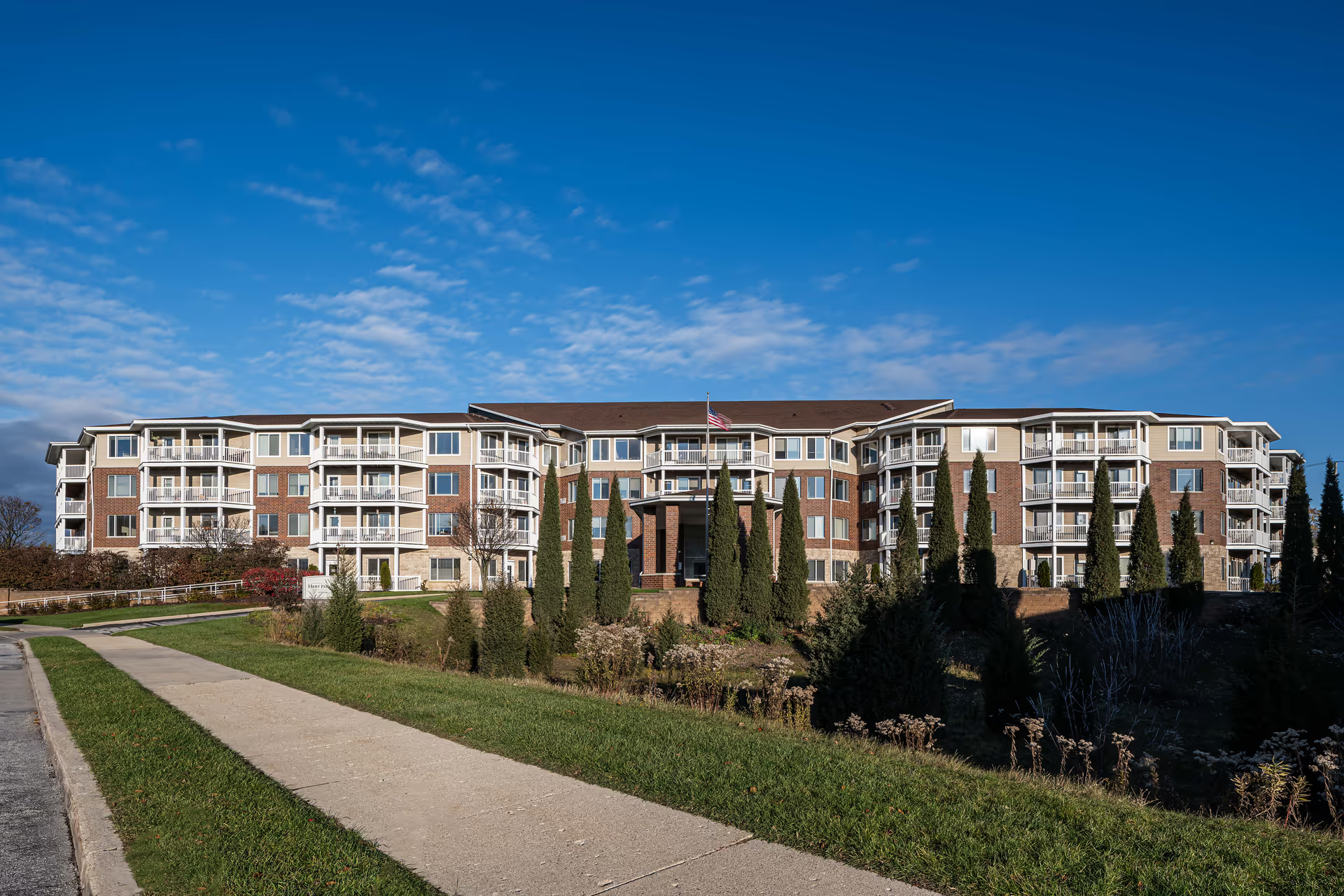
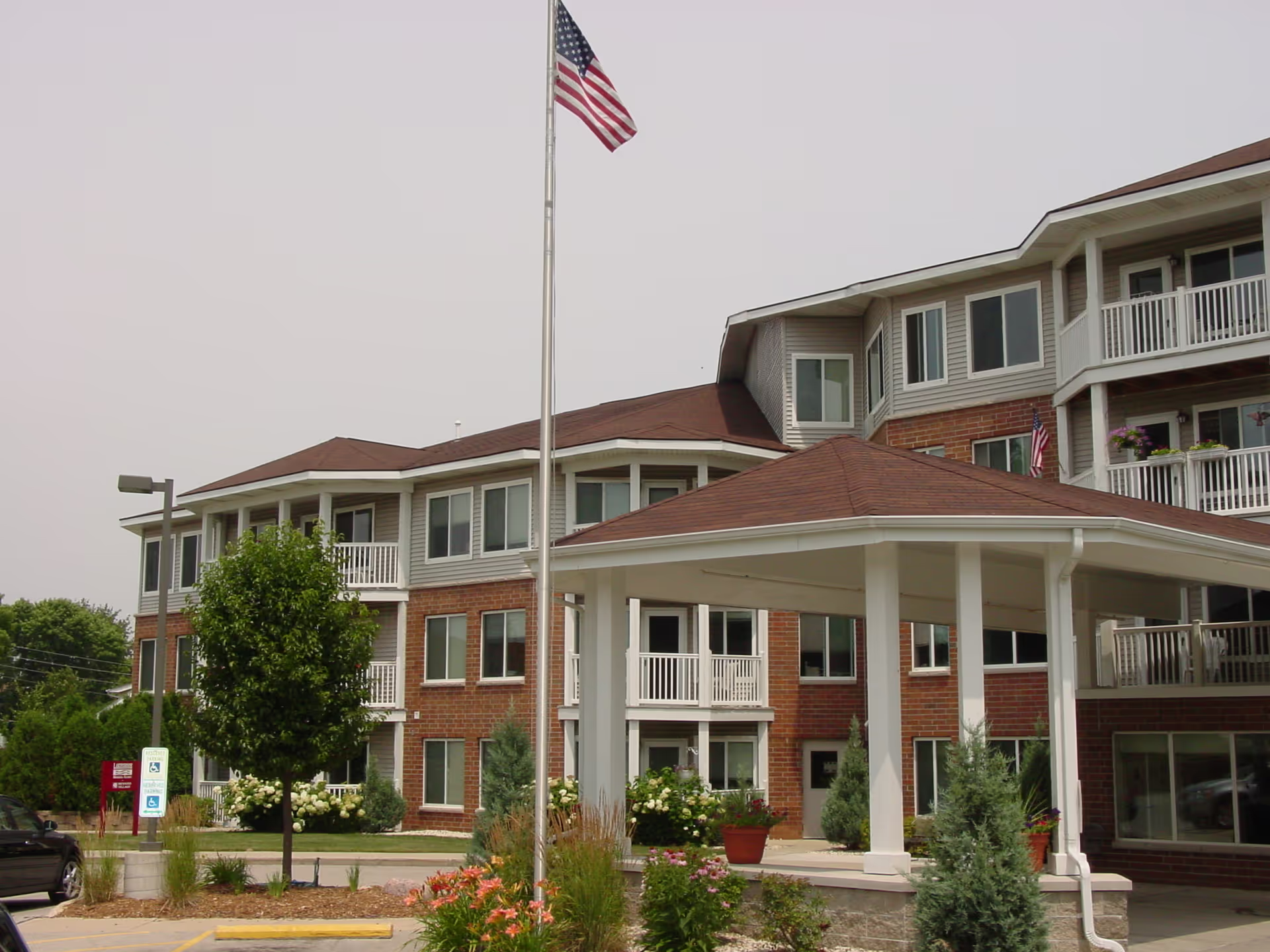
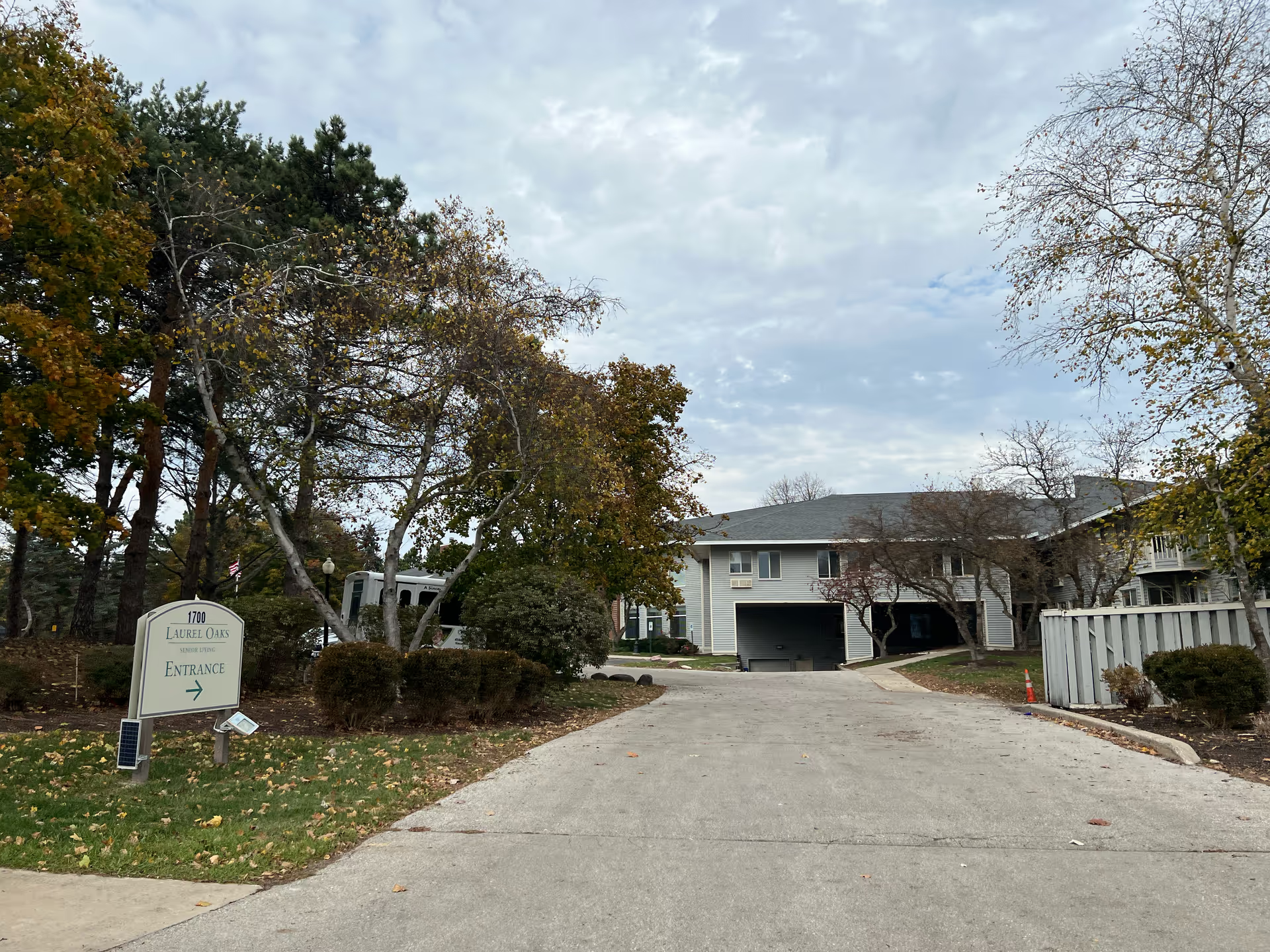
Saint John’s on the Lake presents as a well-resourced, campus-style life-plan community with many strengths and a few recurring operational concerns. Strengths most consistently mentioned include a life-care contract that preserves the base monthly rate, an inclusive Episcopal-rooted culture, and a social environment that supports active engagement. The physical campus—lake and marina views, well-appointed apartments, attractive grounds, an onsite pool, fitness spaces, and a robust library—contributes to a comfortable, residential atmosphere for independent and assisted living residents.
Care and staff are frequently cited as the community’s primary asset. Reviewers highlight compassionate, attentive caregivers, nursing and housekeeping services tailored to individual needs, and staff who develop familiarity with residents and families. Families appreciated on-campus skilled nursing continuity and assistance during transitions. At the same time, a pattern of staffing inconsistency emerges: coverage gaps and delays in clinical response or follow-up communication were described, as were occasional concerns about staff conduct and training. There are also accounts indicating delays in provision of safety equipment and instances of delayed incontinence care and related sanitation concerns; together these point to operational weaknesses in hands-on care delivery during high-demand periods.
Dining, activities, and programming are frequently praised. Dining offerings are often described as varied, well-prepared, and served in an unhurried setting with pleasant views; multiple mentions of specific favorite dishes underscore periods of strong culinary performance. The community provides broad activity choices—lectures, concerts, play readings, fitness classes, library visits, tech support, and organized social events—that foster belonging and peer engagement. Reviewers also note active specialty communities (for example, Parkinson’s) and opportunities for family involvement and social connection.
Financial and management patterns are notable. Some reviewers raised concerns about billing practices, extra fees, and perceived overcharges, as well as the community’s affordability for those on limited budgets. There are also comments about administrative unresponsiveness or slow escalation when families seek answers about clinical incidents, test results, or financial disputes. Together with staffing variability, these themes suggest prospective residents should confirm staffing ratios, emergency-response protocols, and exact billing terms before committing.
For prospective residents and families: Saint John’s offers strong amenities, a rich activity calendar, a supportive community culture, and continuity-of-care advantages through its life-care model. At the same time, verify operational specifics during a visit—ask about current staffing levels and shift coverage, clinical escalation and family-communication processes, timelines for safety-equipment provisioning, sample menus and recent dining reviews, and clear billing and refund policies. Reviewing state inspection records and speaking directly with current residents and families can help clarify whether the community’s strengths align with your expectations and care needs.