This collection of reviews presents a facility with substantial strengths alongside recurring operational weaknesses. Positive themes include a faith-based culture with frequent chapel services and on-site clergy, a full continuum of care (independent living through hospice and on-campus rehab), and private apartment options that often feature kitchenettes and walk-in showers. Many comments describe clean, well-kept interior spaces, active programming (music nights, movies, bingo, crafts), and staff who are personable and long-tenured. Families frequently praised on-site social-work support and named clinical staff and administrators who were helpful and communicative. Several reviewers also noted effective coordination with the local hospital for acute care needs.
Care quality and staffing are the areas with the most divergent feedback. Positive accounts describe attentive, kind nursing and caregiving, strong care coordination, and staff who know residents by name. However, other accounts raise concerns about chronic understaffing, inconsistent aide coverage, and slow or unreliable response to call lights. Those operational issues manifested as delays in personal hygiene assistance and toileting help, and a perception of inconsistent follow-through on physician orders. There are additionally concerns about clinical monitoring and documentation practices related to medications and oxygen therapy; a few families described events that resulted in hospital escalation.
Dining and daily living received mixed evaluations. Many residents and visitors found meals satisfactory and praised particular menu items and staff effort; visitor meals and dining rooms on each floor are noted as conveniences. At the same time, reviewers described variability in food quality and occasional declines under management transitions. Housekeeping and maintenance were generally seen as adequate for many common areas, but laundry-process problems, maintenance delays, and localized odor or dampness concerns were noted in some parts of the building.
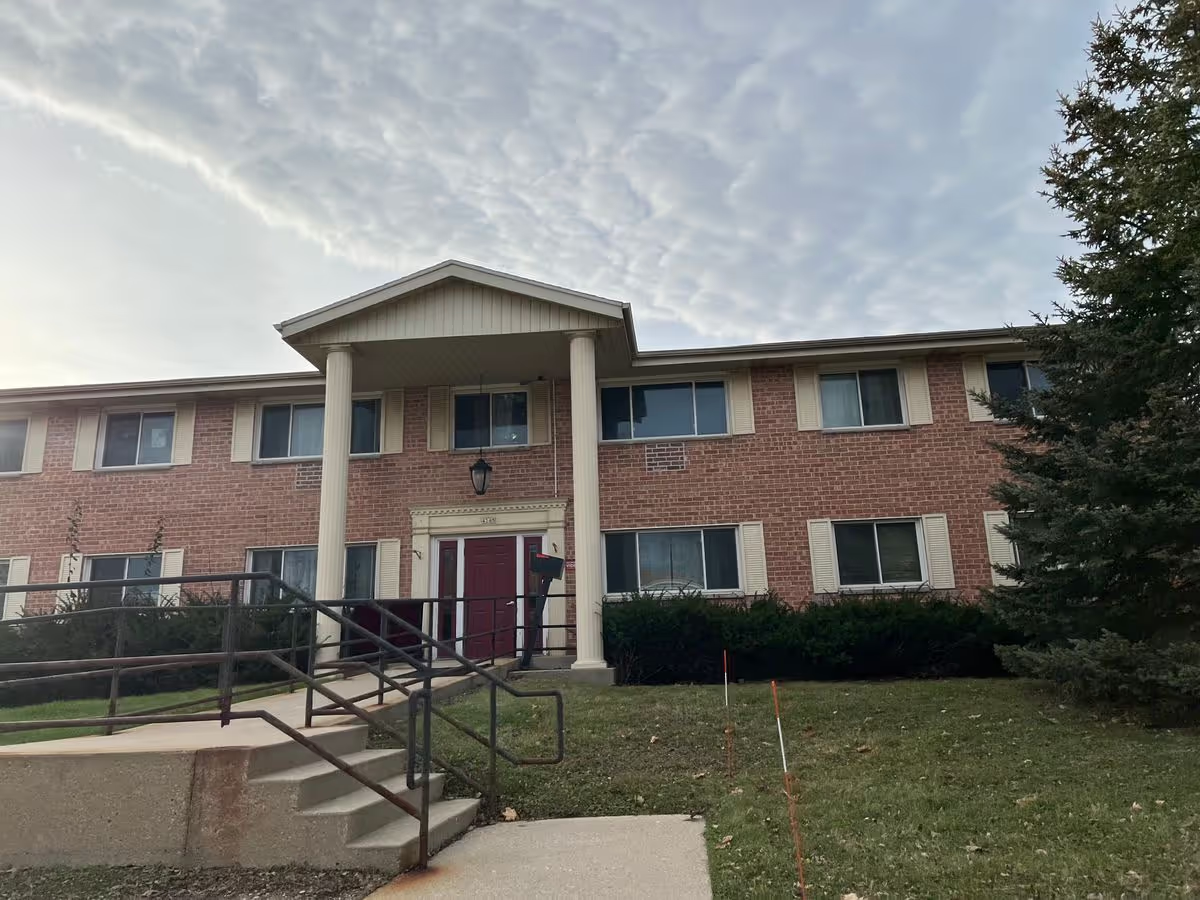
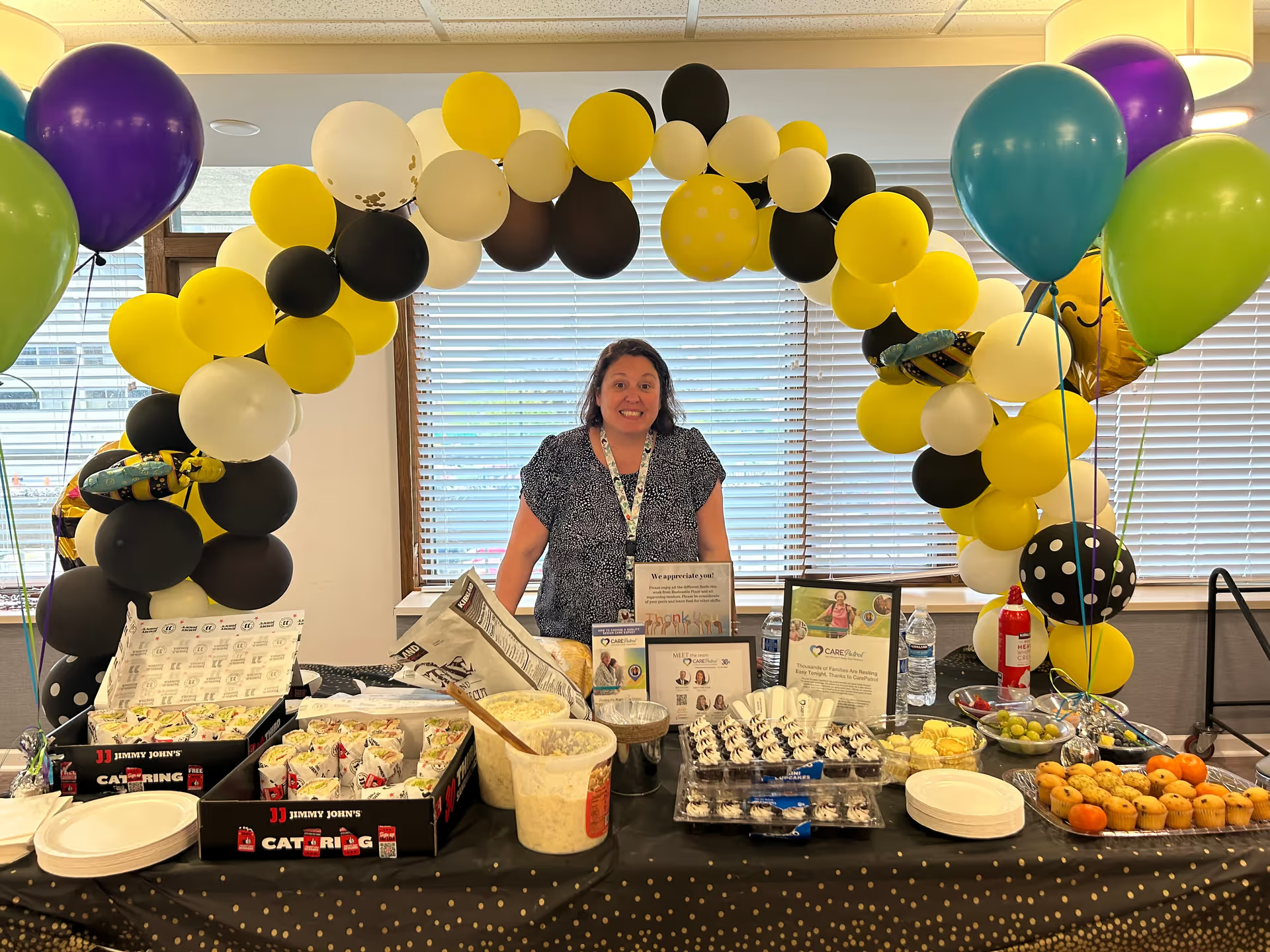
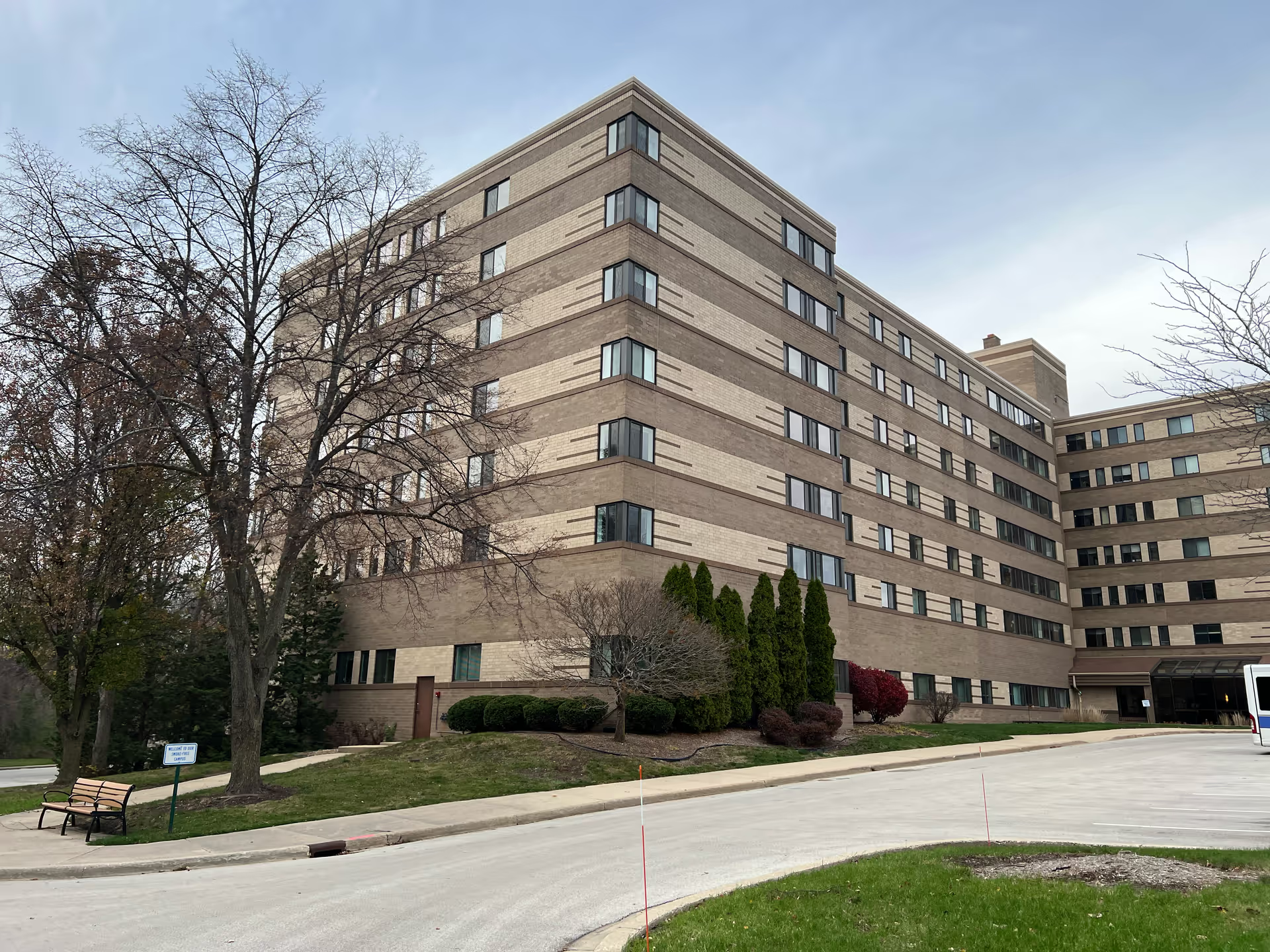
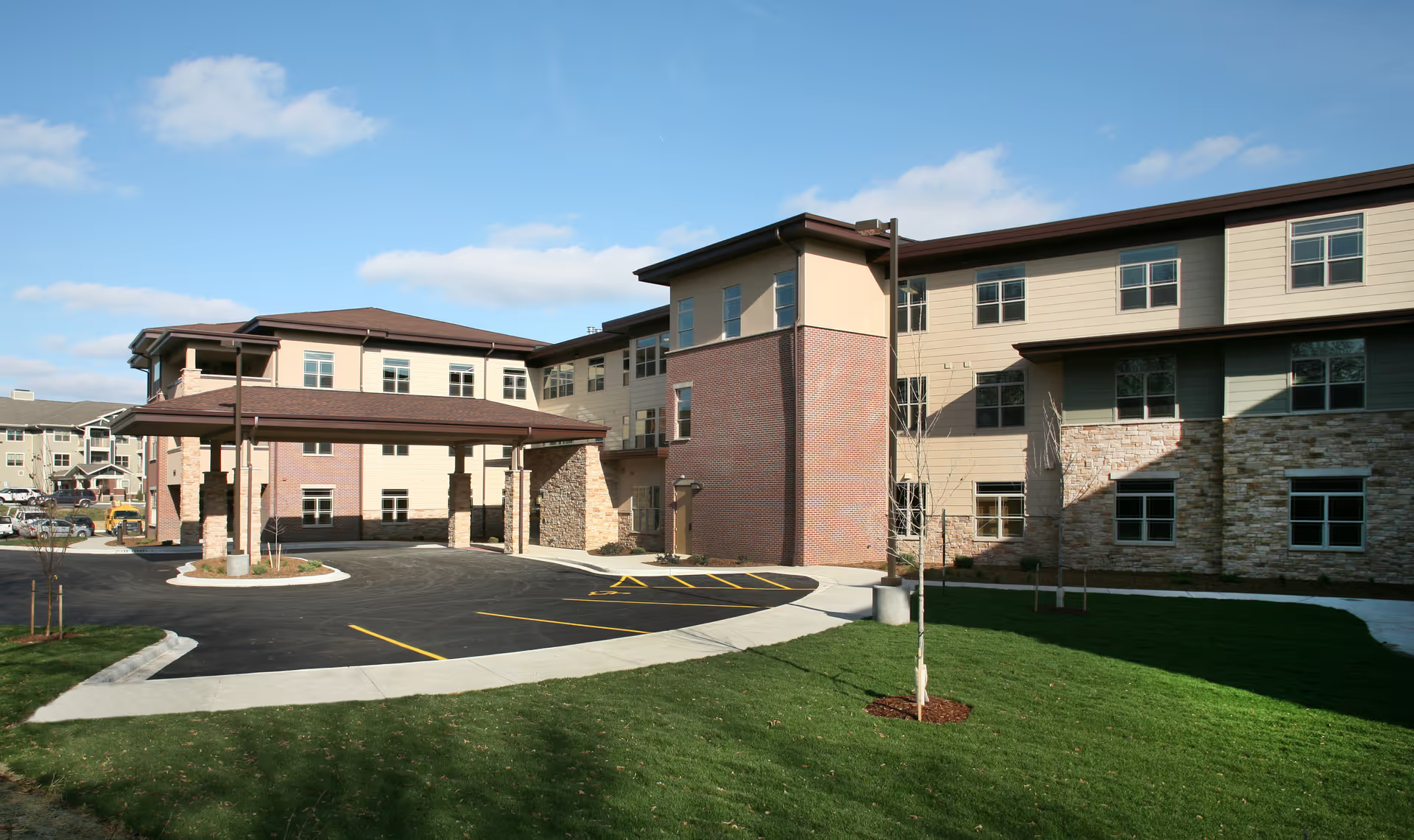
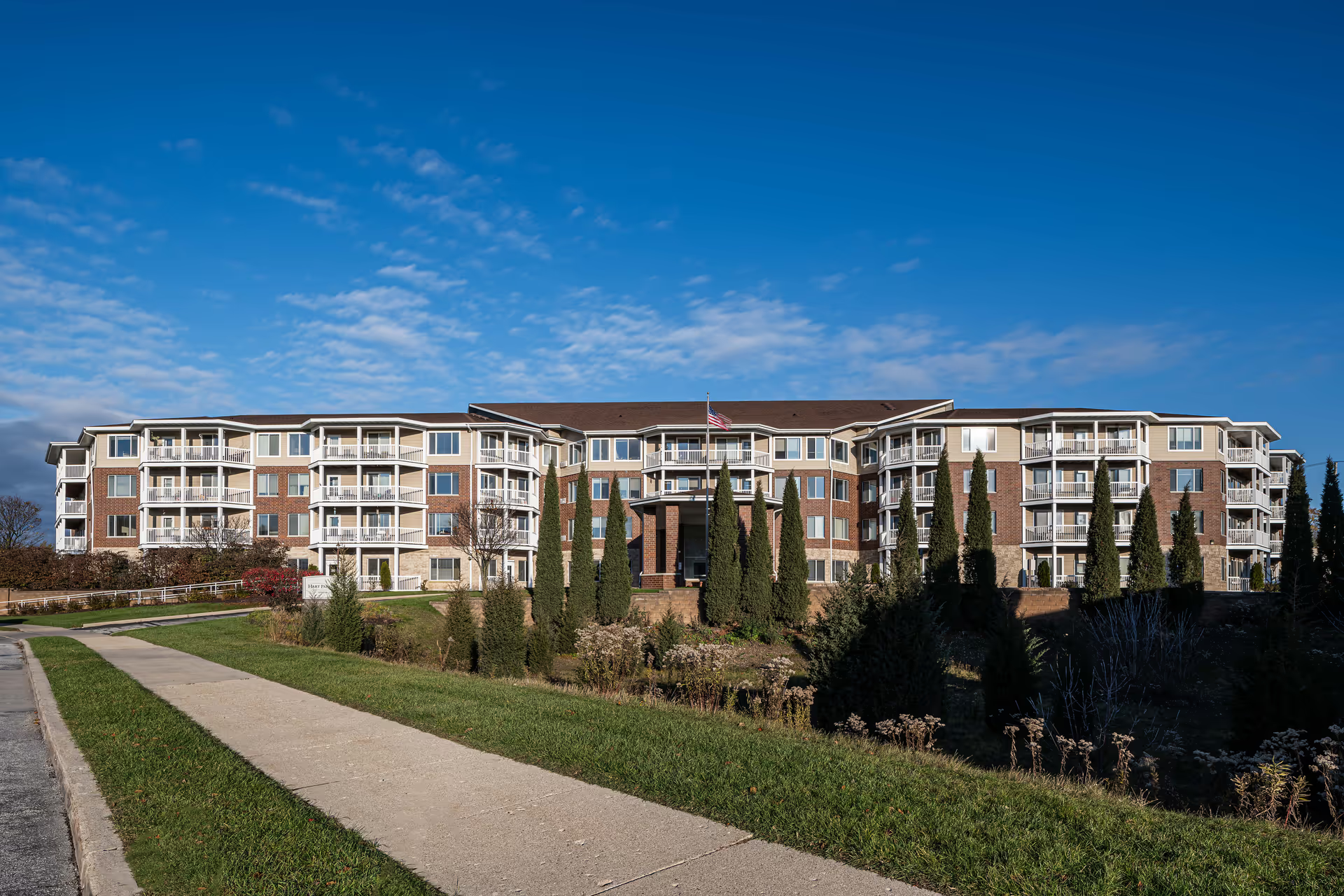
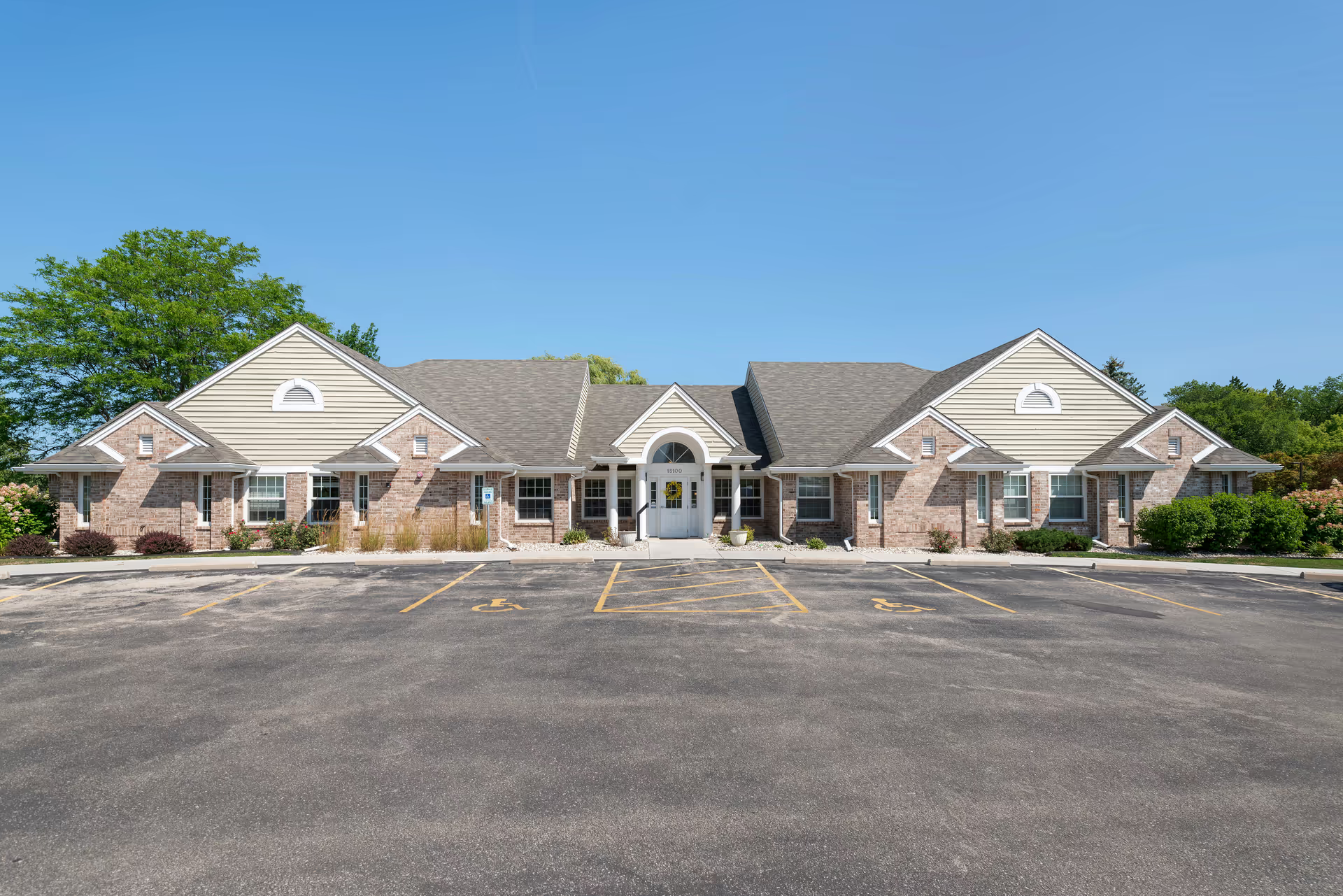
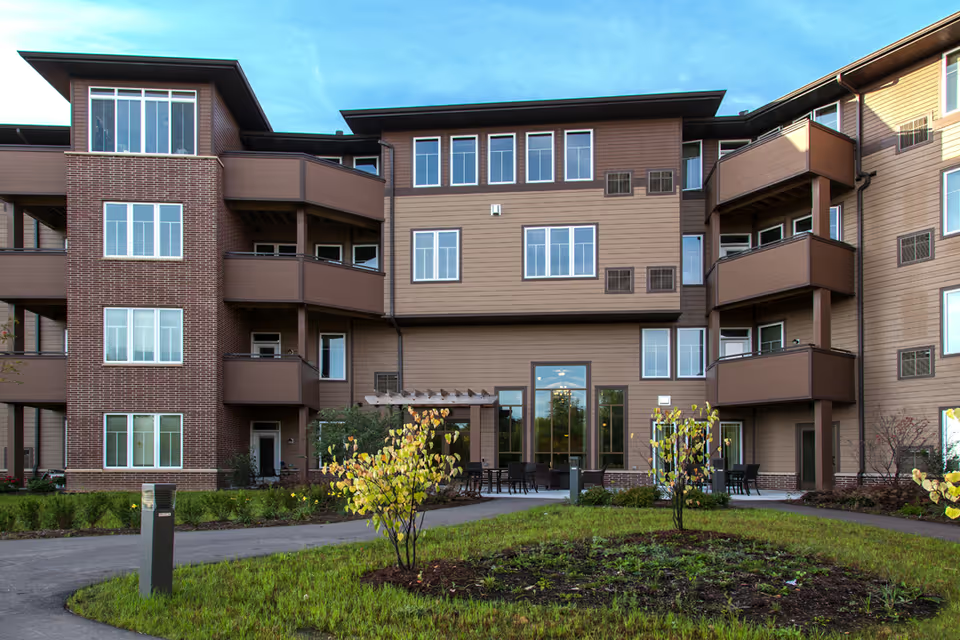
Activities and community life are strengths for many residents: frequent programs, large activity spaces, social dining, and a visible chapel life were highlighted. The campus layout and availability of multiple activity venues (including music and movie capabilities) contribute to an engaged atmosphere for residents who want organized programming. Facility condition comments were mixed: interior cleanliness and remodeling efforts were frequently praised, while the exterior and some older wing finishes were described as dated.
Management and communication are recurring themes with polarized perceptions. Several reviewers singled out administrators, social workers, and certain department heads for prompt, professional responses and advocacy. Conversely, other families described gaps in follow-up communication, phone-system problems, and front-desk responsiveness issues. There are also isolated but serious personnel concerns referenced, including workplace culture complaints and allegations of inappropriate conduct; these were not uniform across reviews but merit inquiry by prospective families.
Notable patterns for prospective residents and families are the polarity of experience and the operational themes that recur in negative comments: staffing levels (particularly aides), call-system reliability, and consistency of clinical oversight. The facility offers many structural strengths—faith-based programs, a continuum of care, private apartment options, and active programming—but prospective families should evaluate current staffing ratios, observe response times to call buttons, and ask about clinical-monitoring protocols, laundry/maintenance processes, and management escalation procedures during a tour or intake conversation.