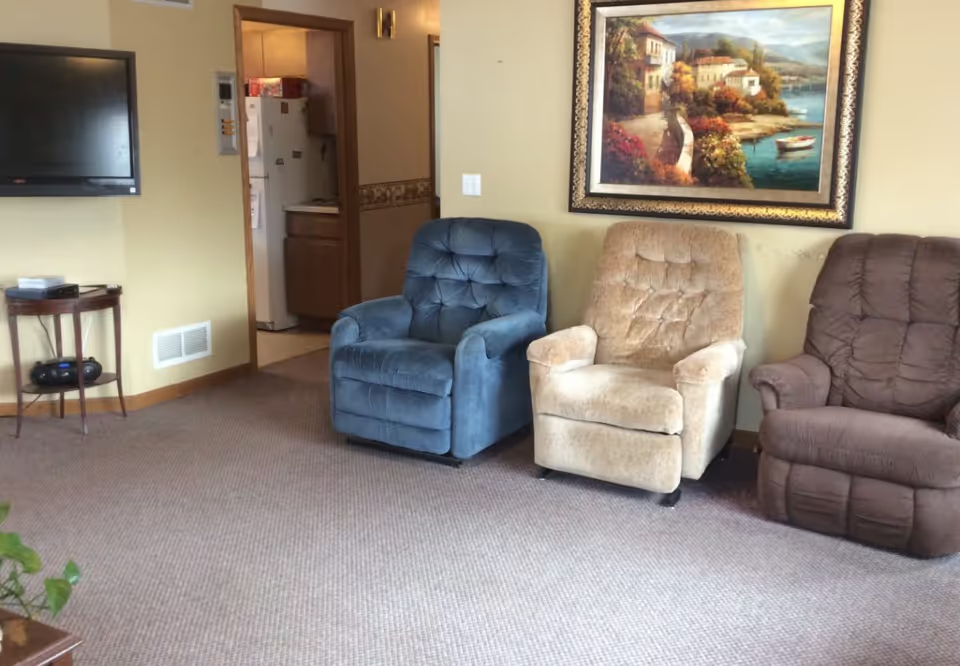
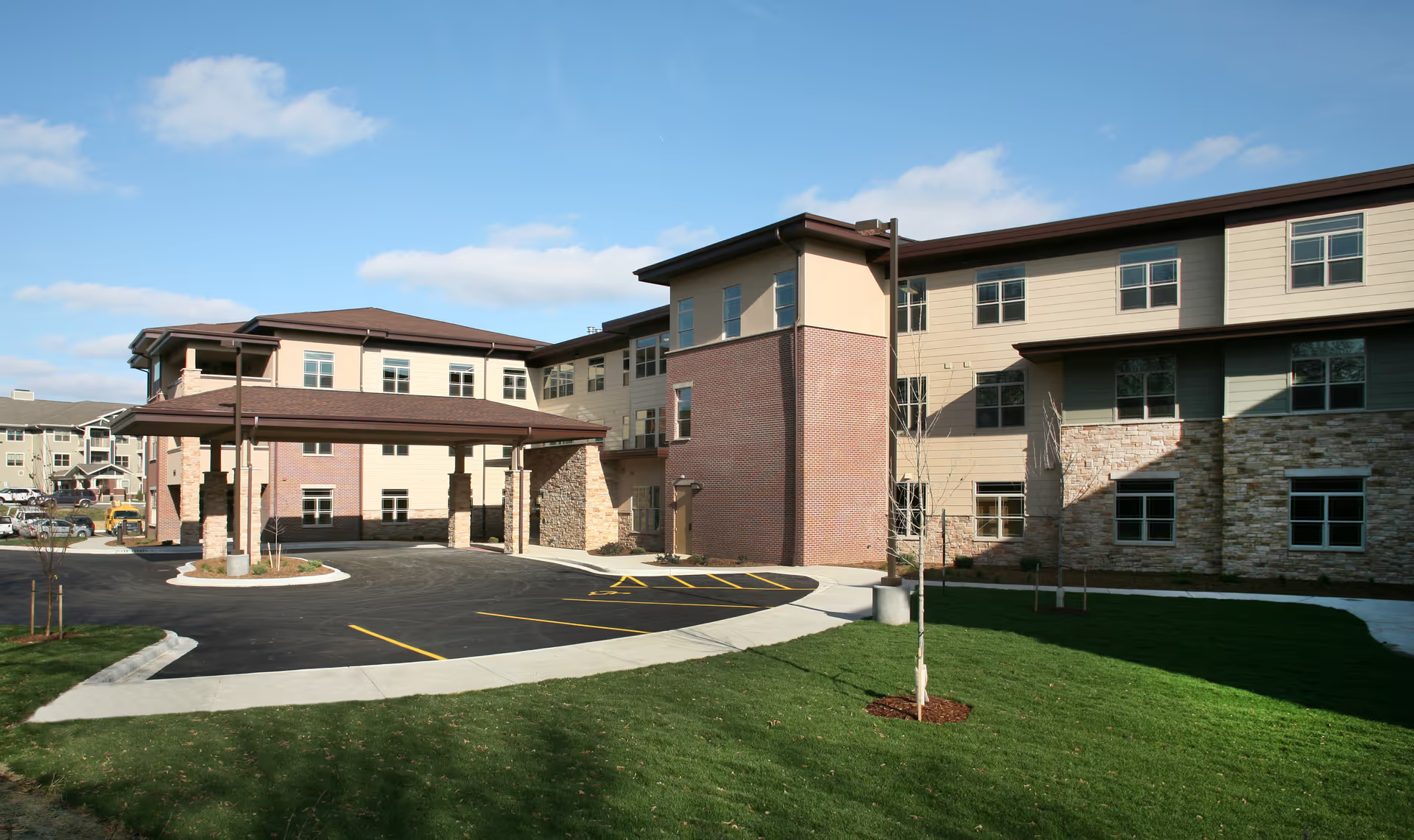
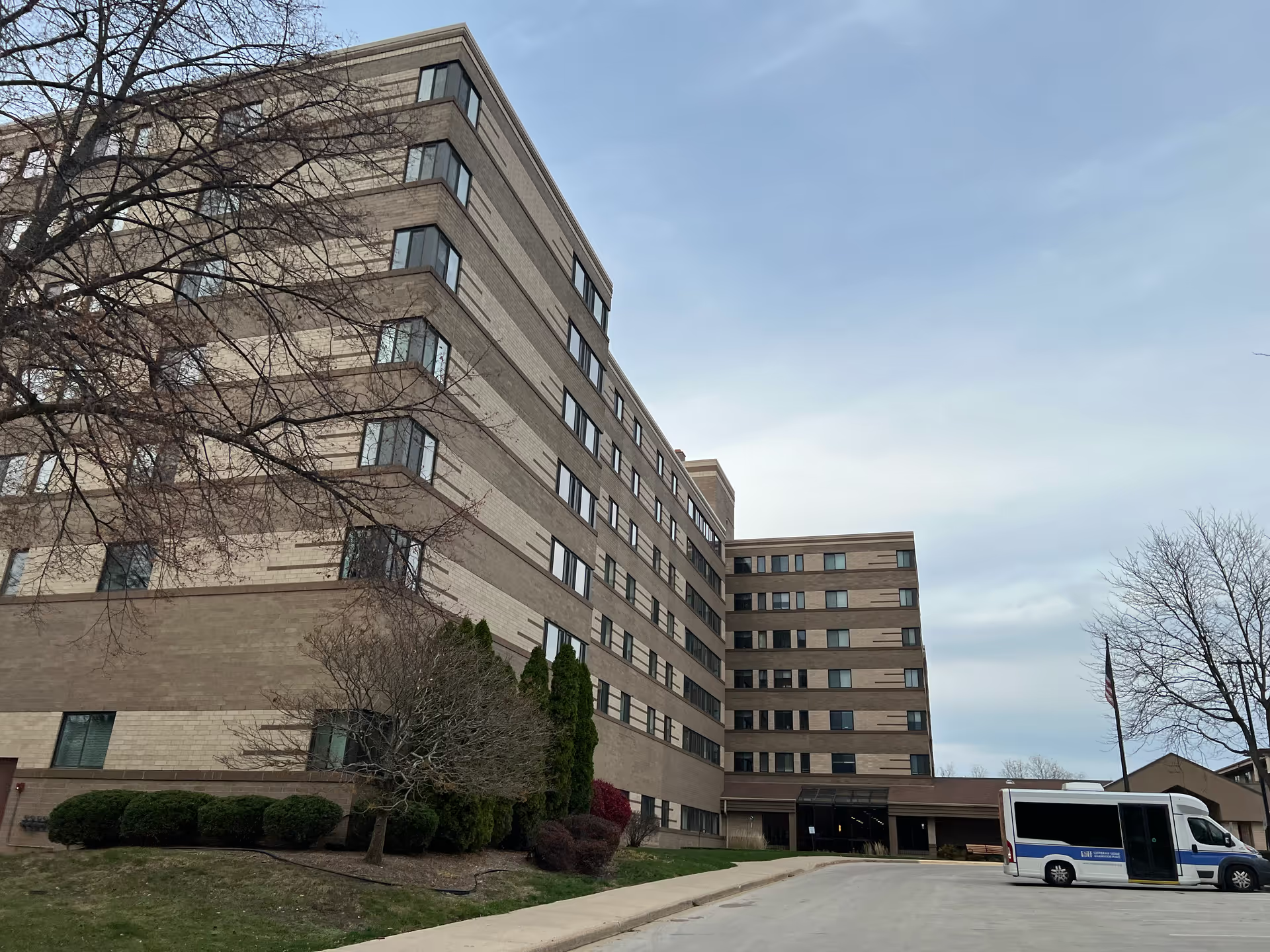
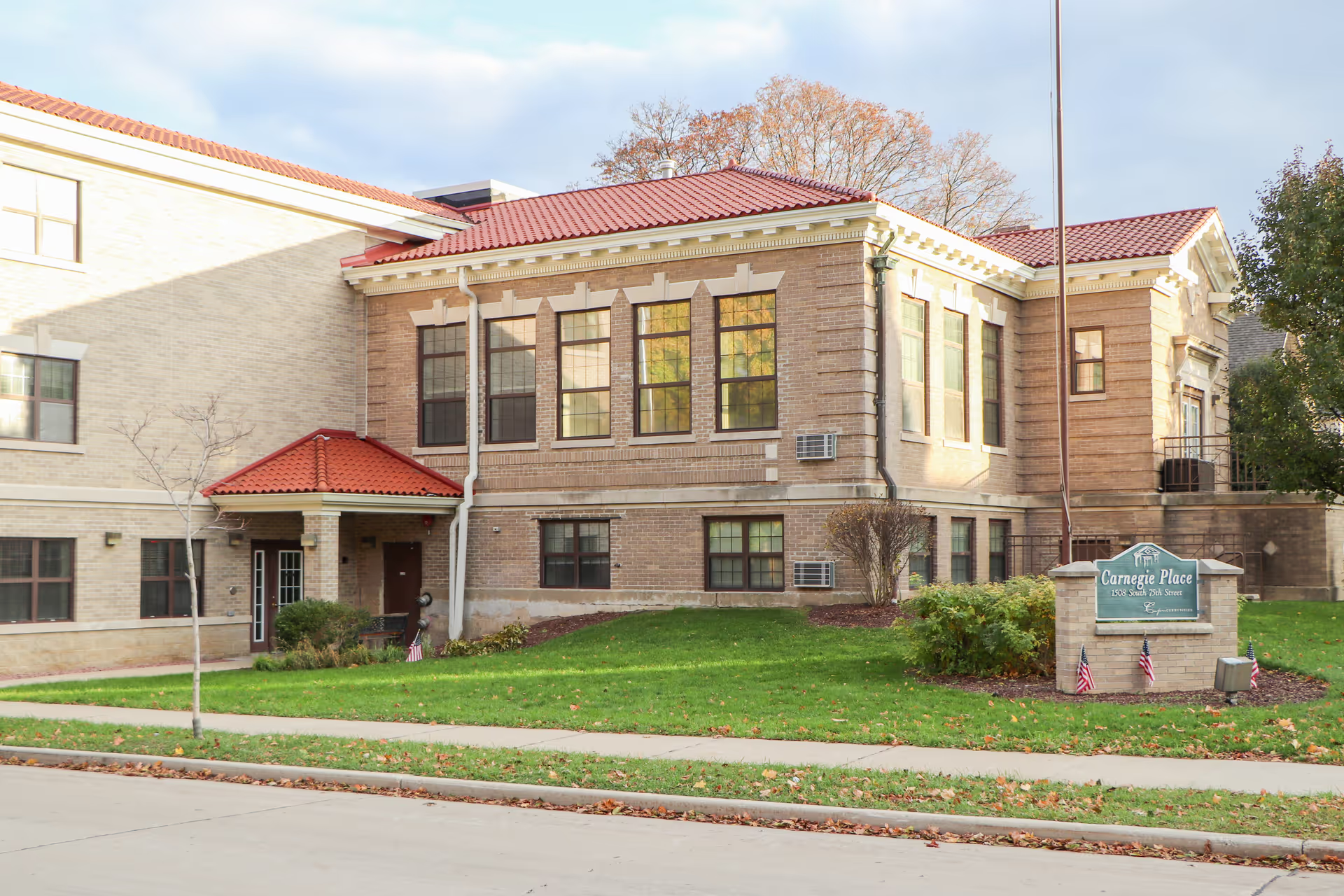
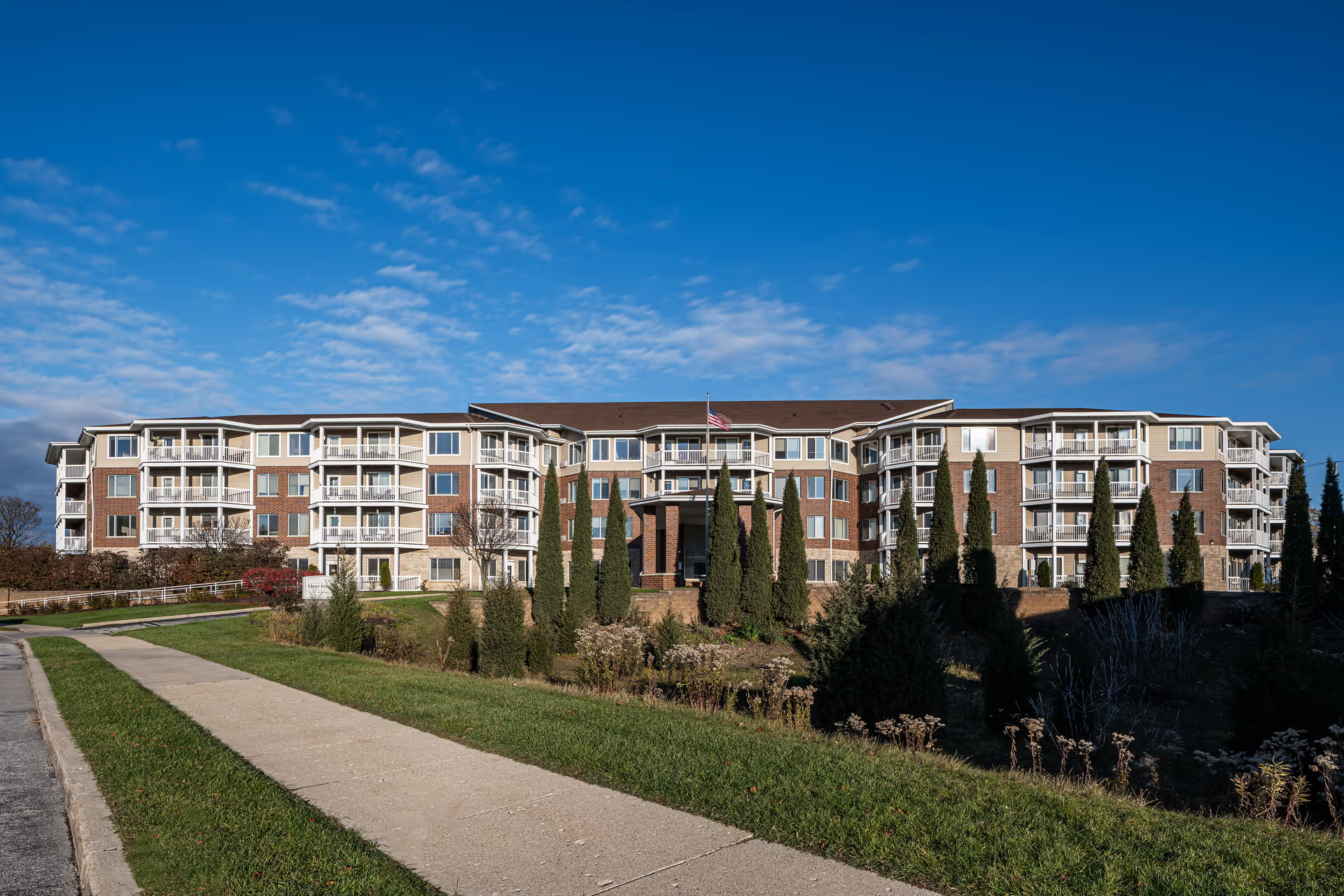
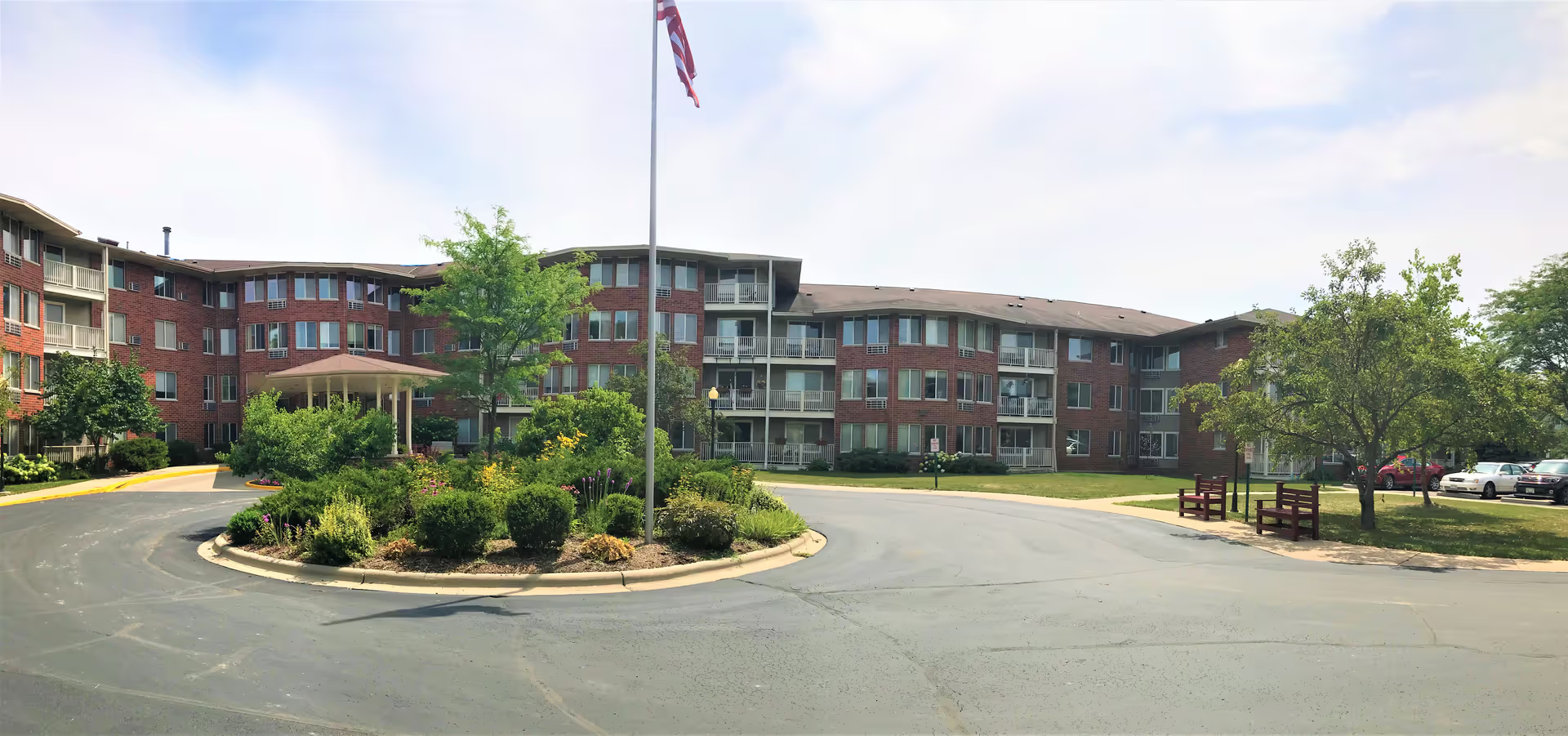
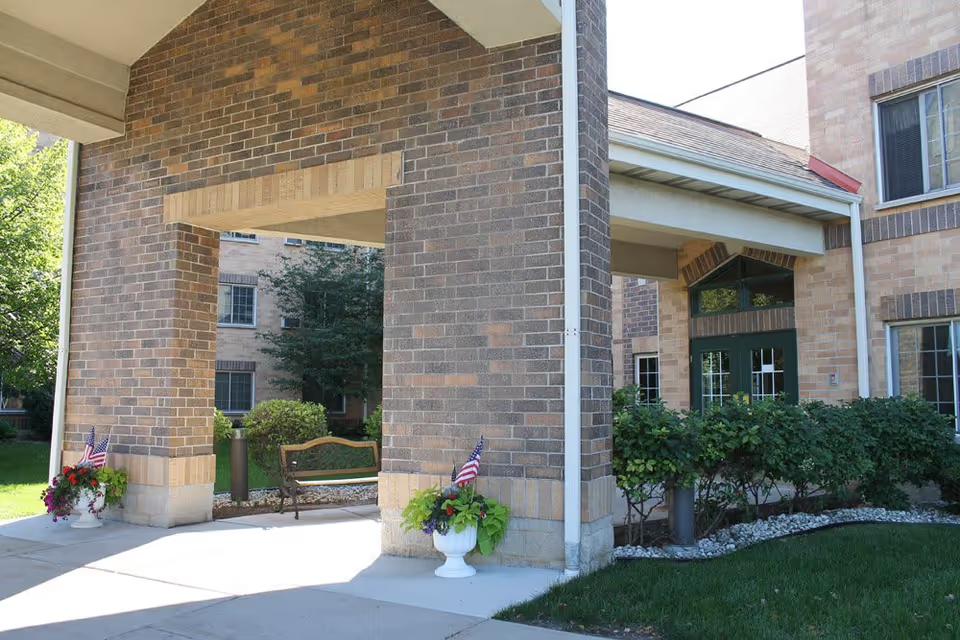
Overall impression: The facility is described as a welcoming, well‑kept community with an active social atmosphere and a range of onsite amenities. Clean, comfortable common areas, private room options, a beauty salon, an on-site chapel with mass attendance, and a dedicated independent-living West Building contribute to a residence that many find safe and socially engaging. Convenient access to public transit and a pleasant surrounding neighborhood are additional location advantages.
Care and staff: Staff responsiveness and attentiveness are consistent positive themes. Review feedback emphasizes courteous dining staff and helpful frontline caregivers who address routine needs and respond when problems develop. That said, there are operational gaps when care extends into higher-acuity or end-of-life situations: families should confirm how hospice services are coordinated and what clinical supports are available for residents with advanced needs.
Dining: Dining receives mixed evaluations. Positive comments highlight ample portions, attentive waitstaff, and enjoyable lunches. Other comments raise concerns about food quality variability. Prospective residents and families may want to sample meals and ask about menu rotation, dietary accommodations, and kitchen oversight to assess consistency.
Activities and amenities: Programming appears robust, with frequent activities, social events such as barbecues and reunions, and faith-based services. The presence of a chapel and regular mass is noted as a meaningful feature for residents who prioritize religious life. Onsite personal-care services (e.g., beauty salon) and private-room availability support independent and social living needs.
Management and communications: A notable operational pattern concerns management decisions and communications. A policy change restricting outside caregivers has been implemented and has affected family access and care arrangements; this, combined with reported phone-system unreliability, suggests potential friction points around family communication and coordination. Prospective families should request written policy details, ask how external caregiver needs are handled, and verify current telephone and contact procedures.
Notable patterns and recommendations: The dominant themes are strong social engagement and generally attentive staff, offset by operational and policy concerns that disproportionately affect high-acuity and end-of-life care coordination and family communication. For decision-making, visitors should observe staff–resident interactions, participate in a meal, review hospice and external‑caregiver policies, and confirm the facility’s communication protocols to ensure they match family needs.