Overall impression: Reviews for Waterfall Health of Brown Deer are highly polarized. Multiple accounts describe strong, professional clinical care in specific areas—notably the rehabilitation and respiratory/ventilator units—while numerous other accounts describe persistent operational problems in long-term and assisted-living areas. The pattern suggests that care quality varies considerably by unit and by shift, producing both very positive and notably concerning experiences.
Care quality and clinical issues: Several reviewers described competent nursing and therapy care in rehab and respiratory units, including regular doctor/NP visits and effective therapy outcomes. Concurrently, there are recurring clinical concerns elsewhere in the facility: medication errors and delayed medication administration, missed or poorly coordinated medical transports and appointments, irregular turning and catheter care, and infection-related problems. Some families linked these clinical lapses with hospitalizations and other adverse outcomes, and a small number of accounts raised concerns following a resident's death. These contrasts indicate uneven clinical performance and gaps in clinical oversight and medication-management systems.
Staffing and staff conduct: Staffing consistency and conduct are central themes. Many reviews cite chronic understaffing, high turnover, and frequent changes in nursing leadership, which reviewers associate with delays in responding to call bells, incomplete personal care, and inconsistent assignment coverage. Reviewers also described variable staff behavior—while some RNs, therapists, and aides are called caring and professional, others were described as unprofessional, dismissive, or inattentive. These reports point to weaknesses in staff training, supervision, and accountability mechanisms.
Dining and nutrition: Dining experiences are inconsistent. Positive comments emphasize adequate meal service in some units, but numerous accounts describe cold or inedible meals, portion or consistency problems, and insufficient attention to residents who require assisted feeding. Several families reported significant unintended weight loss, indicating a need for stronger nutritional monitoring and meal assistance protocols.
Activities and social services: Activity programming and social-work support receive favorable mentions in multiple reviews. The activity director and social worker were singled out as engaged and honest in some accounts, and independent-living amenities (renovated apartments, pleasant common areas, and on-site religious services) were praised. These elements represent consistent strengths, particularly for residents in independent or well-staffed units.
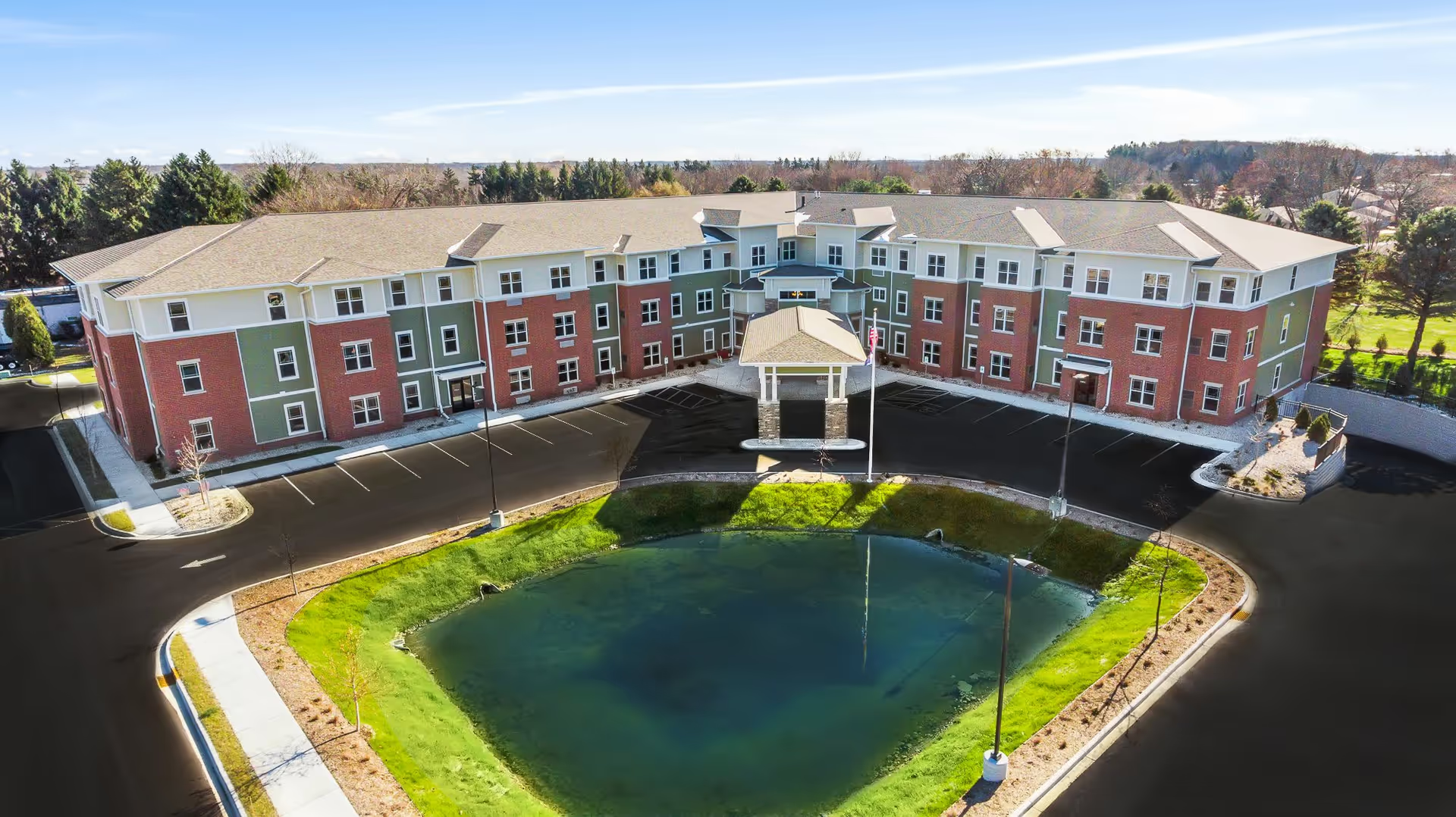
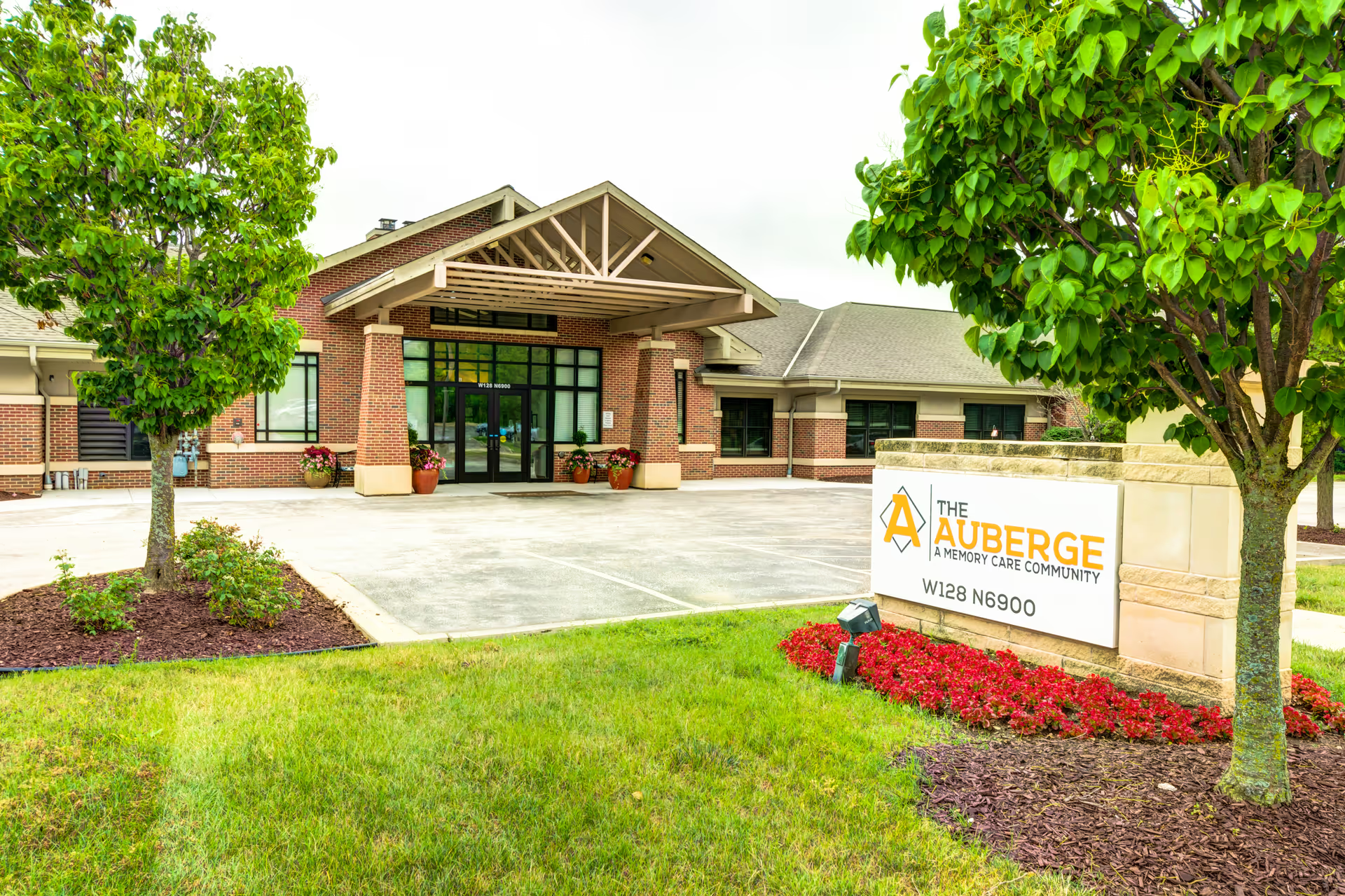
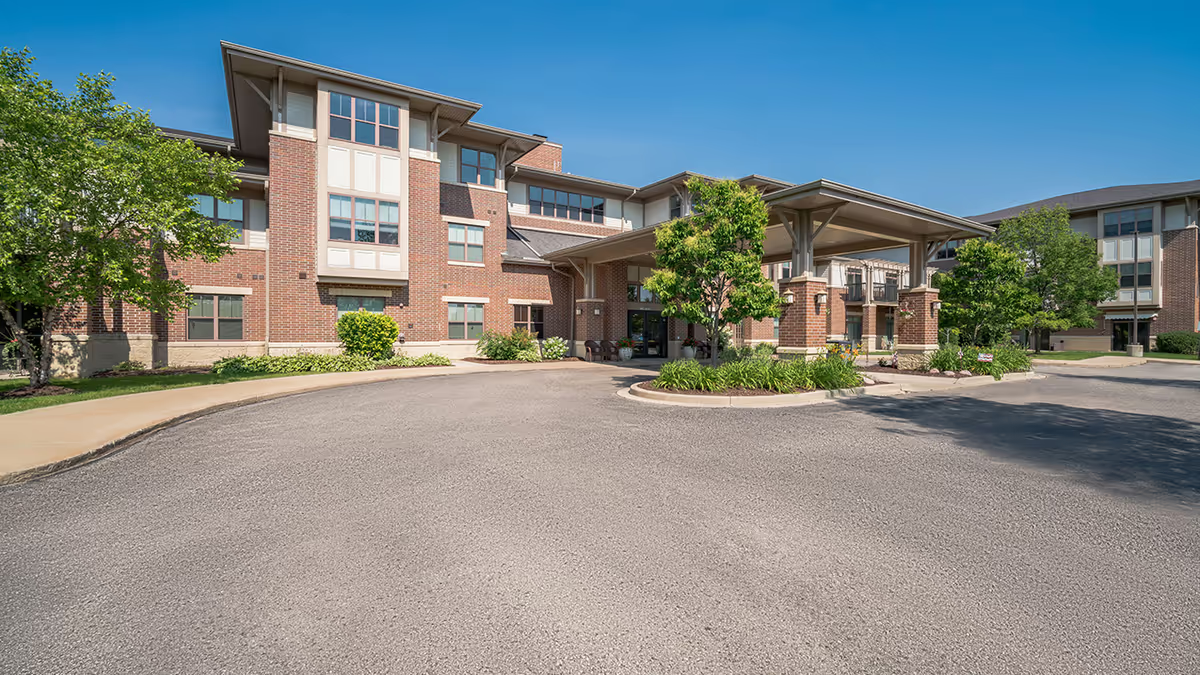
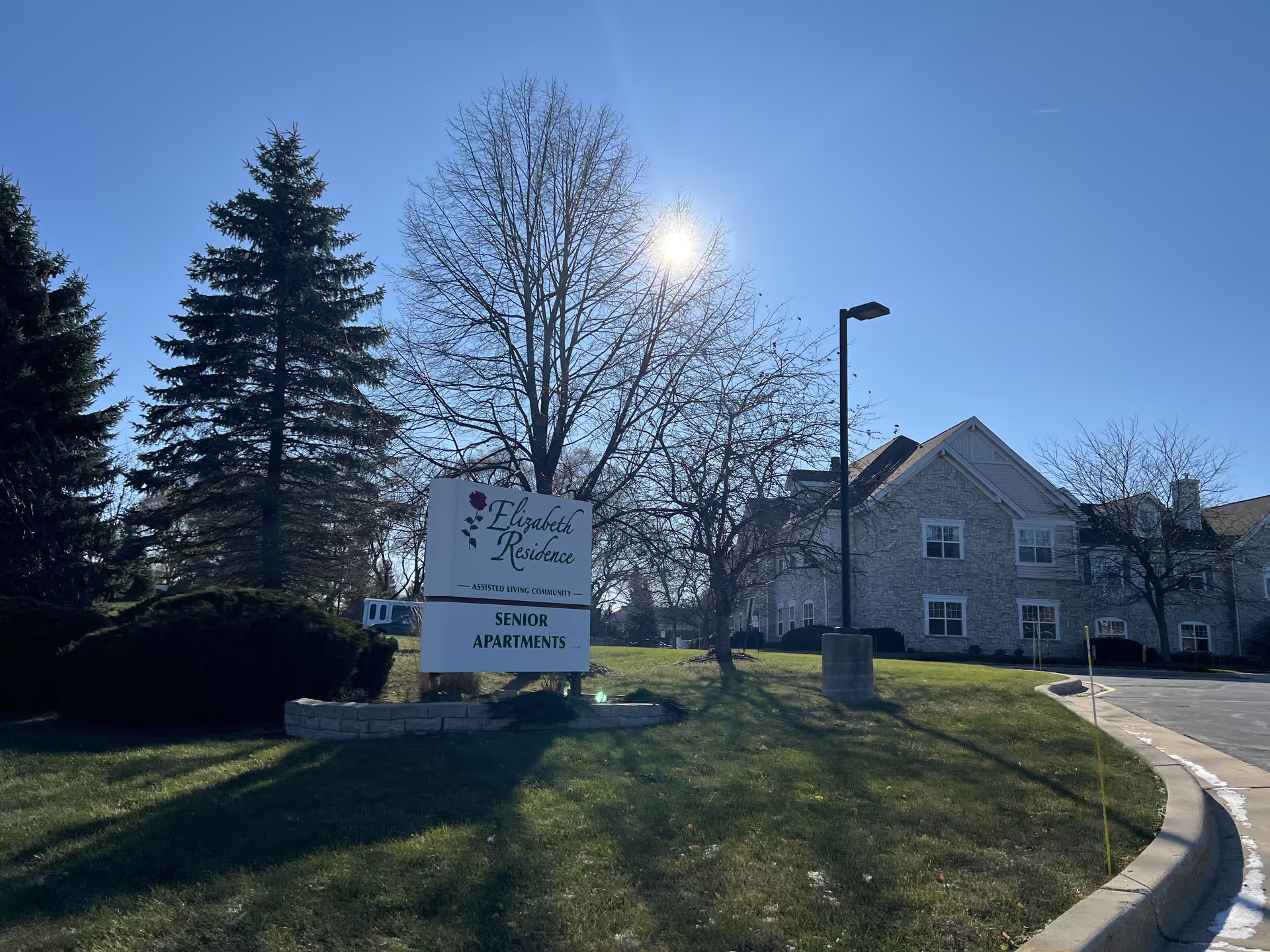
Facilities and maintenance: Physical plant feedback is mixed. Some areas are described as newly remodeled, clean, and comfortable, while other accounts note maintenance problems (broken fixtures, drainage issues), sanitation concerns in rooms and common areas, and inconsistent housekeeping practices. Unit-to-unit variation is evident: the rehab/ventilation areas tend to be better maintained than some long-term care sections, according to reviewers.
Management and administration: Administrative stability and communication are recurring concerns. Reviewers mentioned ownership changes, frequent director turnover, and poor communication with families—examples include unreturned phone calls, lack of notification about transfers, and confusion around discharge/transport arrangements. A number of reviewers indicated they had contacted regulatory authorities or expected formal complaints, reflecting frustration with internal complaint resolution processes. At the same time, a subset of reviews describes recent positive management changes and hopeful improvements under new leadership.
Notable patterns and guidance for families: The reviews indicate substantial variability in resident experience depending on unit, time of day, and specific staff. Strengths are concentrated in rehab and respiratory services; weaknesses are concentrated in staffing reliability, medication processes, sanitation consistency, and family communication. Prospective families should request unit-specific staffing ratios, observe mealtimes and hygiene procedures during a visit, ask for recent survey and inspection records, and clarify transport and medication-administration protocols. Visiting at different times and speaking directly with nursing leadership and social-work staff can help assess whether the areas of concern have been addressed.