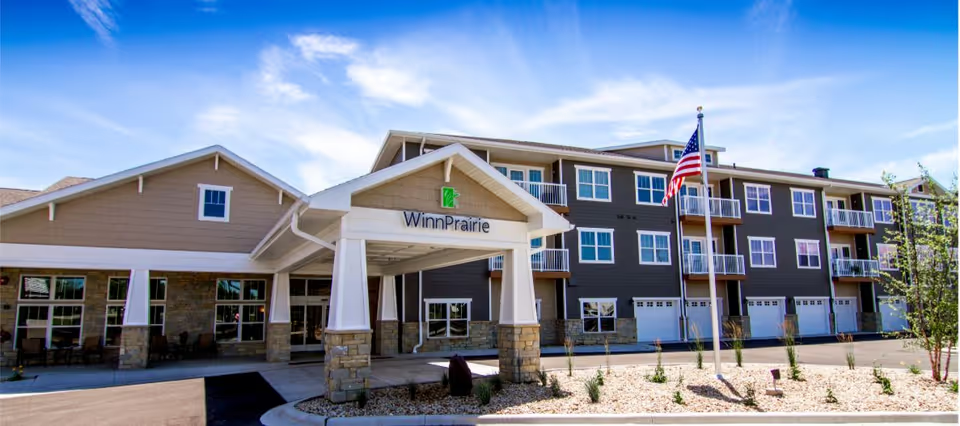
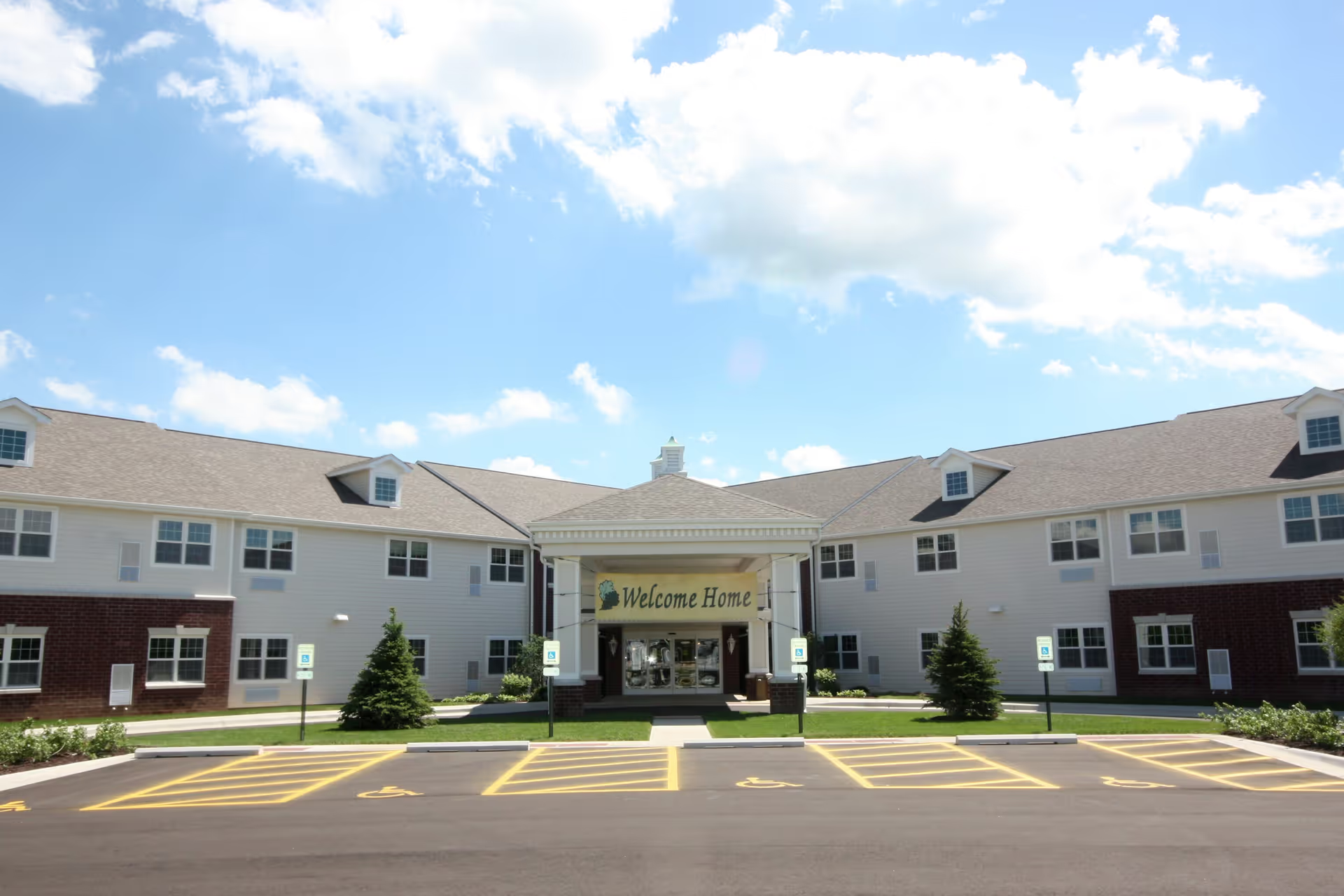
The collected comments present a mixed picture in which front-line caregiving is frequently described as a strength while several operational and management-level issues create risks to consistency and resident experience. On the positive side, reviewers emphasize compassionate end-of-life care and empathetic, attentive staff who often go beyond minimum expectations to support residents’ daily needs. There is a recurring sense of a family-oriented community and strong staff–resident rapport that contributes to a stable day-to-day environment for many residents.
At the operational level, there are multiple concerns that suggest systemic weaknesses. Staffing practices are a recurring theme: reviewers identified gaps in employee screening and limited documentation of training or certification, which raises potential safety and competence questions. Low staff compensation and reports of payroll irregularities — including unpaid overtime — were cited and imply potential morale and retention problems that could affect care continuity. Several comments also point to concerns about management tone and culture, describing communication and leadership behaviors that undermine staff confidence.
Dining and programming are areas where the facility appears to prioritize cost containment. Reviewers describe a constrained food budget that has translated into small portion sizes, lack of snacks, and absence of holiday meal offerings. Nutrition and kitchen practices were characterized as overly processed and inconsistent in quality. Activity programming was described as limited or absent, suggesting residents may have fewer opportunities for structured engagement and meaningful social interaction than one would expect for an assisted-living setting.
Taken together, the pattern is one of committed caregiving staff operating within a resource-constrained and management-challenged environment. The commitment of direct-care employees mitigates some practical shortcomings, but operational traits — especially around hiring/screening, staff training, compensation, payroll practices, and an apparent emphasis on cost control — present ongoing risks to service consistency and resident experience. Prospective residents and families should seek clear, written information on employee screening and training, staffing ratios and turnover, payroll and overtime policies, sample menus (including holiday and snack provisions), and the facility’s activity schedule before making decisions.