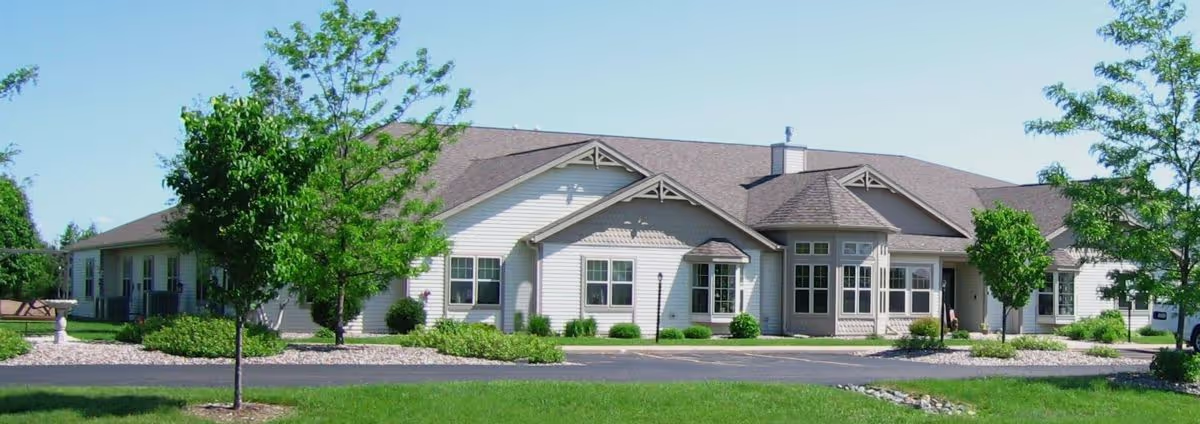
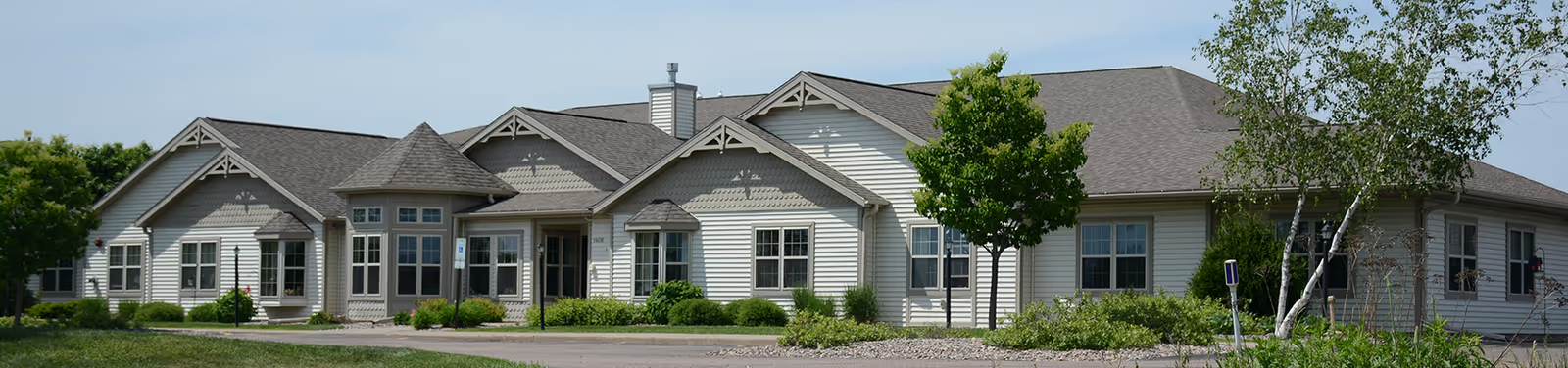
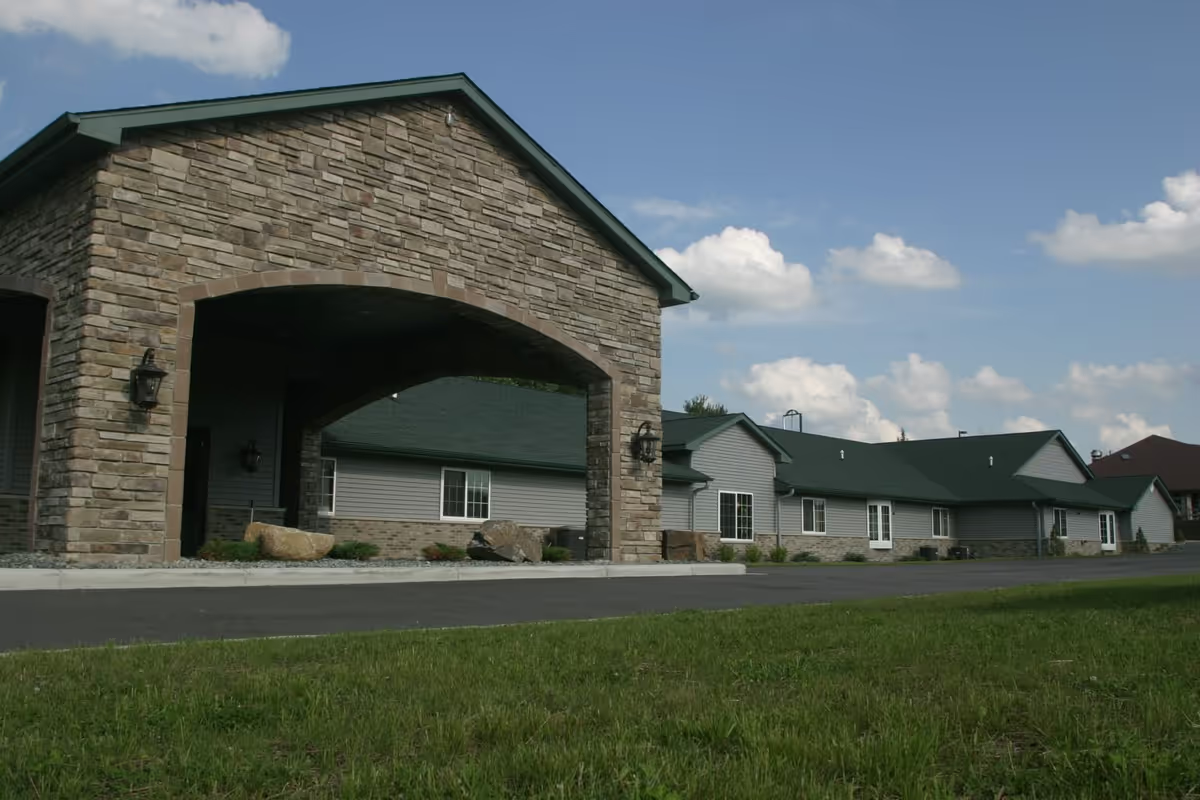
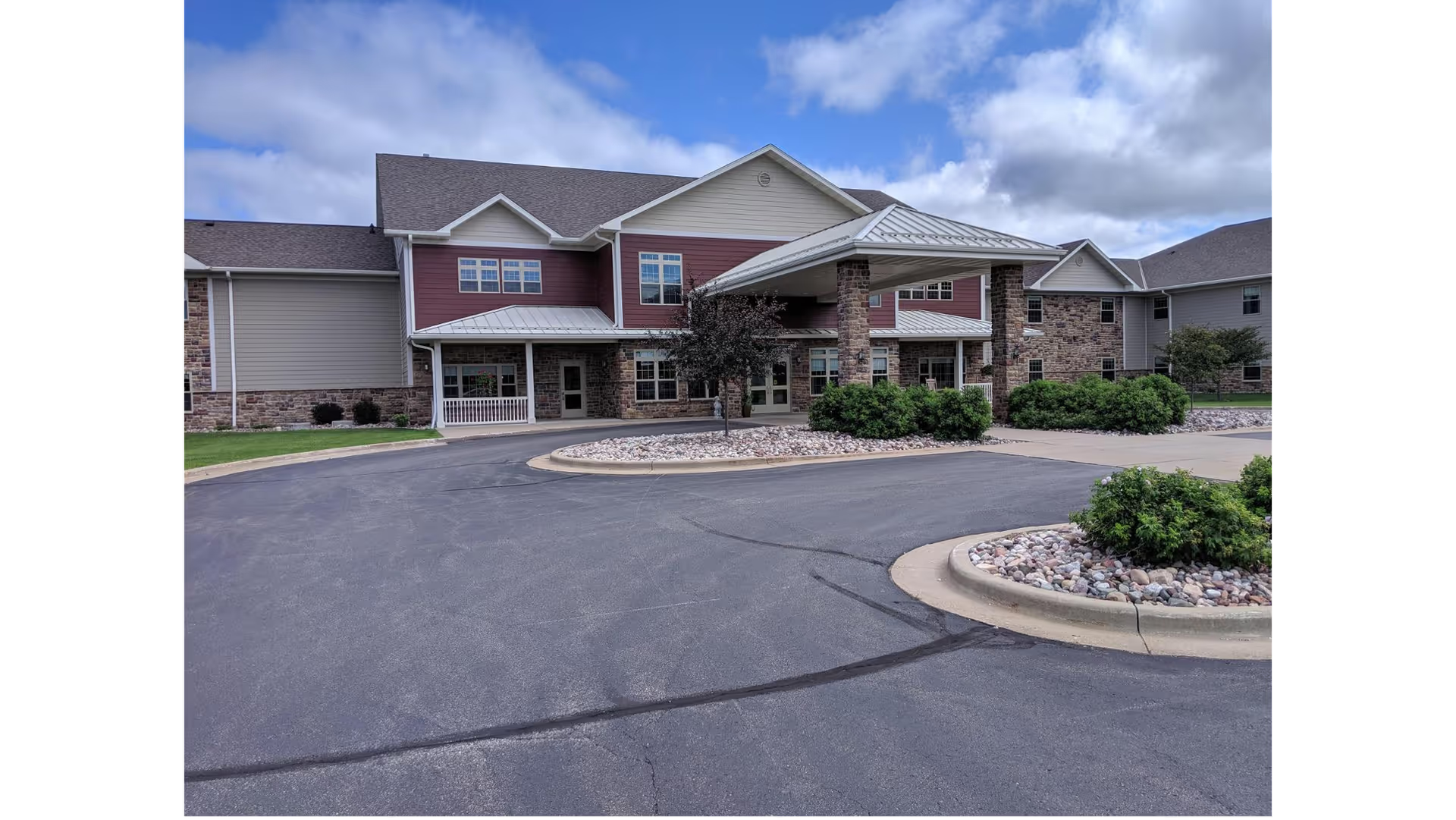
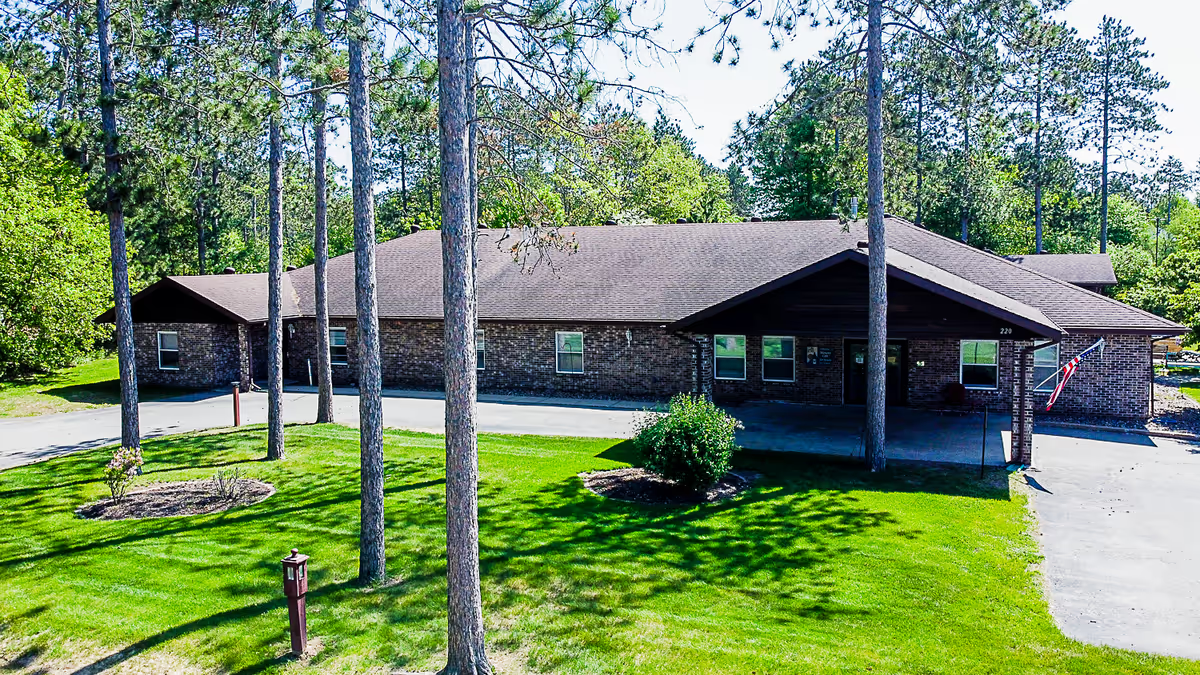
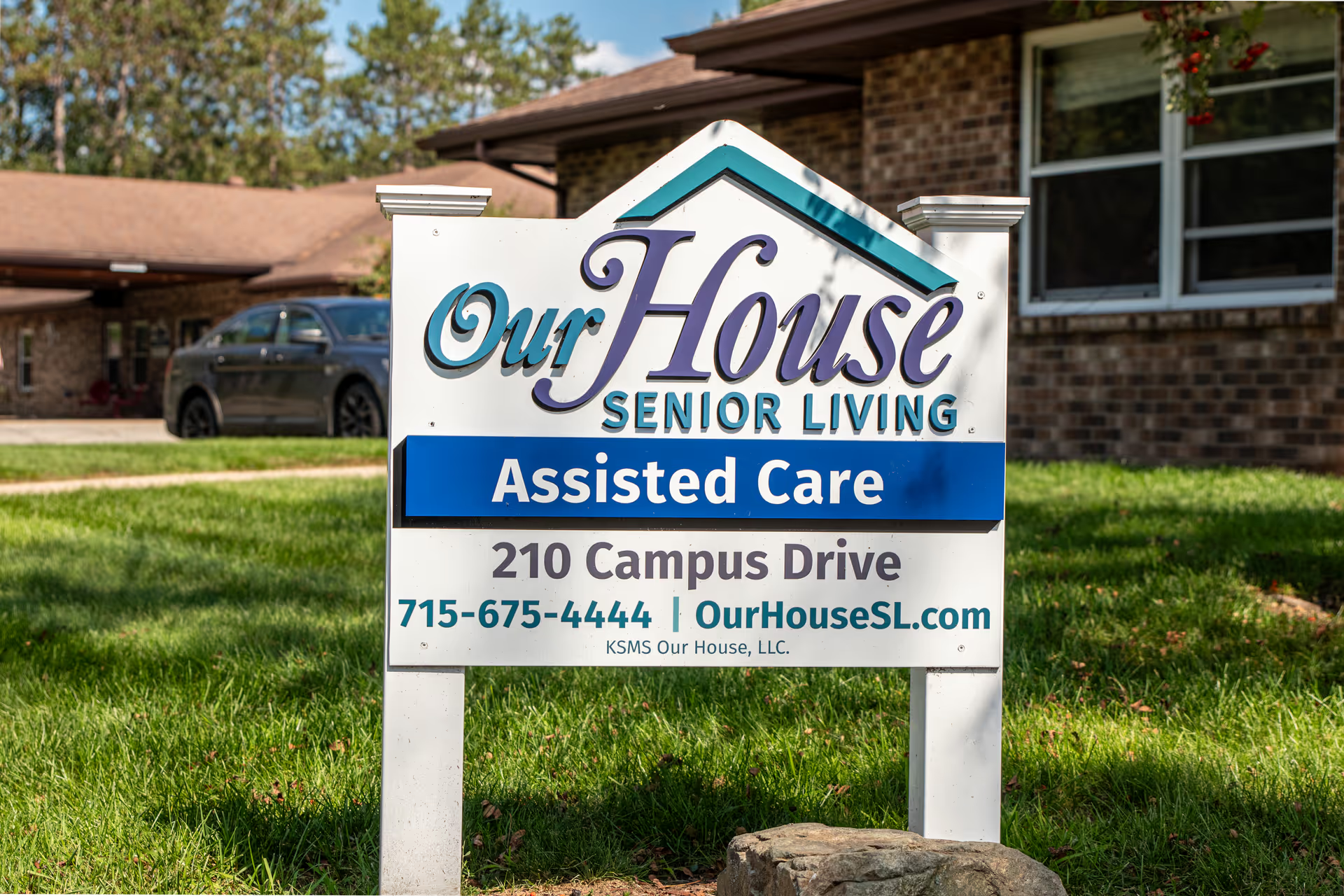
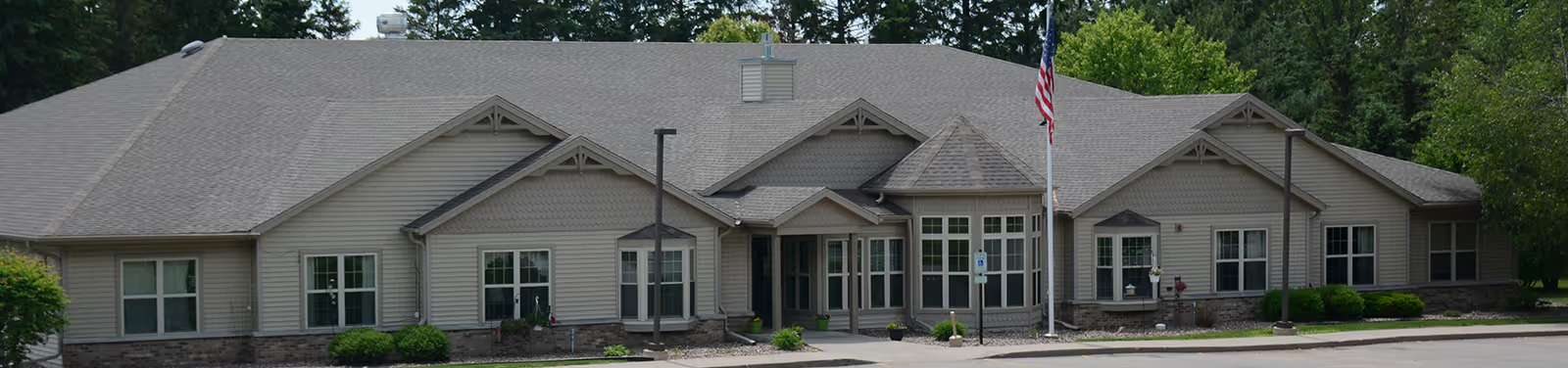
Overall impression: Cedar Creek Manor presents as a small, well-kept community with a family-like atmosphere and a staff-heavy model of care. Many visitors and families describe tidy common spaces, a clean dining area, and staff who engage residents personally. The facility holds a license for higher-level (heavy) care and advertises morning assistance with getting up, dressing, and escorting residents to meals.
Care and staff: Review narratives emphasize compassionate, accommodating caregivers and a high staff-to-resident ratio that supports morning assistance and individualized attention. Admissions interactions are described as thorough and unhurried, sometimes with a nurse accompanying tours and the owner or an informed guide leading visits. These patterns suggest an operational focus on personalized intake and hands-on caregiving. At the same time, at least one reviewer raised a serious concern about employee conduct; prospective families should confirm staff hiring practices, background checks, and financial/property safeguards during their evaluation.
Dining and activities: Dining receives generally positive comments for quality and attentive service, with a communal dining model that staff and residents use. The activity program is broad and regular, including exercise classes, games (Bingo, board games), entertainers and sing-alongs, and structured religious offerings such as Catholic Mass on Sundays. Reviews indicate residents are engaged and that social programming is a pronounced strength of the community.
Facilities and services: Common areas and the dining room are described as clean and well maintained. Private resident rooms, however, are characterized as small and somewhat dated; some rooms have limited natural light and a shaded feel. Bathroom arrangements include shared/communal facilities that some visitors found unimpressive. Reviewers did not consistently observe on-site physical therapy or robust rehabilitative services, which suggests families should confirm availability of therapy and rehabilitation offerings if those are needed.
Management and notable patterns: Tours are often cited as informative and unhurried, sometimes led by the owner or a nurse, which can aid decision-making. A waiting list was mentioned, implying steady demand but also possible delays for move-in. While most feedback is favorable about day-to-day care and programming, a single sharply negative account raised safety and theft-related concerns; this is an outlier in volume but serious in nature and should prompt direct questions about incident history, reporting, and internal controls.
Recommendations for families: On an in-person visit, verify staffing ratios at the unit level, ask for documentation of background checks and property/financial safeguards, confirm the presence and scope of rehabilitative/physical therapy services, and inspect room sizes, bathroom configurations, and natural-light conditions. Review licensing/history records and ask management about waitlist timelines and how they prioritize admissions. These steps will help align the facility’s strengths in caregiving and activities with any specific medical, mobility, or security needs of a prospective resident.