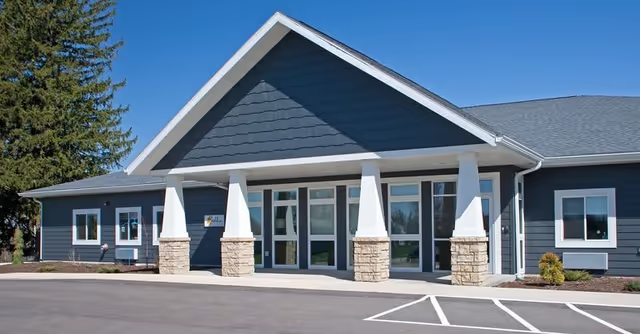
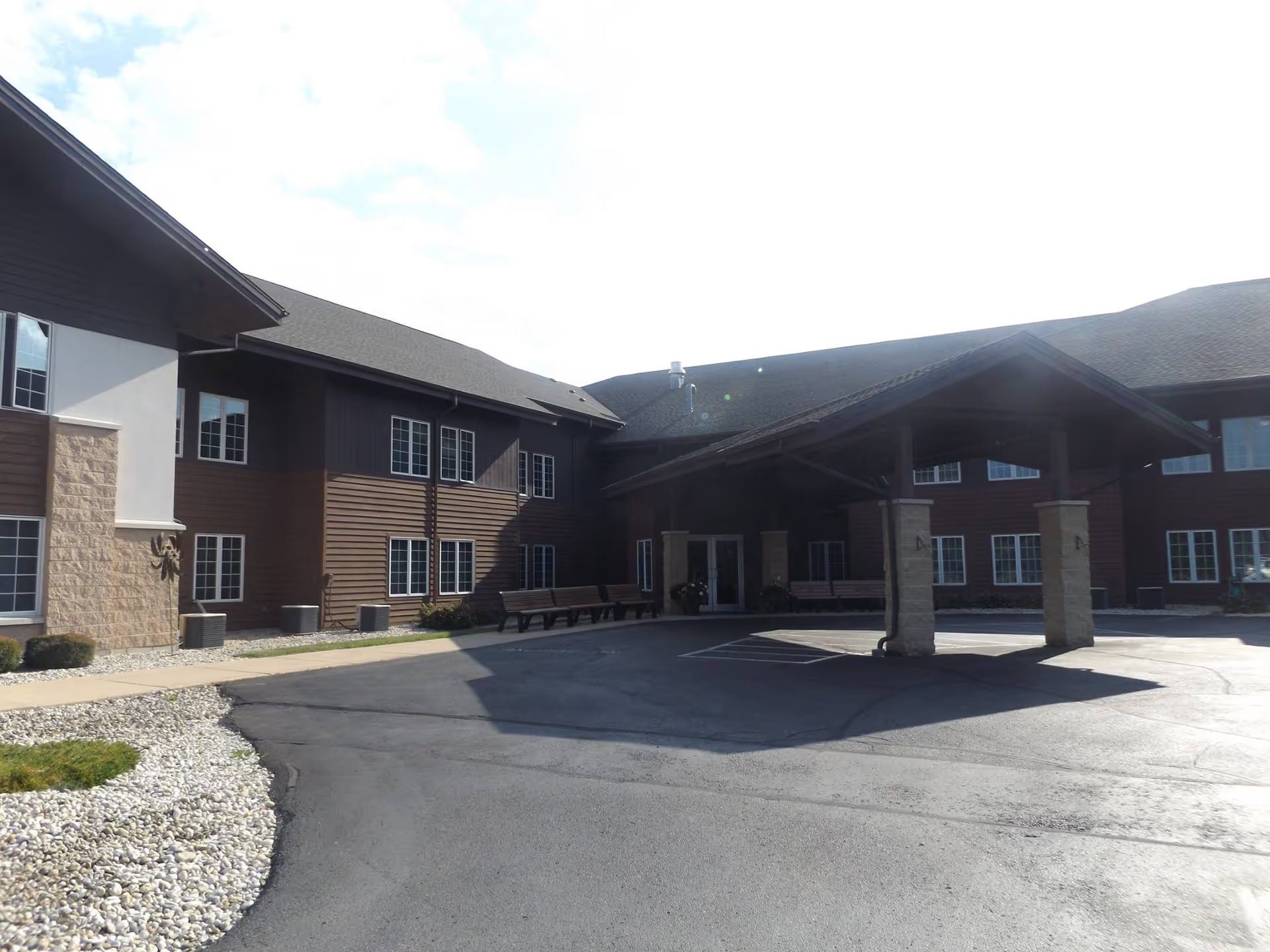
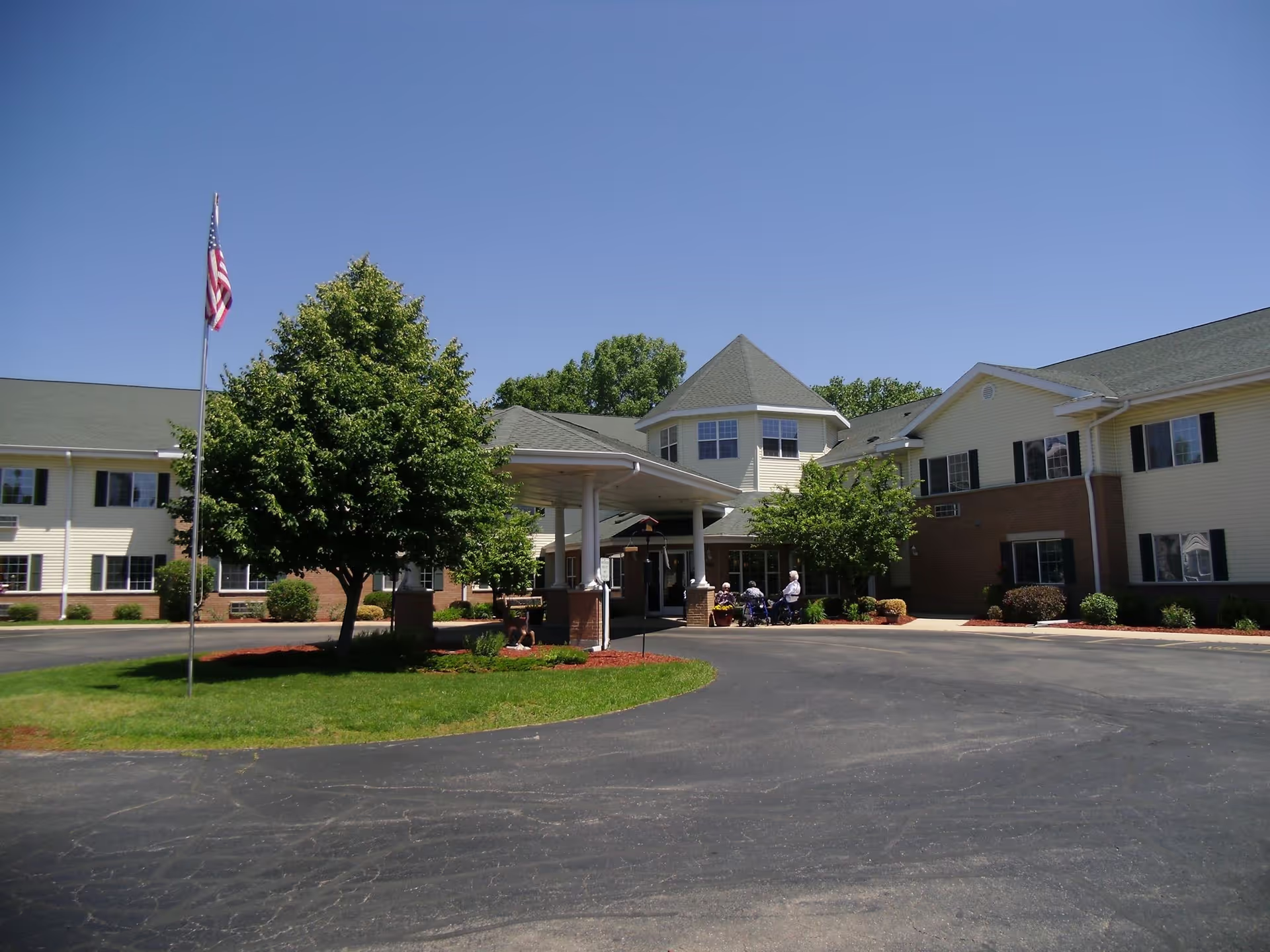
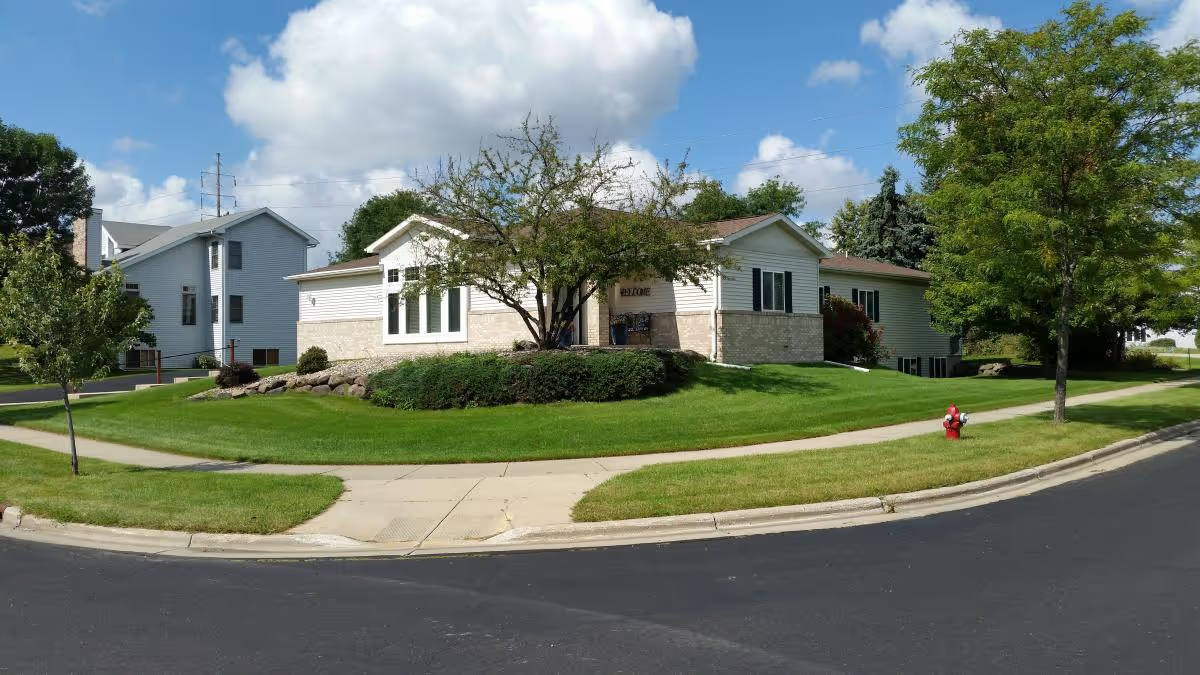
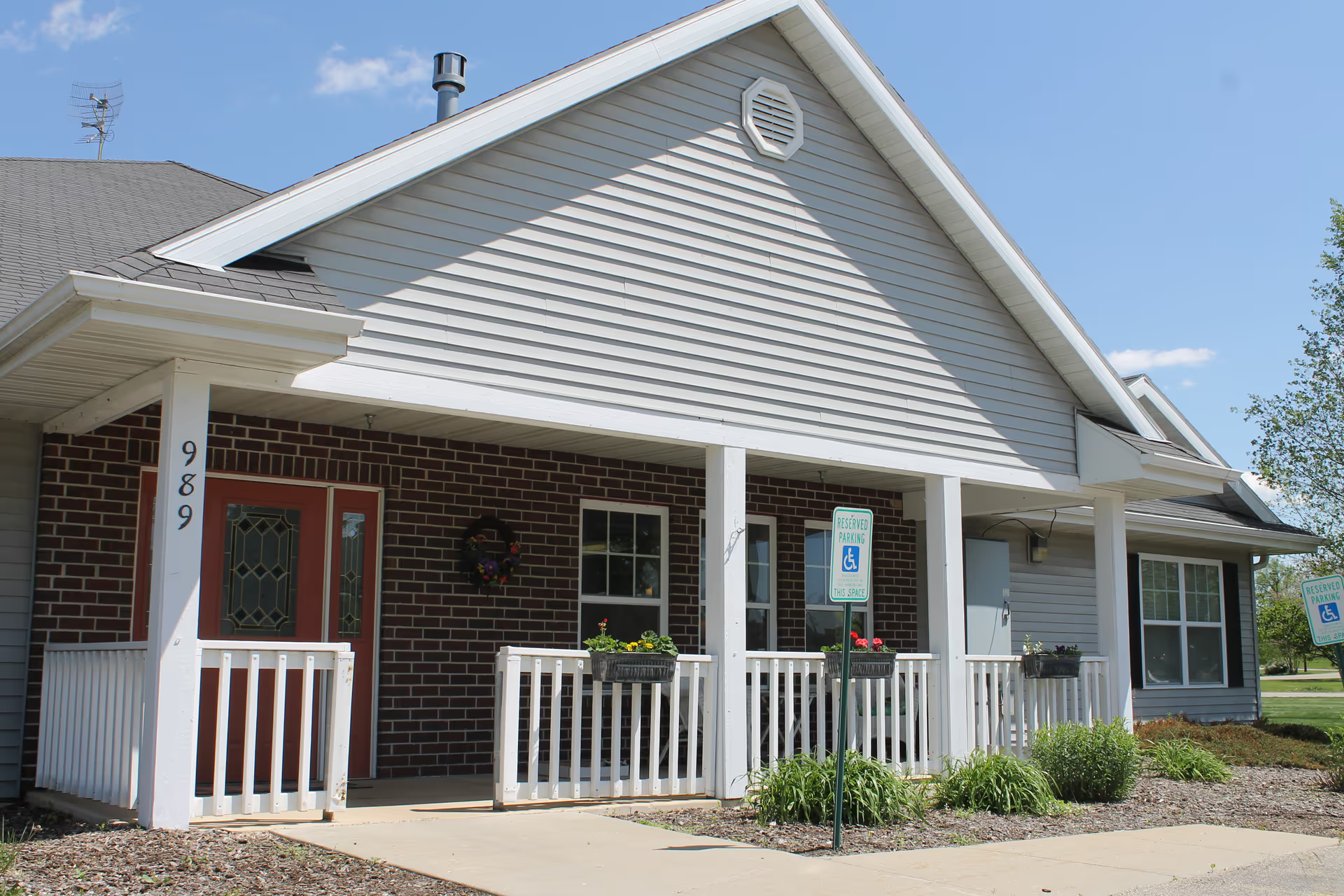
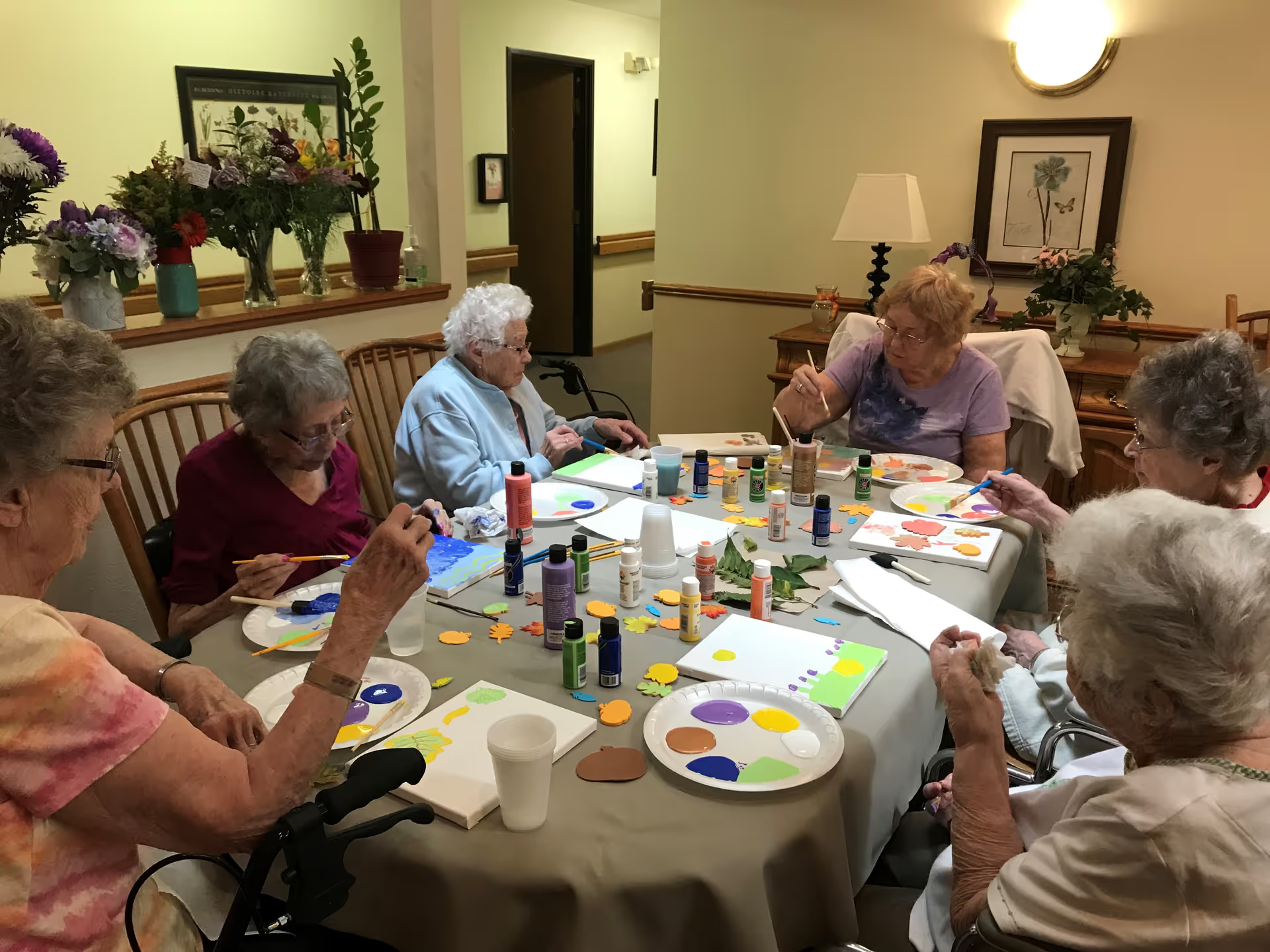
Reviews indicate a facility with clear strengths in frontline caregiving, rehabilitation services, and physical environment, alongside recurring operational weaknesses. Many families described staff as compassionate, professional, and personable; certified nursing assistants and therapists are frequently credited for good rehab outcomes and successful transitions to home or longer-term placement. The building itself is frequently described as clean, recently remodeled, and well maintained, with pleasant communal spaces. Activities programming, exercise opportunities, and generally acceptable meals contribute to a supportive daily experience for residents.
Care quality shows a mixed pattern. Clinical and therapy services are often praised for effectiveness and positive outcomes, particularly for short-term rehabilitation. However, multiple comments point to systemic issues that affect day-to-day care: inconsistent staffing levels, missed or delayed personal-care tasks (including bathing schedules), and concerns about medication administration consistency across shift changes. These patterns appear connected to workload and staffing models rather than individual caregiver skill; when staffing and handoff processes are adequate, families report good attention and updates.
Staff interactions and family relations are otherwise a strength, with many reviewers noting respectful, welcoming, and helpful employees and supportive social-work engagement. That said, front-desk/customer-service experiences and internal communication are uneven: some families encountered long waits, unclear guidance about where to go, or perceived unresponsive points of contact. Visitor-management practices and check-in procedures have also been described as restrictive or inconsistently applied, which has led to frustration and confusion among some visitors.
Management and policy oversight are an area for improvement. Reviewers described limited on-site managerial presence at certain times and uncertainty about whom to contact to resolve concerns. Operational gaps—staffing variability, medication handoff problems, inconsistent personal-care scheduling, and uneven visitor processing—suggest opportunities to strengthen supervision, handoff protocols, and family communication pathways. Prospective residents and families should weigh the facility's strong rehabilitation and caring staff against these operational limitations; asking about staffing ratios, medication-administration protocols, management availability, and visitor policies during a tour may clarify whether the facility’s current practices align with a family's needs.