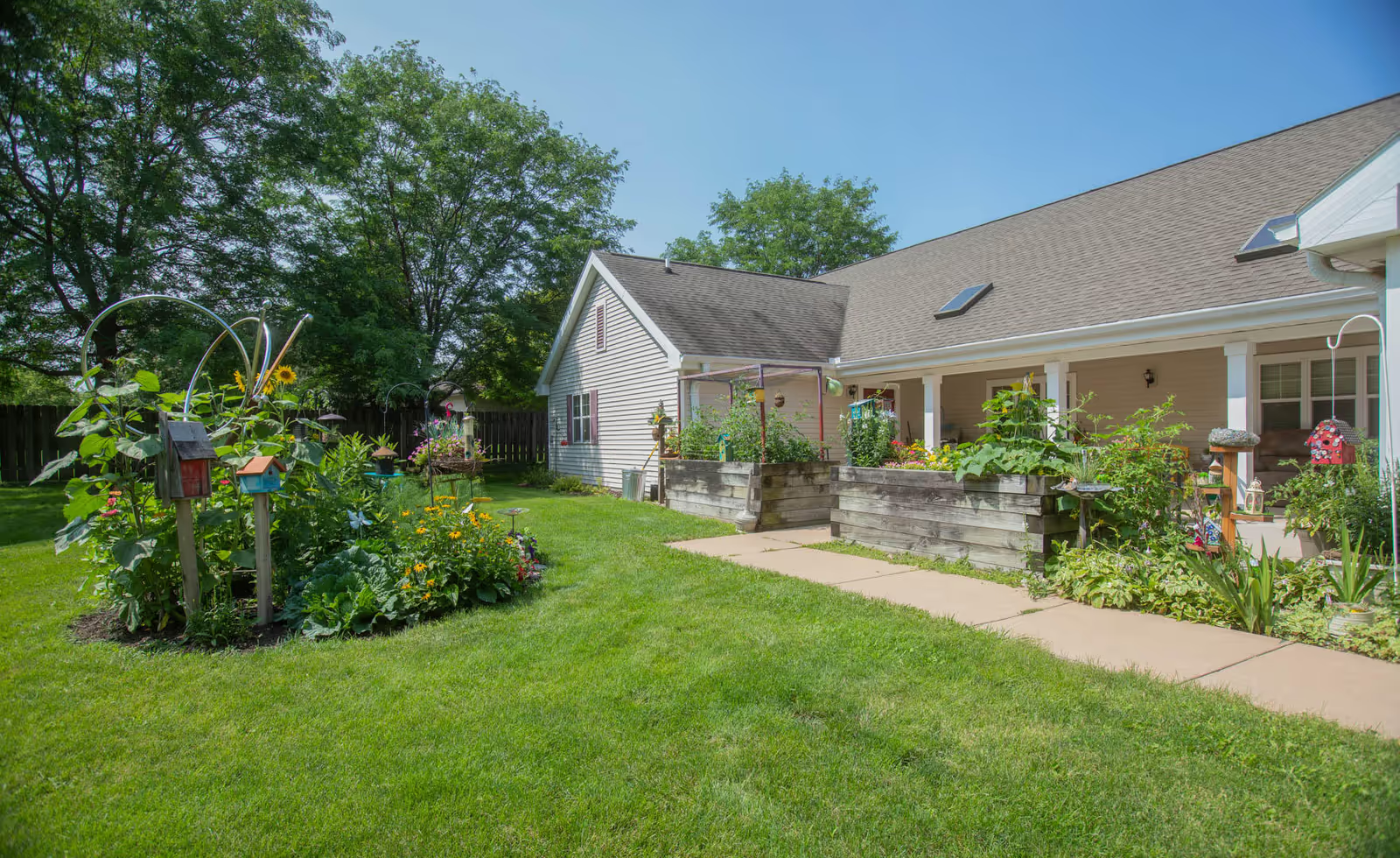
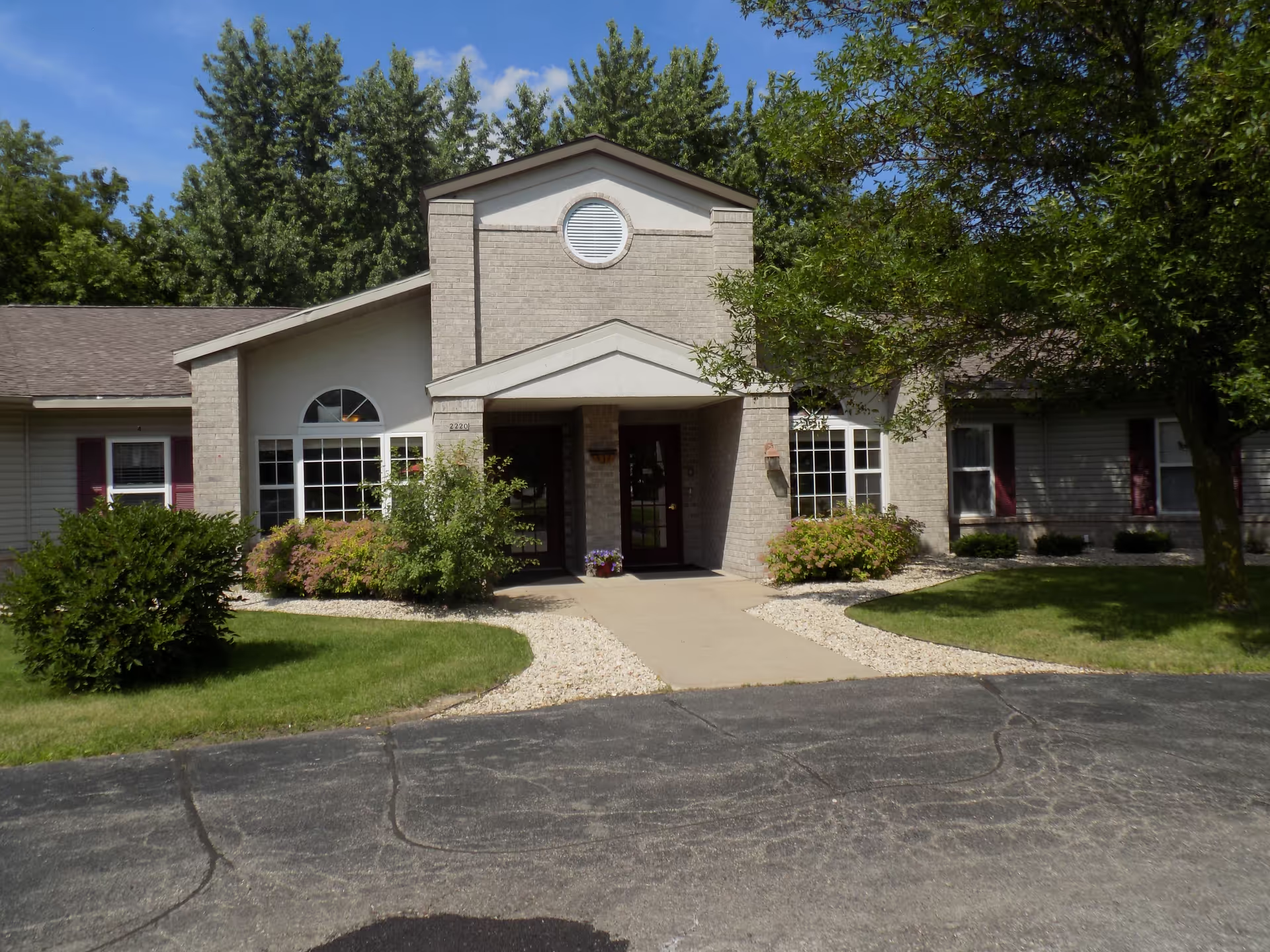
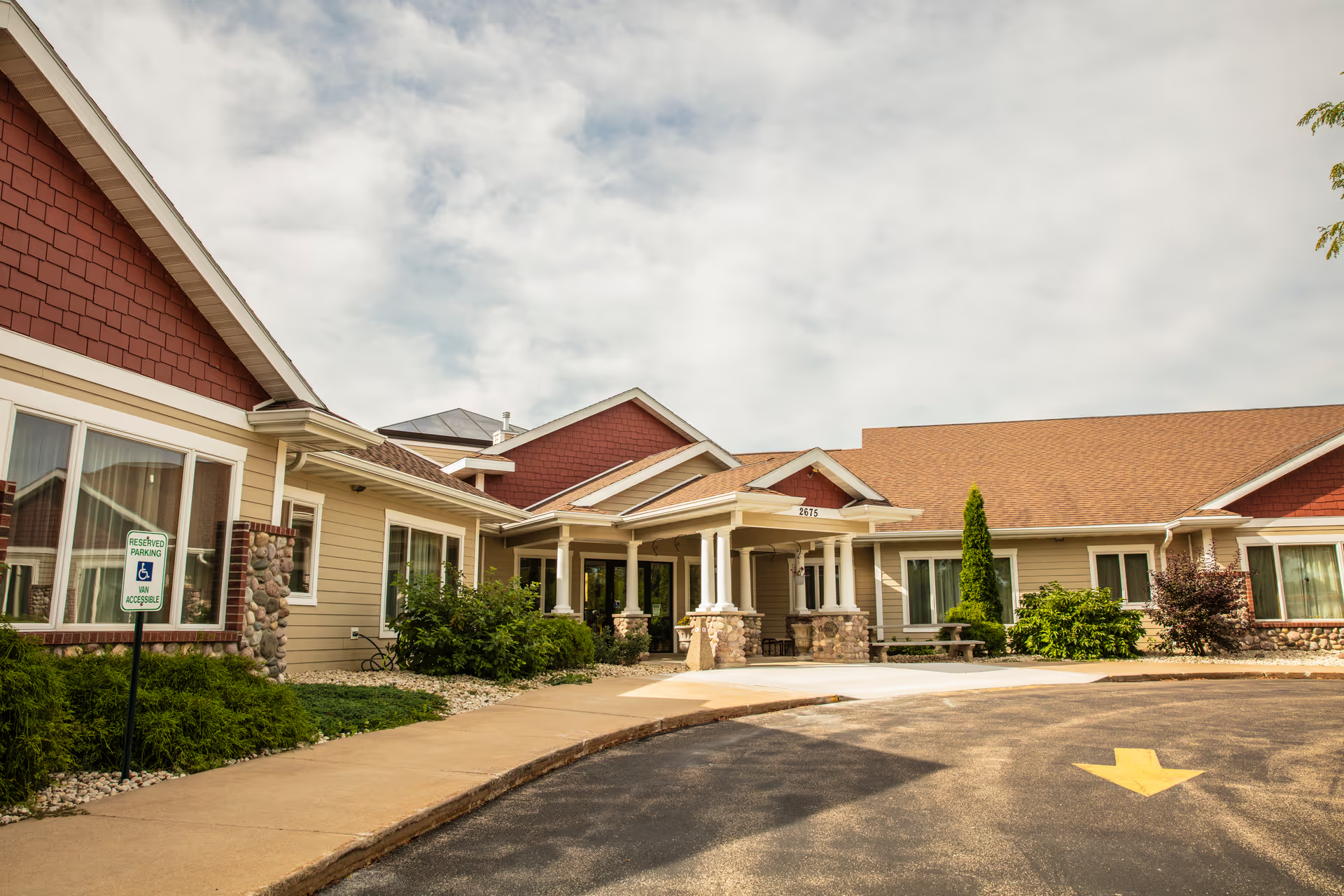
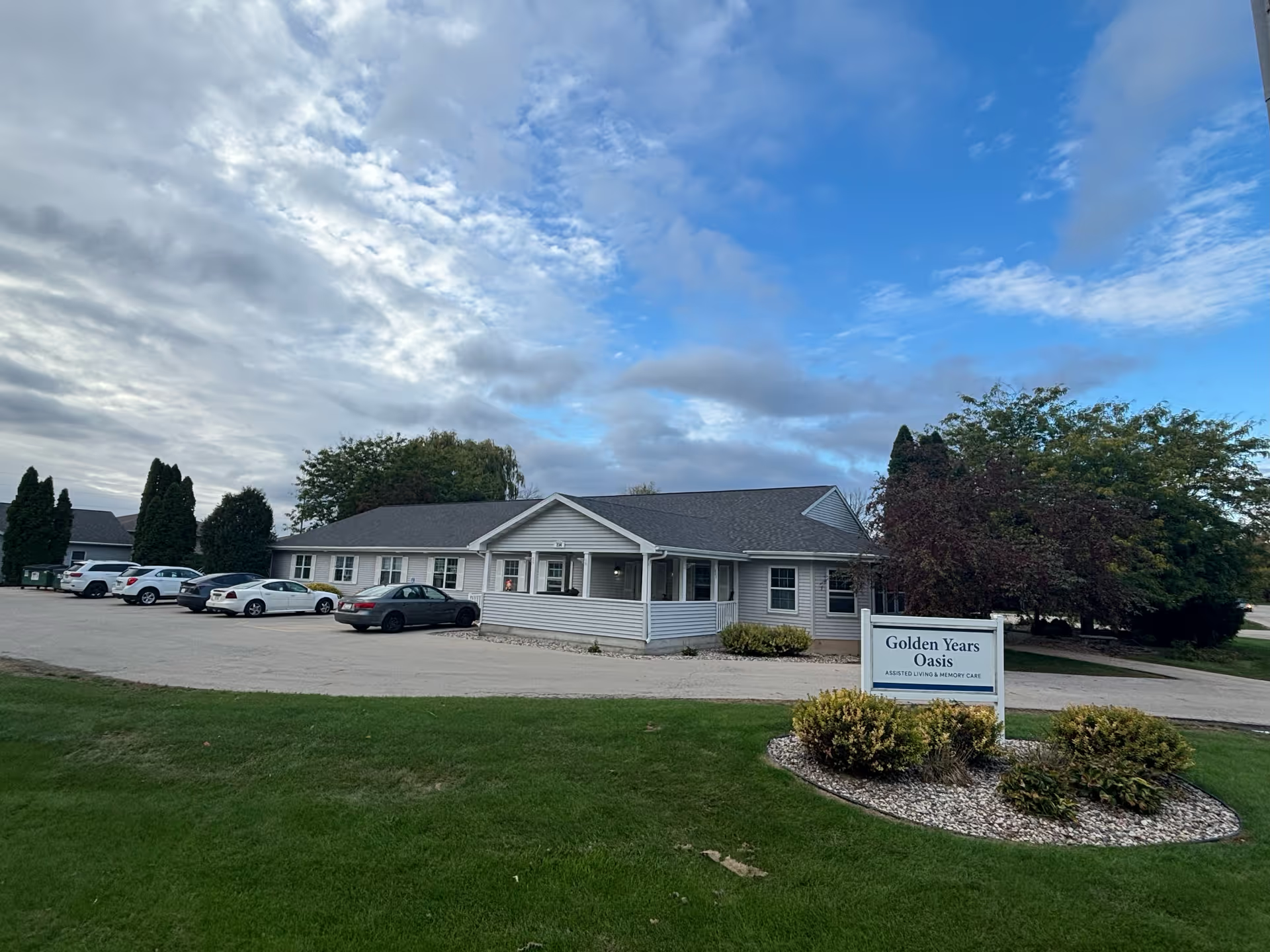
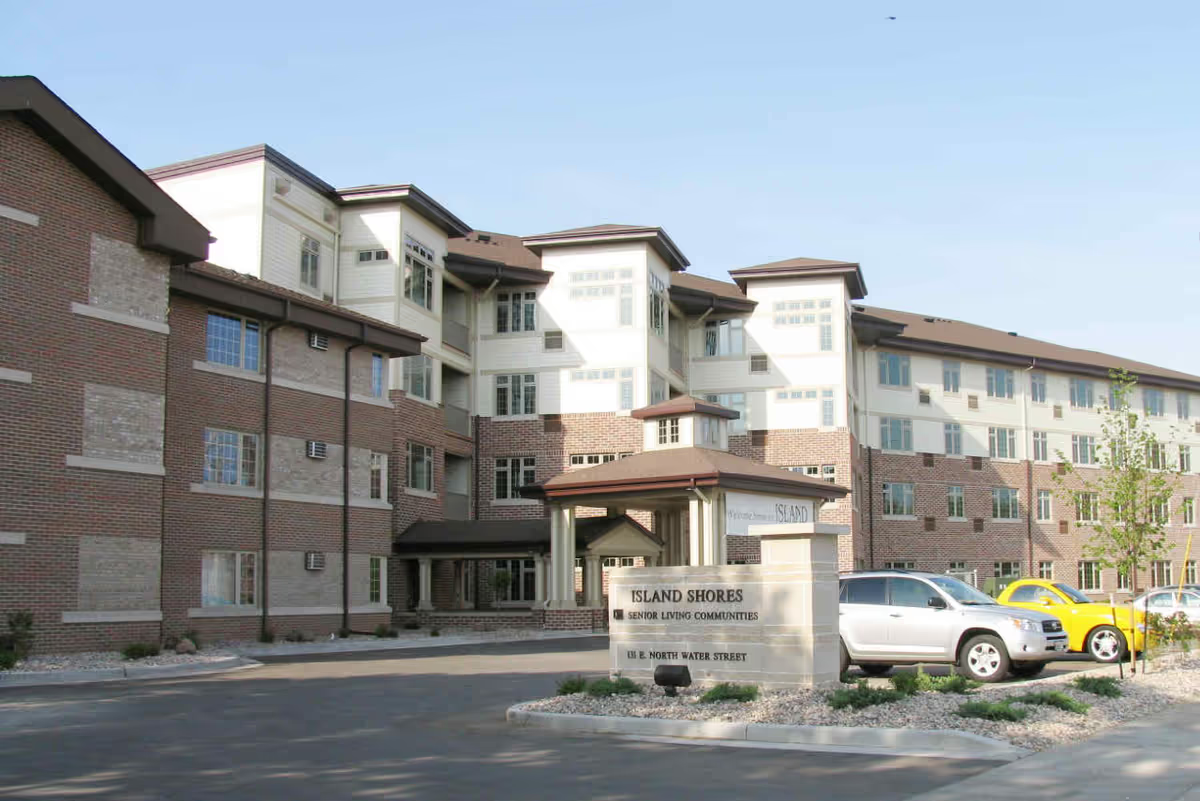
Aspire Senior Living Oshkosh presents a mixed profile across reviews. Many families and residents praise the facility’s physical environment — it is new, clean, and attractive, with well-maintained grounds and spacious apartments. Numerous accounts highlight compassionate, friendly direct-care staff and a few long-standing aides who provide consistent, personalized attention. The community offers a range of activities and outings, short-term rehab and therapy services that some families found effective, and varied dining options including special-event meals. These strengths make the community appealing for people who prioritize a modern, comfortable living environment and social programming.
At the same time, recurring operational concerns appear across reviews. Staffing inconsistency and turnover are frequent themes; reviewers describe gaps in caregiver availability and long delays in attending to resident needs. These staffing issues are linked to safety and supervision gaps, including fall-related incidents and delayed responses. Several reviews raise medication-management concerns, describing errors or mishandling that indicate a need for stronger medication-administration controls and clearer documentation practices. Families also reported inconsistent schedules for personal-care tasks such as bathing and grooming, which points to variability in routine care delivery.
Dining and activities receive mixed feedback. Some reviewers praise the food quality — citing gourmet-style meals and well-presented events such as holiday brunches — while others describe cold or unvarying meals and a lack of comfort-food options. Activity programming is likewise inconsistent: there are accounts of a robust, engaging calendar with trips and events, but also accounts of limited social interaction, a lack of posted schedules, or residents not being invited to activities. Prospective residents should confirm current activity rosters and sample menus during a tour.
Facility upkeep and cleanliness are generally cited as strengths for the building and common areas, but there are isolated sanitation and pest-control concerns noted in some apartments and memory-care areas. These reports suggest variability in housekeeping and unit-level maintenance. Several reviewers also raised issues around personal property and laundry handling, describing missing items or inconsistent laundry service, which indicates a need for stronger property-management practices.
Management, communication, and billing practices are another area of divergence. Some families describe proactive, empathetic leadership and helpful communication; others report unresponsiveness from leadership, unexpected price increases without timely notice, and difficulties resolving concerns. Serious financial-safeguard concerns were raised in a few accounts, including allegations of unauthorized transactions; these indicate a need for clearer financial controls and family-facing safeguards. Coordination with outside clinicians and timely family notification following clinical incidents were also cited as areas needing improvement.
In summary, Aspire Senior Living Oshkosh appears to offer a high-quality physical environment, engaging social opportunities, and several examples of attentive, caring staff. However, prospective residents and families should investigate operational reliability: confirm current staffing levels, medication-safety protocols, hygiene and housekeeping schedules, activity calendars, property- and financial-safeguarding policies, and the facility’s approach to communicating clinical incidents and cost changes. An on-site tour, conversations with unit staff, a review of written policies, and references from current families can help clarify whether the community’s operational consistency matches its physical and programmatic strengths.