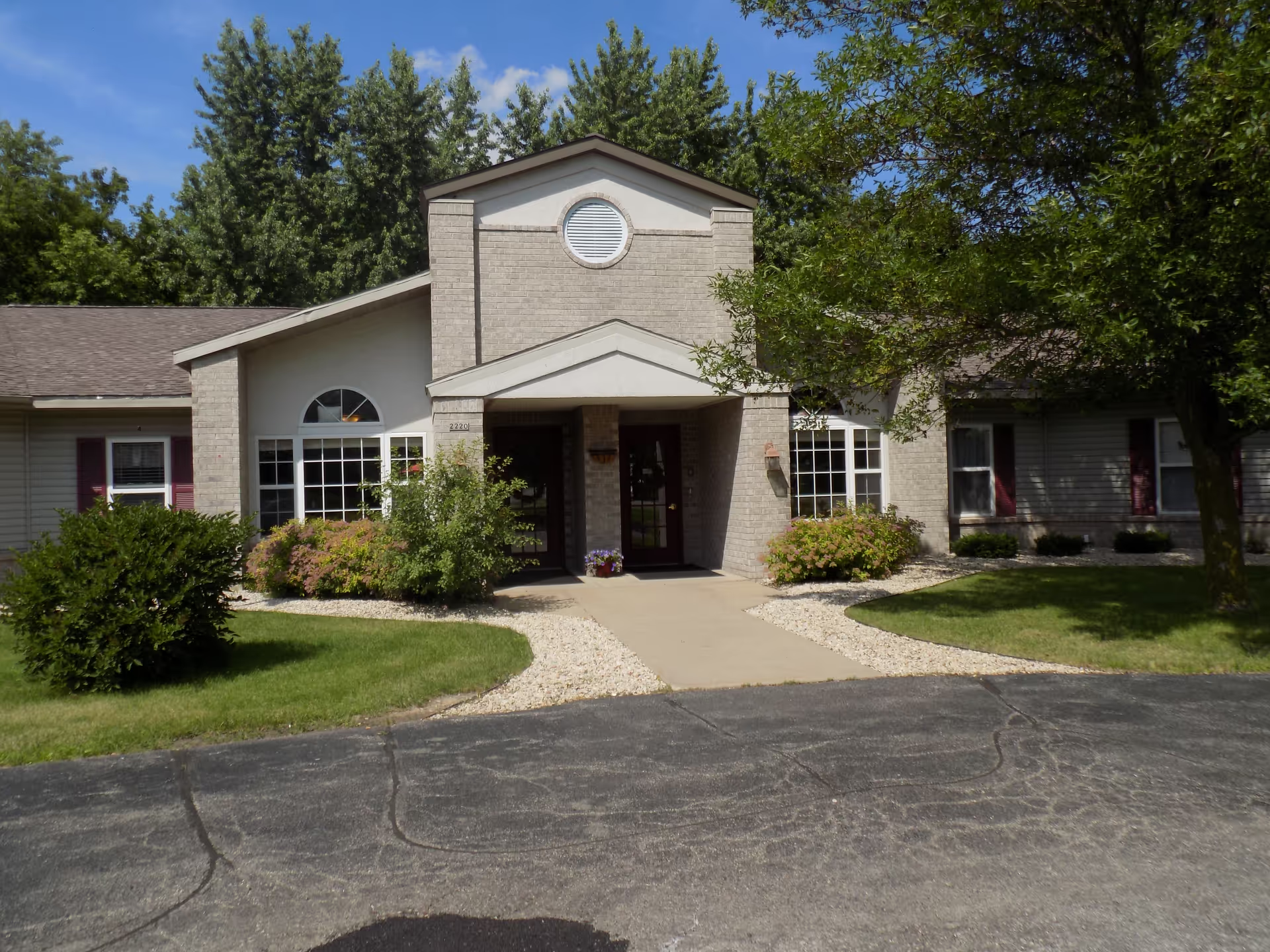
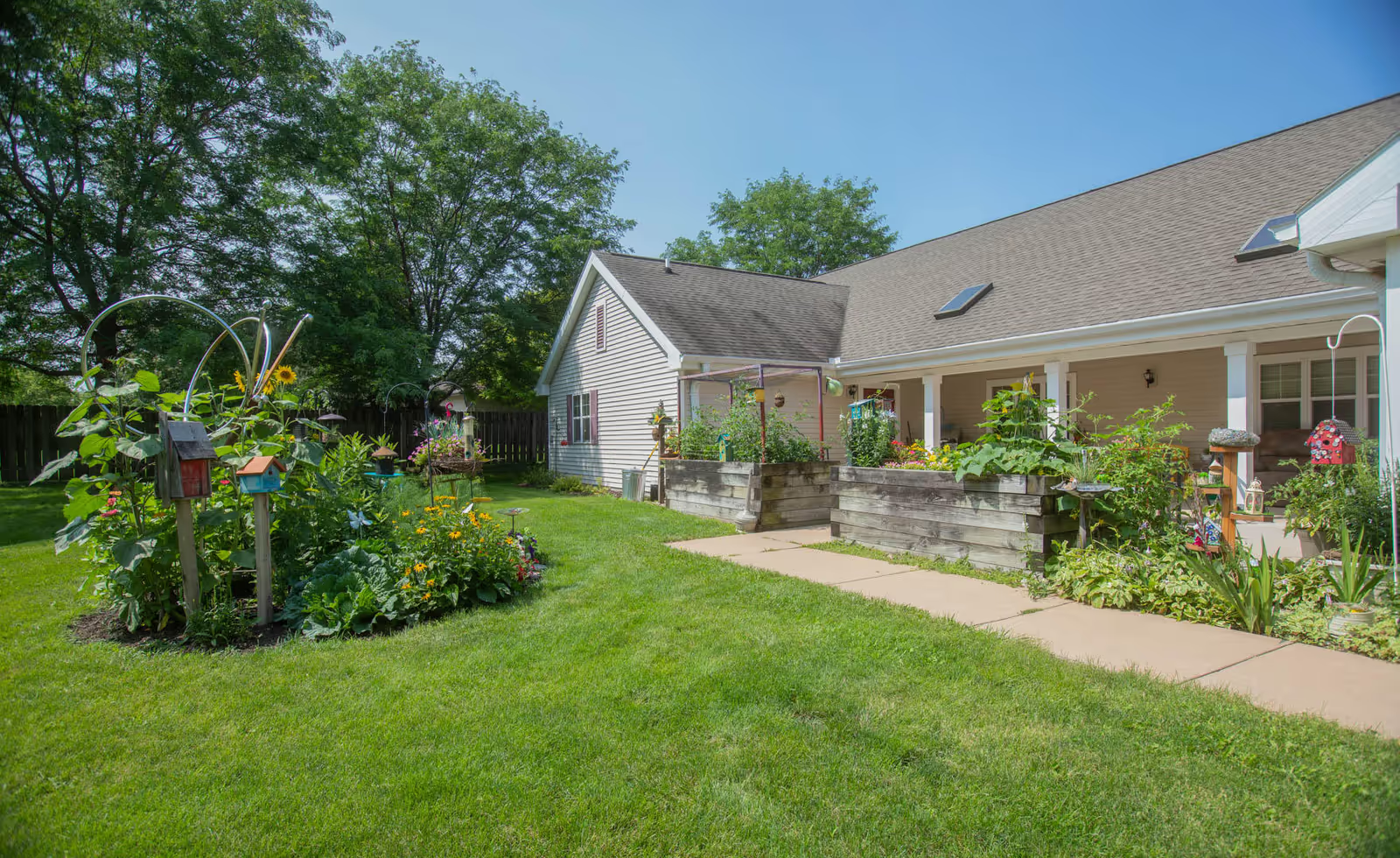
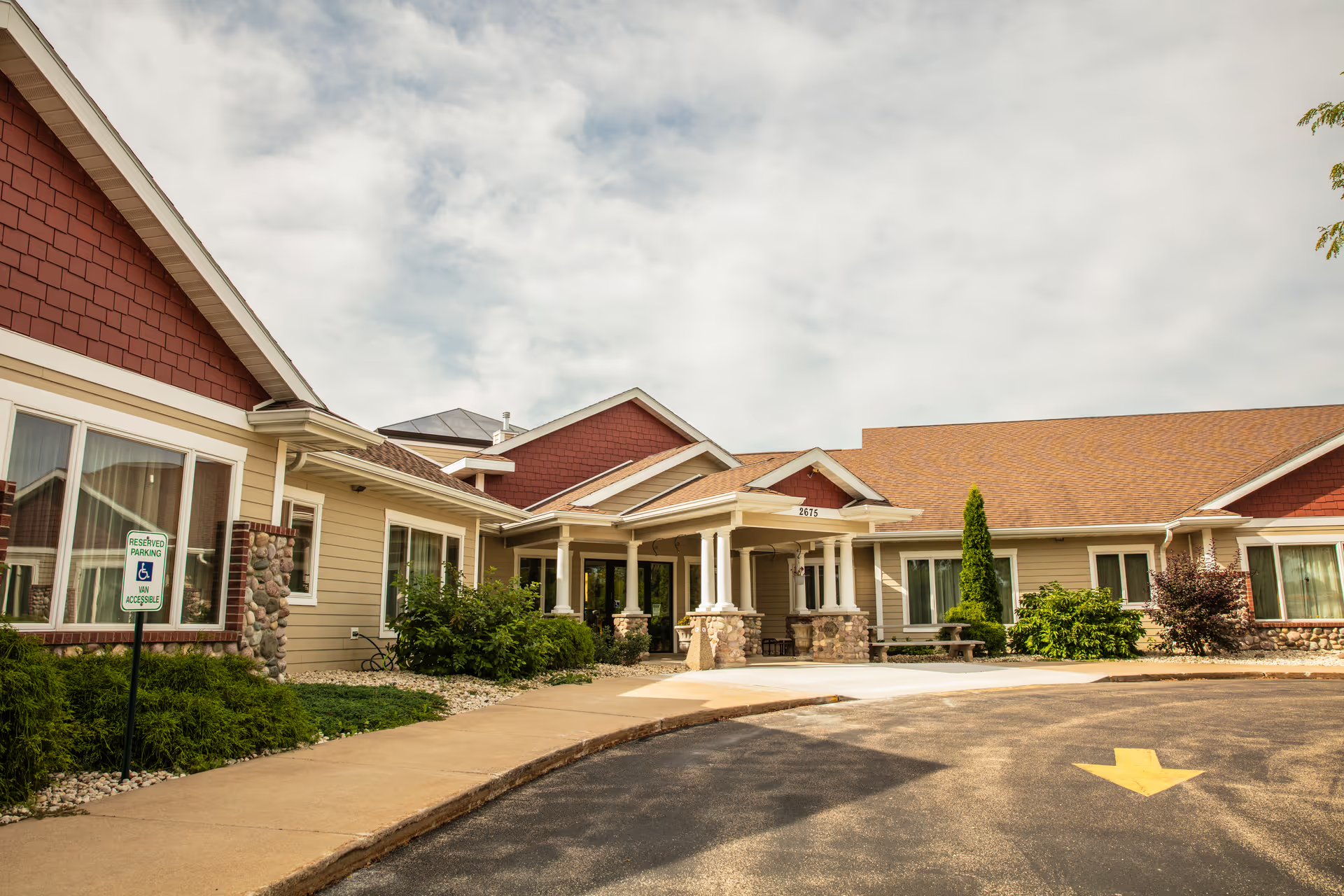
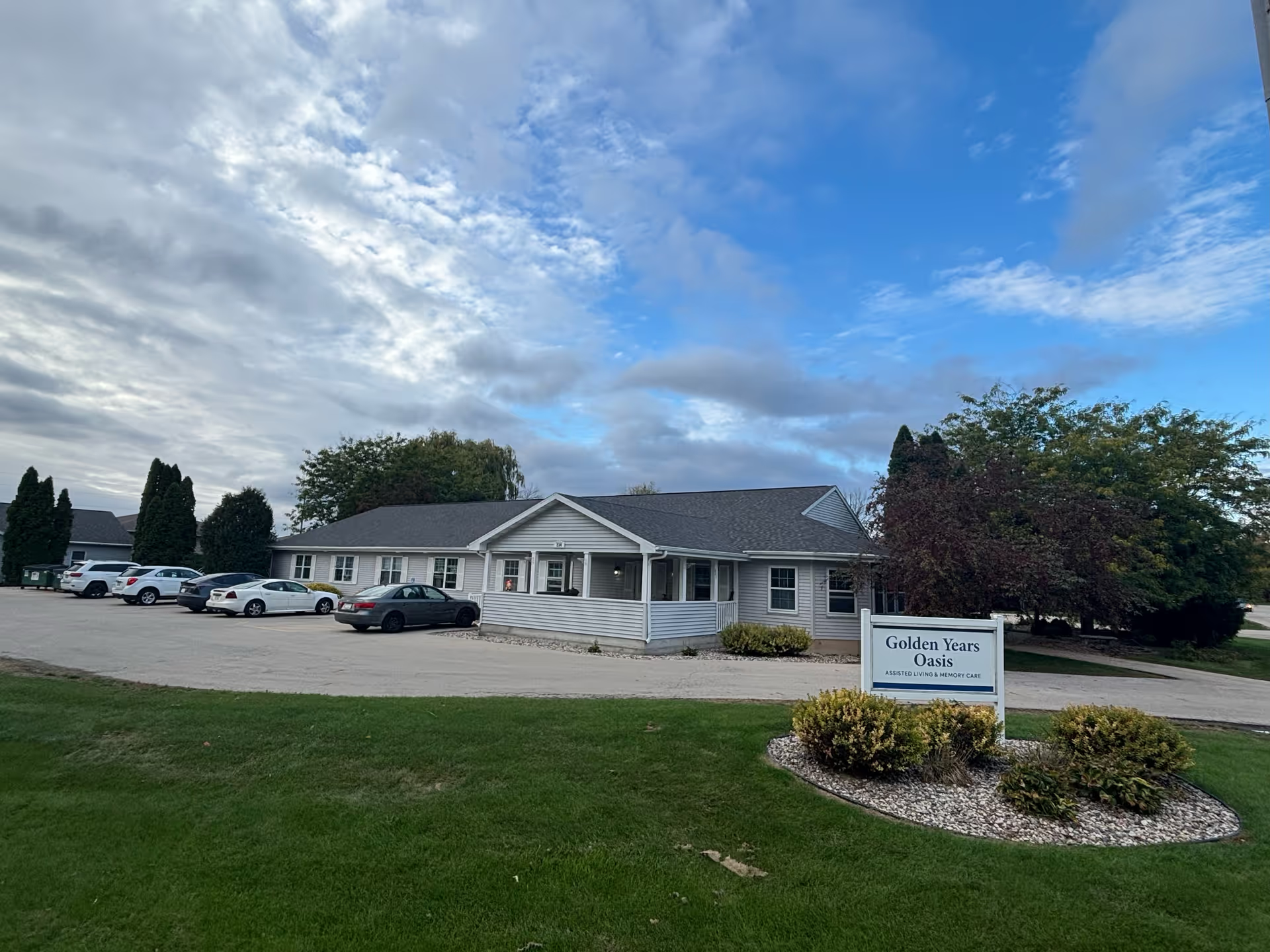
Lakeshore Manor elicits a mix of strong positives and notable operational concerns. Strengths repeatedly described include a robust activities program with engaged coordinators, dementia-specific programming and individualized plans, and a generally warm, home-like atmosphere. Families frequently praised compassionate staff interactions, open communication with family members, and emotional support around transitions and end-of-life care. The facility’s waterfront setting, well-kept grounds, spacious common areas, exercise facilities, and accessible design elements (rails, gated walking areas) are consistent highlights that contribute to resident quality of life.
Clinical care and staffing present a more mixed picture. Reviewers described dedicated caregiving and effective memory-care practices in many cases, but also identified service-level problems such as inconsistent staffing coverage, high turnover, and occasional delays in responding to resident needs. Medication-management inconsistencies and charting discrepancies were raised as operational weaknesses; these concerns intersect with family expectations for clinical reliability. A limited set of families referenced regulatory scrutiny, citing a state Board of Aging inspection that identified code violations, which underscores the importance of observing both resident-facing strengths and behind-the-scenes clinical controls.
Dining and activities are generally seen as strengths but with variability. Many reviewers praised home-style meals, appealing daily snacks, and abundant social programming (crafts, music, outings). At the same time, some accounts described interruptions in meal service, variable food quality, and unmet meal deliveries for particular residents, indicating inconsistent meal-service continuity. The activities department is well regarded for range and enthusiasm, though engagement can vary by resident and by unit — some residents are highly involved while others are less consistently included.
Facility condition and amenities are another area of contrast. The campus and outdoor spaces are frequently described as attractive and well maintained, with scenic lake and river views. Interior spaces, private bathrooms, and large dining rooms receive positive mentions. However, several comments identified aging infrastructure in places (outdated emergency call systems, broken closet or dresser hardware), maintenance gaps, and sanitation or incontinence-care concerns in some units. These are operational issues that can affect perceptions of overall quality even when public spaces are well kept.
Management and communication show both strengths and opportunities. Admissions and move-in assistance, including coordination and set-up, are often praised, and some families specifically commended responsiveness from certain staff members. Conversely, families also described uneven communication from nursing leadership about clinical issues, slow front-desk or phone response, and variability in staff training and motivation. Taken together, the pattern suggests a facility with strong resident-centered programming and an appealing environment, but with recurring operational gaps in staffing, medication controls, sanitation oversight, documentation, and some maintenance areas. Prospective families should weigh the facility’s dementia programming, activities, and setting against those operational considerations, and consider targeted questions about staffing ratios, medication administration processes, sanitation protocols, and recent regulatory findings during a tour and meeting with leadership.