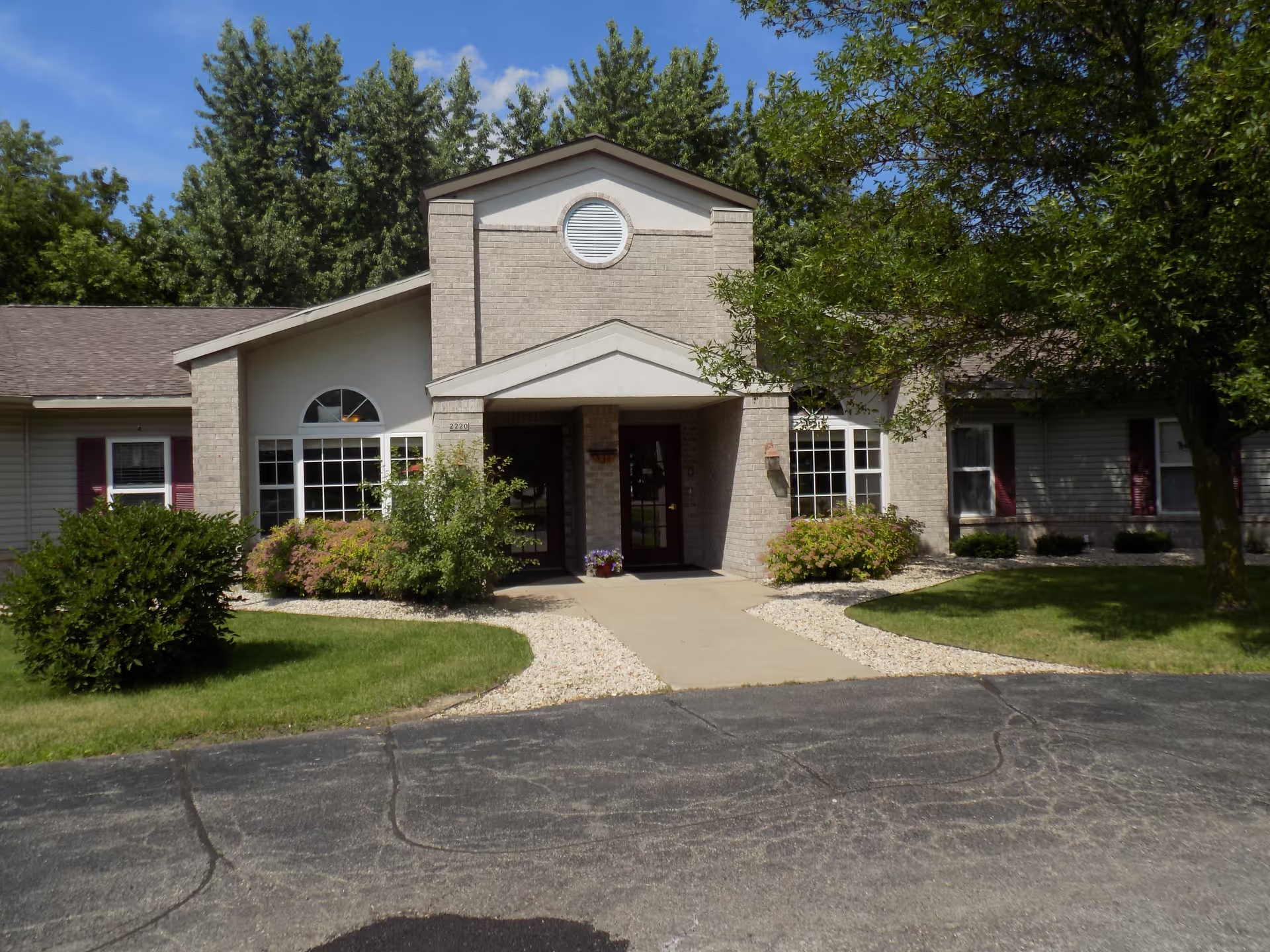
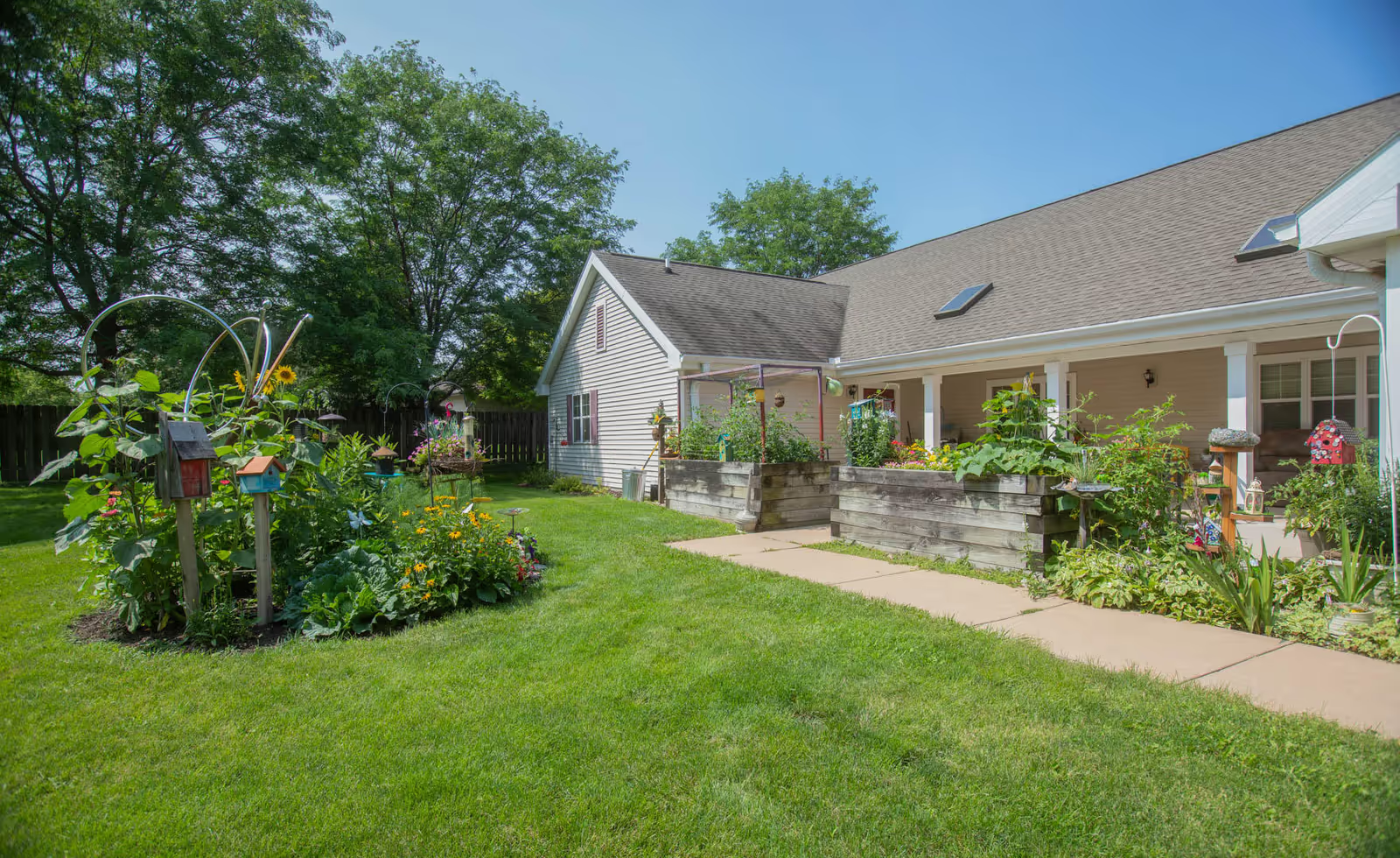
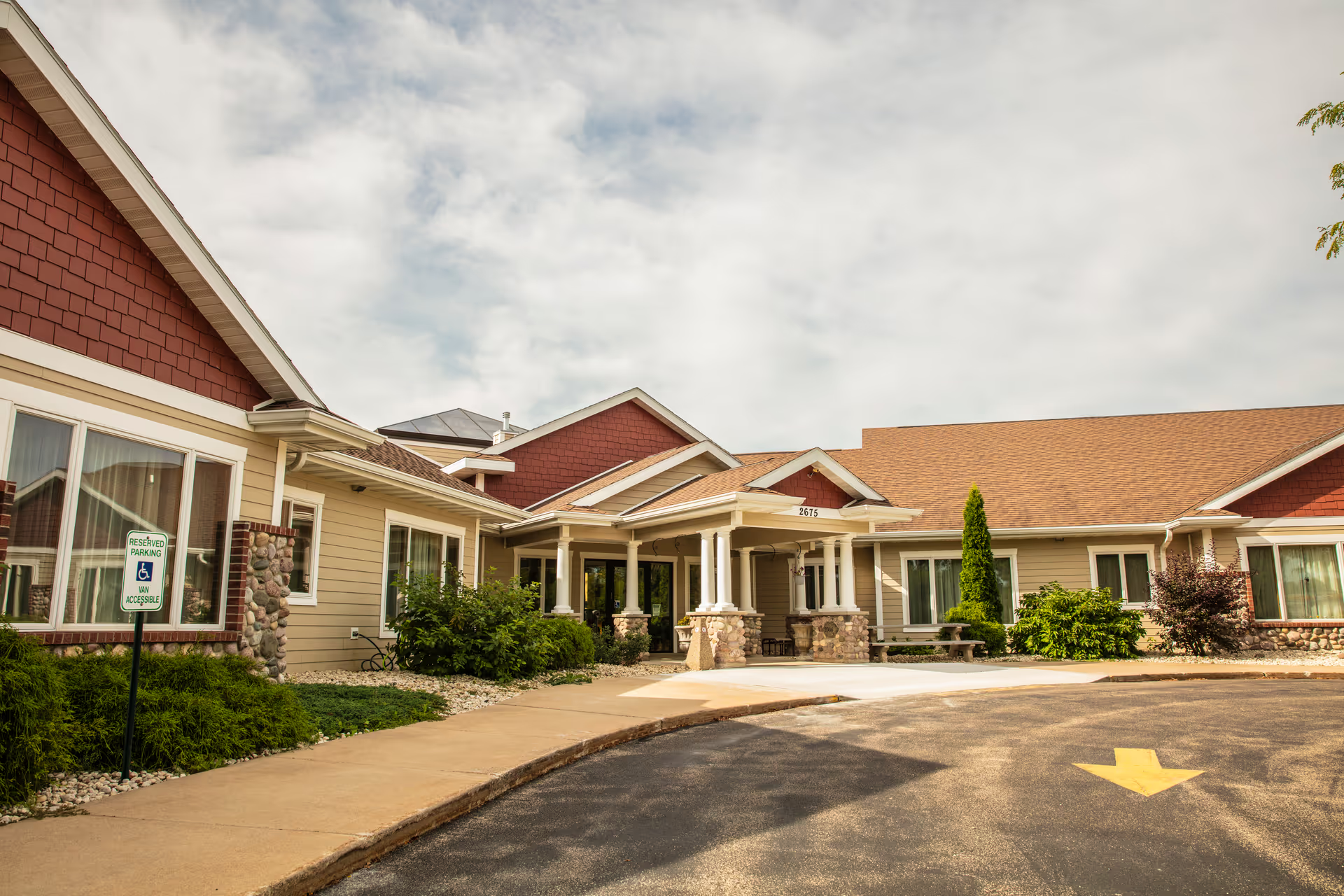
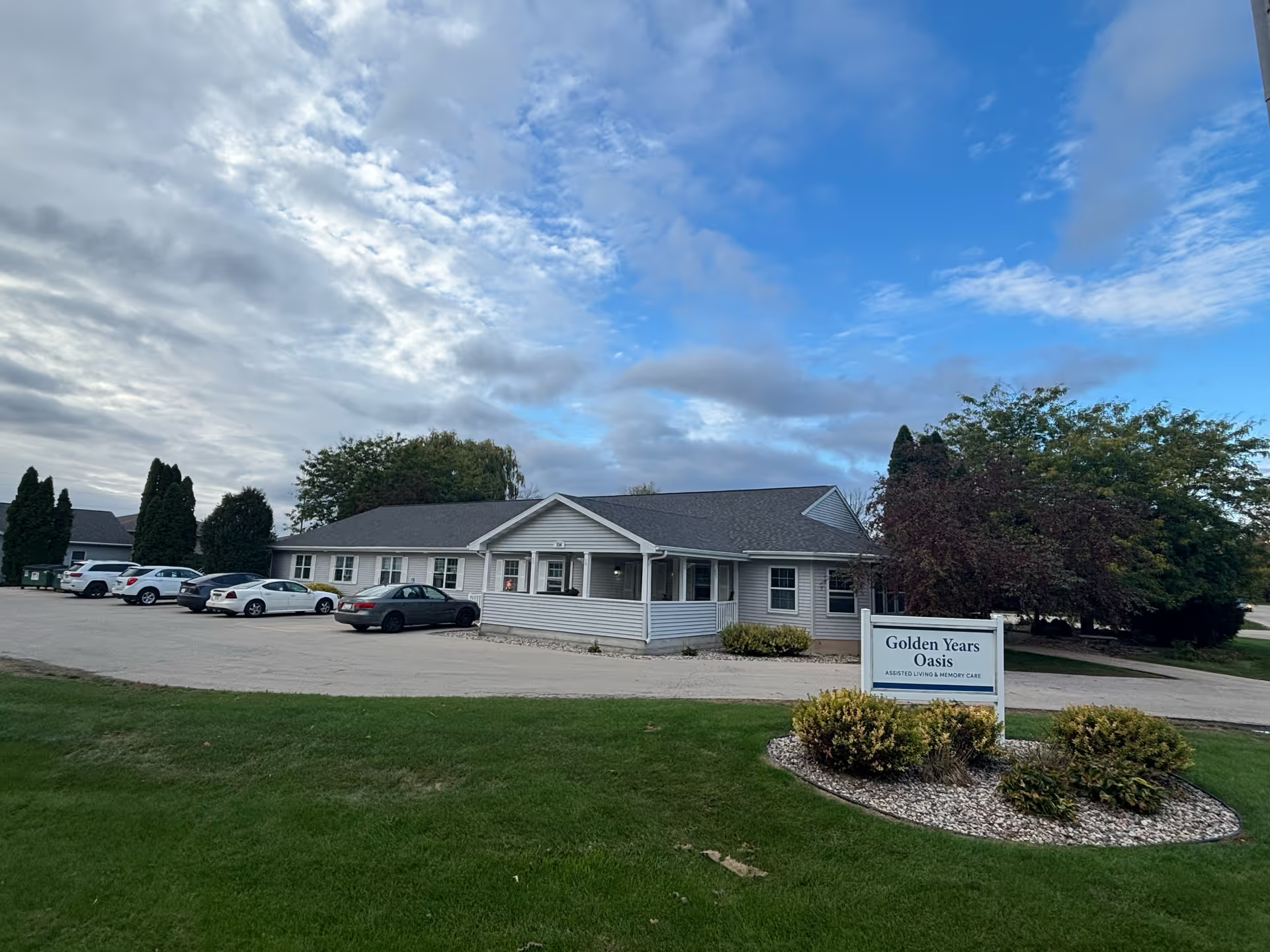
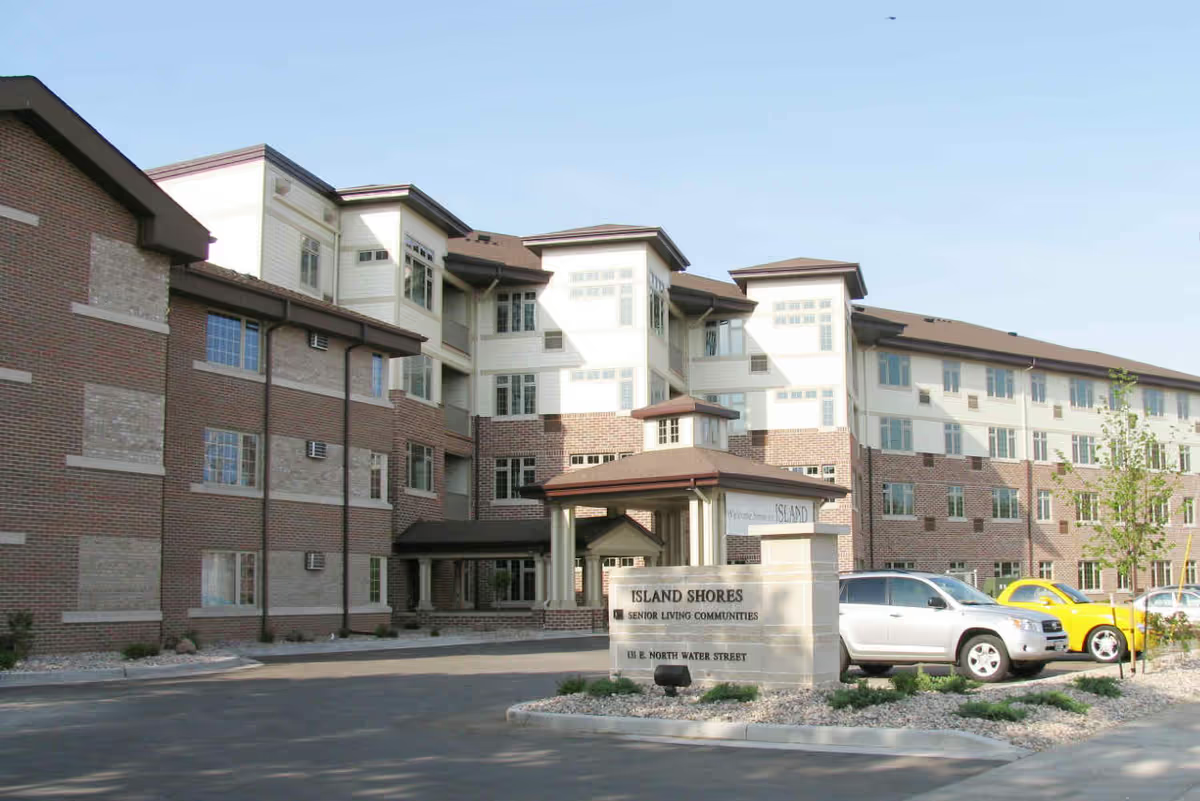
The reviews describe a facility with clear strengths alongside recurring operational weaknesses. Many reviewers praise the physical environment, noting an attractive, updated campus with private apartments, a family lounge, and pleasant amenities. Leadership receives positive mention for supporting continuing education, and the facility offers on-site rehabilitation services and round-the-clock registered-nurse coverage. Families and residents frequently highlight compassionate, attentive caregiving, regular social and exercise programming, and a wide-ranging activities calendar that includes outings, music therapy, and Namaste-style engagement.
Care quality is described as mixed. Several comments emphasize patient-centered skilled nursing, proactive staff, and strong rehab programming. At the same time, there are significant concerns about clinical coordination: communication breakdowns between specialists and nursing staff, insufficient monitoring of nutritional decline, and examples of clinical issues that were not adequately escalated. Reviewers also referenced concerns following a resident's adverse outcome, which points to needs for clearer clinical escalation protocols and more consistent follow-through on health changes.
Staffing and workforce practices emerge as a polarized area. Many reviewers commend individual aides and licensed staff for being caring and responsive; others identify persistent understaffing, irregular scheduling, payroll issues, and limited orientation for new or agency personnel. These workforce-management challenges are linked in reviews to variability in responsiveness and occasional concerns about staff conduct or customer-service tone. Prospective families may want to ask about staffing ratios, orientation programs, and staff turnover when evaluating placement.
Dining and nutrition receive generally favorable comments about taste and resident satisfaction, though a few reviewers described an institutional dining feel in some units. More concerning are operational gaps around nutrition monitoring and weight management that reviewers associated with clinical decline. This suggests that while menu quality may be acceptable, clinical oversight of intake and weight may be inconsistent.
The facility’s activities program is a consistent positive: residents reportedly have many opportunities for engagement, including regular outings, live music, church services, games, and specialized therapies. These offerings appear to support social connection and resident satisfaction for long-stay residents in particular.
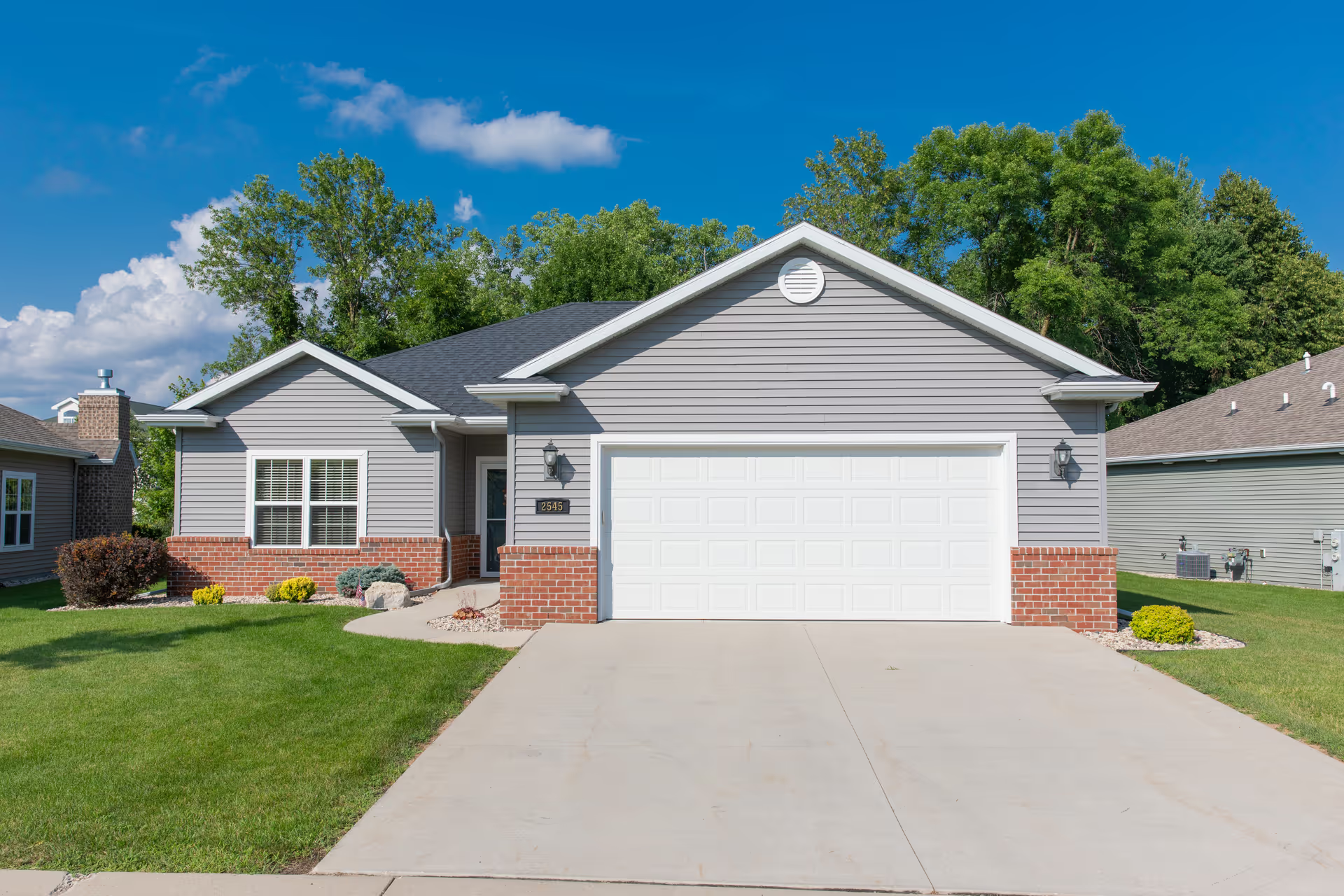
Facilities are largely viewed as secure and well-maintained, with recent updates in parts of the campus. However, maintenance lapses were reported (for example, equipment or fixture issues that affect transfer safety), indicating uneven upkeep in some areas. There are also mixed impressions about room layouts—some units feel apartment-like and comfortable, while others are described as smaller and more clinical.
Management is seen as approachable by some families, with leadership that listens and invests in staff education. At the same time, reviewers describe inconsistent incident-response practices and family communication when concerns are raised. Additional operational areas to explore during a tour include property-security measures for personal belongings, procedures for reporting and escalating clinical changes, transportation assistance policies, and how maintenance issues are tracked and resolved.
Overall, the pattern is one of an engaged, activity-rich community with strong individual caregivers and capable leadership, tempered by recurring operational issues around staffing consistency, clinical coordination, nutrition oversight, and maintenance. Families considering this facility should balance the evident strengths in programming and compassionate staff against these operational concerns and should request specific information about staffing levels, care-coordination protocols, nutrition-monitoring practices, and incident escalation during their evaluation.