Overall impression: Harbor Campus elicits consistently positive comments about day-to-day caregiving and the life-enrichment program, with repeated praise for staff warmth, individualized attention, and a resident-focused culture. Many families describe attentive nursing and caregiver presence, personalized dining that accommodates preferences, and meaningful activities that include live music, outings, bingo, and social events. Memory-care programming and end-of-life support are frequently highlighted as areas where staff demonstrate compassion and attention to dignity.
Care and staff: Reviews indicate strong bedside and activity-level staffing in many units. Nurses and specific caregivers received individual commendations for responsiveness and kindness; the activities team, often singled out by name, is described as energetic and creative. Families valued hands-on leadership and coordination during transitions and clinical needs, and hospice partners were noted as integrated when required. At the same time, a recurring operational concern is variability in staffing continuity and workforce experience: reviewers note periods of turnover, burnout, and younger or less experienced staff that can affect consistency of care.
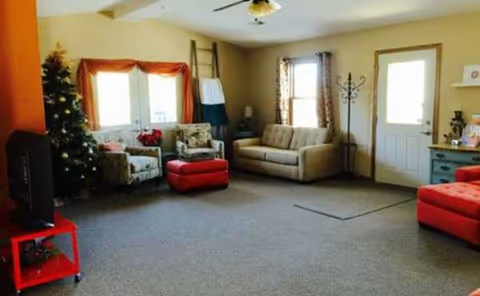
Dining and activities: Dining is frequently characterized as personalized with staff who remember resident preferences; mealtimes and special-event dining (holiday dinners, themed events) are noted positively. The activities program is a clear strength — planned events, live entertainment, Happy Hour, and creative performance elements contribute to resident engagement and socialization. The activities leadership receives particular recognition for effective event planning and resident morale.
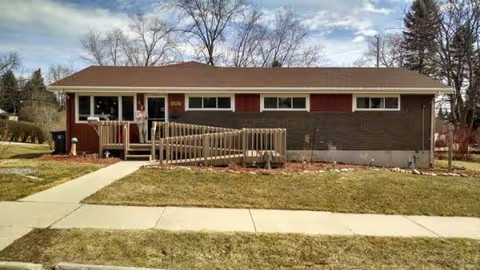
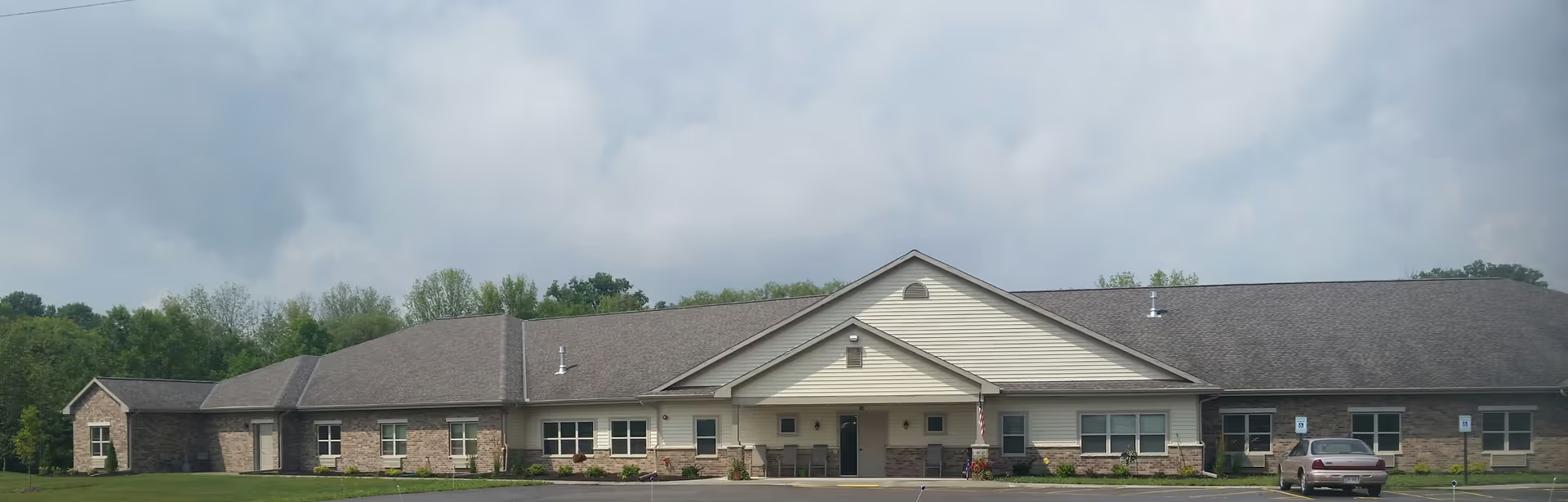
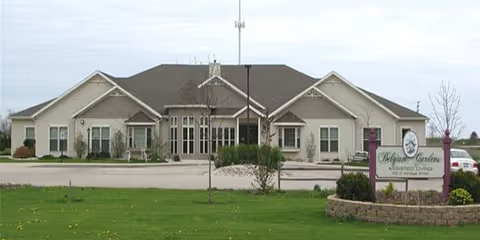
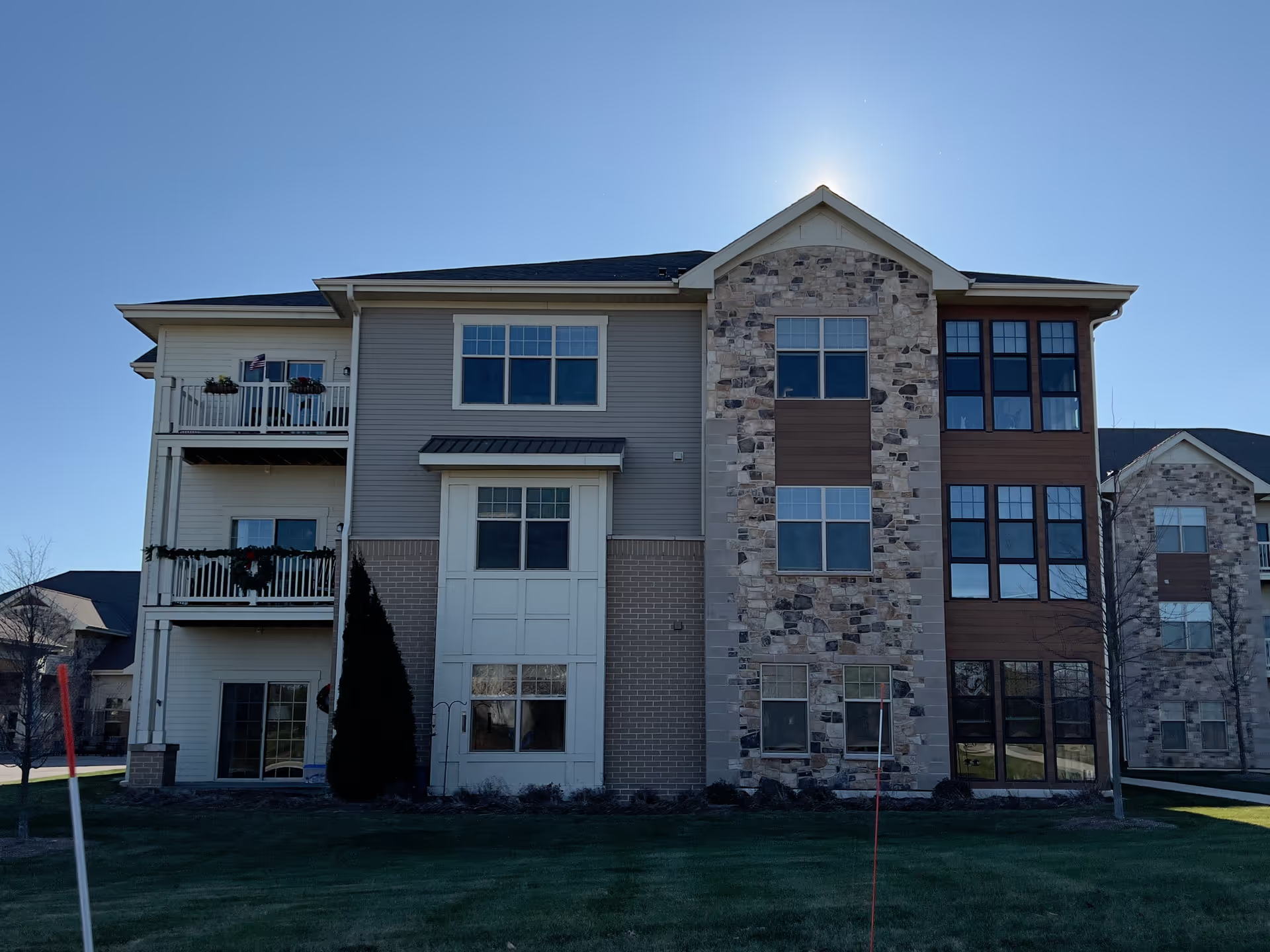
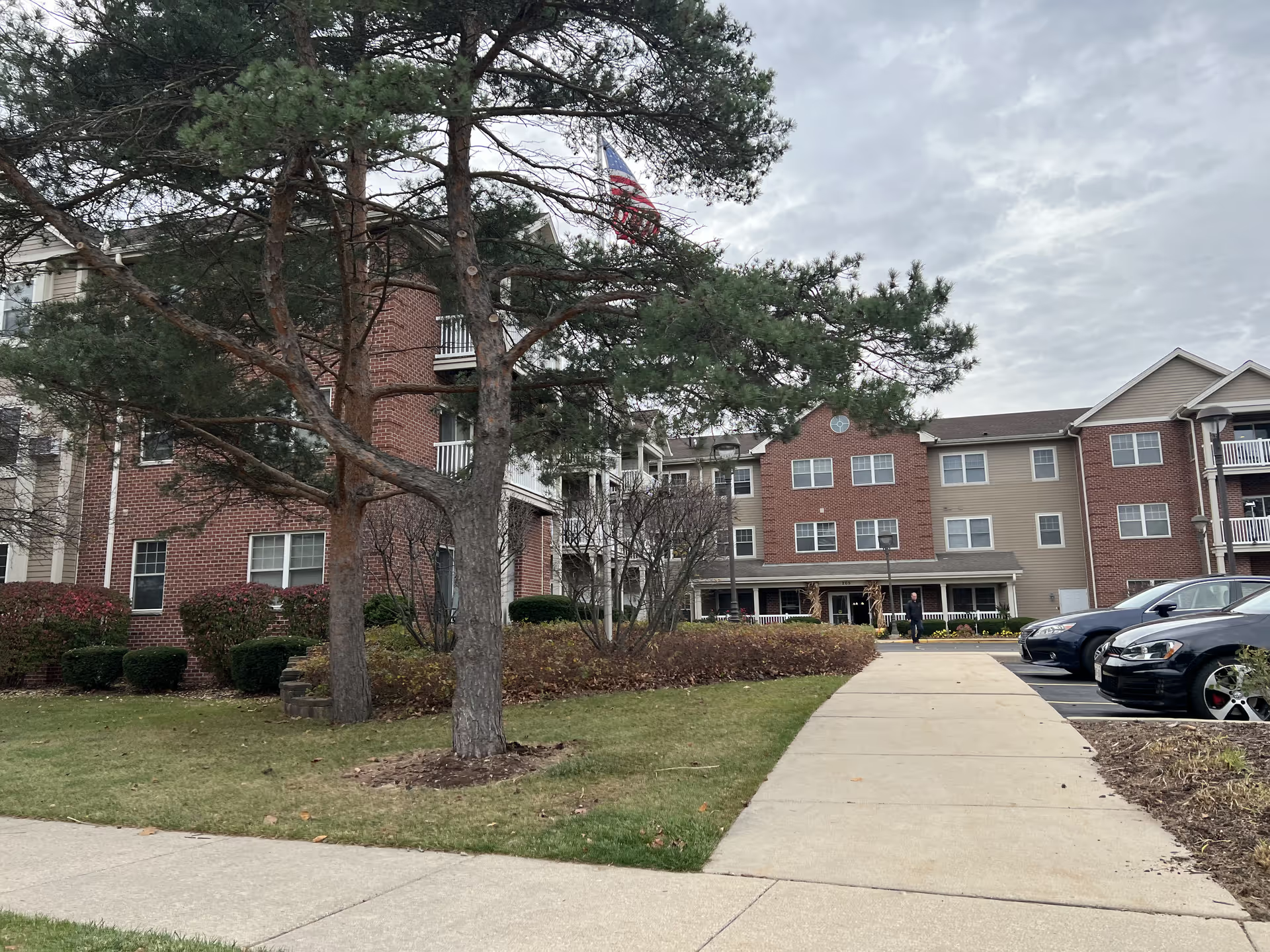
Facilities and amenities: Harbor Campus sits on substantial, attractive grounds with lake views and green space, which many families appreciate. The campus includes retail-like supports and convenient on-site services. However, the physical plant shows its age in places: reviewers describe a converted hospital layout with smaller apartment footprints, dated common dining areas, and a maze-like layout that can be hard to navigate. Several accounts point to maintenance and infrastructure issues (for example elevator reliability), and limited dedicated fitness amenities such as a pool or modern exercise space.
Management and patterns: Feedback about administration is mixed. Positive comments describe involved, hands-on leaders who respond quickly to issues. Negative comments assert an operational shift after ownership changes, with perceptions of cost-focused decision-making and prioritization of appearance over some aspects of resident well-being. These comments cluster around staffing stability, maintenance responsiveness, and communication transparency. Family communication itself receives praise in many cases but is also cited as inconsistent by other families, indicating variable practices depending on unit or circumstance.
What prospective families should weigh: The facility’s strengths are clear in compassionate caregiving, a lively activities program, and a community atmosphere that many residents and families find reassuring. Important trade-offs include an older building footprint and episodic operational concerns — staffing continuity, infrastructure reliability, and management choices — that can affect the resident experience. Visiting in person, meeting the care and activities teams, reviewing current staffing levels, and asking about recent maintenance and ownership changes will help clarify how the general strengths of Harbor Campus apply to an individual’s needs.