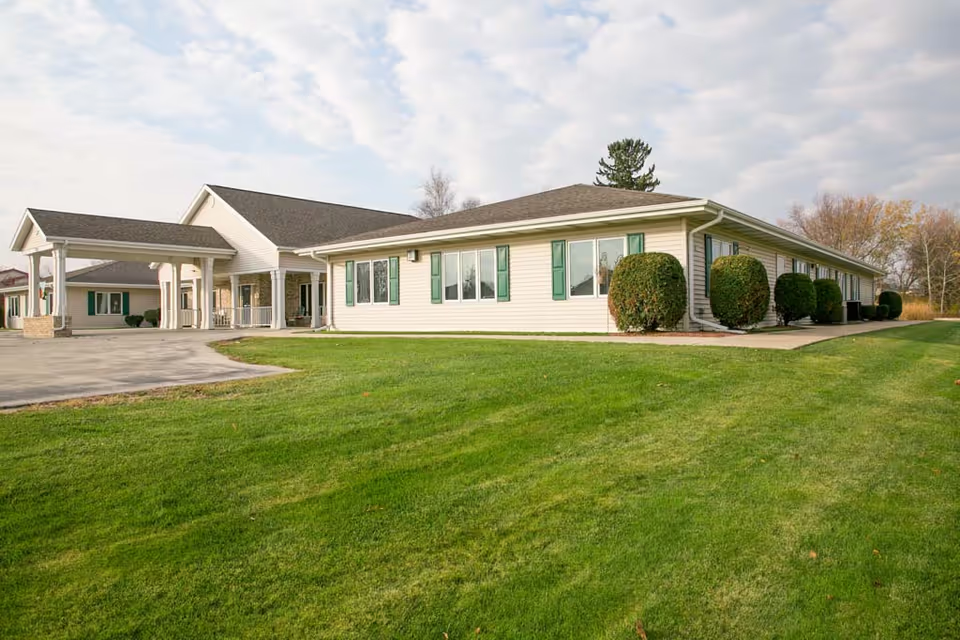
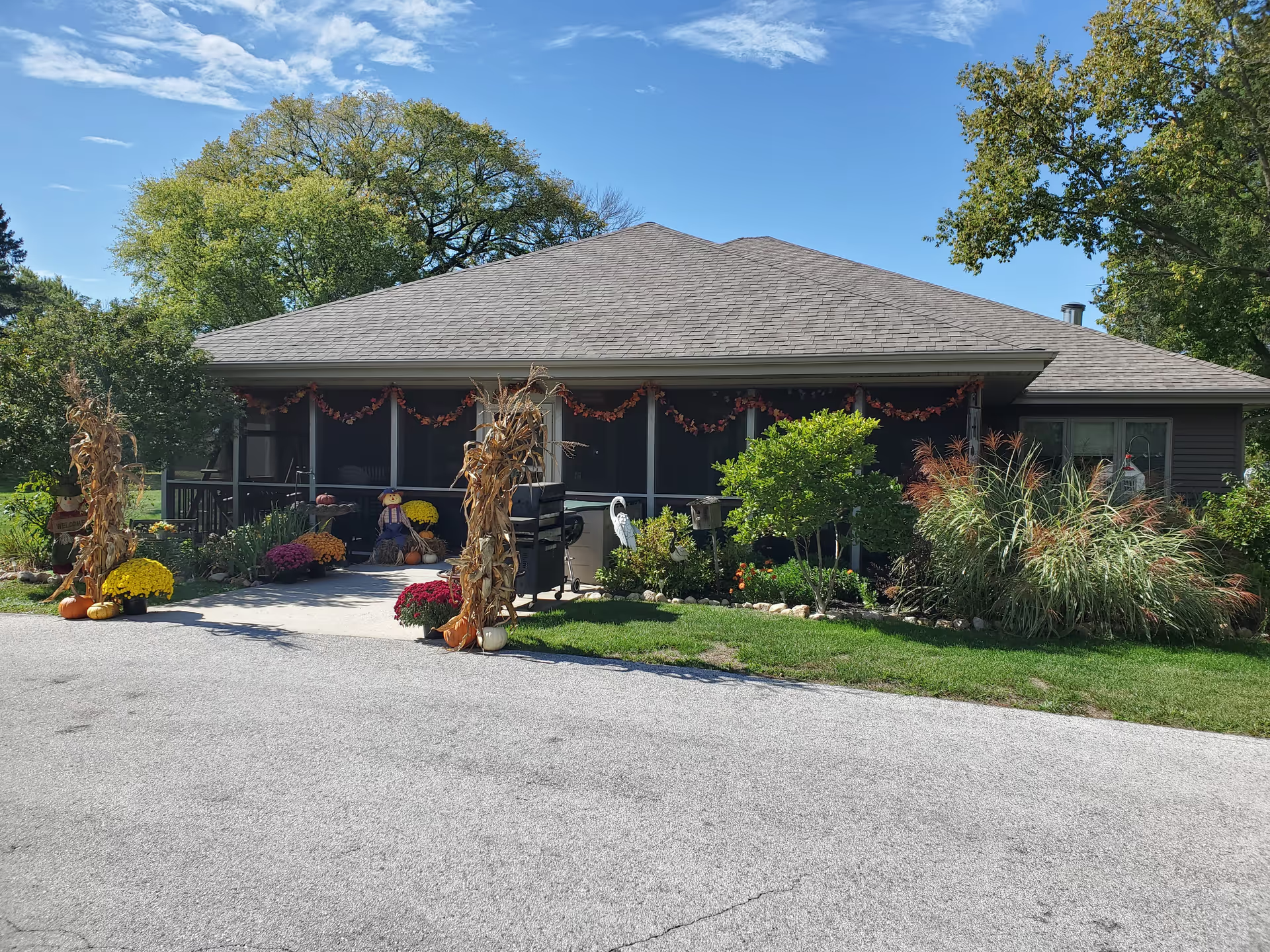
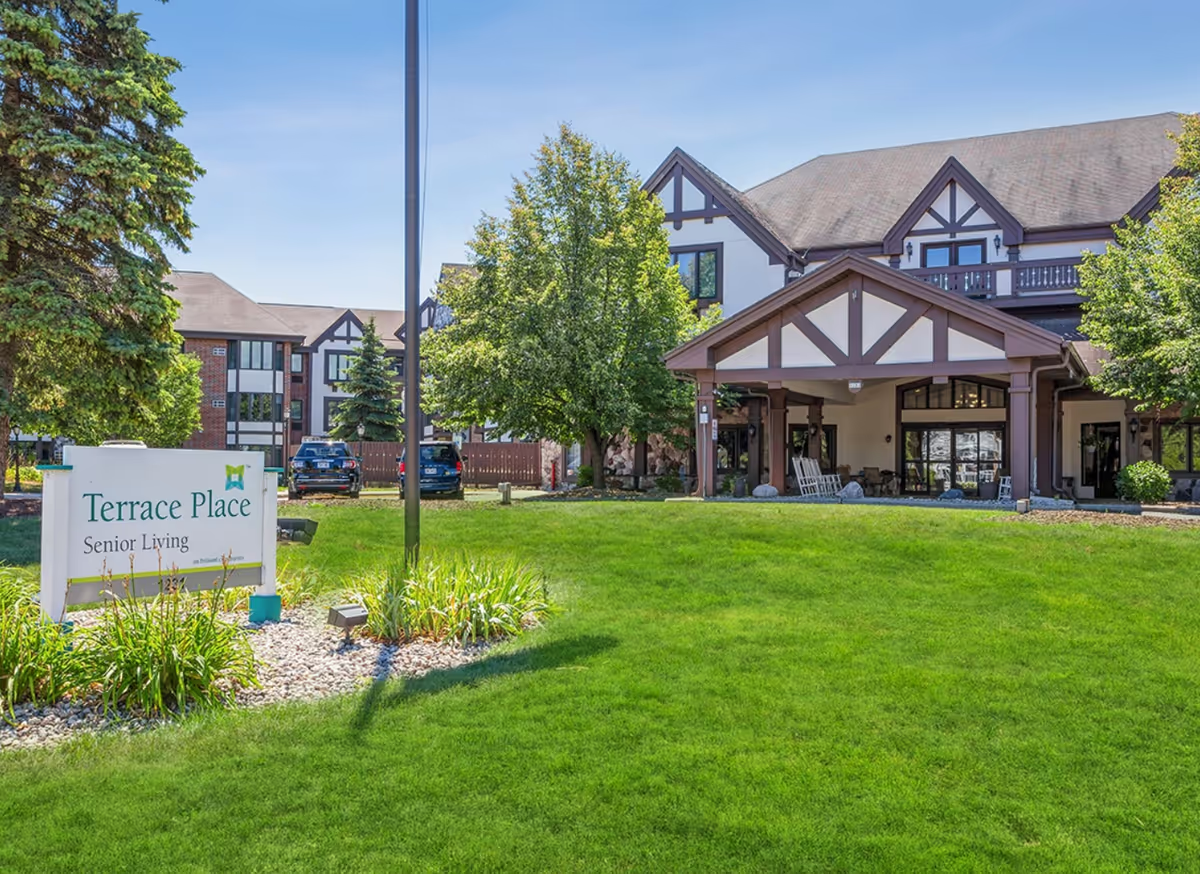
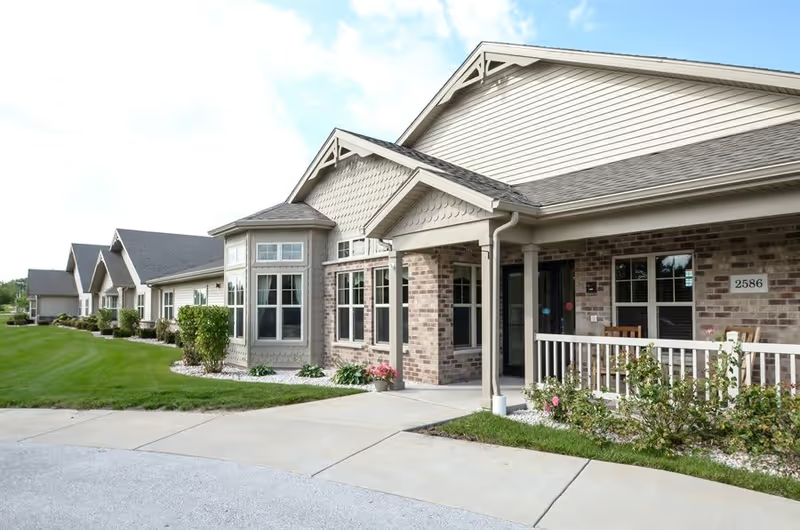
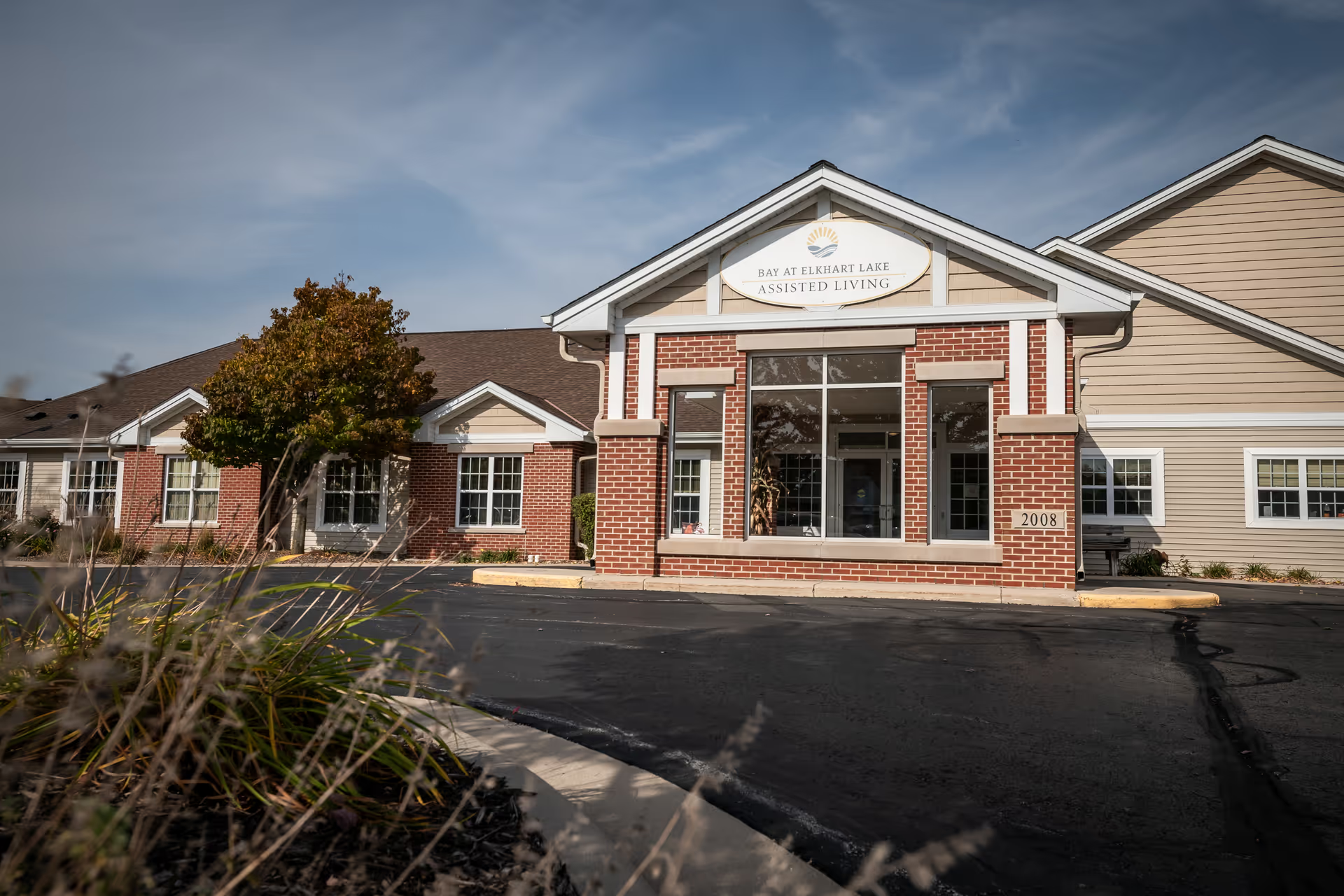
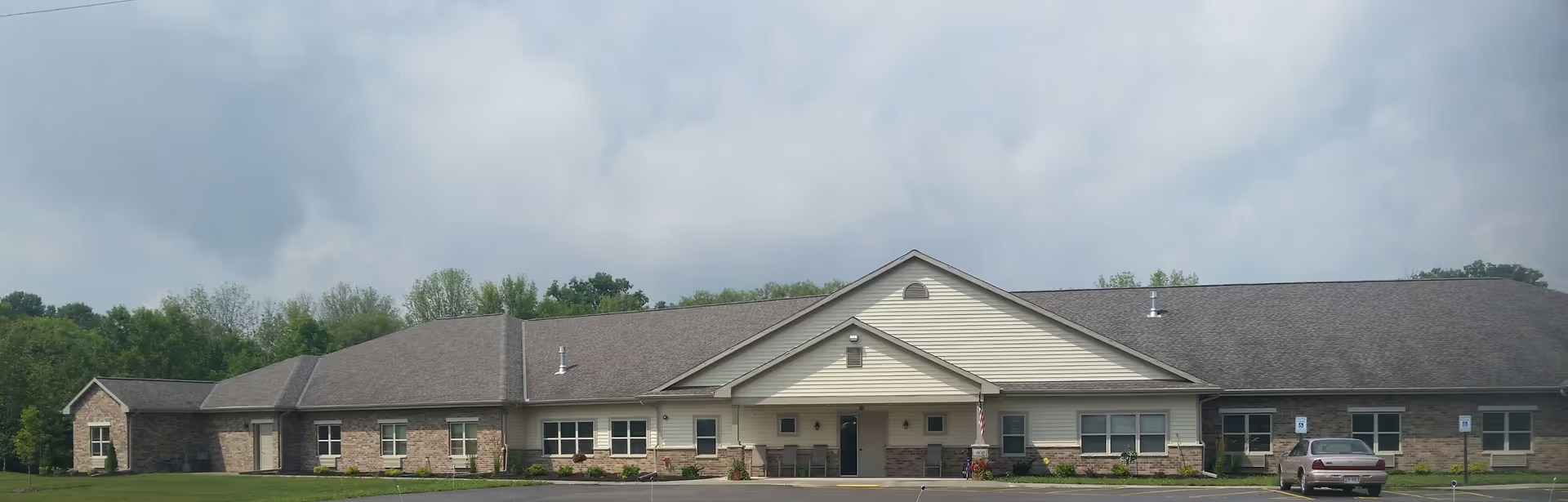
Pine Haven Christian Communities — Giddings Avenue Campus presents a mixture of strengths and operational inconsistencies. Many descriptions emphasize a warm, faith-centered atmosphere with active spiritual programming, welcoming common spaces, and well-kept landscaping. The community offers a wide range of housing choices (including duplexes, apartments, assisted living, and memory care), private apartments with full kitchens, and on-site conveniences such as a hairdresser. Several families praised short-term rehabilitation services, the social life around meals, and a general sense of camaraderie among residents.
Care quality is mixed. Certified nursing assistants are frequently described as compassionate, attentive, and a clear asset to daily resident care. In contrast, concerns center on variability among licensed nursing staff and gaps in clinical oversight. Specific operational weaknesses include inconsistent adherence to medication orders and problems with following prescribed comfort or end-of-life regimens. Several accounts also indicate delays in responding to care requests and call bells, which contributes to perceptions of uneven responsiveness.
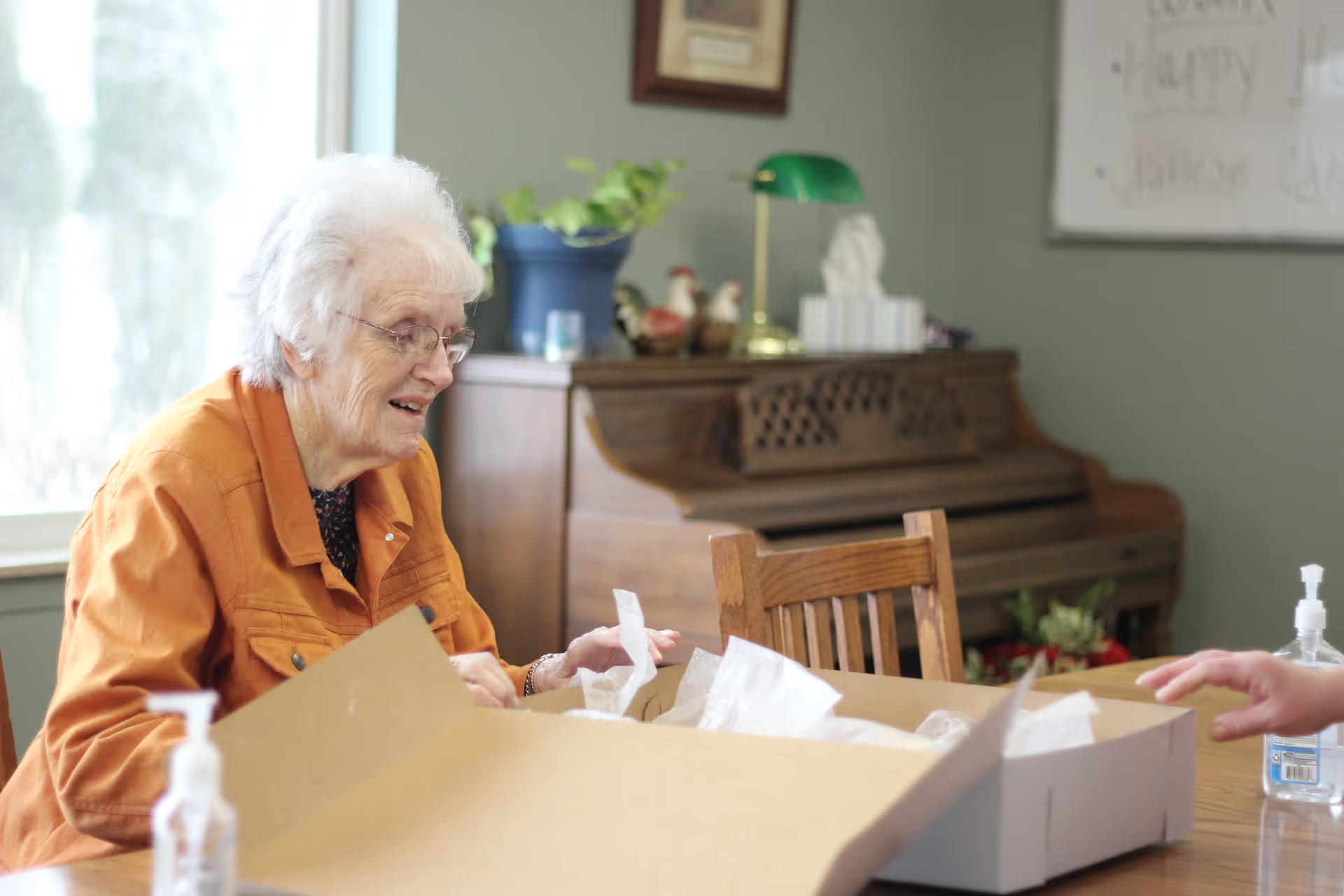
Dining and activities are generally seen as positive elements. Reviewers noted good food, communal dining experiences that foster social interaction, and a variety of activities — including games, music, and regular church services — that support resident engagement and independence. The campus layout and proximity to local amenities (restaurants and parks) were highlighted as conveniences for families and residents.
Facility condition and services show a divide. Many reviewers describe bright, clean apartments and proactive maintenance staff, but others raised sanitation concerns in certain rooms and common areas, including unreliable laundry and housekeeping coverage. These inconsistencies appear to vary by unit or time period rather than reflect uniform conditions across the campus. The landscaping and exterior upkeep are consistently noted as strengths.
Management and communication present another area of mixed feedback. Some families describe proactive, helpful staff with prompt updates on unusual events and 24/7 availability, while others experienced unprofessional or uncompassionate administrative interactions, denied visitation or rigid enforcement of policies, and poor follow-through on family concerns. A few accounts raised concerns about hospice coordination and how end-of-life care was managed.
Notable patterns: the campus tends to polarize experiences — strong praise for direct-care staff, community life, amenities, and affordability sits alongside recurring operational issues in clinical oversight, medication processes, housekeeping, and family communication. Prospective residents and families would benefit from an on-site tour that specifically reviews current nursing oversight, medication-administration protocols, housekeeping and laundry schedules, call-bell response metrics, hospice coordination, and the facility's visitor policies to understand how those operational areas are managed today.