Feedback for Pine Haven Christian Communities — Haven Drive Campus is mixed, with clear positive strengths around the physical environment and many aspects of frontline caregiving, and notable operational concerns centered on administration, staffing continuity, and financial practices.
Care and staff: The facility receives strong praise for hands-on caregivers and clinical staff who demonstrate compassion, responsiveness, and teamwork. Reviewers cite good reaction times to changing needs, effective hospice collaboration in memory-care settings, and a caregiving culture described as loving and attentive. At the same time, a pattern of inconsistent staffing and employee turnover is repeatedly associated with disruptions in continuity of care. These workforce fluctuations are linked in feedback to delays in attending to resident needs, occasional missed assistance, and variability in the tone of staff–family communication.
Dining and activities: The campus is noted for room size and household-style accommodations that support resident comfort and family visits. There are references to missed meals and service continuity lapses that suggest operational gaps in meal delivery during staffing shortfalls or scheduling changes. Activities and family-connection offerings are recognized as a strength: the community emphasizes maintaining ties with loved ones, allows pet visits, and uses LifeLoop updates to keep families informed.
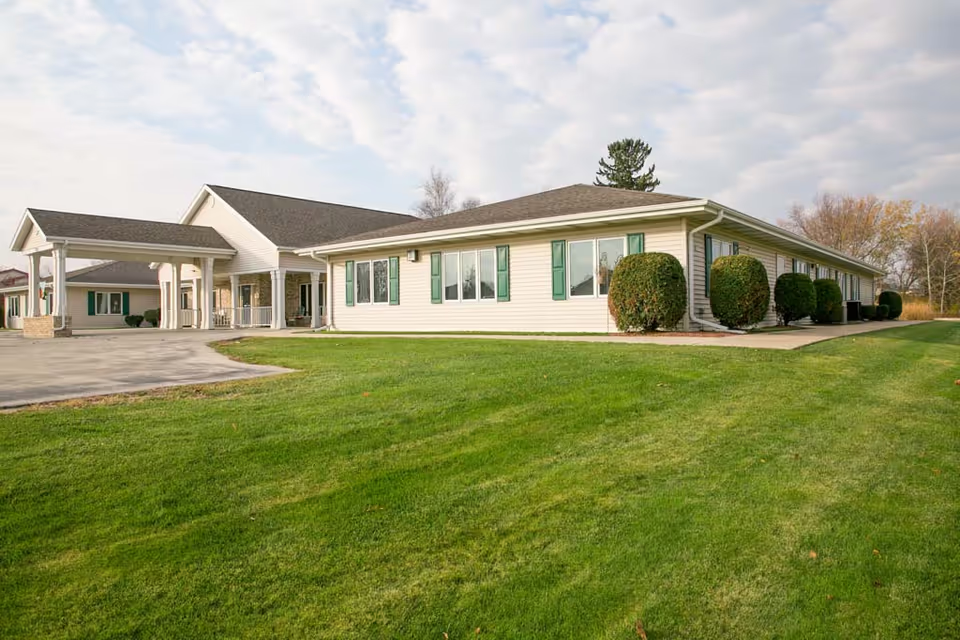
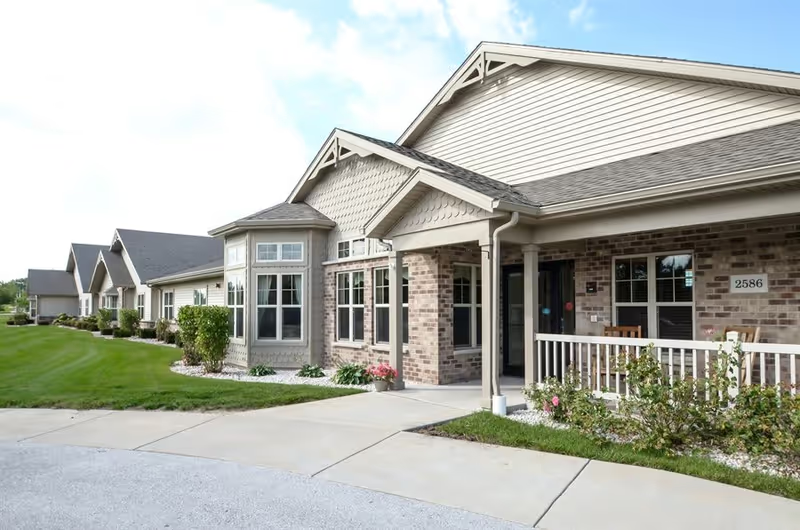
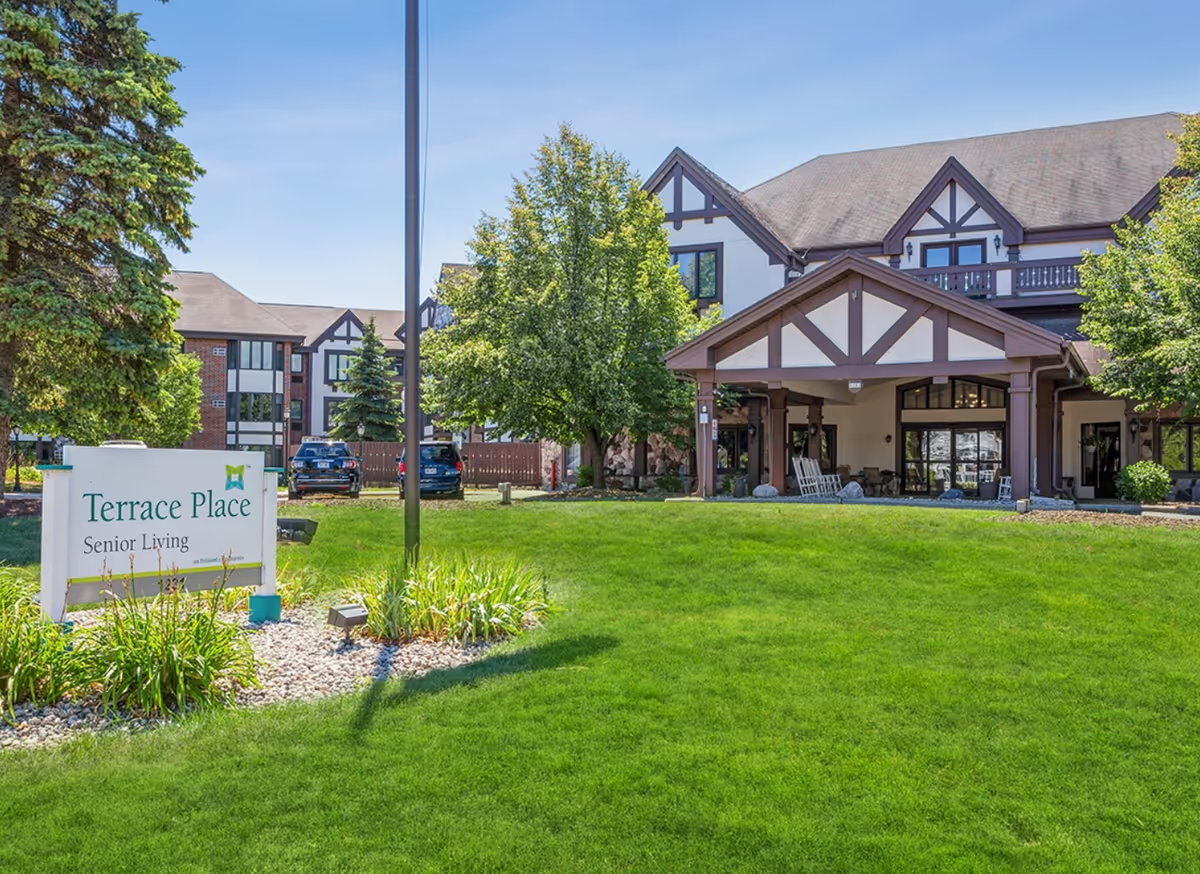
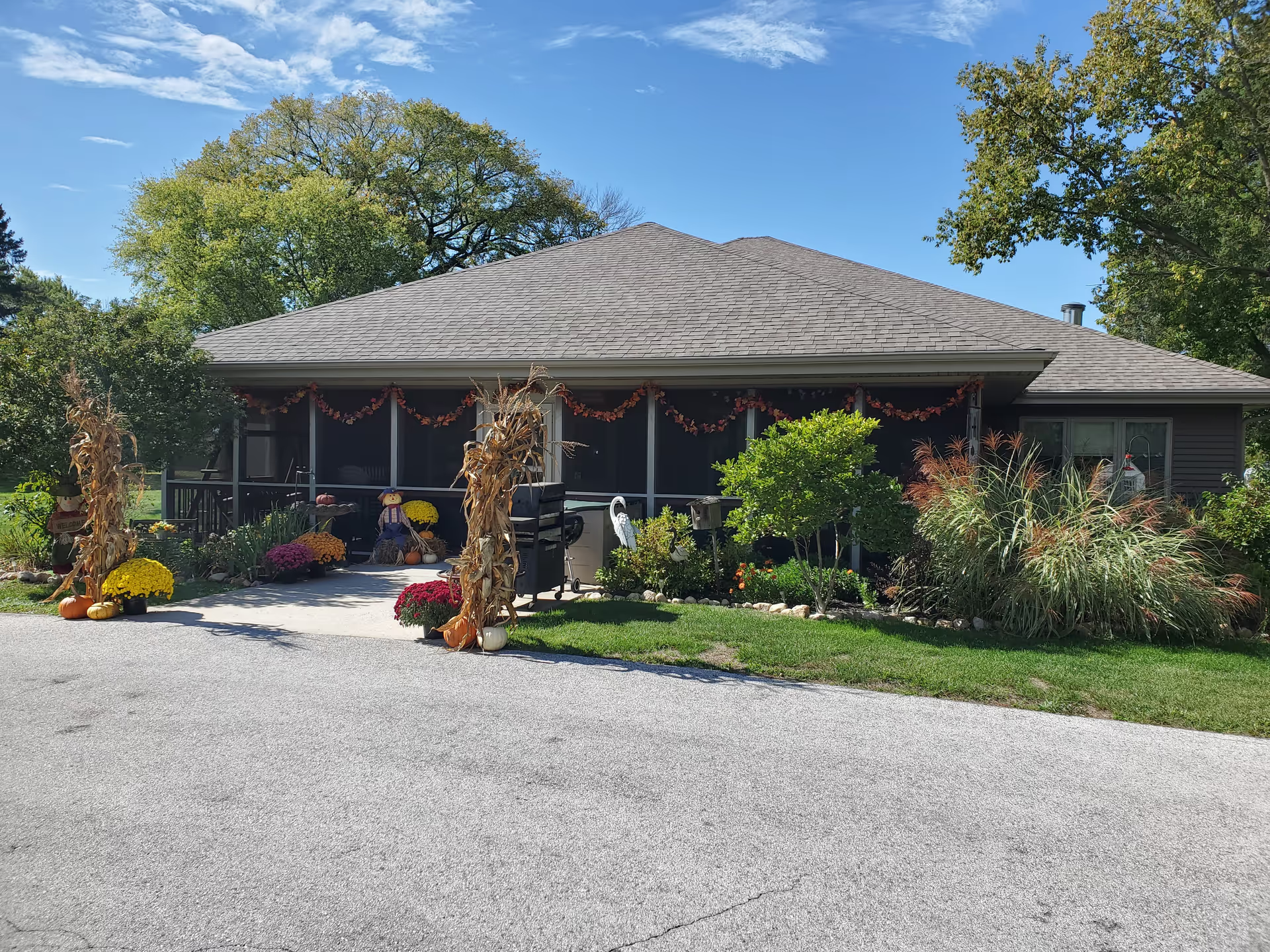
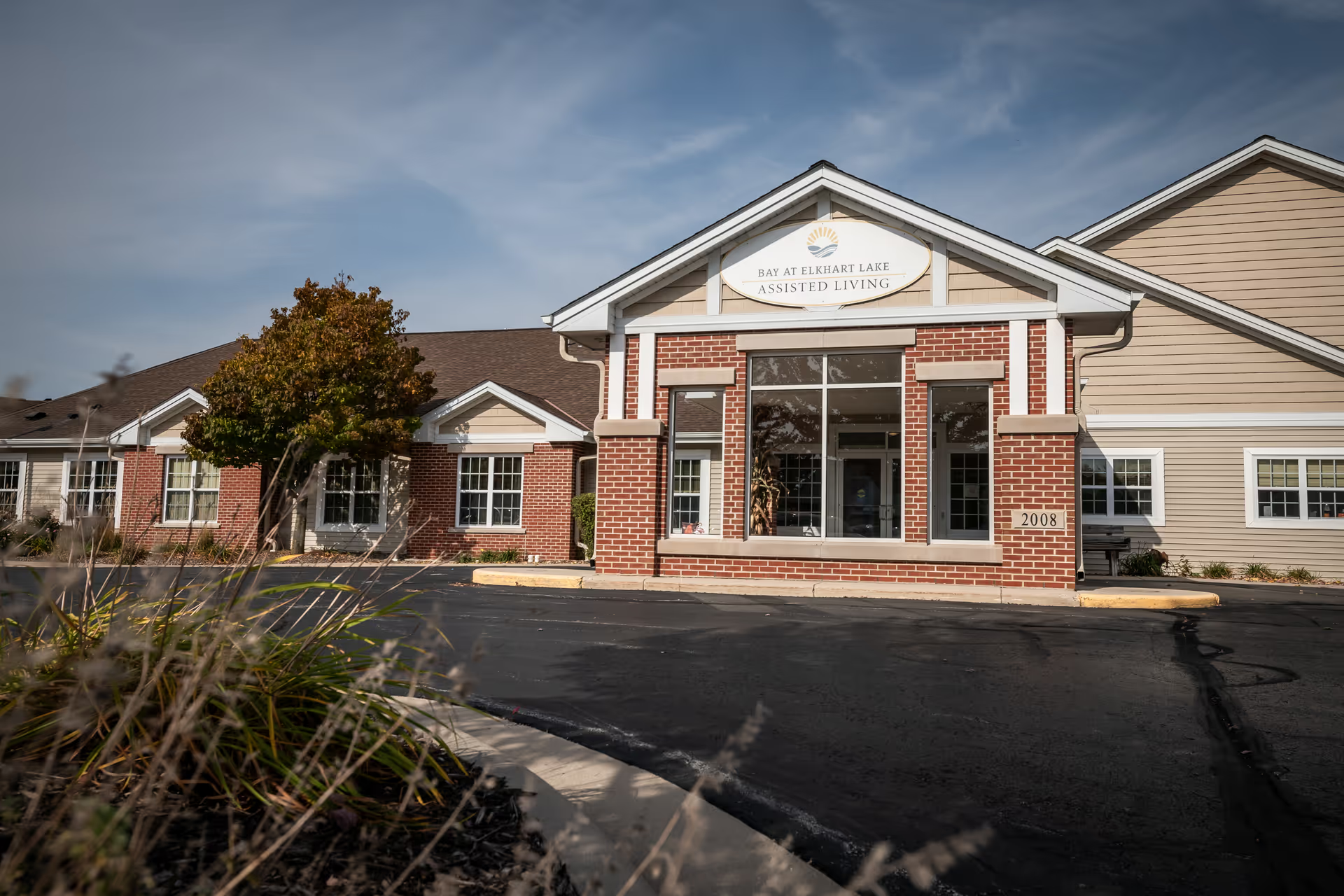
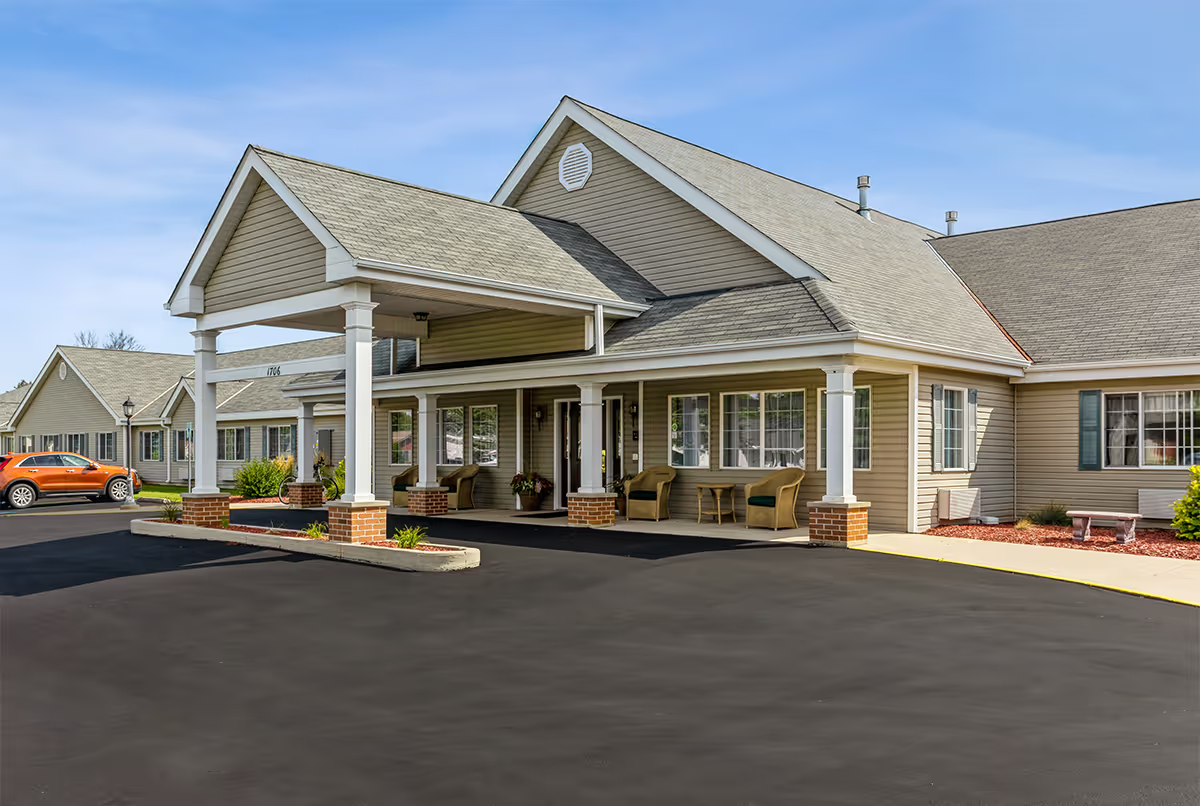
Facilities and amenities: The physical plant and grounds are consistently described as clean, attractive, and well maintained, with oversized private rooms and generous single-occupancy bathrooms. The exterior and communal spaces are welcoming and visually appealing, supporting a residential feel that aligns with the campus’s faith-based identity.
Management and governance: Management-related concerns form the most important negative theme. Feedback highlights weak front-desk coordination, gaps in administrative communication with families and clinical staff, and a perception that administrative practices can be inconsistent. There are serious, specific claims of unethical financial behavior and deceptive billing; these are characterized here as allegations that warrant verification through direct inquiry and, if necessary, regulatory review. Cost and access are also recurring issues: the community is viewed as expensive, with out-of-pocket pricing and an exclusivity tied both to financial means and to the facility’s religious orientation, which may affect fit for some families.
Notable patterns and guidance for prospective families: The community offers a high-quality physical environment and many examples of compassionate, skilled caregiving, particularly when staffing is stable and hospice partnerships are in place. Prospective residents and families should weigh the premium cost against those strengths and proactively evaluate administrative transparency, billing practices, and staffing stability. Recommended due diligence includes asking for staffing ratios and turnover metrics, observing meal service and activity periods, reviewing recent billing samples and contract terms, and speaking with current families about communication practices and continuity of care.