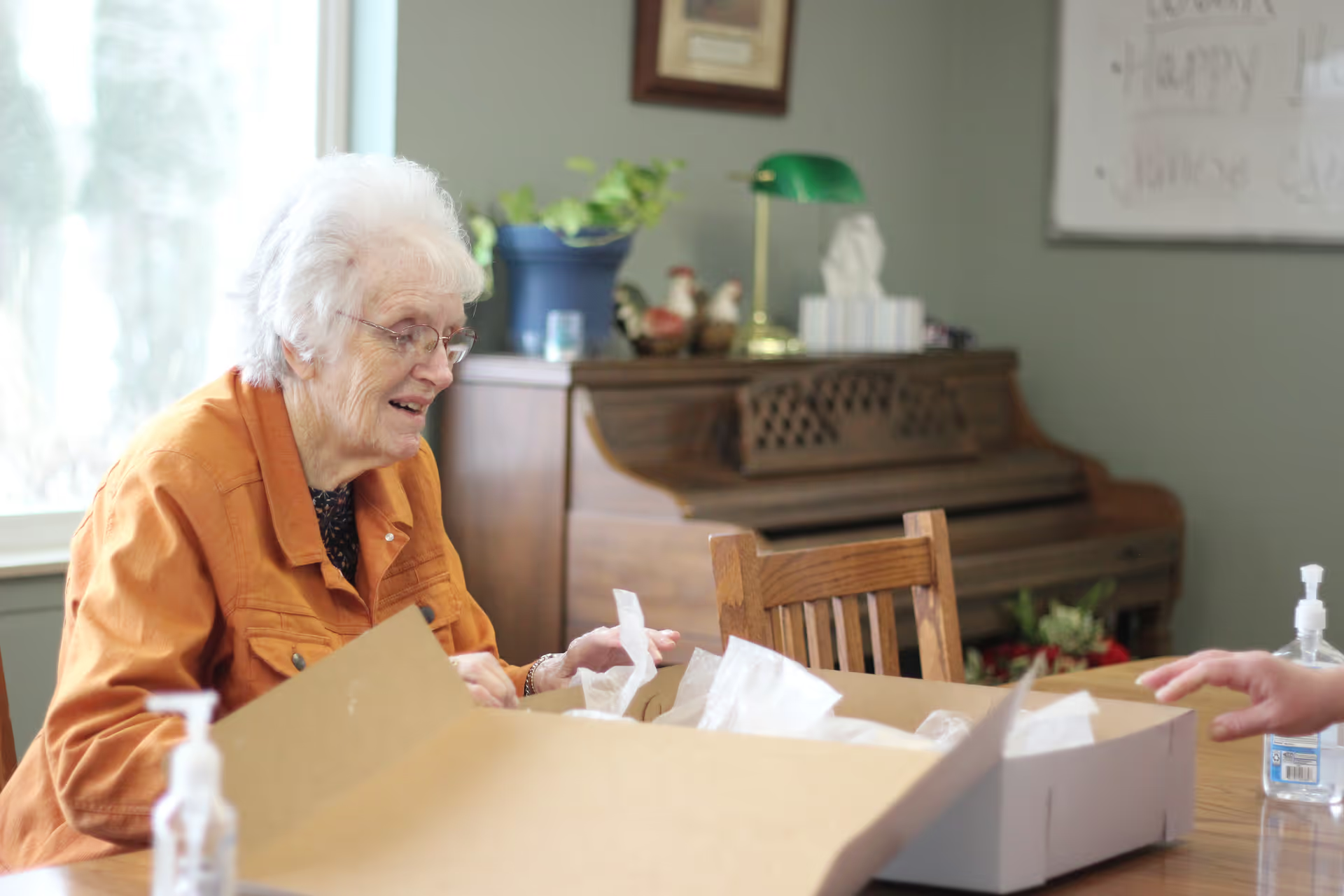
Overall impression: Reviews describe a facility with clear strengths in dementia-specific, relationship-driven care delivered in a small, home-like setting. Families consistently highlight compassionate, individualized attention, a high staff-to-resident ratio, and staff who take time to learn resident preferences and preserve dignity. The environment is frequently described as clean, warm, and intimate, with communal spaces used for family-style dining and activities that support improved mood, appetite, and social engagement.
Care and staff: Care quality is the most commonly praised attribute. Reviewers emphasize patient, affectionate interactions, staff willingness to go beyond baseline duties, and competence with memory-loss behaviors. Therapy and activity offerings — including dementia-awareness training such as virtual-dementia experiences — were noted as contributing to better resident engagement and reduced anxiety. At the same time, there are operational concerns that temper the praise: families described periods when caregiver availability felt strained and cited inconsistencies in medication timing and in completion of routine personal-care tasks. These point to variability in day-to-day staffing coverage and task follow-through rather than an absence of caregiving skill.
Dining and activities: Dining is often framed positively — a dedicated chef, healthy menus, and family-style meals were repeatedly mentioned as enhancing the homelike feel. Several reviewers described specific positive moments around meals and a return of appetite for residents. However, there are accounts indicating occasional kitchen-staffing gaps that affected meal-service continuity and consistency of food quality, suggesting that culinary staffing and contingency planning are areas to verify during a tour.
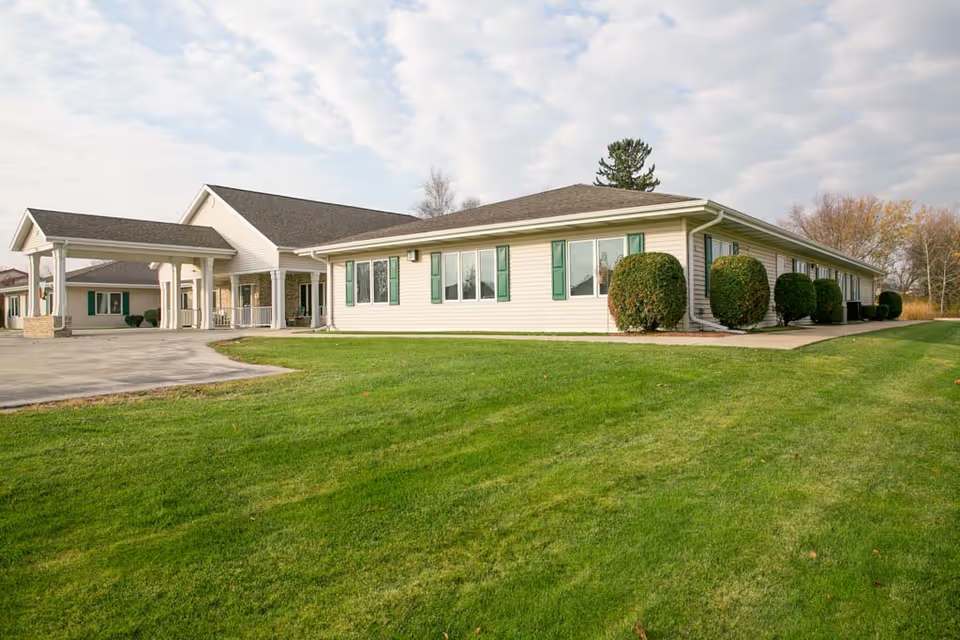
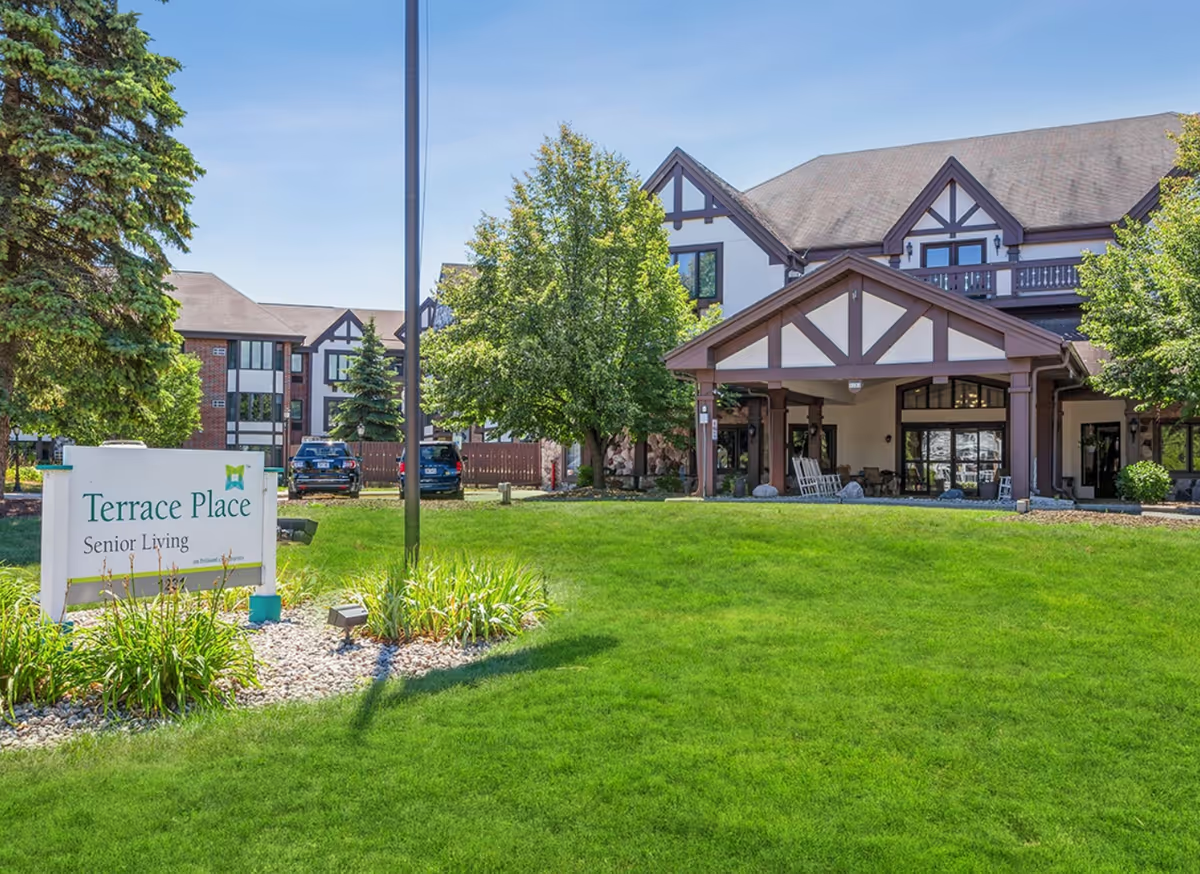
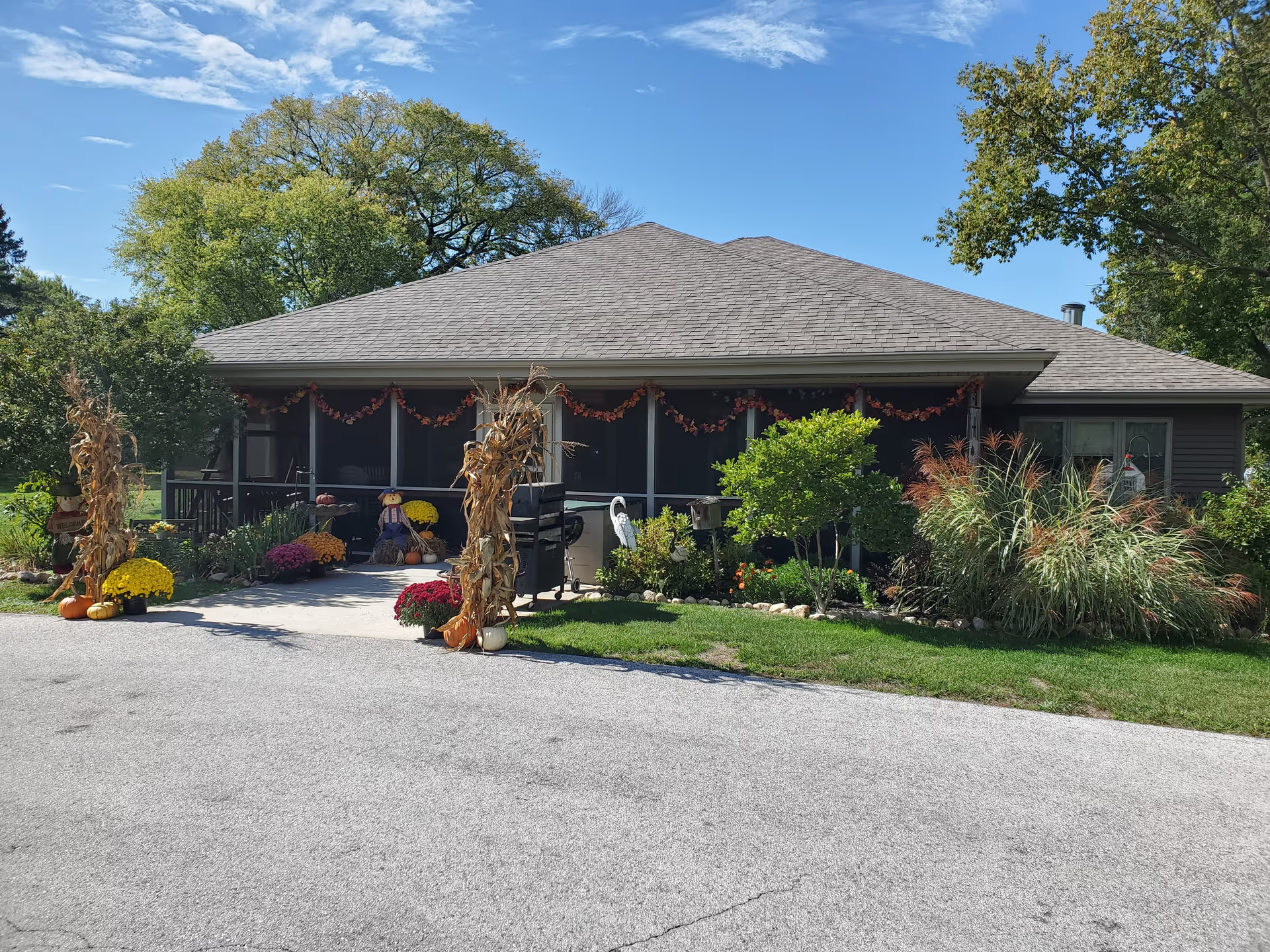
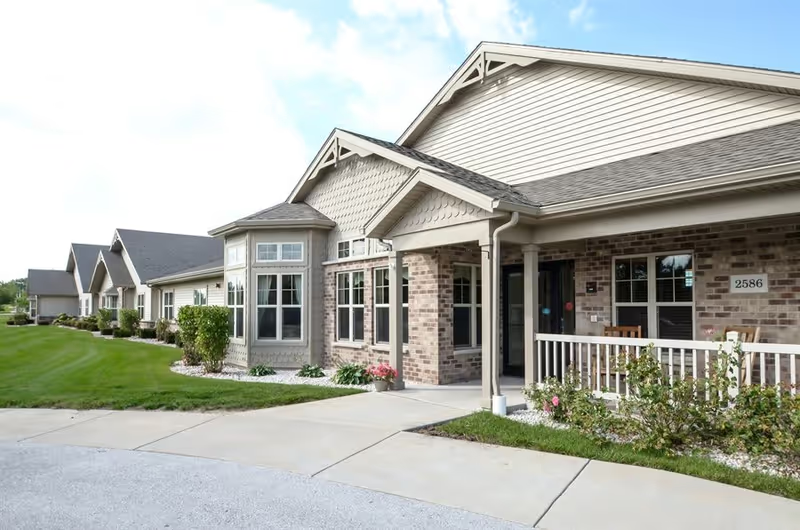
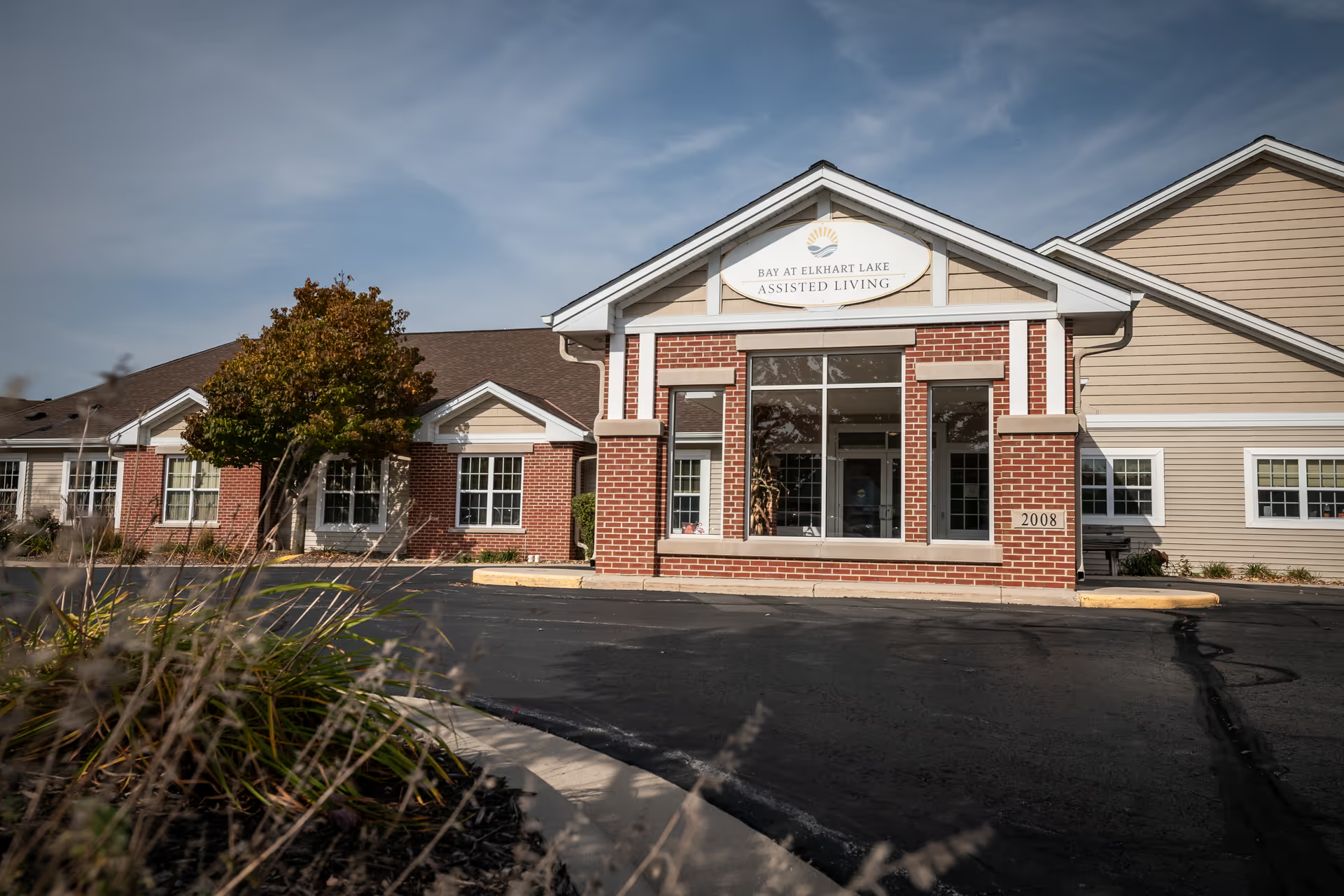
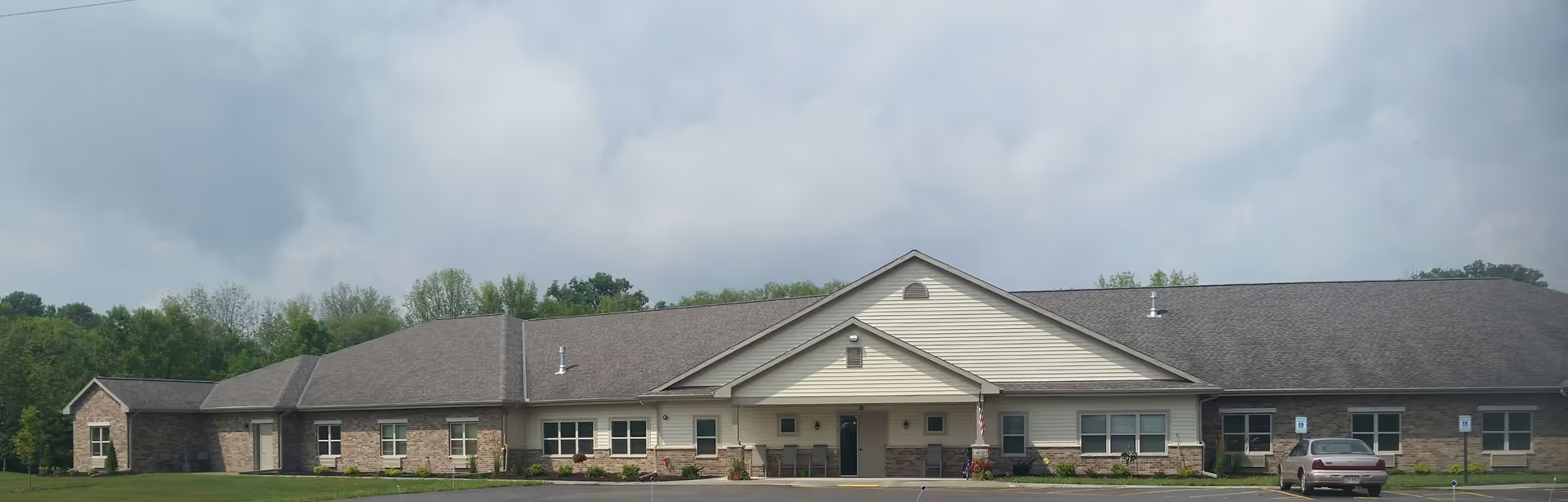
Facilities and cleanliness: The facility’s physical setting is described as modest but well maintained, with large, clean common areas for meals and activities, some rooms offering private bathrooms, and seasonal decorations that contribute to a home-like atmosphere. Sanitation and housekeeping are generally praised, though a few comments indicate cleaning staffing constraints that can pull caregivers away from direct care tasks. Prospective families should assess whether housekeeping resources are sufficient to the household’s expectations.
Management and notable operational patterns: Leadership has been a mixed signal in the reviews: several families praised executive-level engagement while others described turnover and changes that affected the facility’s personal touch and continuity. Related operational patterns include uneven staffing coverage, occasional lapses in medication-administration timing, and gaps in incident-response and family-communication processes. There are also concerns about property-security and financial-accountability procedures that families flagged as important to clarify. These issues appear to reflect organizational and procedural vulnerabilities rather than uniform care deficits.
Recommendation and practical next steps: For families prioritizing dementia expertise, warm individualized caregiving, and a small-community environment, this facility shows many important strengths. However, prospective residents and families should explicitly evaluate operational controls before moving forward. Useful questions include: current staff-to-resident ratios by shift, medication-administration protocols and auditing, emergency and incident-reporting procedures (including family notification practices), kitchen staffing contingency plans, housekeeping staffing levels, and policies regarding resident belongings and billing/refunds. Asking to speak with the current executive director and caregivers on duty, and requesting documentation of recent staffing patterns and incident-response policies, will help determine whether the facility’s clinical strengths are matched by reliable operational systems.