Overall impression: Reviews convey a mixed but actionable picture. Many families emphasize a warm, family-like culture and describe caregivers as personable, attentive, and willing to go beyond basic duties. The community offers 24/7 caregiving coverage, memory-care services, trial stays, and complimentary transportation to medical appointments — features that are attractive to prospective residents seeking continuous support and medical-access convenience. Facilities and common areas are frequently described as well maintained, and activities programming receives consistent praise for engagement and variety.
Care and staff: Strengths include a core of staff described as caring, professional, and responsive; several families say staff foster resident well-being and that the community can feel welcoming on tours. At the same time, there are recurring concerns about staff communication style and interpersonal skills, particularly in interactions with older adults and family members. There are also serious operational concerns raised about medication handling and clinical safeguards, including examples that point to gaps in how medications and medical equipment are secured and monitored. Prospective families should confirm clinical protocols, medication-administration procedures, and oversight mechanisms during their evaluation.
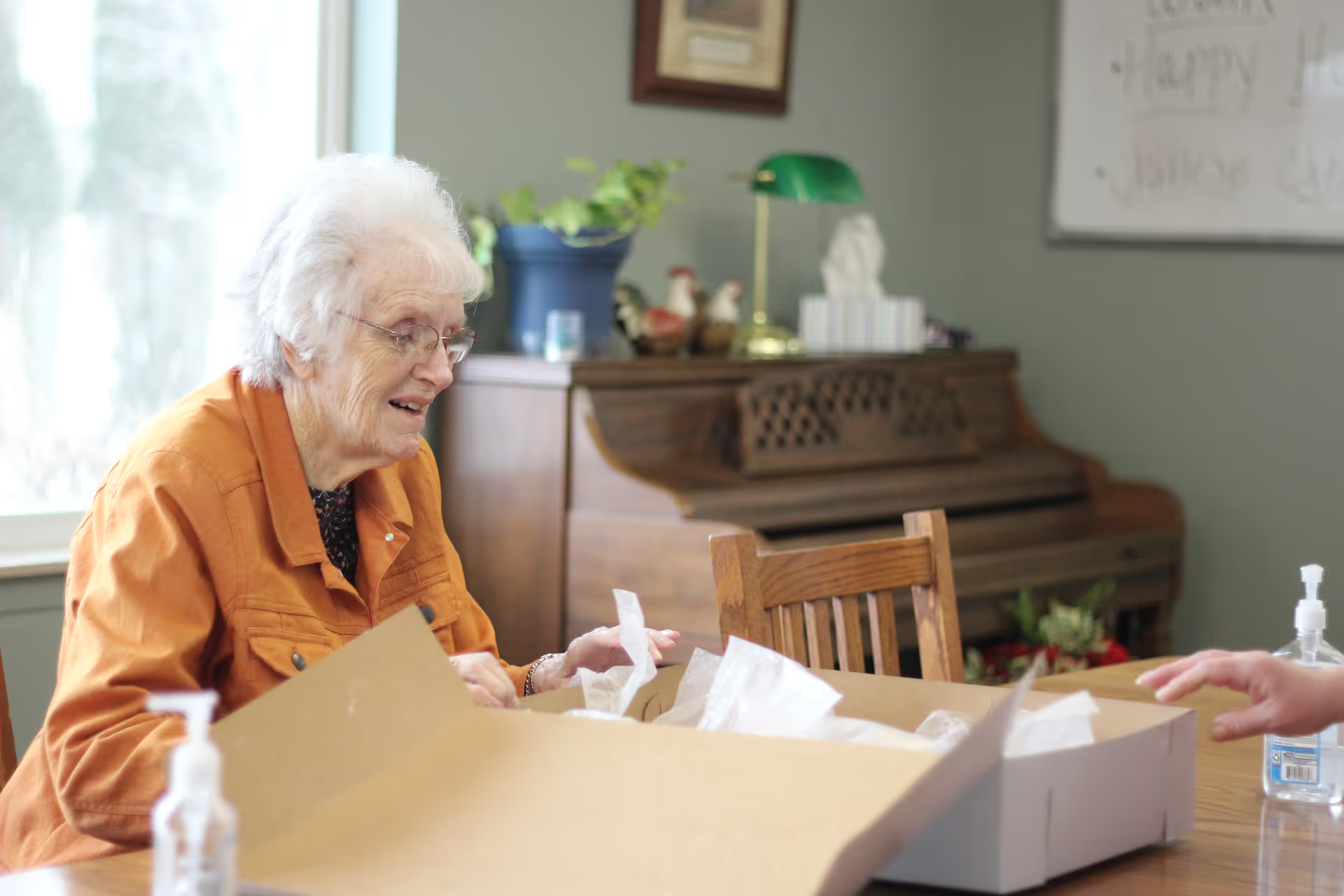
Dining, activities, and daily life: Dining and activities are generally seen as positive elements: reviewers note good meals and an active schedule. However, some accounts indicate the facility does not consistently accommodate dietary restrictions, suggesting a need to verify how special diets and meal modifications are handled. Activities programming and the community atmosphere are frequently cited as strengths that contribute to quality of life.
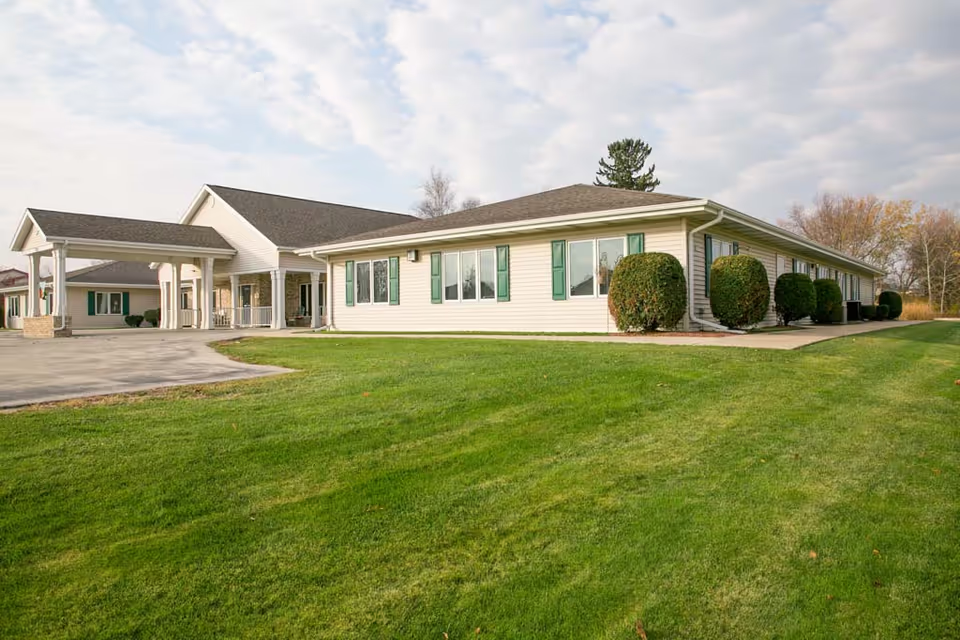
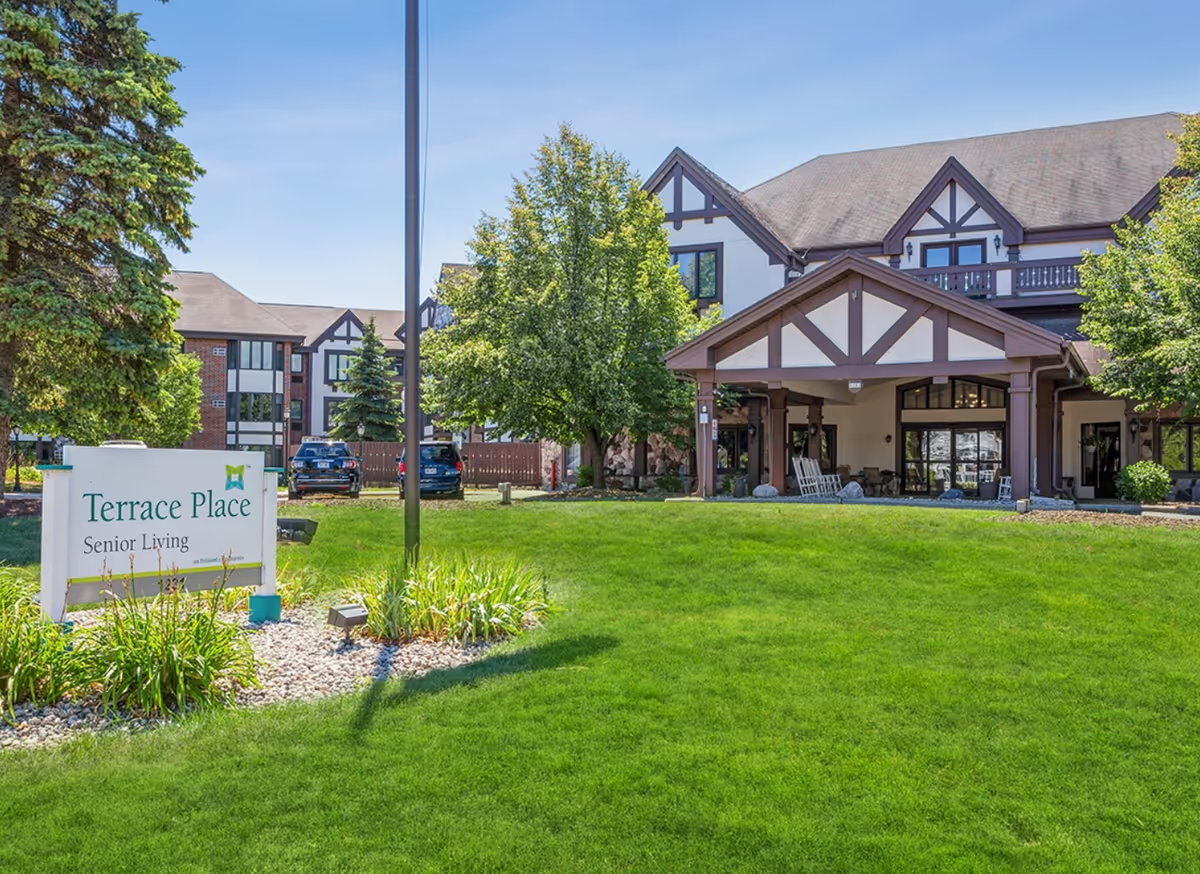
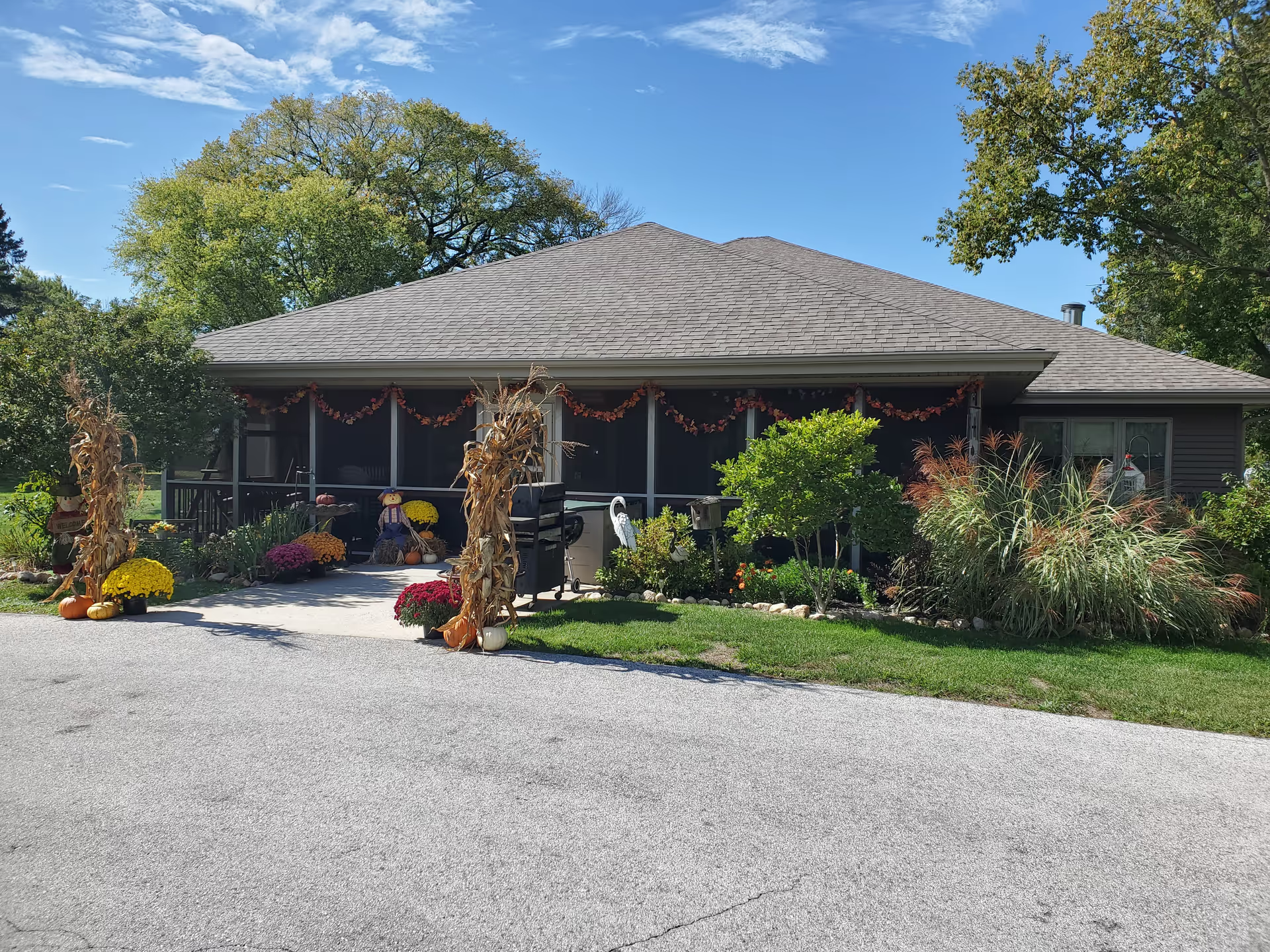
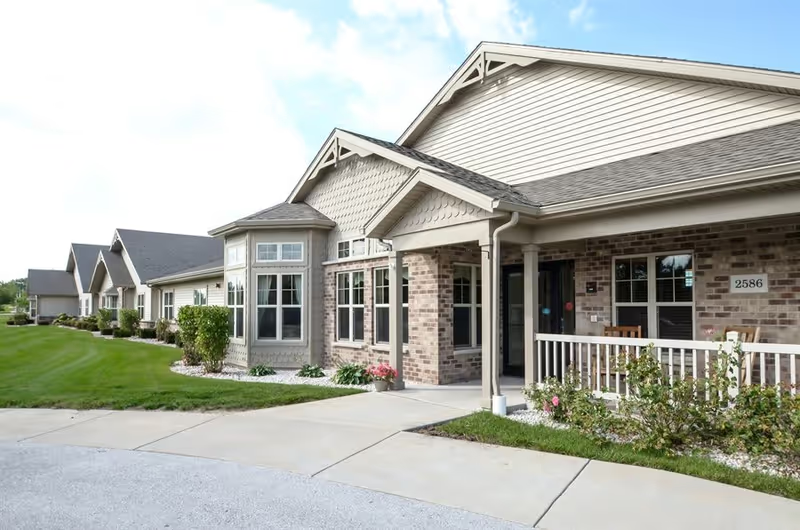
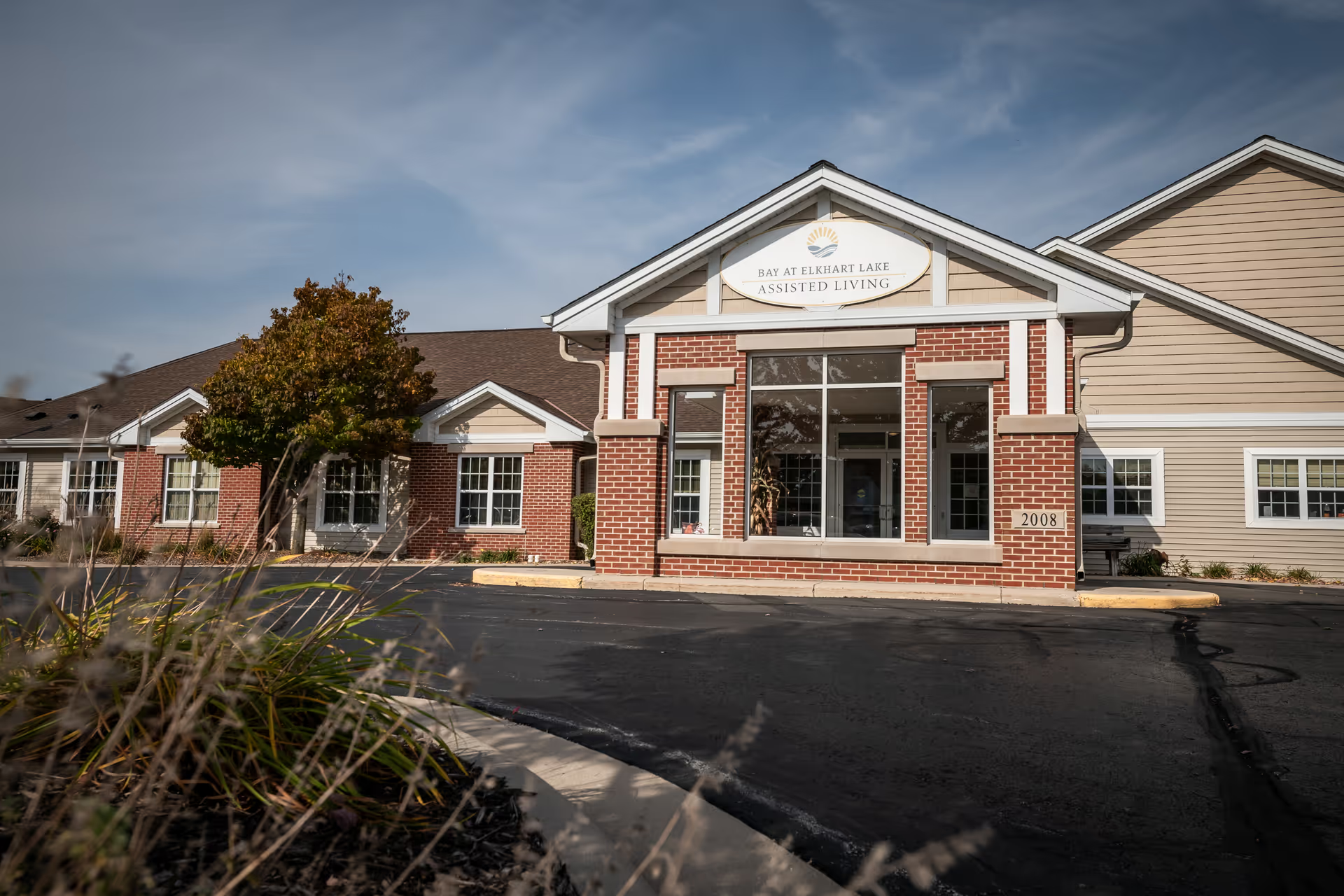
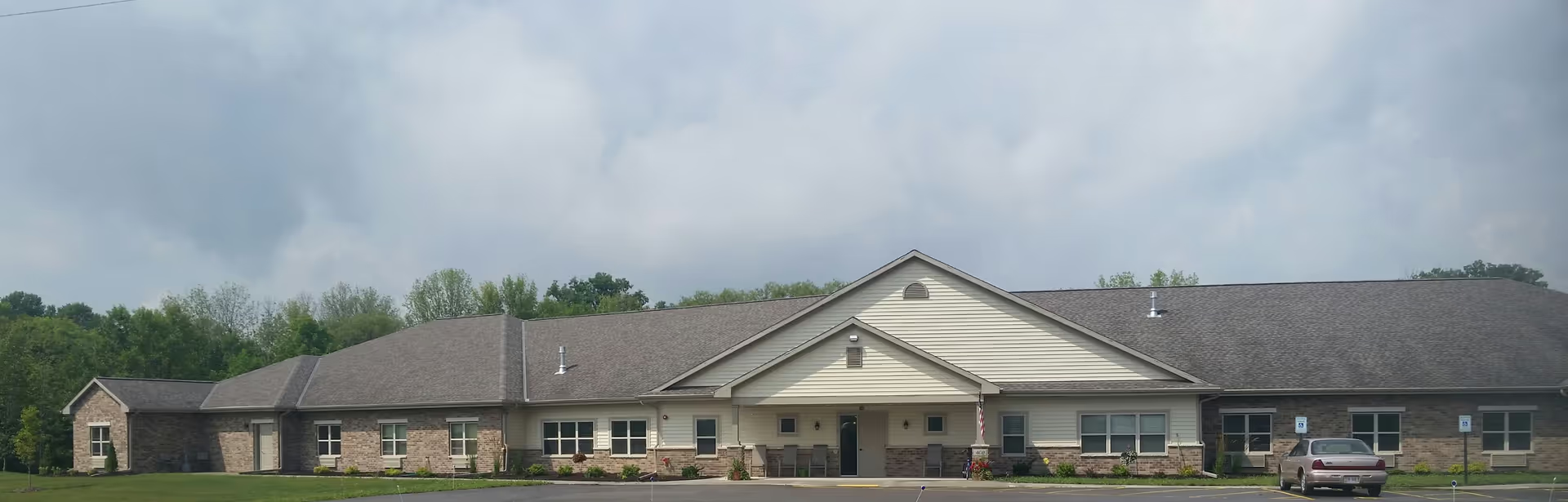
Facilities and operations: The physical campus is described as clean and well kept by multiple reviewers, but there are operational gaps to consider. Housekeeping and room-turnover practices appear inconsistent for some families, and tracking of personal belongings has been identified as an area needing improvement. Safety features are present but limited in scope — reviewers note that safety-alarm coverage is not comprehensive throughout the building. Unit options are constrained (primarily studio configurations), and there are extra charges tied to off-site outings or additional transport beyond the complimentary medical rides.
Management and consistency: Several reviewers describe a recent change in leadership with positive effects: improved organization, staffing support, and a more welcoming environment under the new administrator. Conversely, other families cite dismissive management attitudes and weak accountability when concerns arise. This variability suggests leadership stability and complaint-resolution processes are uneven; prospective residents should ask about turnover, escalation paths for concerns, and any recent corrective actions or inspection results.
Notable patterns and recommendations: The strongest, consistent positives are the community atmosphere, engaged activities, and caregivers who are described as compassionate by many families. The most consequential negatives involve clinical operations (medication and equipment safeguards), staff communication tone, and inconsistent housekeeping and personal-property controls. Because reviews describe both meaningful improvements under new management and persistent operational weaknesses, families should perform targeted due diligence: tour with a focus on clinical protocols and safety features, request written policies on dietary accommodations and medication administration, ask about staffing ratios and turnover, and verify fee structures for outings and housing availability. Doing so will help determine whether the community’s strengths align with a prospective resident’s care priorities and risk tolerance.