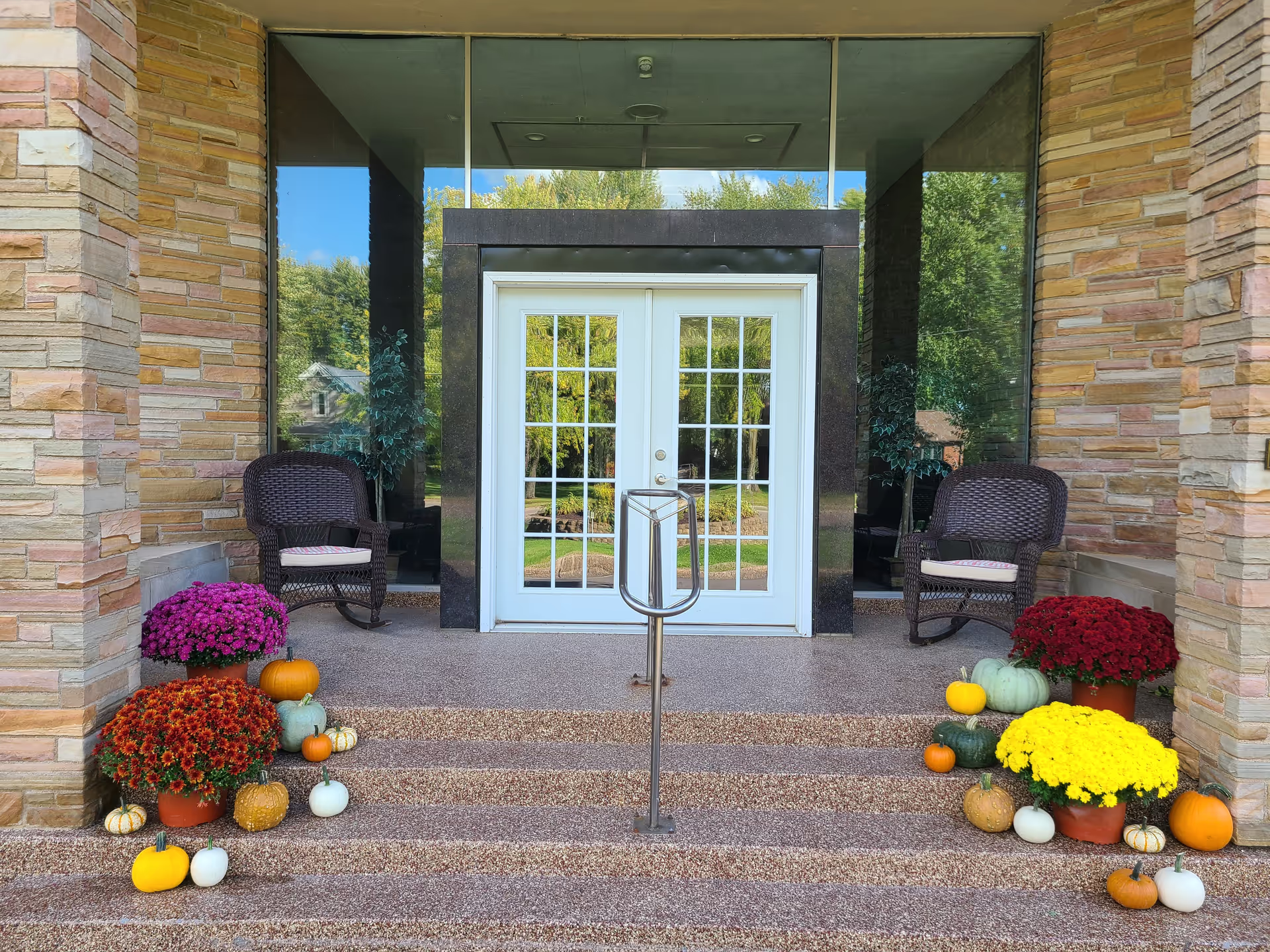
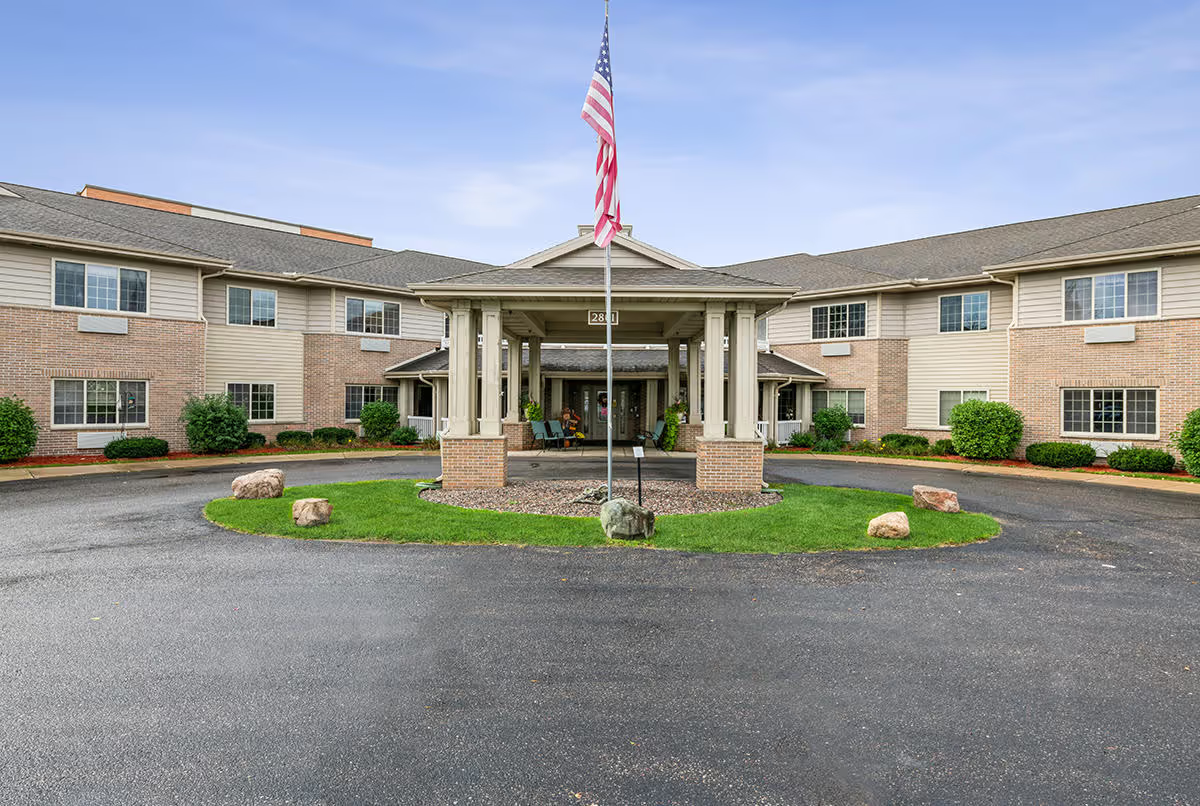
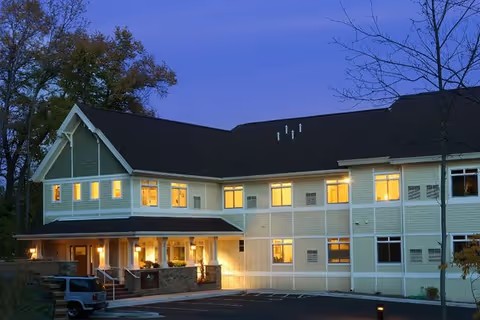
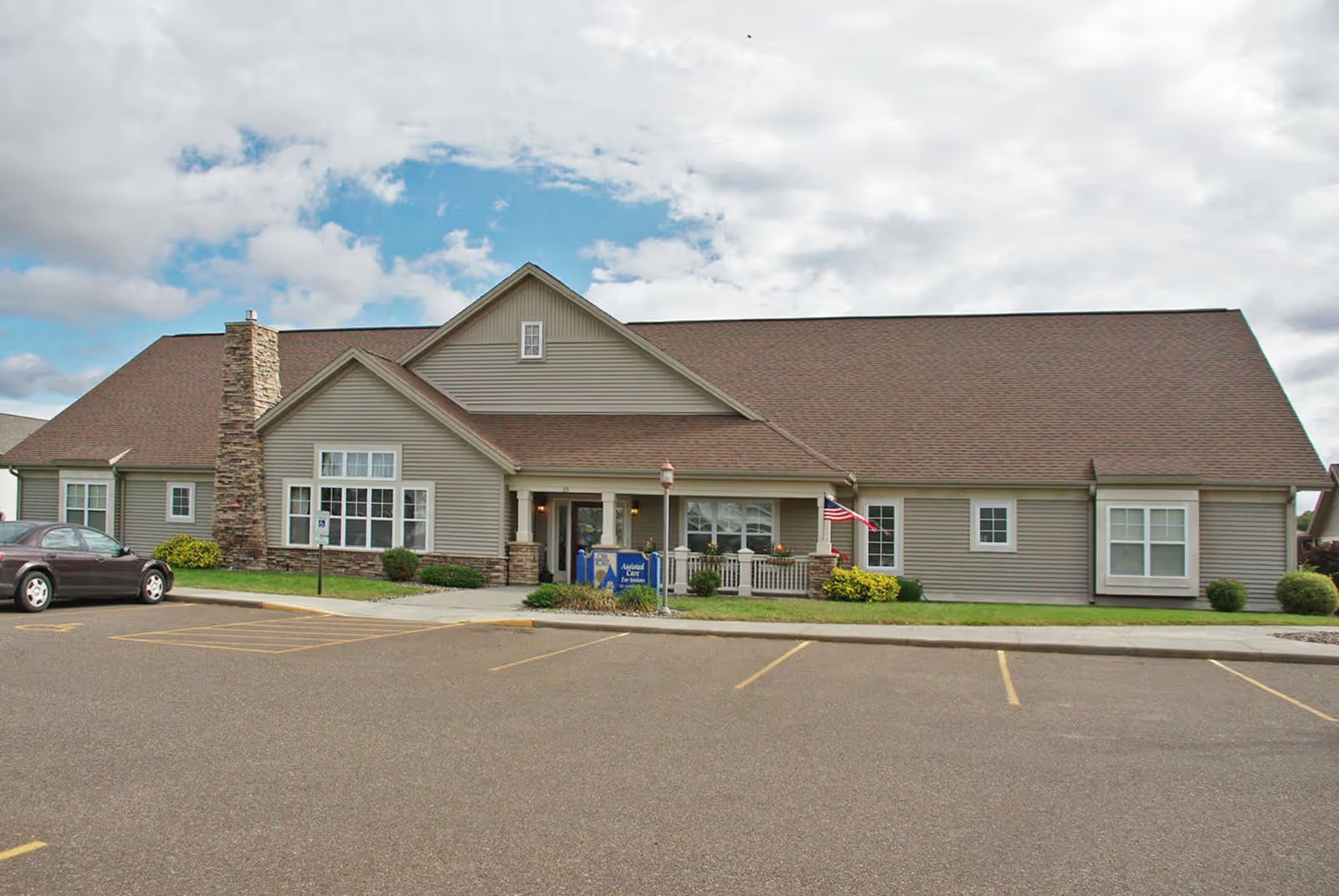
The reviews show a mixed picture of Country Terrace of Wisconsin with distinct strengths and clear areas of operational concern. Positive comments emphasize a small, home-like community with clean apartments, secure door locks, and well-maintained outdoor areas. Several families described staff who are diligent, kind, and personable, with staff that provide regular family updates and a style of care described as family-oriented. Pricing is viewed as competitive versus alternatives, and some reviewers cited an engaged director and staff who bring new ideas to the community.
Care quality appears uneven. Many reviewers praised attentive caregivers and individualized attention, while others raised concerns about lapses in supervision and responsiveness. Themes include delayed or inconsistent assistance during transfers and concerns about monitoring that can affect resident safety. There are also notes about inconsistent documentation and communication practices, which contributes to uncertainty about how clinical or behavioral changes are tracked and shared with families.
Staff performance is presented as variable: several reviews describe friendly, helpful employees, whereas others describe inattentiveness, time spent on personal devices, and frequent unscheduled breaks that reduce staff availability. This variability suggests differences across shifts or personnel rather than a uniformly consistent staffing model. Management impressions are likewise mixed — some accounts describe a motivated, innovative director, while others characterize leadership as less engaged; this points to possible inconsistency in managerial oversight.
Dining and daily-life programming receive specific criticism. Reviewers cited limited activity offerings and low resident interaction, as well as minimal snack availability between meals. These comments indicate the facility may have a limited or inconsistently delivered social and ancillary food program rather than a sustained, varied activity schedule and flexible dining options.
Facility-level assets include cleanliness, a compact community scale that can support personalized relationships, and visible security features such as locked apartment doors. At the same time, a subset of reviewers expressed that the memory-care capability is not suitable for certain residents, suggesting the facility may be better matched to individuals with milder memory impairment or those who do not require intensive memory-care services.
Notable patterns: the reviews are polarized, with families describing both high-quality, family-style care and, in contrast, episodes of inattentiveness and supervision gaps. Prospective residents and families should evaluate staffing ratios and shift consistency, ask about supervision and transfer-safety protocols, review activity schedules and snack/dining policies, and clarify the facility’s memory-care capabilities and documentation/communication procedures. An in-person visit observing staff–resident interactions across different times of day and direct questions about incident response and family-notification practices would help assess how well this community will meet a specific resident’s needs.