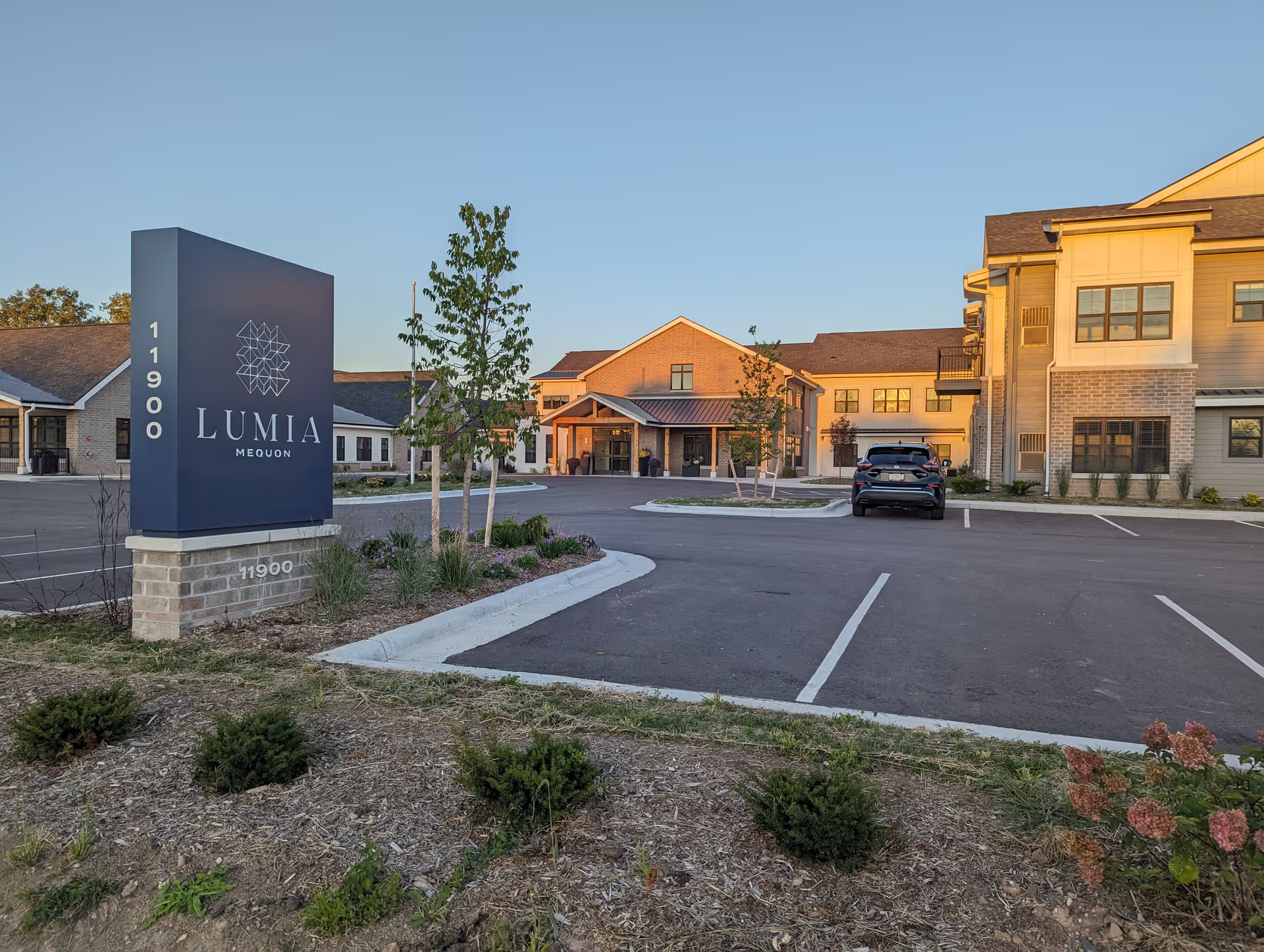
Overall impression: New Perspective Senior Living - Mequon is described by families as a generally pleasant, homelike community, particularly in its small-cottage memory-care setting. Many comments highlight friendly, helpful caregivers and a quiet, well-maintained campus; the community is noted to accept Medicaid and family-care programs and to offer perceived good value for cost. At the same time, reviewer input is mixed and identifies operational inconsistencies that are important for prospective families to consider.
Care and staff: Reviewers frequently emphasize warm, responsive staff who helped residents settle and who answered family questions. That said, there are recurring concerns about inconsistent assistance with activities of daily living (personal hygiene and related support). Several families described situations that suggest variable staff attentiveness and supervision; these reports underpin a broader pattern indicating that the community is better suited to residents with mild-to-moderate needs than to those requiring more intensive, high-dependency care. Some families also reported fall incidents and expressed that notification and follow-up after such events were not always timely.
Activities and dining: Activity programming receives mixed feedback. Some reviewers praised an active calendar and varied social options, while others found the schedule light or limited, and noted a mismatch between the resident population and the types of programming offered. Dining was not widely discussed in the available comments; there is insufficient consistent information to assess meal quality or service reliability across the community.
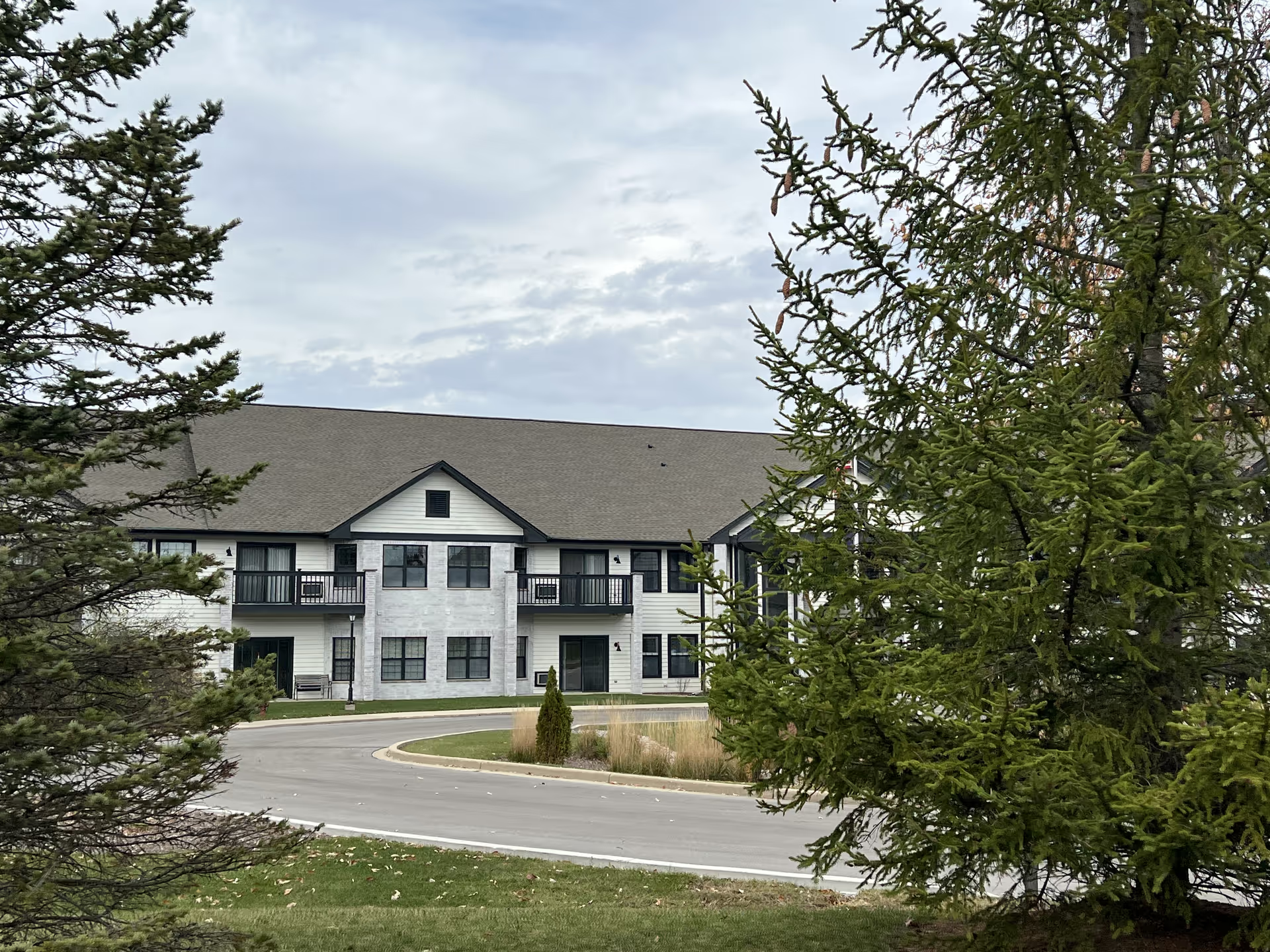
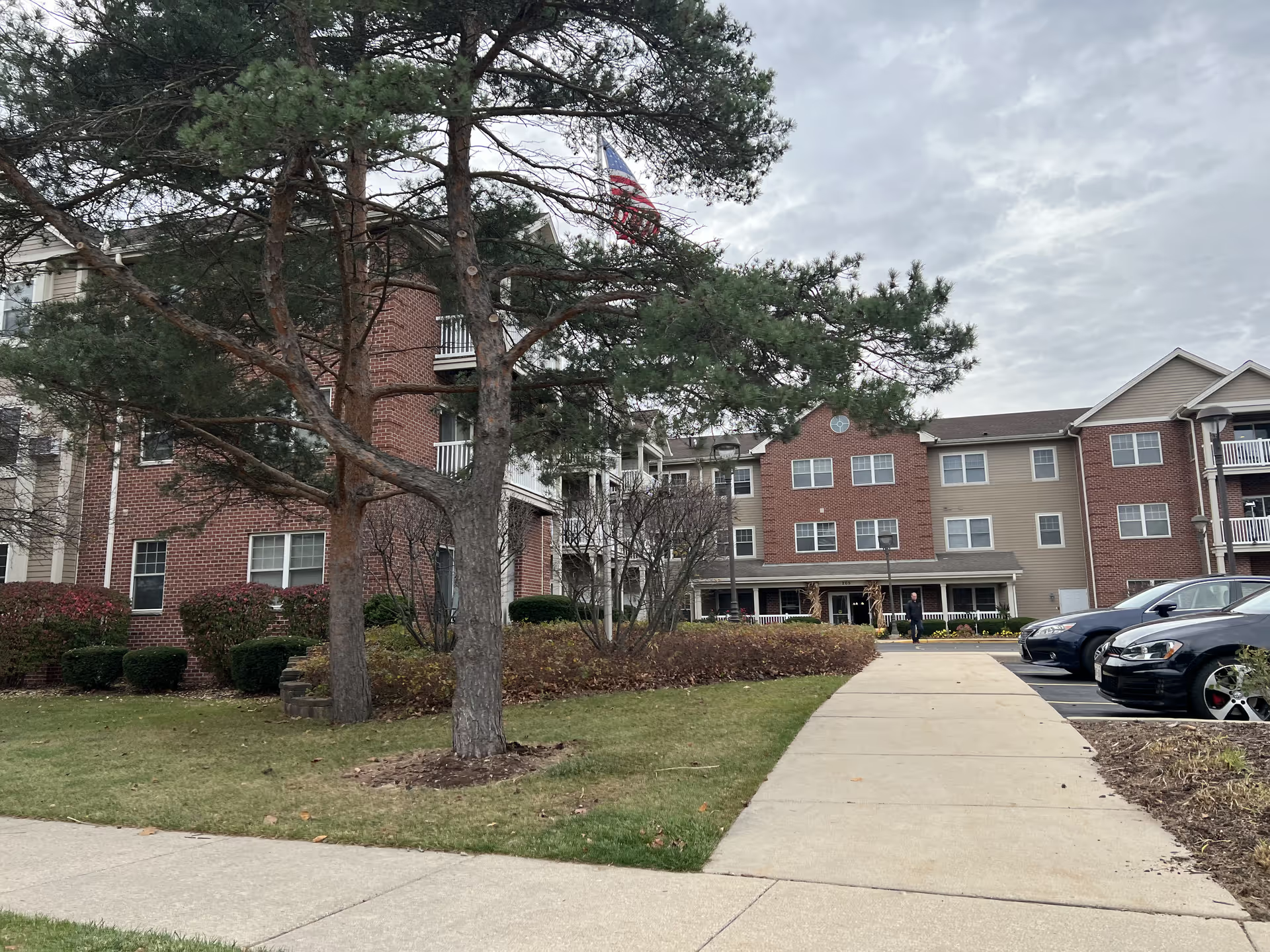
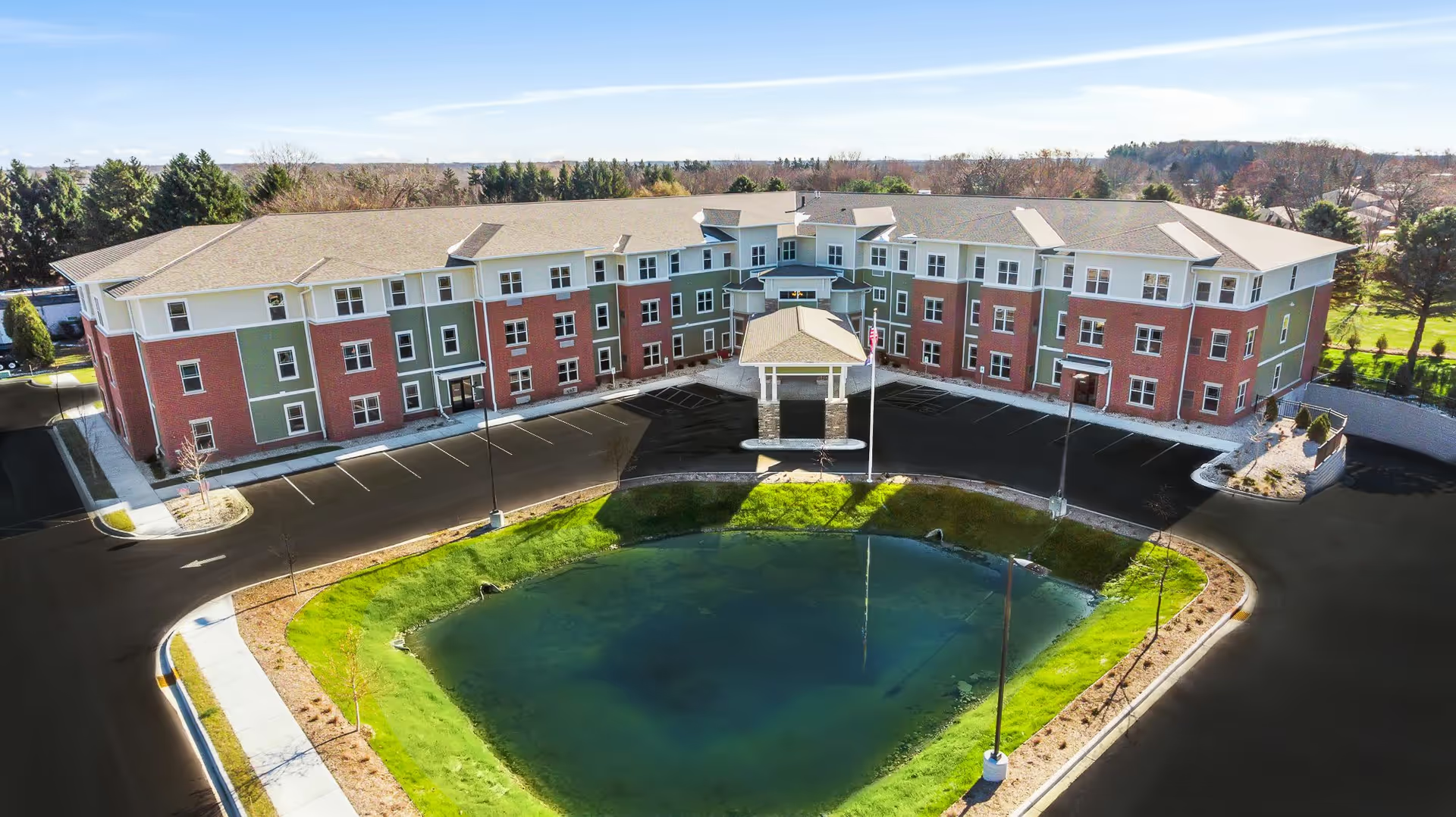
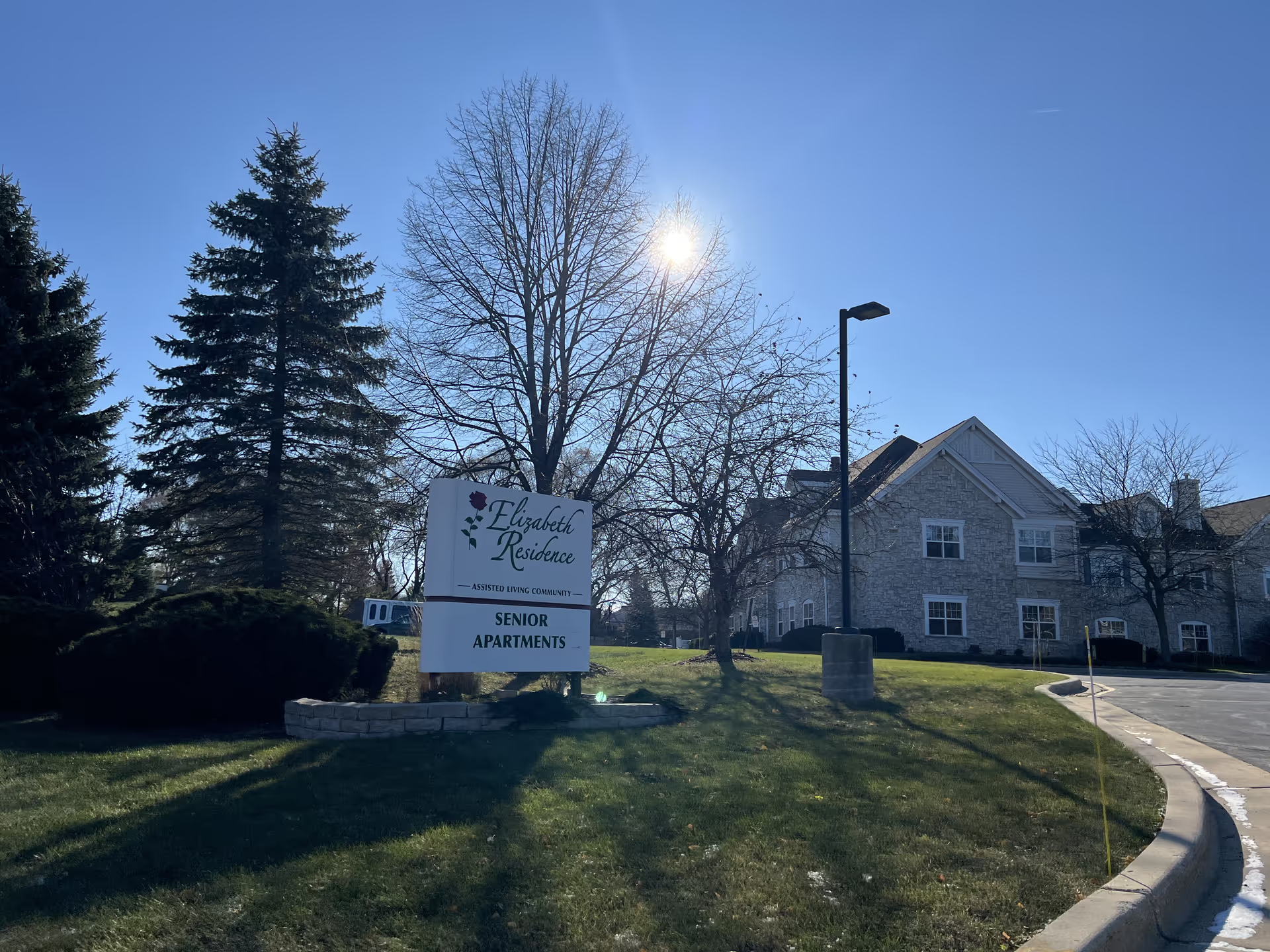
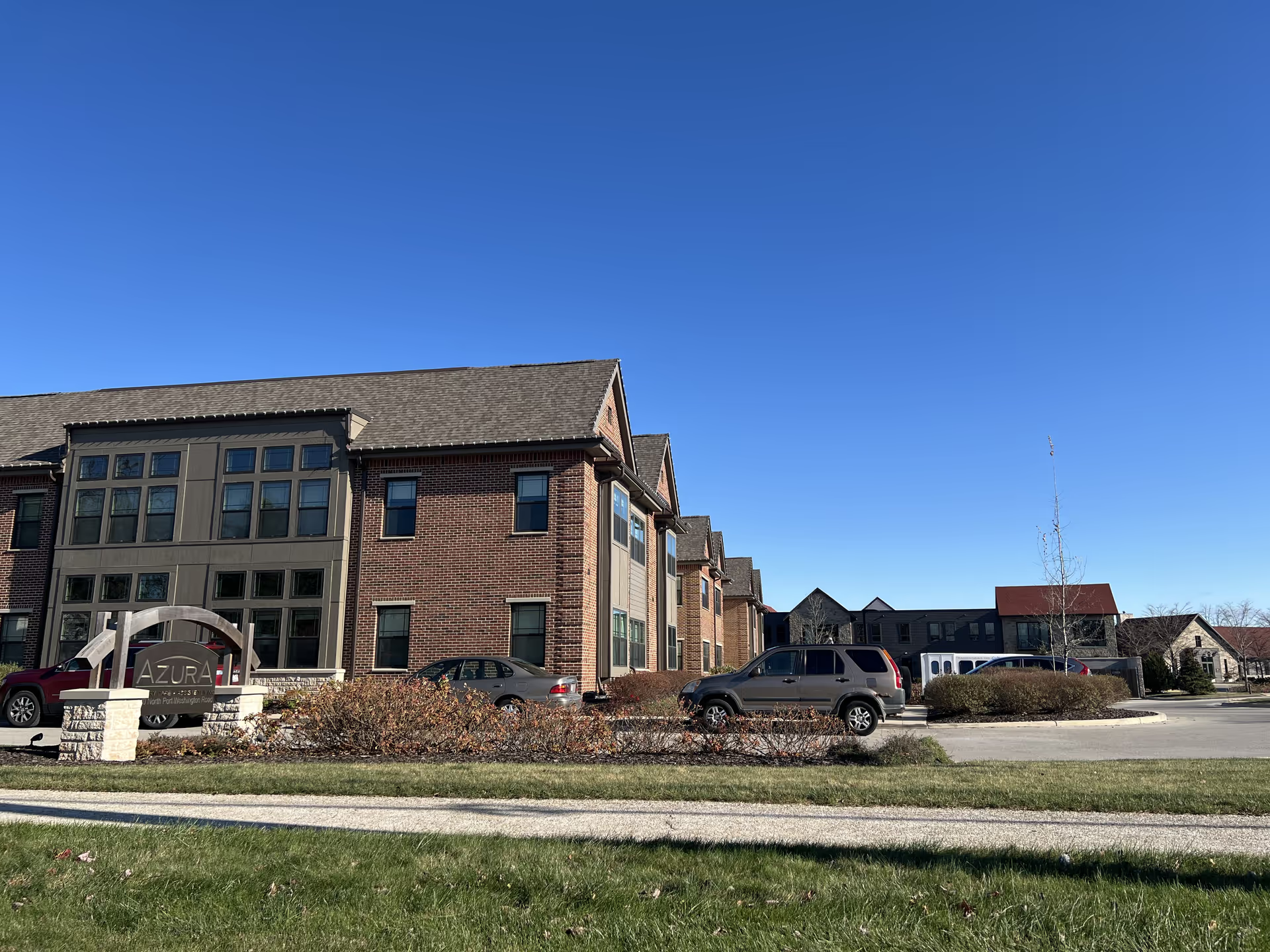
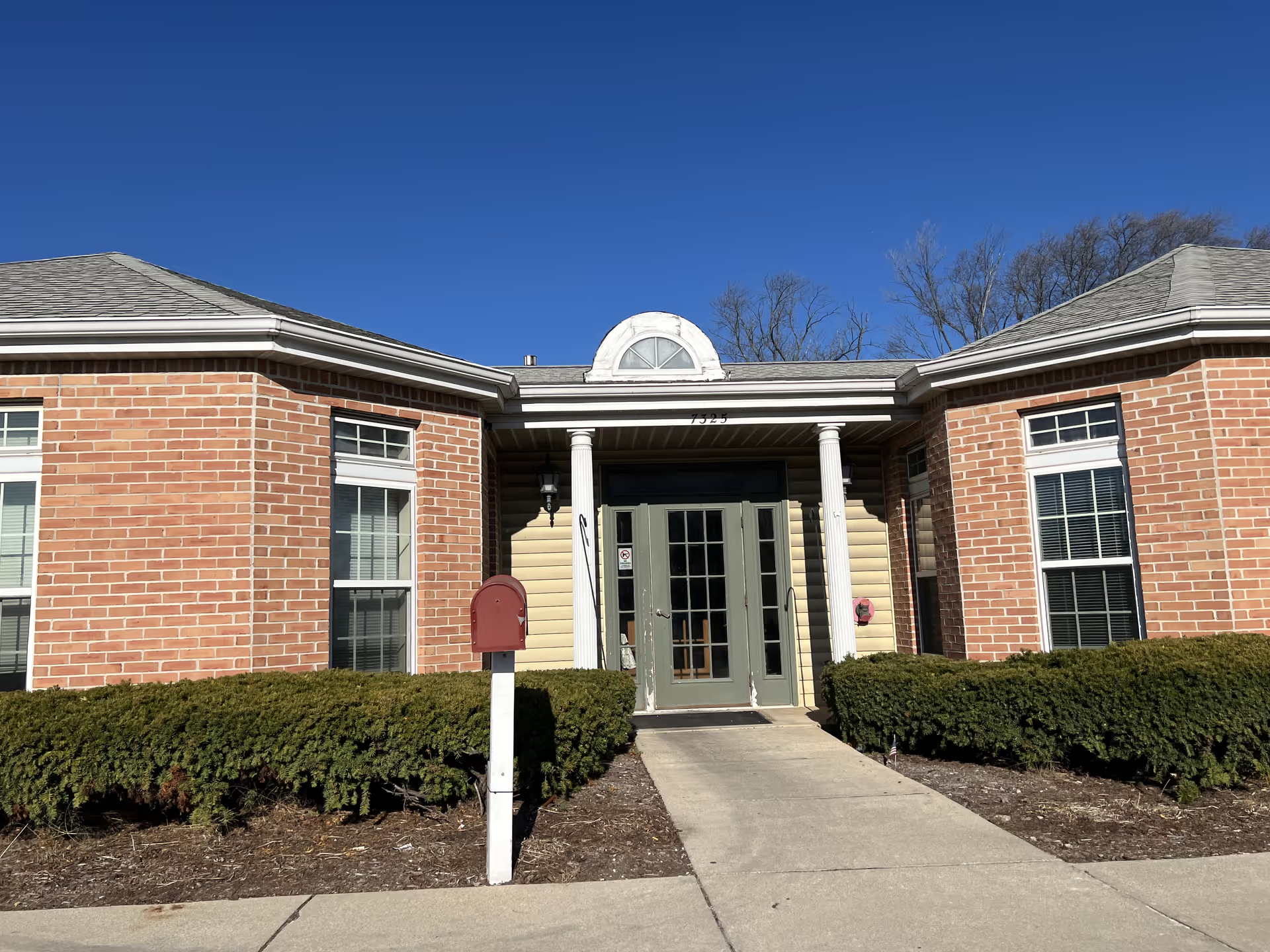
Facilities and housekeeping: Many reviewers described the facility as clean, quiet, and well maintained in common areas, and several appreciated the homelike cottage model for memory care. Counterbalancing that, some families reported housekeeping lapses in resident rooms and on floors, and described sanitation or hygiene-care concerns in specific instances. These mixed signals suggest uneven execution of environmental services rather than a uniformly poor or uniformly excellent maintenance program.
Management and communication: Experiences with leadership and follow-through vary. Some families said management was receptive and made accommodations when concerns were raised; other accounts point to recent management changes, inconsistent follow-up on family concerns, and gaps in communication after clinical incidents. Overall, the pattern suggests variable consistency in administrative responsiveness and issue tracking.
Notable patterns and fit: The community appears to be a good fit for residents who benefit from a homelike memory-care environment or who have lower to moderate care needs and value a friendly staff and active social programming. Families of more dependent residents should carefully assess staffing levels, supervision practices, incident-notification procedures, and the facility's demonstrated capacity to meet higher-acuity needs before placement. Prospective families may want to request recent housekeeping logs, incident-response policies, activity schedules by cottage/unit, and speak directly with current family members to verify consistency across those operational areas.