Wausau Manor Health Services elicits a mixed set of impressions. Positive accounts emphasize effective short-term rehabilitation, with several therapists and therapy programs singled out for facilitating measurable progress after surgery or injury. Individual nursing and support staff members are frequently described as caring and committed, and some families credited recent management changes with active hiring and improvements that made late-stage or palliative stays more comfortable. Activity programming and planned meals were also noted as strengths by multiple families.
At the facility level, reviewers consistently point to staffing and responsiveness as the most prominent operational concerns. There are repeated descriptions of delayed responses to call lights and requests for assistance, long waits for toileting and hygiene support, and instances of missed or late medication administration. These patterns suggest staffing levels and workforce stability — including reliance on agency personnel — are affecting day-to-day care continuity and timeliness.
Clinical monitoring and safety processes also emerge as areas needing attention. Some families described delayed recognition of acute changes in condition and concerns about safety-related maintenance (for example, environmental slip-prevention measures). Relatedly, reviewers noted inconsistencies in caregiver skill and attentiveness among CNAs and nursing staff, and gaps in routine oral-care practices.
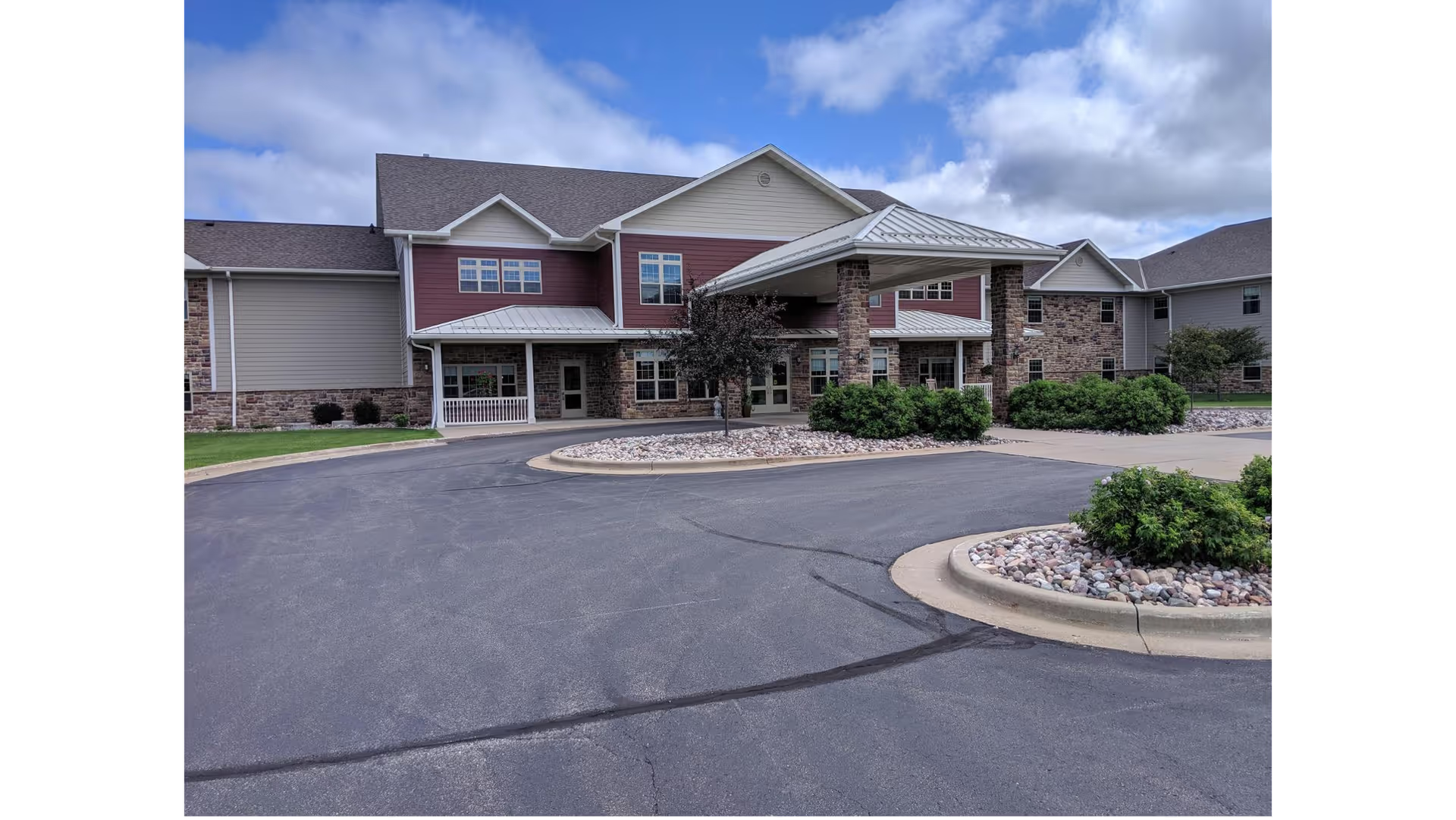
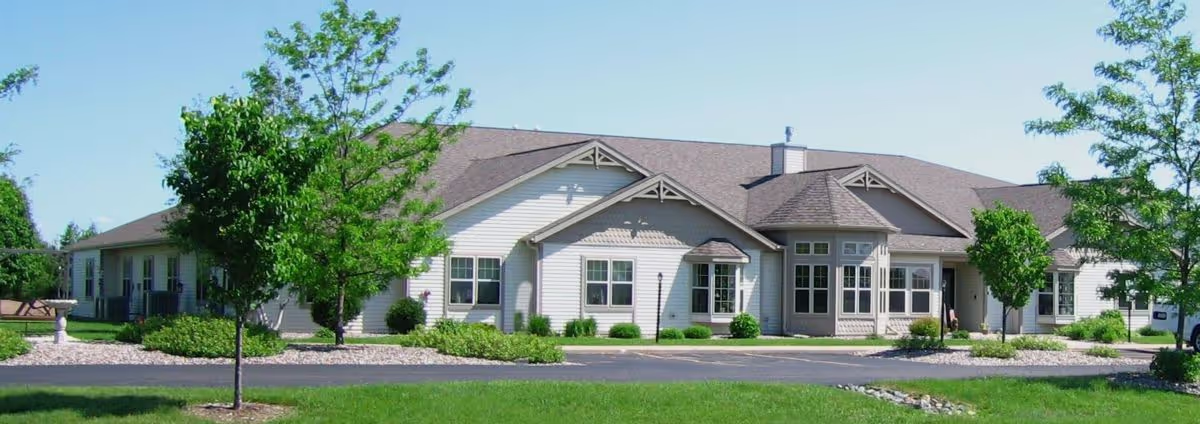
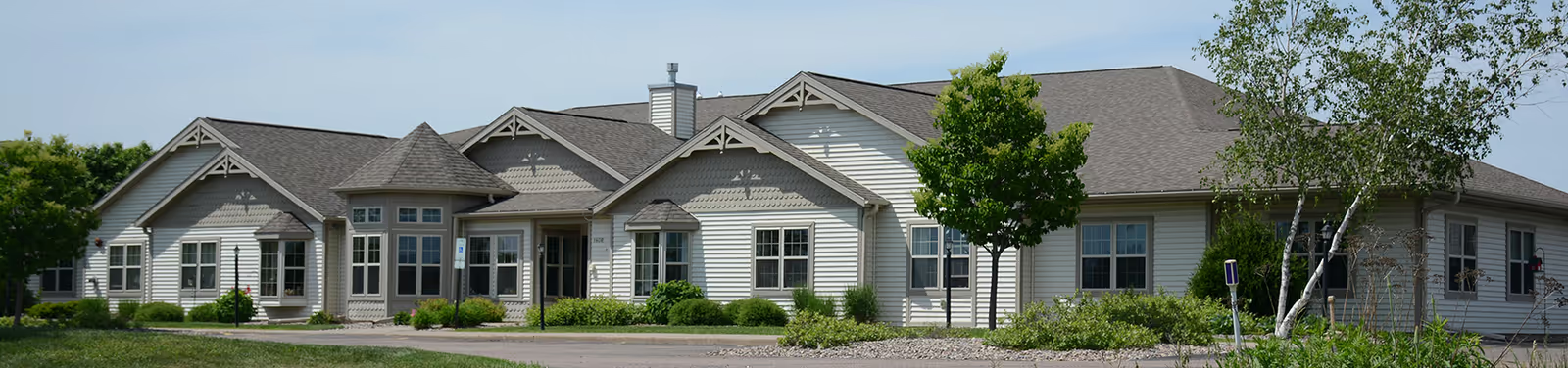
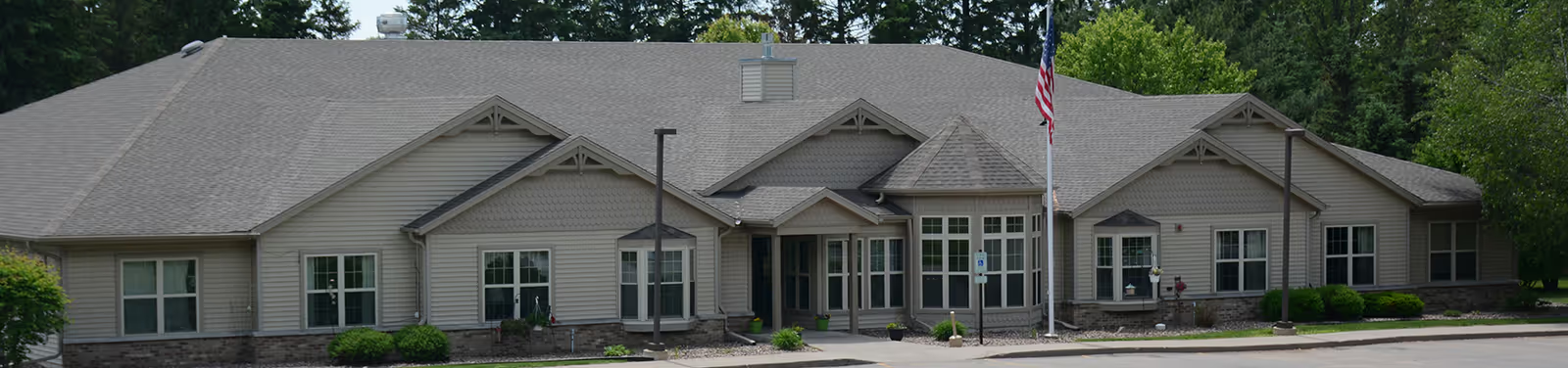
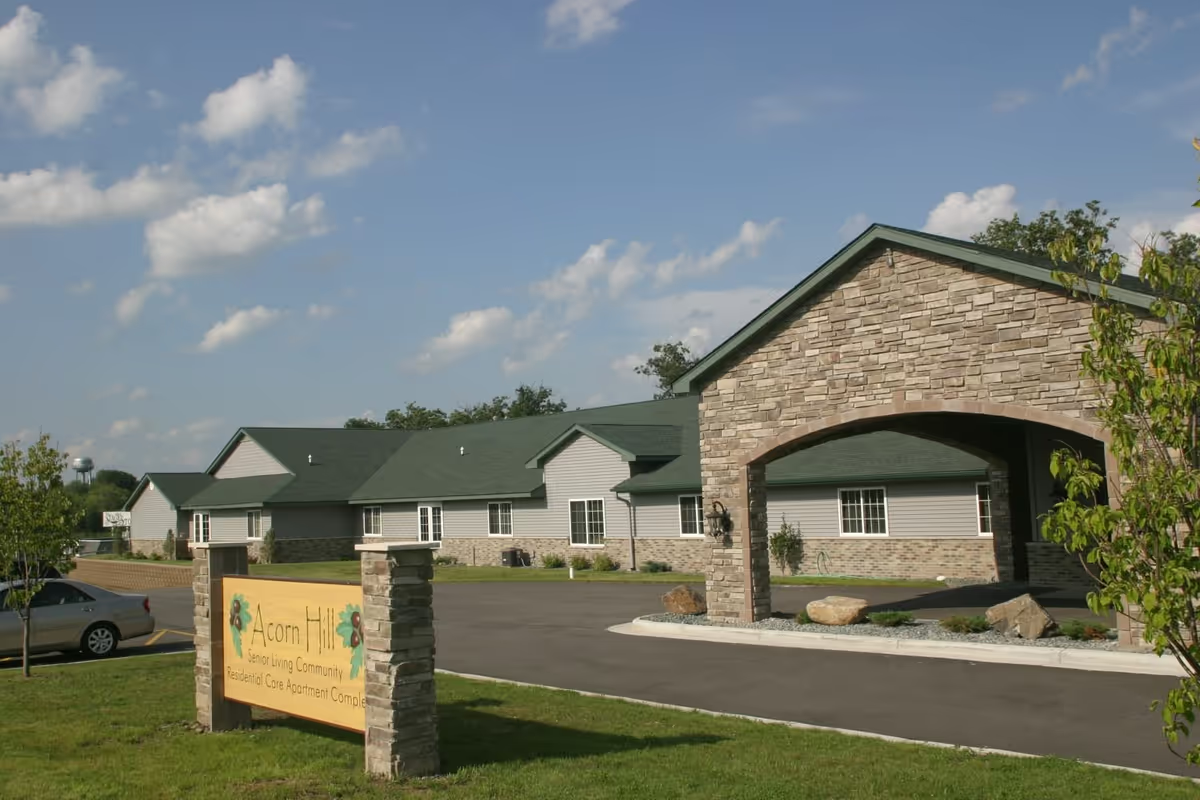
The physical environment draws mixed comments: some describe the facility as clean with well-maintained common areas, while others find the interior dated and institutional, with long, dimly lit corridors that contribute to a depressive atmosphere for certain residents. Dining and activities are generally seen as positive contributors to quality of life, but meal delivery continuity was cited as an operational issue in isolated incidents.
Administrative and communication issues were raised as well. Families reported intermittent difficulties accessing electronic charts, limited administrator presence, and lapses in family communication about clinical incidents and end-of-life care. There are also more serious personnel concerns, including allegations of discriminatory treatment and troubling staffing decisions; such claims warrant investigation by facility leadership and, if appropriate, regulatory authorities.
In summary, Wausau Manor shows strengths in rehabilitation services, some dedicated caregivers, and established activity and dining programs. However, persistent operational weaknesses — notably understaffing, delayed responsiveness, variability in caregiver competence, clinical-monitoring gaps, and environmental maintenance concerns — create risks to consistent, high-quality care. Prospective residents and families should weigh the facility's demonstrated therapeutic capabilities and positive individual staff experiences against these systemic issues, and they should seek current information from facility leadership about staffing levels, recent quality-improvement actions, and policies addressing the more serious allegations raised by families.