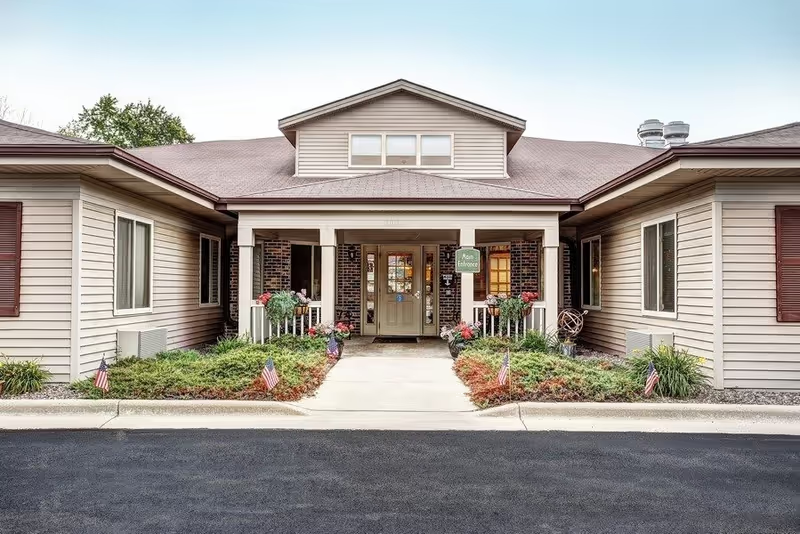
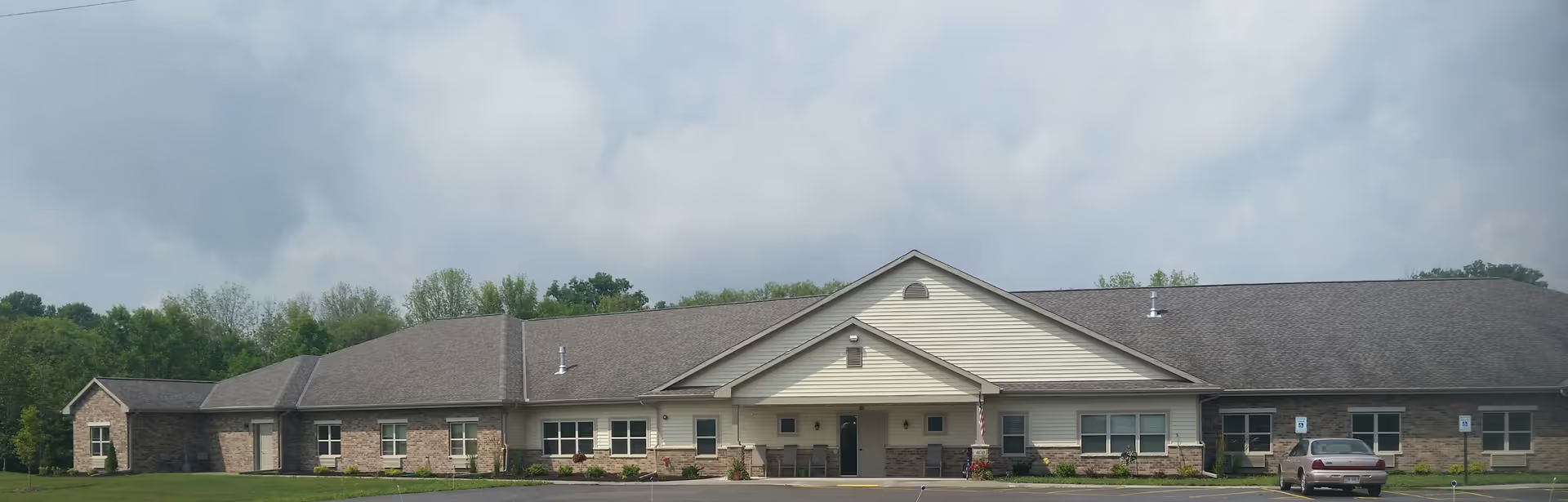
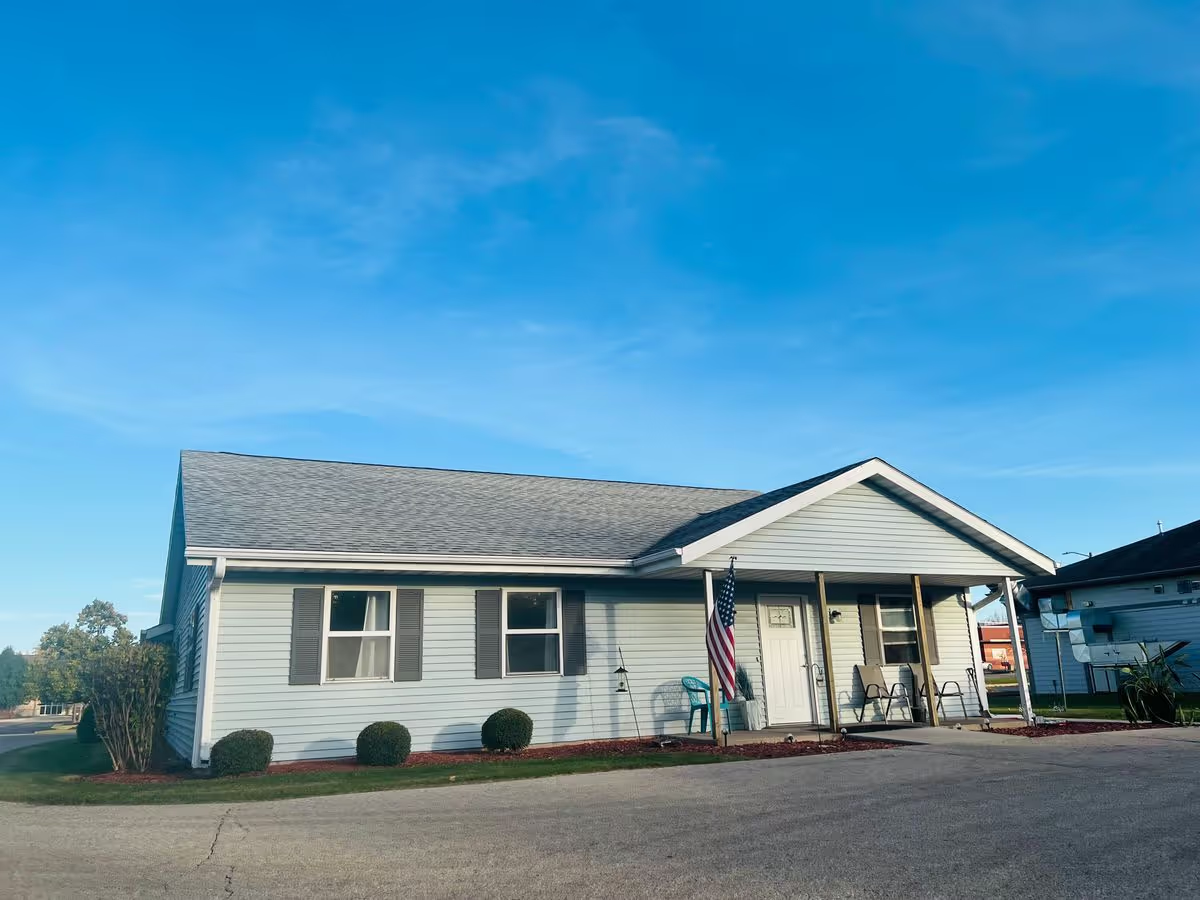
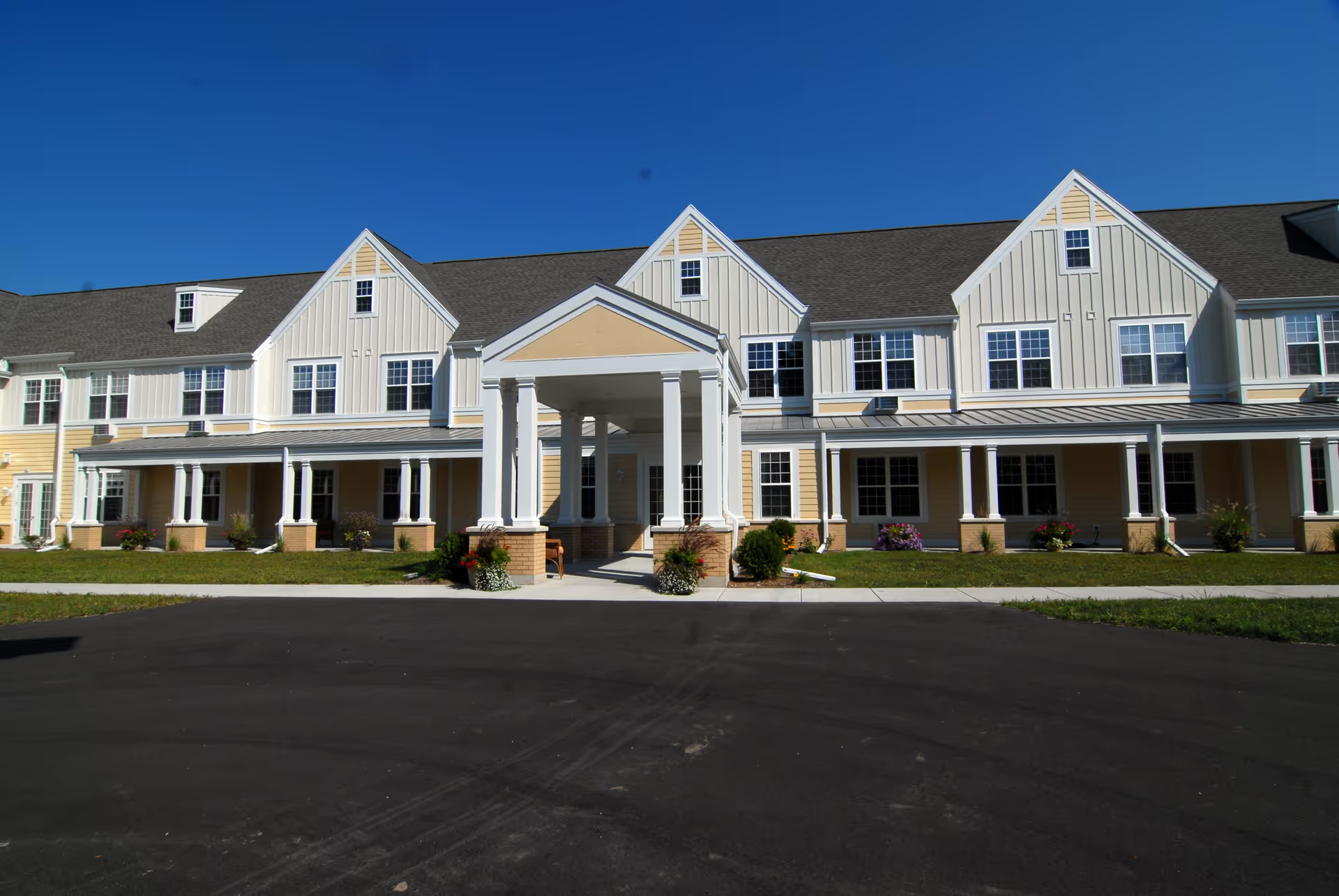
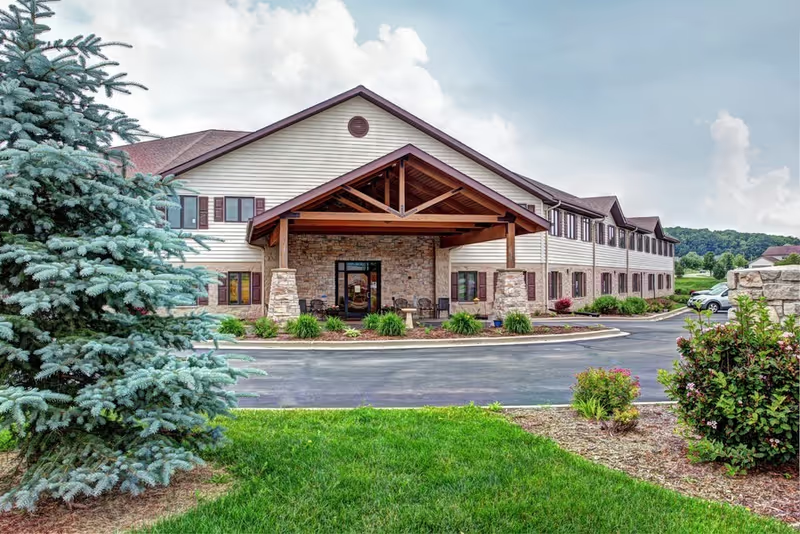
Compassionate Heights is described by many families as a small, home-like residential program with a strong emphasis on warmth and personal attention. Positive comments focus on an engaged caregiving team that creates a family-style atmosphere, a clean and well-maintained facility, and owners/management who are visible and supportive. Several reviewers praised individual staff members who go above and beyond and noted that house pets contribute to a welcoming environment.
Clinical care impressions are mixed. While hands-on caregivers are frequently commended for their compassion and attentiveness, reviewers also identified operational gaps in clinical oversight. The facility does not maintain on-site licensed nursing or guaranteed on-call RN/LPN coverage, and that absence was linked to concerns about medication knowledge, situational awareness of residents' conditions, and a reactive approach to monitoring (staff responding only after a call-for-help rather than proactive checks). These patterns suggest the community is better suited to residents with lower acuity and predictable care needs rather than those requiring regular clinical supervision.
Dining and activities: reviewers described home-style meals with moderate portions and generally acceptable quality. Activity programming appears limited; there are few or no planned outings reported, which may be a consideration for families seeking a more active or externally engaged lifestyle for their loved one.
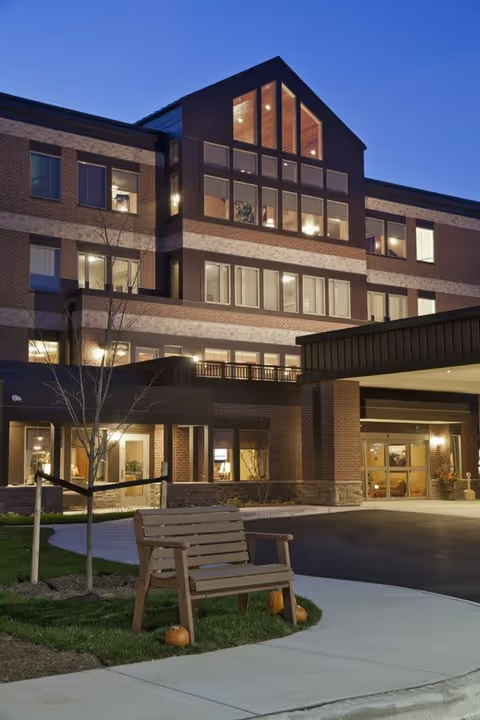
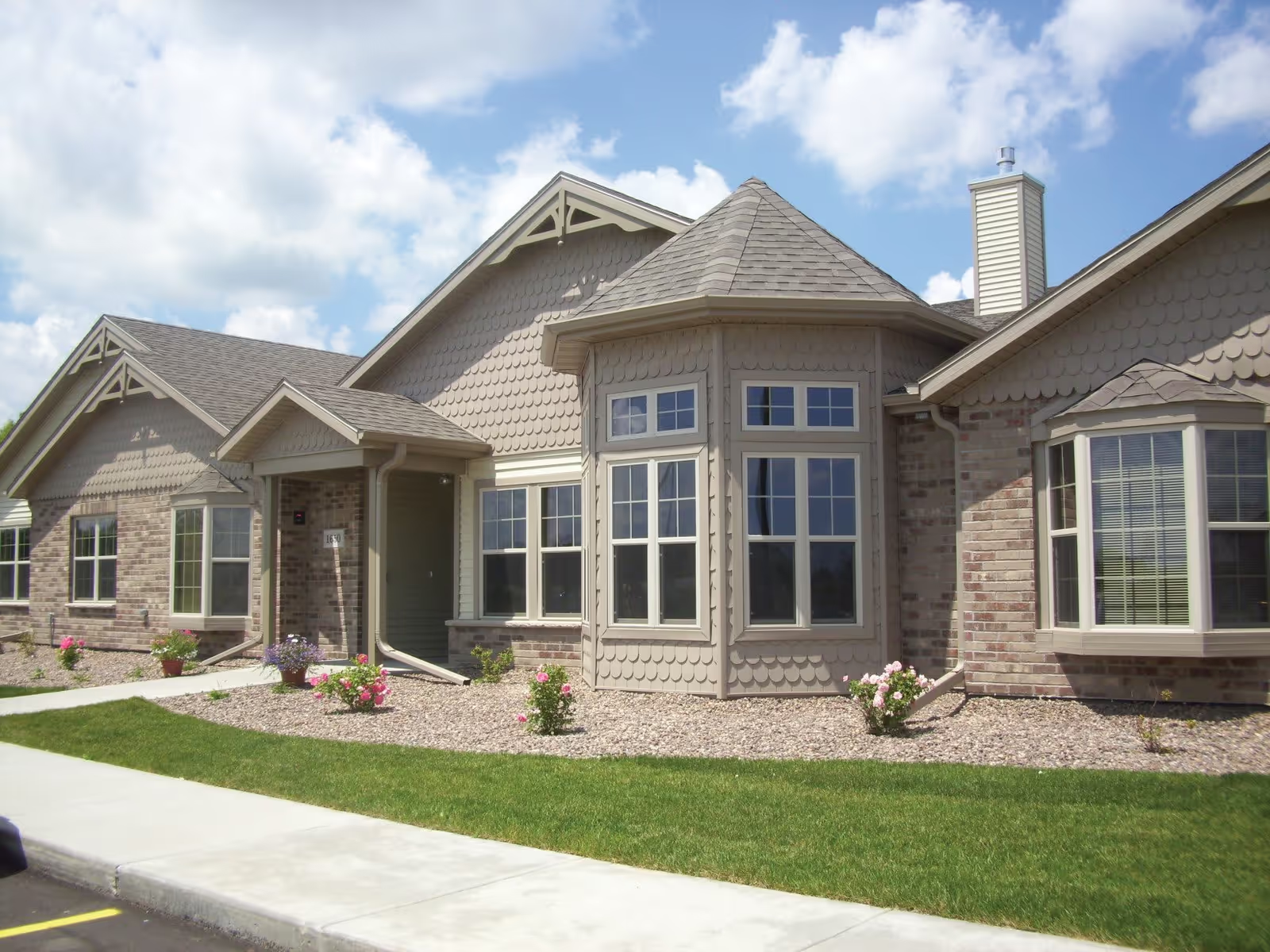
Facilities and management: the physical environment is reported as clean and well-kept, with management often characterized as hands-on and resident-focused. At the same time, some reviewers noted inconsistent administrative presence and follow-through on requests or care plans, and one reviewer indicated the administrator was not on-site—factors that can affect continuity and oversight.
Notable patterns and considerations: praise for compassionate staff, family culture, and cleanliness is recurrent, but operational issues around nursing coverage, medication handling, and responsiveness are equally recurrent and consequential. One reviewer described a severe incident involving a resident fall and subsequent death, which underscores the importance of asking targeted questions about emergency response protocols, transfer and fall-prevention practices, staffing ratios, staff training, and availability of clinical oversight before placing a higher-acuity resident. Prospective residents and families should weigh the facility’s warm, home-like strengths against the documented limitations in clinical capacity and activity programming to determine fit.