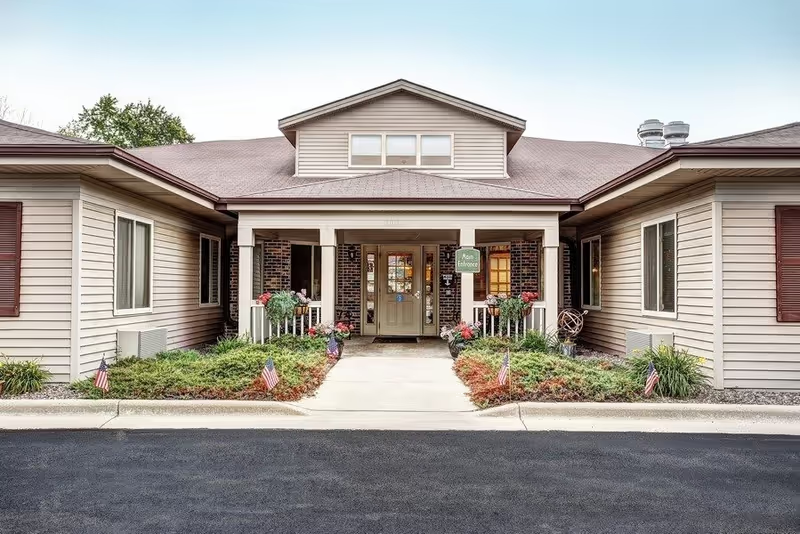
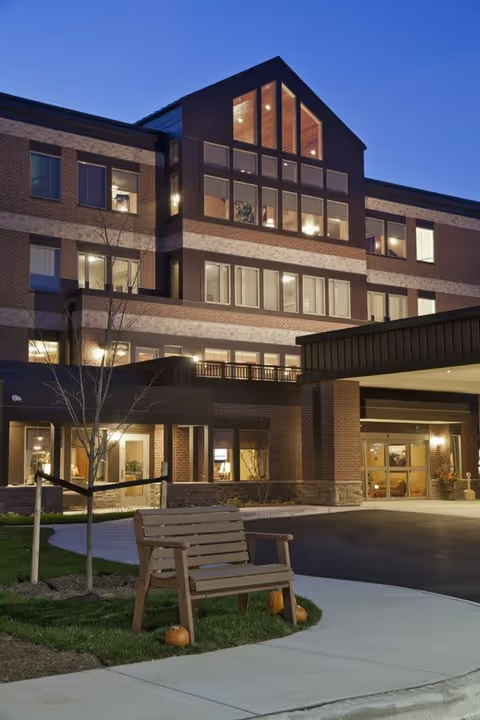
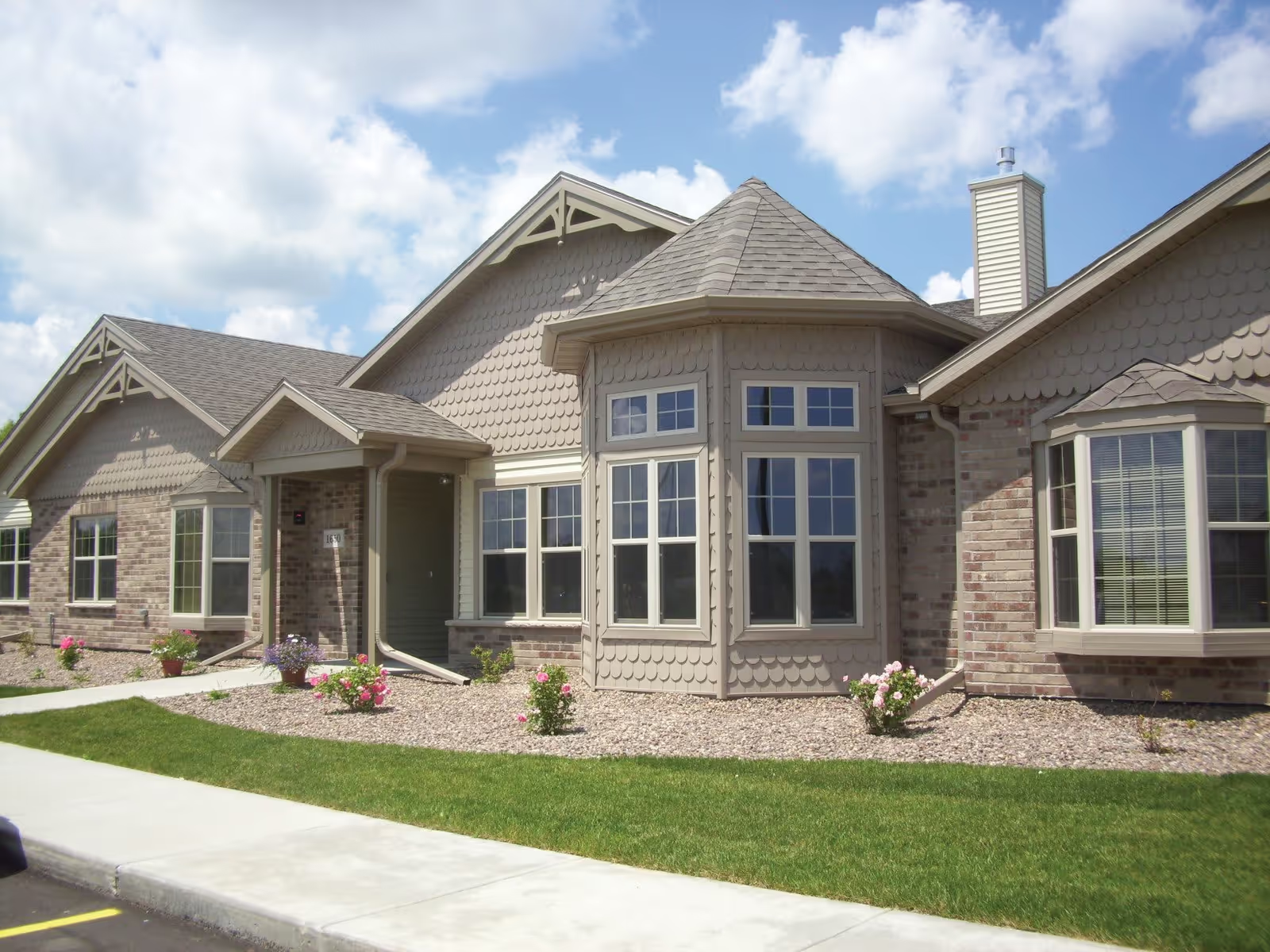
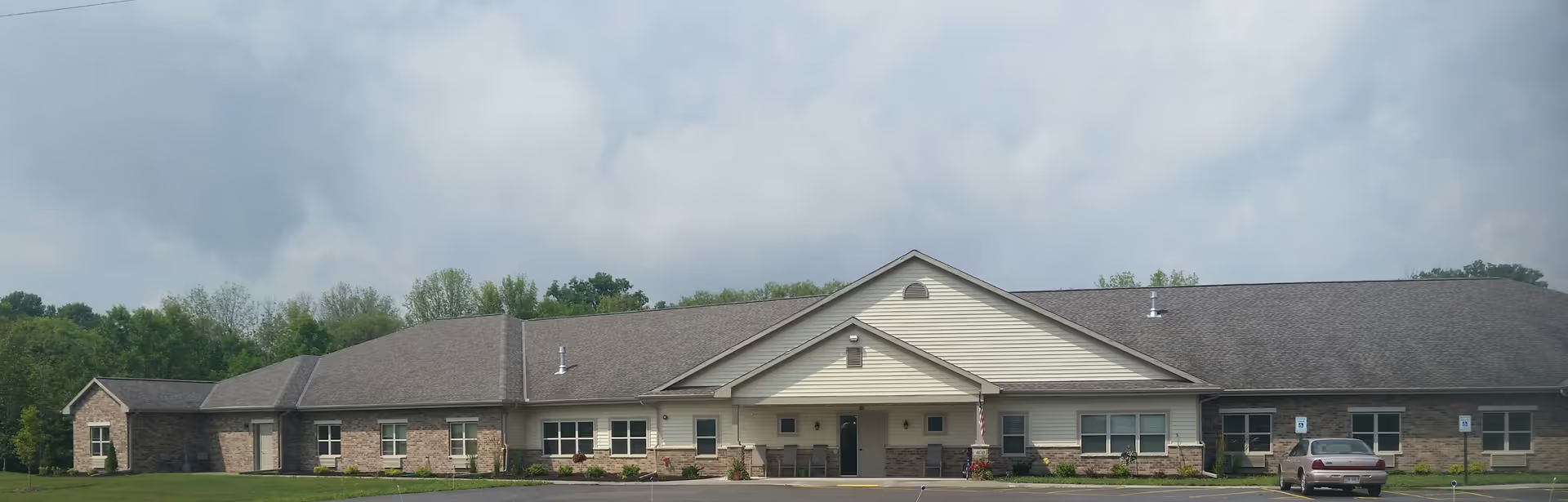
Overall sentiment in the reviews is strongly positive about the social and day-to-day experience at Waterford. Reviewers repeatedly highlight staff friendliness and a caring attitude, describing the atmosphere as upbeat, comfortable, and safe. Several comments portray Waterford as a happy, wonderful, and nice place to retire, indicating that residents and visitors experience a welcoming community and an environment that supports social well‑being.
Care quality and staff interaction are among the most consistently praised elements. Descriptions of the staff as "friendly and caring" and a director who provided helpful information suggest that interpersonal care and responsiveness from leadership are strengths. These points imply that routine needs and questions are likely handled in a personable way, and that management is accessible and communicative when prospective residents or families seek information.
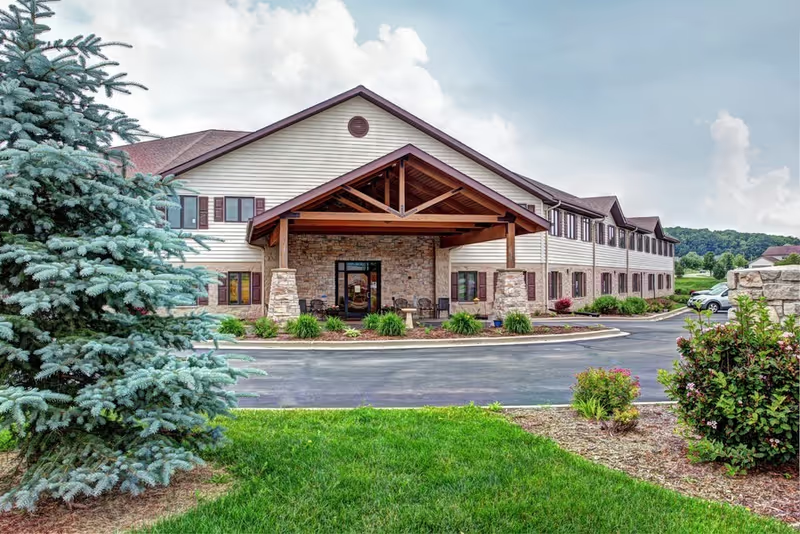
Facility attributes emphasized in the reviews include comfort and a general sense of safety. Multiple comments associate Waterford with a comfortable living environment and an overall feeling of security, which supports its characterization as a pleasant retirement option. However, the reviews do not provide specific details about physical features, room quality, housekeeping, or the state of common areas beyond these general impressions.
A significant and explicit concern raised is the absence of a locked dementia or secured memory-care area. One review specifically calls out lack of a locked dementia area and notes a wandering risk for residents with dementia. This is the primary negative theme across the summaries and has important implications: while the community appears appropriate for independent seniors or those with mild care needs, it may not be suitable for people who require a secured environment or specialized memory-care services. Families of residents with wandering behavior or moderate to advanced cognitive impairment should treat this as a disqualifying factor or at least a topic for detailed discussion with staff about supervision, monitoring, and contingency plans.
Notable omissions in the reviews are any comments on dining, activities, therapy services, clinical care levels (nursing skills, medication management), and accessibility of medical support. Because the supplied summaries focus on atmosphere, staff demeanor, and the memory-care security issue, there is insufficient information to evaluate meal quality, the breadth and frequency of activities, rehabilitation or medical services, or staffing ratios. Prospective residents and families should therefore request specifics about dining menus, programmed activities, healthcare staffing, and emergency procedures when they tour or inquire further.
In summary, Waterford appears to offer a warm, comfortable, and well‑staffed environment that many find appropriate and pleasant for retirement living. Management accessibility and staff friendliness are clear strengths. The central and recurring concern is the lack of a locked dementia/memory-care area and the associated wandering risk, which makes the community less appropriate for residents who need secured memory care. For independent seniors or those without significant cognitive impairment, Waterford’s positive atmosphere and perceived safety make it an attractive option; for anyone who needs dedicated memory-care security, further clarification or a different community with a secured memory unit should be considered.